Chubu · Fukui
Eiheiji travel guide: temple visits and a day from Fukui
Eiheiji is a major Zen Buddhist temple, not simply a collection of attractive buildings. Put the experience that matters to you first, then give the meal and the journey enough room. The route below is a planning suggestion; confirm the current arrangements for the places you choose.
- Suggested time
- A focused half or full day; overnight for a confirmed programme
- Where to stay
- Fukui for a temple day; a confirmed temple-area lodging for a deeper stay
- Season and timing
- Check the temple’s current visitor and participation arrangements
The short answer
Allow a focused half or full day; overnight for a confirmed programme. Consider Fukui for a temple day or a confirmed temple-area lodging for a deeper stay. Choose the main visit before adding another area. Do not assume admission includes meditation, a temple stay or another programme. A well-placed lunch and a flexible final stop keep the day enjoyable.
Enter a working religious place
Eiheiji is a major Zen Buddhist temple, not simply a collection of attractive buildings. Make the religious setting the purpose of the visit and follow the current visitor route. Give the interiors and interpretation time. Quiet conduct and respect for areas reserved for the community matter more than completing a list of photographic viewpoints.
A normal visit differs from participation
Do not assume admission includes meditation, a temple stay or another programme. Investigate the current arrangement for the experience you want and confirm booking, language and suitability. A visitor route can be meaningful on its own. If participation is important, choose the itinerary around that confirmed appointment rather than hoping to join after arriving.
Make time for the local food
What to eat and where to look
Shojin ryori
A confirmed meal programme can introduce Buddhist vegetarian cuisine; ask about the actual menu and dietary preparation.
- Where to look
- Current menus and official visitor listings near your selected Eiheiji route.
- Fit it into your day
- Choose this as a deliberate meal or snack near the main visit. Check the preparation and ingredients before ordering; leave time to reach your next connection.
Fukui soba
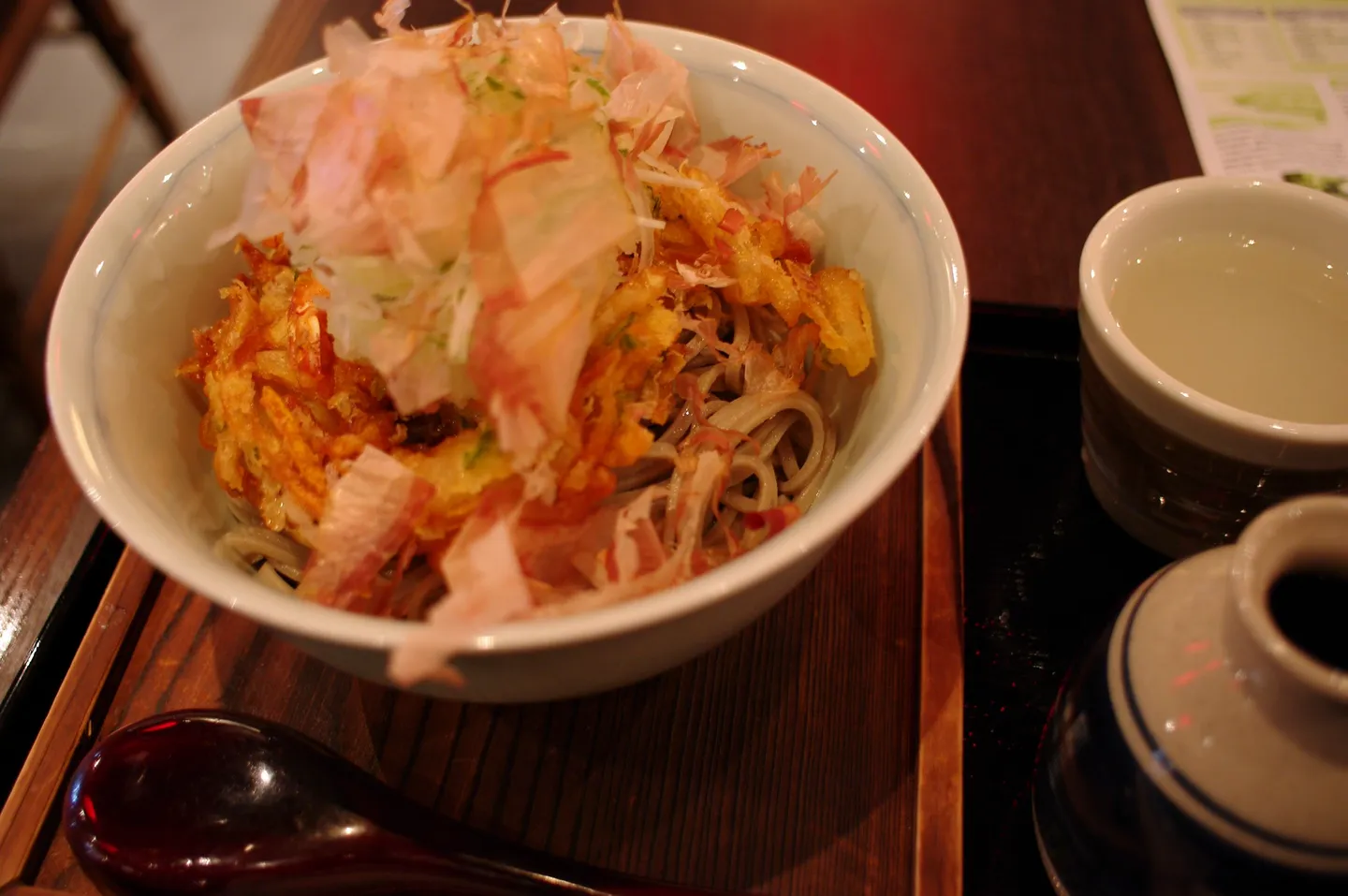
A regional noodle meal can fit before or after the temple visit; broth and toppings require checking.
- Where to look
- Current menus and official visitor listings near your selected Eiheiji route.
- Fit it into your day
- Choose this as a deliberate meal or snack near the main visit. Check the preparation and ingredients before ordering; leave time to reach your next connection.
A meal can deepen the religious context
JNTO’s food feature documents shojin ryori associated with Eiheiji and the nearby Hakujukan restaurant’s collaboration with the temple. This is a concrete meal option to investigate, not a guarantee that every nearby restaurant follows the same preparation. Ask about the actual course and dietary requirements. A well-chosen lunch can support the temple’s context without requiring an overnight programme.
Resolve the journey from Fukui
Check the current transport and the final approach to the temple from your chosen base. Include the time needed to move through the visitor route and return. If staying nearby, confirm meal and arrival arrangements. Another Fukui attraction should occupy remaining time only when the complete journey works; the temple does not need several extras to justify a day.
Give the meal a place in the route
Choose a seated meal near your planned visits and keep an alternative nearby if the restaurant is full. Compare the dish, portion and price on the current menu. If ingredients matter, ask about broth, sauce and preparation as well as the main item.
Choose a guided experience for a clear reason
A guided experience is worth comparing when it adds explanation, gives you access to a properly arranged activity or solves a difficult local journey. Read the route and meeting point before buying: a title naming Eiheiji does not establish where the outing starts. Ask how much time is spent at the main visit, whether admissions and meals are included, and what happens if conditions change. For a simple independent walk, the official visitor information may be all you need; spend on the part of the day you want to understand more deeply.
Practical questions
How much time should I allow for Eiheiji?
A focused half or full day; overnight for a confirmed programme. This is a planning starting point; allow more time if you choose an additional area or a slower visit.
Does ordinary admission include meditation?
Do not assume it. A visitor route and a participation programme have separate arrangements; confirm the experience you want before arrival.
Can I try shojin ryori nearby?
JNTO documents a meal connection at Hakujukan’s restaurant. Check the current reservation, menu and dietary details directly.
Sources and checks before you travel
Reference sources for the version dated 30 September 2026. Confirm opening times, access, transport and conditions for your travel dates.
Does this experience fit your route?
Explore related tours and experiences
Check dates and details on Viator ↗ — opens in a new tabAffiliate link · Book with ViatorPhoto credits
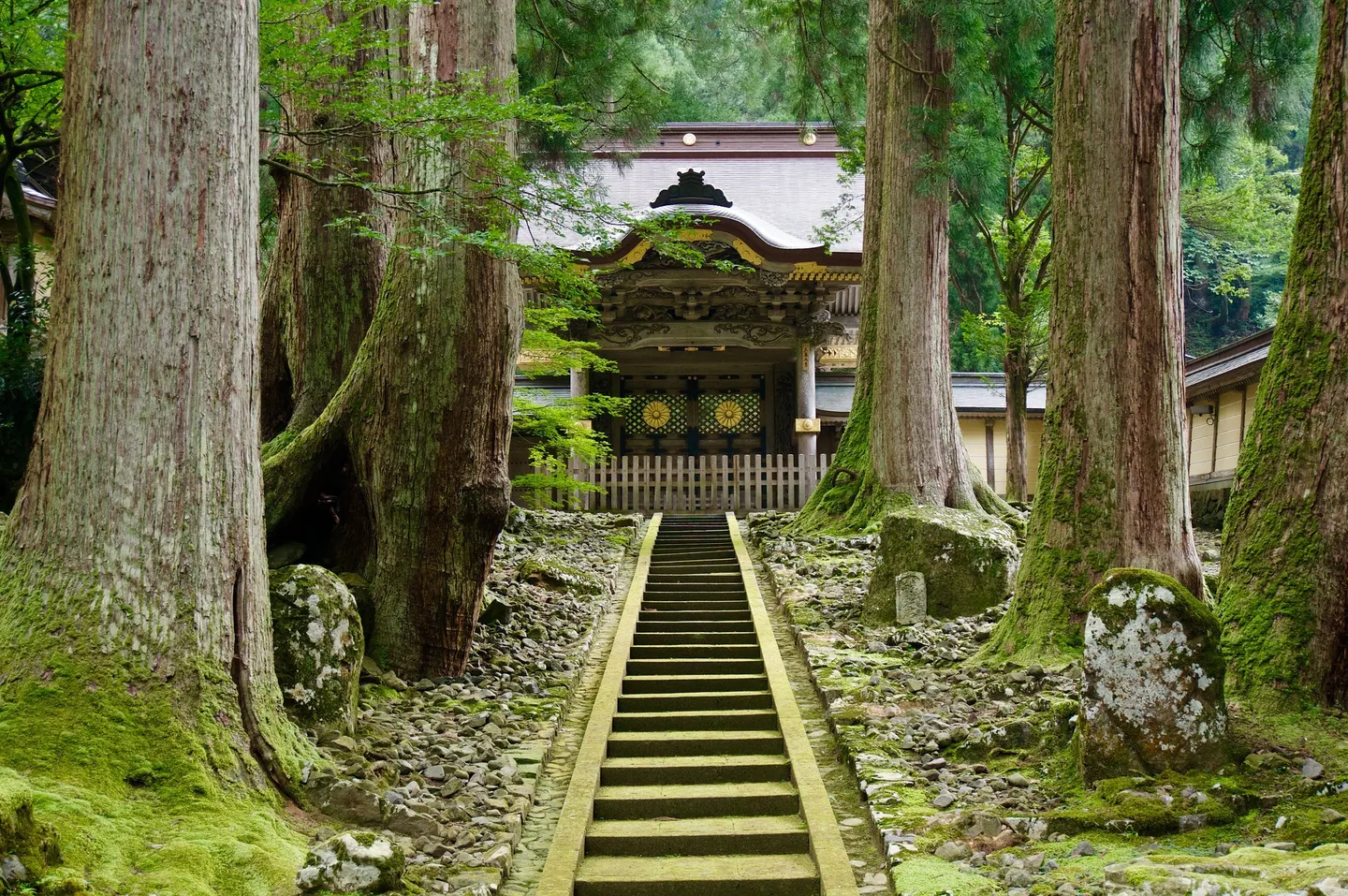
Stone steps between large cedar trees at Eiheiji monastery.
Photograph: Tak H. — opens in a new tab · CC BY-SA 2.0 — opens in a new tab
Changes: Resized and converted to WebP; displayed with responsive crops. · Original photograph and licence details ↗ — opens in a new tab
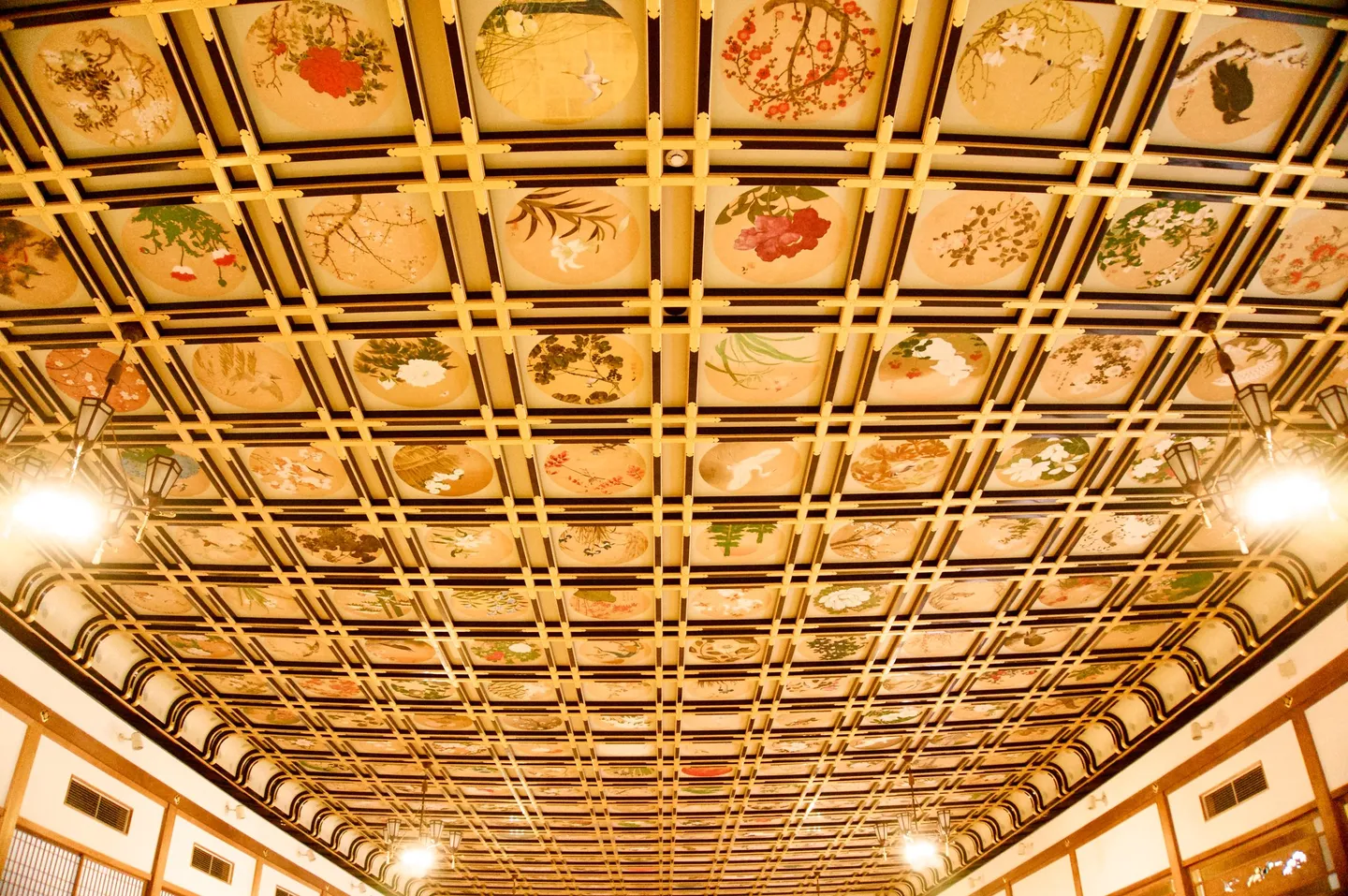
A decorated coffered ceiling inside Eiheiji monastery.
Photograph: Tak H. — opens in a new tab · CC BY-SA 2.0 — opens in a new tab
Changes: Resized and converted to WebP; displayed with responsive crops. · Original photograph and licence details ↗ — opens in a new tab
Echizen soba with toppings, illustrating a regional dish associated with Fukui.
Photograph: Akihito Fujii — opens in a new tab · CC BY-SA 2.0 — opens in a new tab
Changes: Resized and converted to WebP; displayed with responsive crops. · Original photograph and licence details ↗ — opens in a new tab
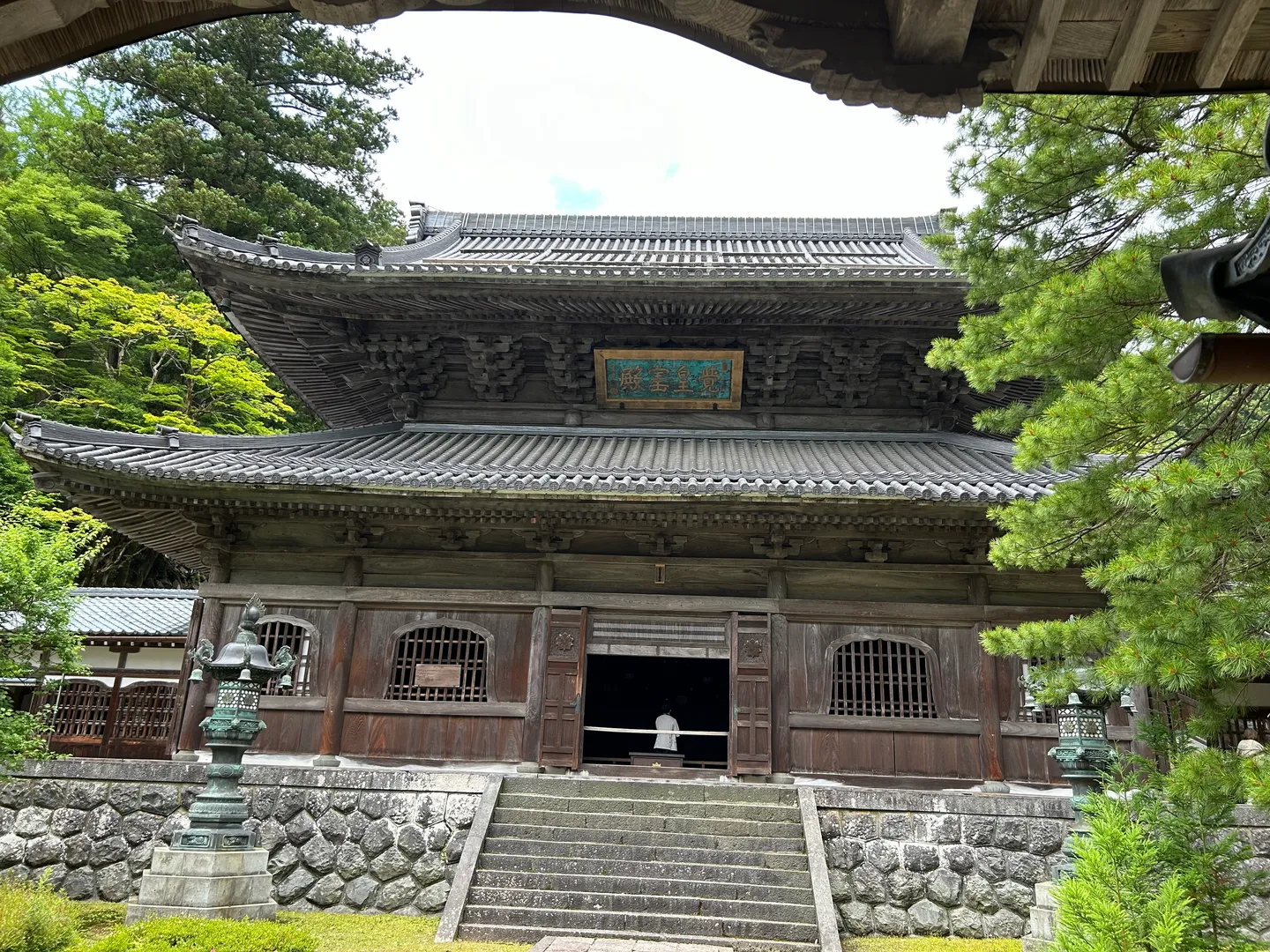
The wooden gate of Eiheiji monastery among green trees.
Photograph: Kanesue — opens in a new tab · CC BY 2.0 — opens in a new tab
Changes: Resized and converted to WebP; displayed with responsive crops. · Original photograph and licence details ↗ — opens in a new tab