Kyushu and Okinawa · Saga
Arita travel guide: porcelain, studio visits and a Saga town day
Arita makes the objects on a dining table into a reason to travel. Porcelain shops, a museum and a considered studio visit can reveal materials and craft, with time to choose a useful piece rather than collecting souvenirs in haste.
- Suggested time
- One day
- Where to stay
- Arita, Saga or Fukuoka
- Season and timing
- Check workshop calendars and the current Golden Week fair dates
The short answer
Plan a porcelain-focused day in Arita, checking the museum and any workshop appointment first. Add Imari only when its separate connection and a particular interest justify the move. Ask about firing, packing and shipping before buying or making a piece.
Begin with context before browsing
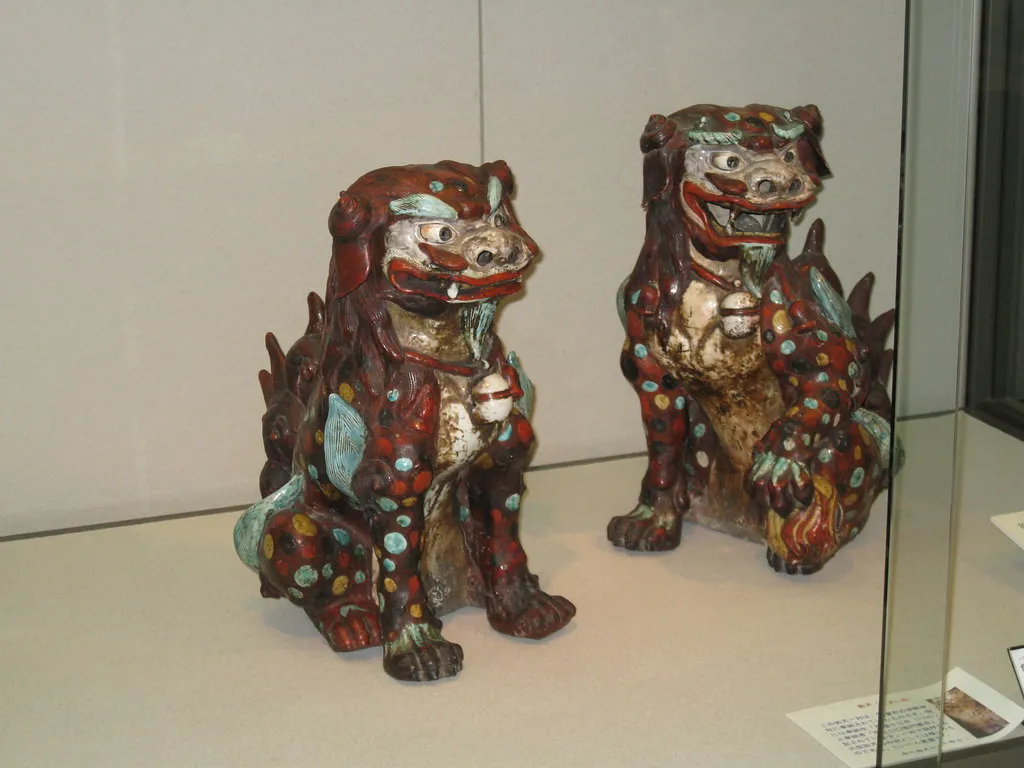
The Kyushu Ceramics Museum can give the shop walk a clearer frame through periods, forms and techniques. Check the current exhibition and opening calendar, then choose a few shops for comparison. A museum visit remains useful without a purchase. Notice how an everyday bowl differs from display work and ask permission before handling fragile pieces.
A shrine and a studio offer different encounters
Tozan Shrine adds porcelain details in a religious setting, while a workshop involves a particular process and appointment. Stay on permitted access routes around the shrine and railway. For a making session, confirm language, duration and what you create. A piece that needs firing may require later collection or shipping; it is not automatically ready to carry away.
Make time for the local food
What to eat and where to look
Godofu
Soy milk thickened with kudzu and starch gives this Arita preparation a distinctive elastic texture. It appears with savoury or sweet seasoning.
- Where to look
- Menus explicitly naming godofu
- Fit it into your day
- A lunch component with the seasoning and ingredients checked.
Aritayaki curry
Baked curry served in Arita porcelain links the meal and tableware. Some takeaway products include the bowl, but not every curry does.
- Where to look
- Current official local food listings
- Fit it into your day
- Check what is included and whether carrying the bowl suits your luggage.
Aritadori
Locally associated chicken appears in different meals, sometimes presented in porcelain that echoes the town’s craft theme.
- Where to look
- Restaurants explicitly identifying Aritadori
- Fit it into your day
- A lunch set between the museum and shop walk.
Yuki no tsuyu
This local soup tradition is associated with kiln work and particular festive occasions. It should not be promised at every restaurant.
- Where to look
- Current event or menu information
- Fit it into your day
- Investigate only when the relevant occasion and service are confirmed.
Arita and Imari need a deliberate connection
They share a ceramics story but are distinct towns. Use current railway information to plan the actual arrival and onward service. Keep lunch and the museum near the route you have chosen. If a guide meets in one town, do not assume the programme provides a transfer from the other or covers every pottery district in Saga.
Choose a fair day or a quieter craft visit
The Golden Week ceramics fair changes the town’s crowd and rhythm, so confirm the edition dates if it is the reason to go. An ordinary day may give more space for conversation in shops. Compare packing and shipping before choosing fragile work. A godofu lunch or a curry served in Arita porcelain can connect the craft theme with food.
Practical questions
What is the most useful first planning decision?
Plan a porcelain-focused day in Arita, checking the museum and any workshop appointment first. Add Imari only when its separate connection and a particular interest justify the move. Ask about firing, packing and shipping before buying or making a piece.
Is a guided visit necessary?
An independent visit can work with a clear route and current access information. Compare the actual guided programme for interpretation or practical support, including the meeting place and what is covered.
How should food fit the route?
Choose one main meal near the planned visit and leave smaller tastes optional. Check the actual menu, ingredients and opening before making a restaurant the only lunch option.
Sources and checks before you travel
Reference sources for the version dated 30 September 2026. Confirm opening times, access, transport and conditions for your travel dates.
Does this experience fit your route?
Explore related tours and experiences
Check dates and details on Viator ↗ — opens in a new tabAffiliate link · Book with ViatorPhoto credits
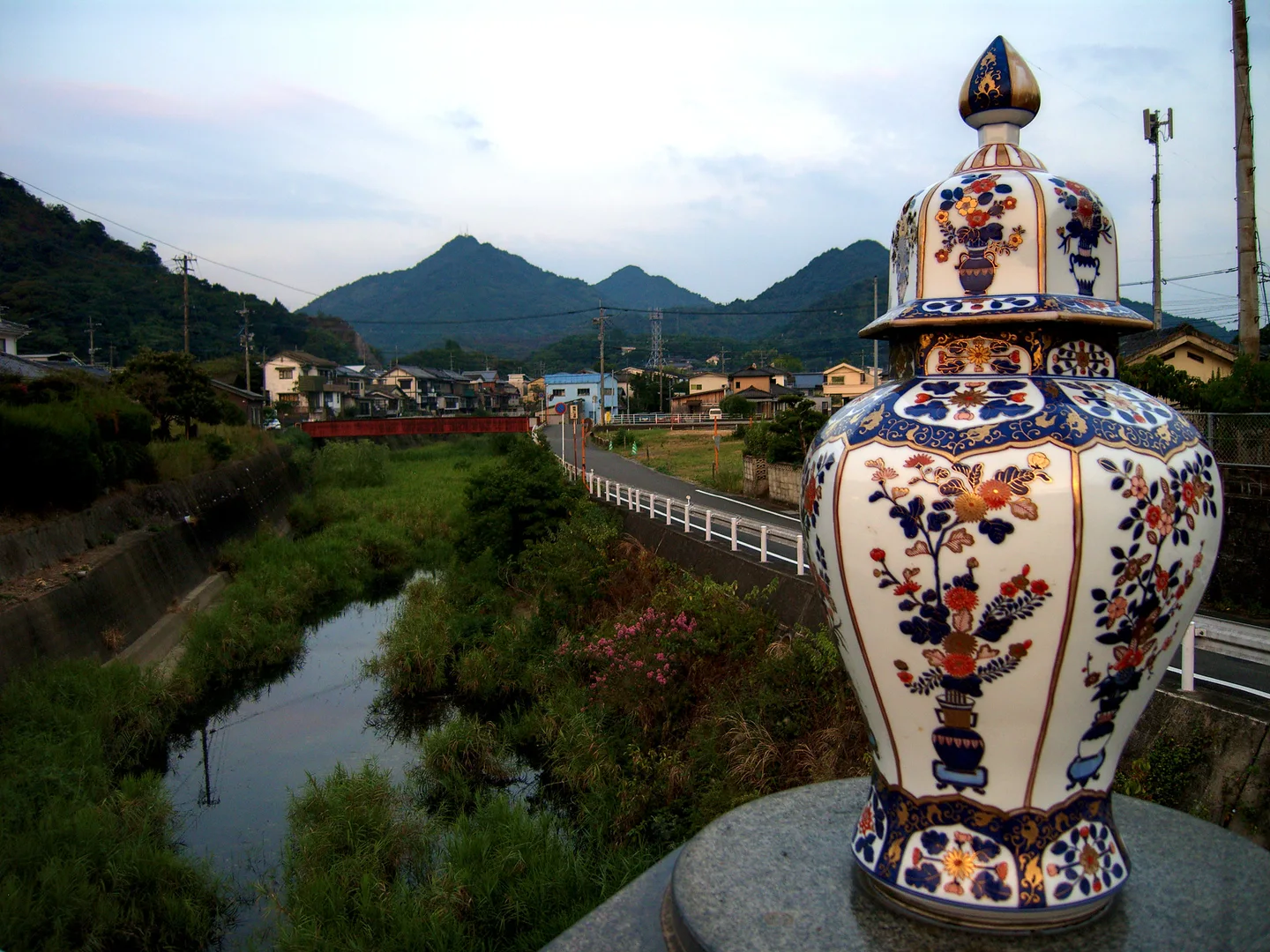
A decorative porcelain vase on a bridge in Arita, with river and mountains beyond.
Photograph: Ivan P — opens in a new tab · CC0 1.0 — opens in a new tab
Changes: Resized and converted to WebP; displayed with responsive crops. · Original photograph and licence details ↗ — opens in a new tab
Ceramic objects displayed at Kyushu Ceramic Museum in Arita.
Photograph: Andreas — opens in a new tab · CC BY-SA 2.0 — opens in a new tab
Changes: Resized and converted to WebP; displayed with responsive crops. · Original photograph and licence details ↗ — opens in a new tab
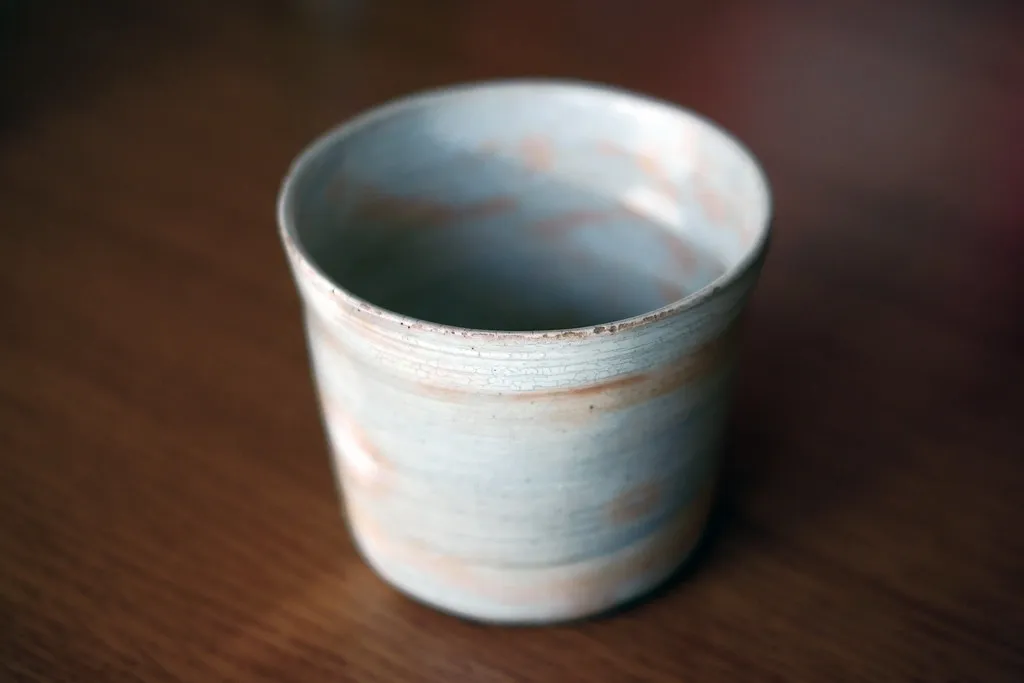
A porcelain cup associated with Arita's ceramic tradition.
Photograph: haru__q — opens in a new tab · CC BY-SA 2.0 — opens in a new tab
Changes: Resized and converted to WebP; displayed with responsive crops. · Original photograph and licence details ↗ — opens in a new tab
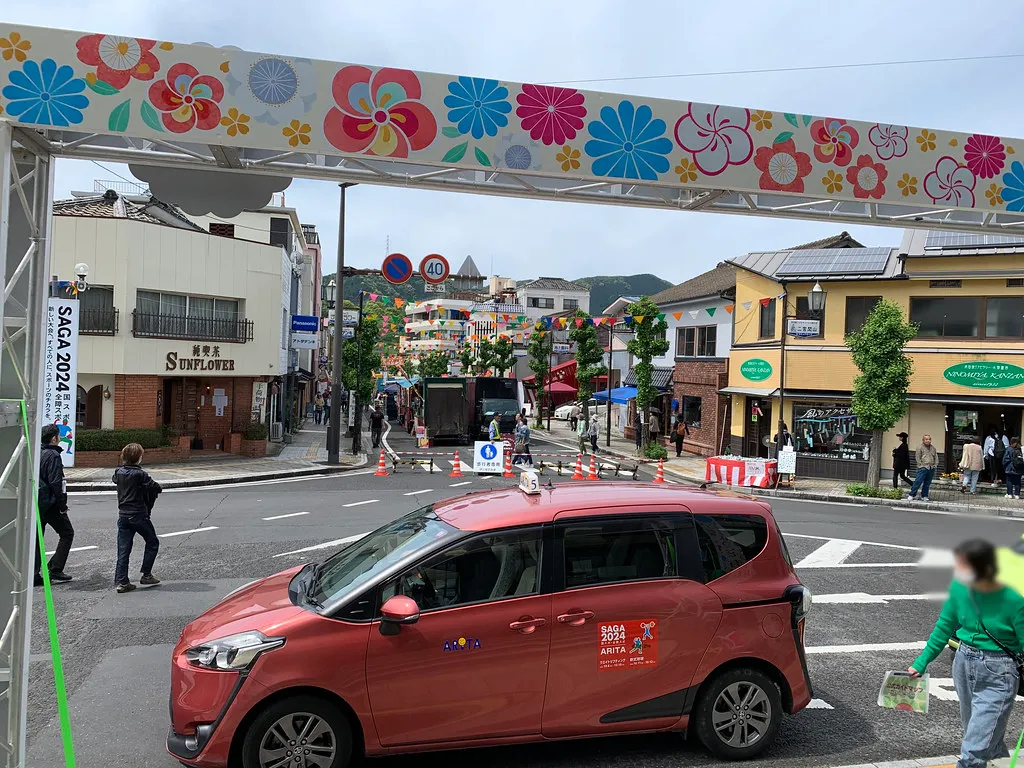
Decorations above a street in Arita, Saga.
Photograph: inunami — opens in a new tab · CC BY 2.0 — opens in a new tab
Changes: Resized and converted to WebP; displayed with responsive crops. · Original photograph and licence details ↗ — opens in a new tab