Northeast Thailand (Isan) · Nakhon Ratchasima
Nakhon Ratchasima (Korat) travel guide: gateway to Isan and Khao Yai
Nakhon Ratchasima, known to everyone as Korat, is the gateway to Isan, Thailand's north-east. The city itself is a busy provincial centre rather than a sight, but it sits between two of the region's highlights: Khao Yai, Thailand's first national park, to the south-west, and the Khmer temple of Phimai to the north-east. A night or two here makes both easy.
- Suggested time
- 2–3 days
- Where to stay
- Korat city centre, or Pak Chong for Khao Yai
- Season and timing
- November to February is coolest; waterfalls in Khao Yai are fullest late in the rainy season.
The short answer
Use Korat as a base for two or three days. Pay respects at the Thao Suranari Monument and Wat Sala Loi in town, take a day trip north-east to Phimai Historical Park (about 60 kilometres), and spend a day — or better a night nearby — in Khao Yai National Park, where entry tickets must now be bought in advance through the QueQ app.
Thao Suranari Monument
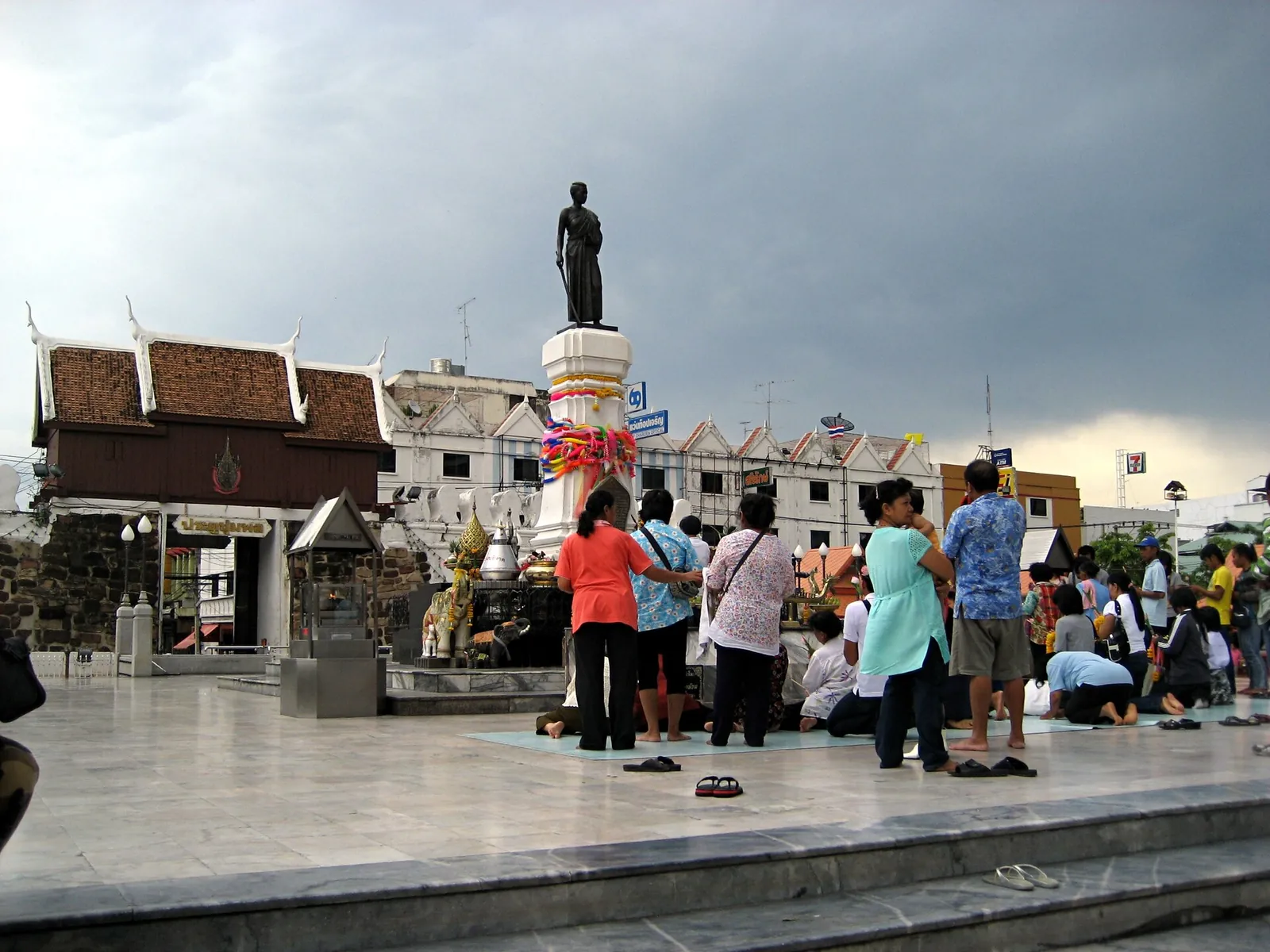
In the city centre, the Thao Suranari Monument honours the heroine known locally as Ya Mo, who, as the Ministry of Tourism and Sports' directory recounts, rallied the people of Korat against an invading army from Vientiane. The monument was built in 1934; the bronze figure stands holding a sword and faces west towards Bangkok, and her ashes are kept inside.
Local people pass by constantly to make offerings. It is open around the clock and especially lively in the evening; be respectful when taking photographs.
Wat Sala Loi
Wat Sala Loi, founded by Ya Mo, has an old chapel more than a century old and a modern one built in 1967 in the shape of a Chinese junk, decorated with clay tiles from Dan Kwian, according to the directory. A small stupa holds part of her ashes.
It is a short ride from the centre and makes a good second stop after the monument.
Make time for the local food
What to eat and where to look
Som tam and grilled chicken
Isan's classic trio of green papaya salad, grilled chicken (kai yang) and sticky rice, as TAT describes the region's bold, spicy food.
- Where to look
- Local restaurants and markets in Korat.
- Fit it into your day
- Lunch or dinner in town.
Very spicy; may contain fermented fish sauce (pla ra) — ask for it without if you prefer.
Larb
A spicy minced-meat salad with herbs, lime and toasted rice.
- Where to look
- Isan restaurants across the city.
- Fit it into your day
- Share with sticky rice.
Ask about chilli; some versions use raw meat.
Night market snacks
Grilled skewers, sticky rice and sweets from evening stalls.
- Where to look
- Night markets in the city centre.
- Fit it into your day
- A casual dinner after the monument.
Stalls vary by day.
Khao Yai National Park
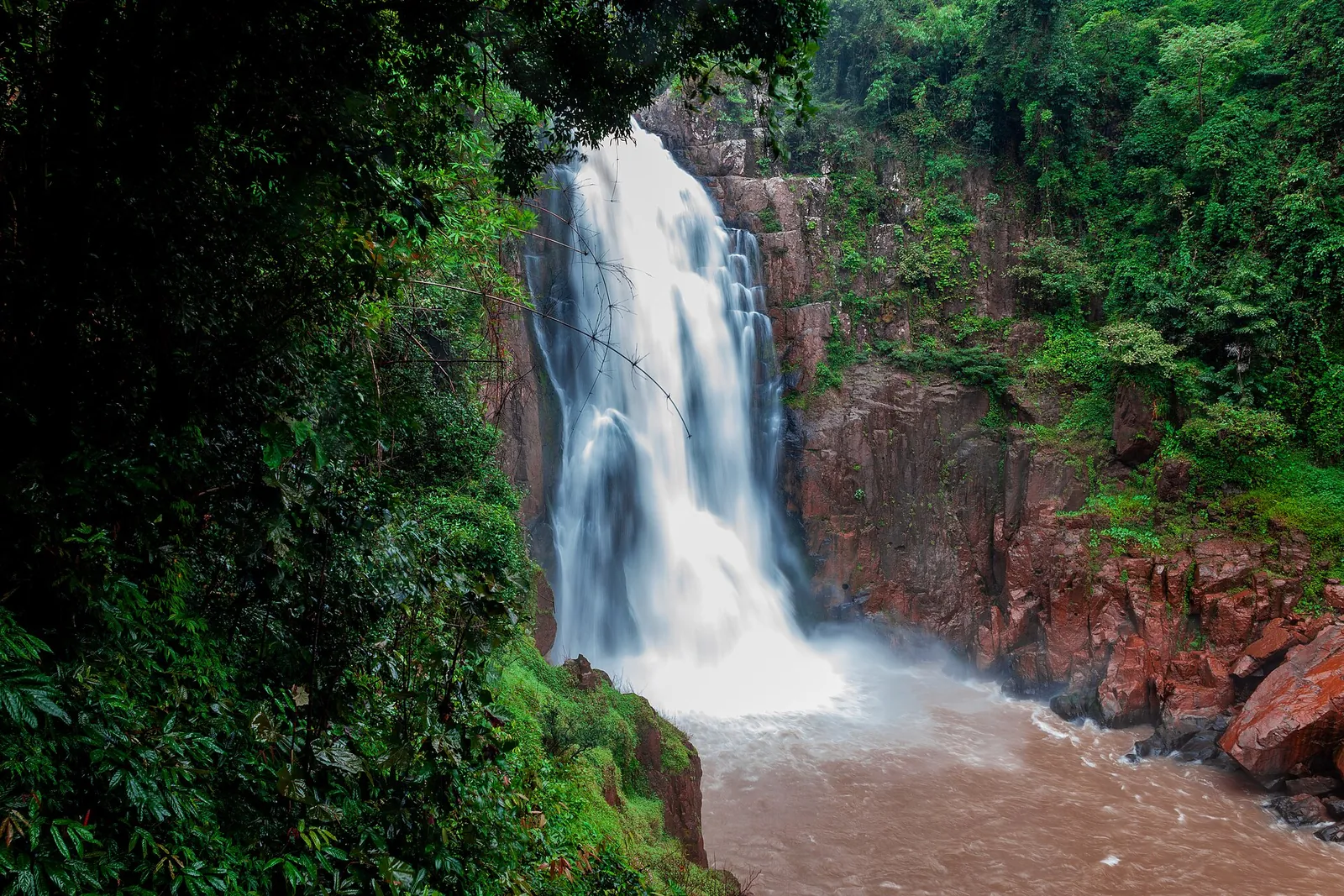
Established in 1962, Khao Yai was Thailand's first national park and covers more than 2,100 square kilometres across four provinces, as TAT notes, with habitat for over 350 rare and endangered species. Waterfalls such as Haew Narok and Haew Suwat are the classic stops.
Since July 2023, foreign visitors must buy their entry ticket in advance through the QueQ app; TAT gave the fee as 200 baht for adults and 100 baht for children at the time. Check current fees and rules before you go, keep to trails and never feed wildlife.
Day trip to Phimai
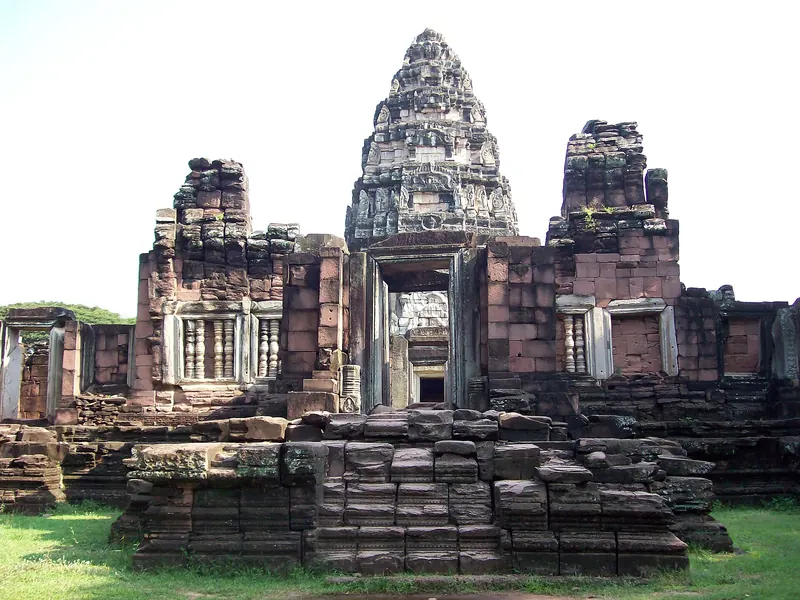
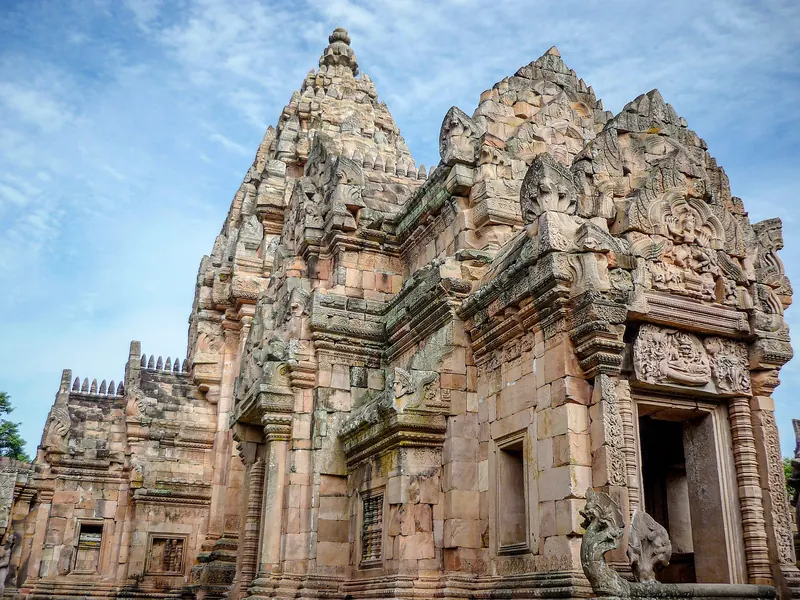
Phimai Historical Park, about 60 kilometres from Korat, is the region's great Khmer temple. The directory describes buses from Korat's second bus station that drop you in front of the temple.
See our Phimai guide for the full visit; it can be done as a day trip, though an overnight stay lets you see it at a quieter hour.
Getting there
Korat is on the main road and railway from Bangkok into Isan, and buses and trains link it with the capital and with Khon Kaen and Ubon Ratchathani. For Khao Yai, many visitors base themselves near Pak Chong, on the same corridor.
Most international travellers fly into Bangkok and continue by road or rail.
Practical questions
Is Korat worth visiting?
As a base for Khao Yai and Phimai and as an introduction to Isan, yes. The city itself needs only a few hours.
How far is Phimai from Korat?
About 60 kilometres, according to the directory; buses run from Korat's second bus station.
Do I need to book Khao Yai tickets in advance?
Yes. Since July 2023 visitors must buy entry tickets through the QueQ app before arriving. Check current rules.
Who was Thao Suranari?
A local heroine, known as Ya Mo, who led the people of Korat against an invading army from Vientiane; her monument stands in the city centre.
Sources and checks before you travel
Reference sources for the version dated 1 October 2026. Confirm opening times, access, transport and conditions for your travel dates.
- Thailand Tourism Directory: Thao Suranari Monument ↗ — opens in a new tab
- Thailand Tourism Directory: Wat Sala Loi ↗ — opens in a new tab
- TAT Newsroom: Khao Yai National Park e-ticketing ↗ — opens in a new tab
- Thailand Tourism Directory: Phimai Historical Park ↗ — opens in a new tab
- TAT Newsroom: Isan cuisine goes gourmet ↗ — opens in a new tab
Does this experience fit your route?
Compare the programme, departure point and practical requirements with your travel plans.
Check dates and details on Viator ↗ — opens in a new tabAffiliate link · Book with ViatorPhoto credits
The Thao Suranari Monument in central Korat.
Photograph: Khaosaming — opens in a new tab · CC BY-SA 3.0 — opens in a new tab
Changes: Resized and converted to WebP; displayed with responsive crops. · Original photograph and licence details ↗ — opens in a new tab
Haew Narok waterfall, Khao Yai National Park.
Photograph: This Photo was taken by Supanut Arunoprayote . Feel free to use any of my images, but please mention me as the author and may send me a message. (สามารถใช้ภาพได้อิสระ แต่กรุณาใส่เครดิตผู้ถ่ายและอาจส่ง ข้อความบอกกล่าวด้วย ) Please do not upload an updated image here without consultation with the Author. The author would like to make corrections only at his own source. This ensures that the changes are preserved. Please if you think that any changes should be required, please inform the author. Otherwise you can upload a new image with a new name. Please use one of the templates derivative or extract . — opens in a new tab · CC BY 4.0 — opens in a new tab
Changes: Resized and converted to WebP; displayed with responsive crops. · Original photograph and licence details ↗ — opens in a new tab
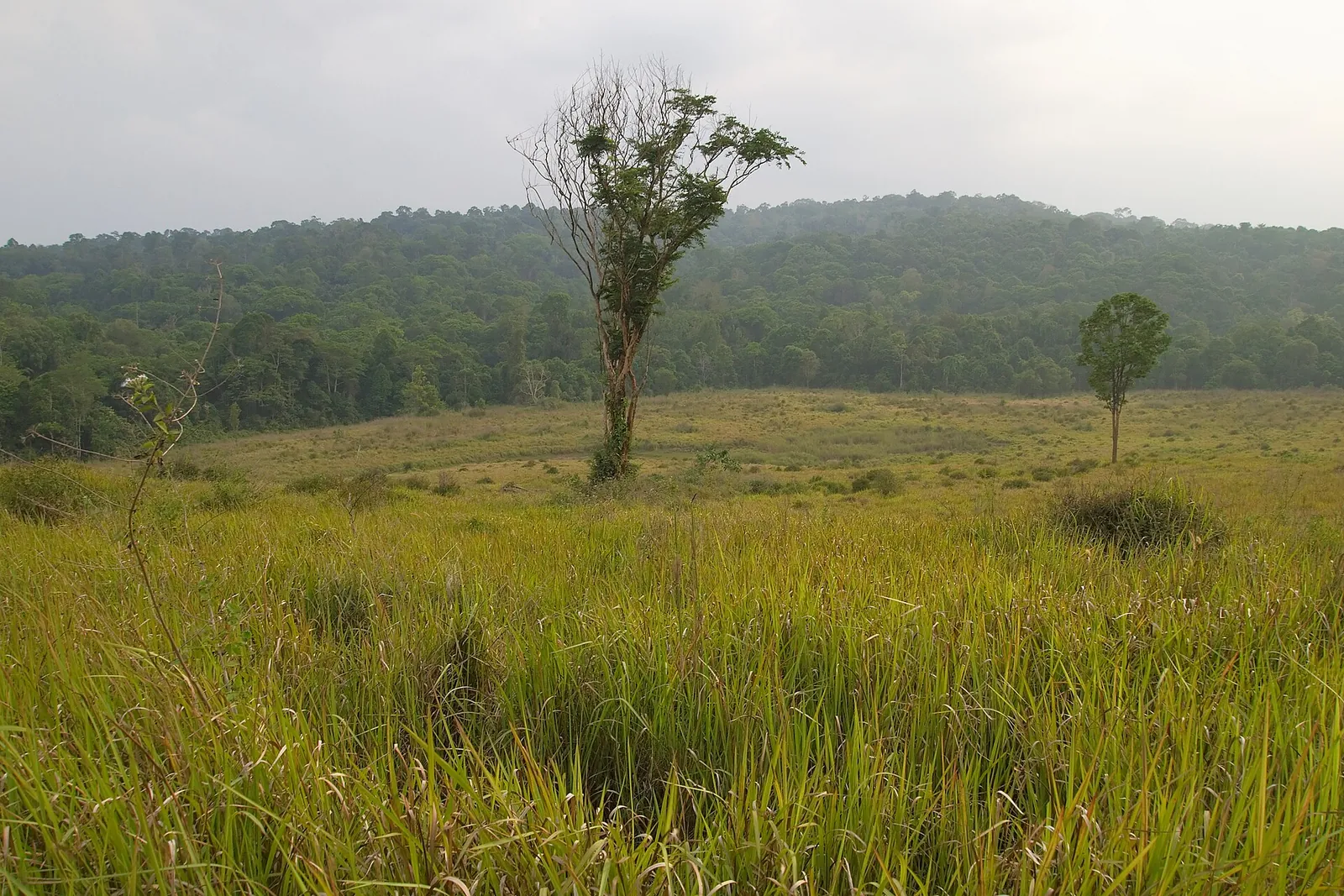
Grassland in Khao Yai National Park.
Photograph: Vyacheslav Argenberg — opens in a new tab · CC BY 4.0 — opens in a new tab
Changes: Resized and converted to WebP; displayed with responsive crops. · Original photograph and licence details ↗ — opens in a new tab
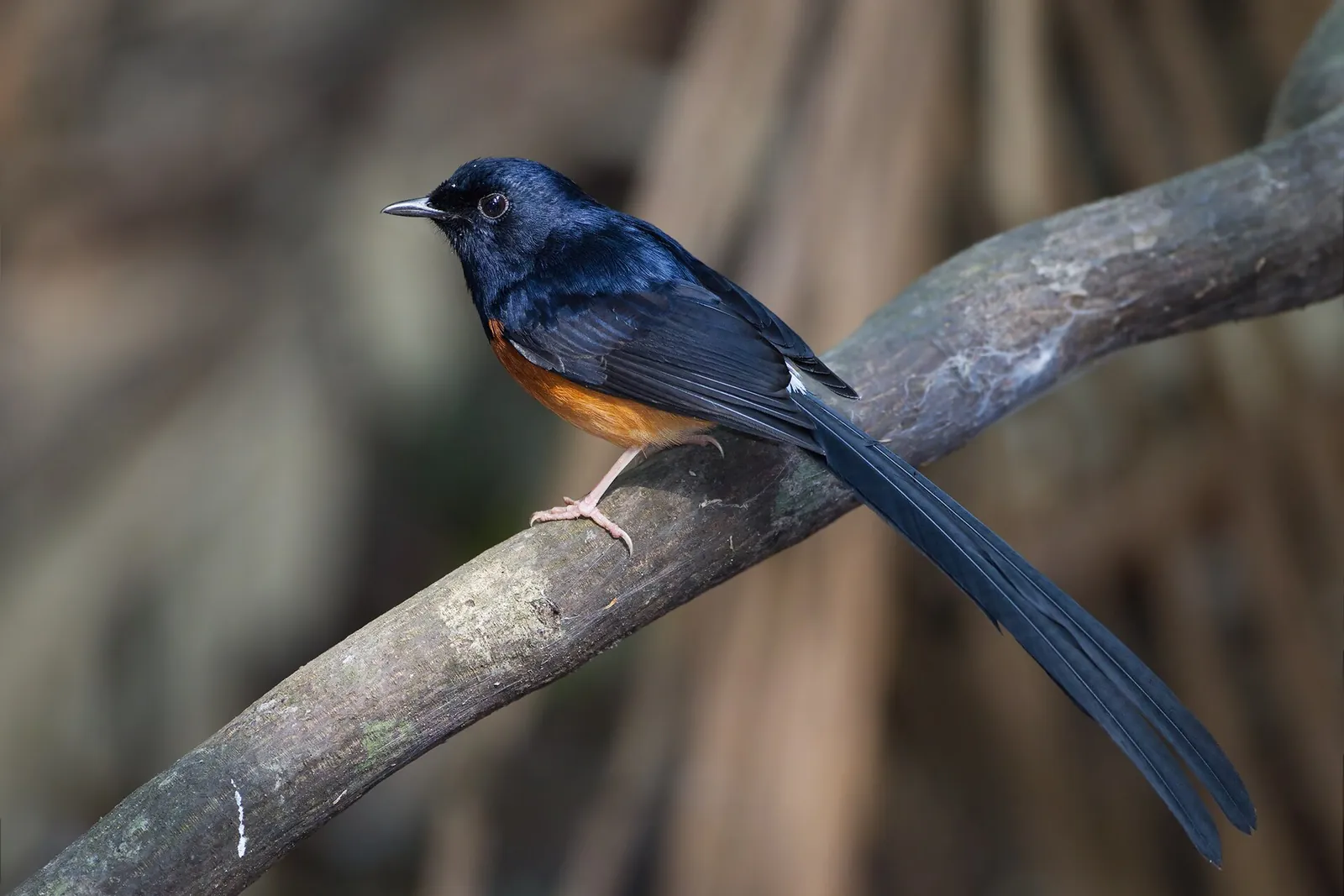
A white-rumped shama, one of Khao Yai's many birds.
Photograph: JJ Harrison ( https://www.jjharrison.com.au/ ) — opens in a new tab · CC BY-SA 3.0 — opens in a new tab
Changes: Resized and converted to WebP; displayed with responsive crops. · Original photograph and licence details ↗ — opens in a new tab
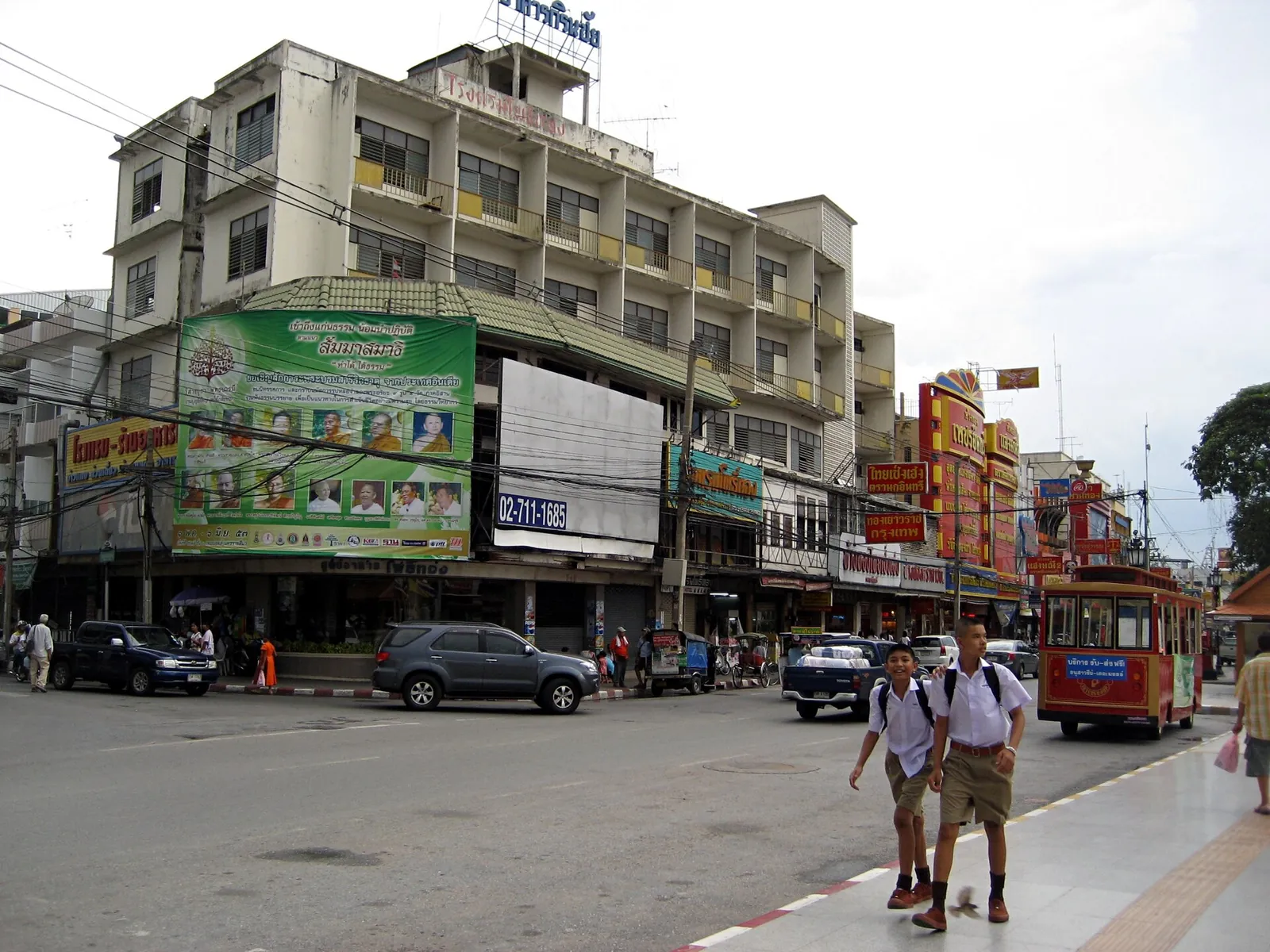
Downtown Nakhon Ratchasima.
Photograph: Khaosaming — opens in a new tab · CC BY-SA 3.0 — opens in a new tab
Changes: Resized and converted to WebP; displayed with responsive crops. · Original photograph and licence details ↗ — opens in a new tab