Taipei and the North · Taipei City
Wanhua travel guide: Longshan Temple, Bopiliao and evening food
Wanhua comes into focus through the life around its temples. Longshan’s worshippers, the shops nearby and Bopiliao’s preserved brick streets belong to one neighbourhood. A day that begins with the temple and ends over food lets the older quarter unfold without turning its religious places into a checklist.
- Suggested time
- 1 day; a half-day for Longshan Temple and nearby streets
- Where to stay
- Around Longshan Temple for the older quarter; Ximen for a wider central Taipei stay
- Season and timing
- Choose a day that fits Bopiliao’s current visitor arrangements. Plan breaks on an outdoor walking day, and leave the evening food visit flexible if weather disrupts the route.
The short answer
Spend a day in Wanhua from a Longshan Temple or Ximen base, pairing the temple with Bopiliao’s historic streets before dinner around Huaxi Street. Leave room for worshippers and a proper lunch, and add Qingshan Temple only if you want a longer neighbourhood walk. Check Bopiliao’s current opening arrangements before choosing your day. For a shorter visit, concentrate on Longshan and the adjacent streets rather than rushing several temples and an evening market into one brief stop.
Choose a base around the kind of evening you want
A hotel near Longshan Temple keeps the older quarter at the centre of the stay. Check the walk to the metro station and the actual street around your accommodation, since Wanhua covers more than the temple precinct. This base suits a visit in which the surrounding lanes and local food matter more than spending every evening in another part of Taipei.
Ximen offers another Wanhua base for a broader city trip, while a hotel elsewhere in central Taipei can serve this single-day visit just as well. Keep the temple and Bopiliao together, then decide whether dinner belongs around Huaxi Street or back near your hotel. Changing accommodation for a short neighbourhood outing usually adds more luggage handling than useful sightseeing time.
Visit Longshan as a living temple
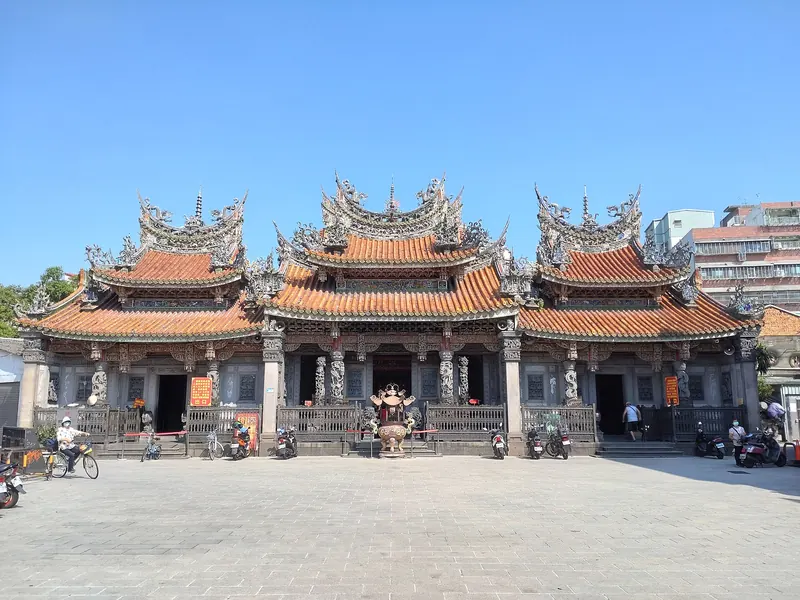
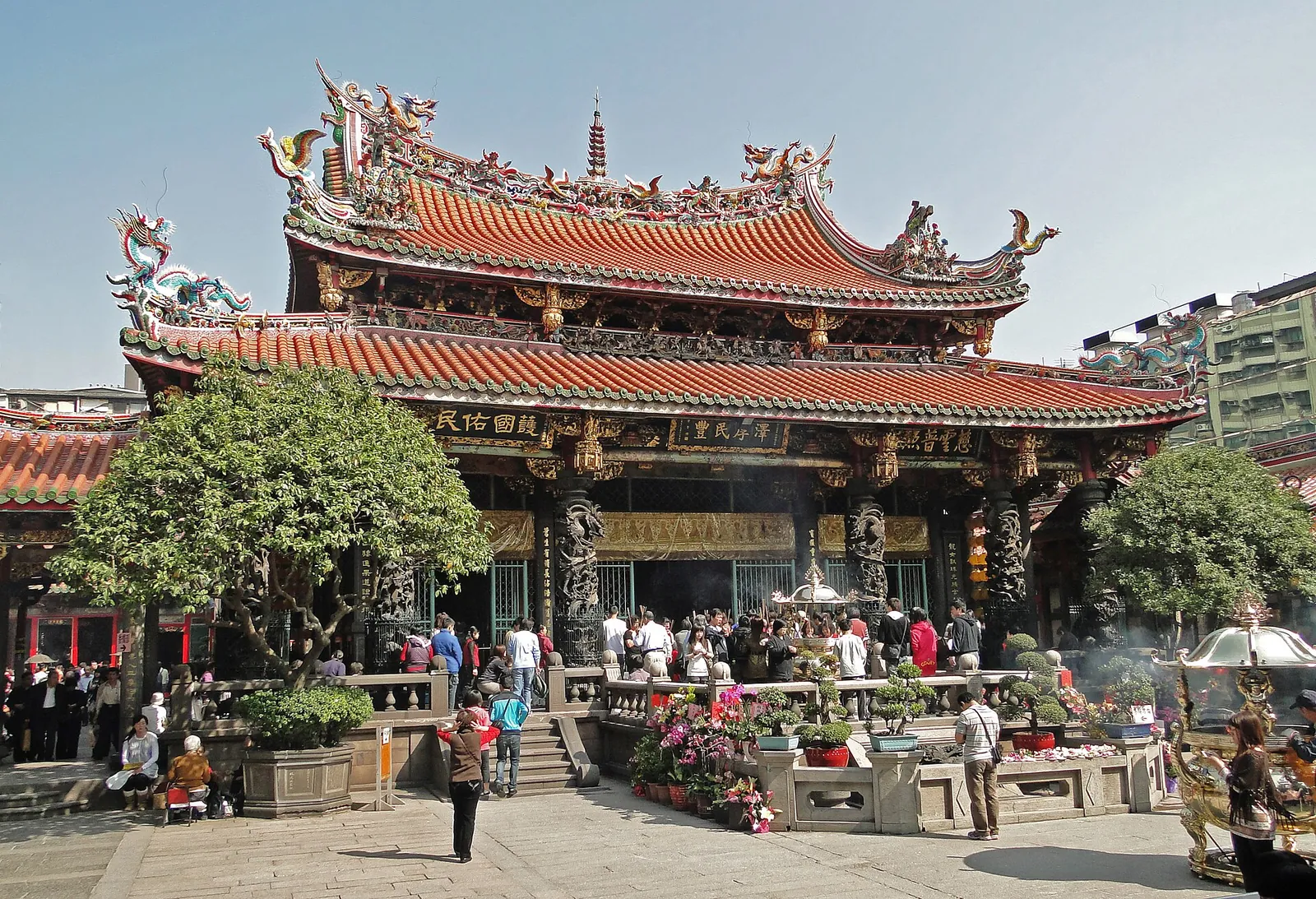
Longshan Temple, also written Lungshan, brings Buddhist and Taoist worship into one richly decorated compound. The national tourism account highlights Guanyin and the carved architectural details; the most revealing part of a visit may be the movement of people between the halls rather than one photograph of the main building. Arrive without a tight sequence of other religious stops so that you can pause and observe.
Let worshippers pass, keep conversations quiet and avoid aiming a camera closely at someone praying. Follow the site’s current guidance about where visitors may enter and photograph. If you want an explanation of the deities, offerings or local history, a neighbourhood guide can provide context, but do not copy rituals simply to create a travel photograph. The streets outside, with religious wares and everyday businesses, are part of the visit too.
Make time for the local food
What to eat and where to look
Thick squid soup
Squid soup is one of the dishes named in Taipei’s official account of Huaxi Street; the thickened style offers a different texture from a clear noodle broth.
- Where to look
- Current menus in the Huaxi Street and adjoining food-street area.
- Fit it into your day
- Try a smaller bowl early in the evening so there is room for another dish.
Contains squid; ask about the broth and thickener rather than assuming the recipe is the same at every stall.
Oyster omelette
Oysters, egg, greens and starch are pan-fried together and topped with sauce; the balance between a soft centre and browned edges varies by cook.
- Where to look
- Stalls in the Huaxi Street food area advertising the dish.
- Fit it into your day
- Share one during an evening of several small dishes.
Contains shellfish and egg; check sauces and preparation if you have an allergy.
Danzai noodles
This Tainan-origin noodle dish is served in a small bowl; the tourism administration describes oil noodles and bean sprouts, often with meat or a soy-braised egg.
- Where to look
- Noodle-shop menus in the Huaxi Street area; verify what the current kitchen serves.
- Fit it into your day
- A small noodle bowl can anchor dinner before a second snack nearby.
Toppings and broth vary and may contain meat or egg; do not assume a vegetarian version is available.
Move from the temple into Bopiliao’s street history
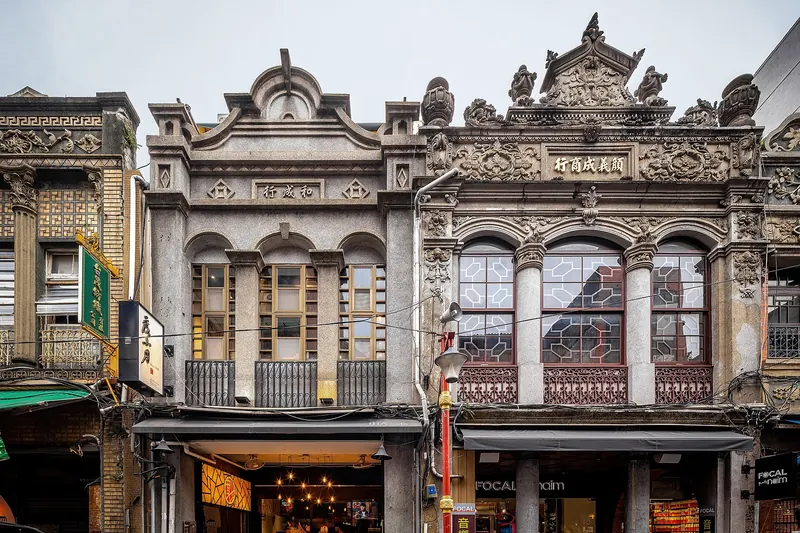
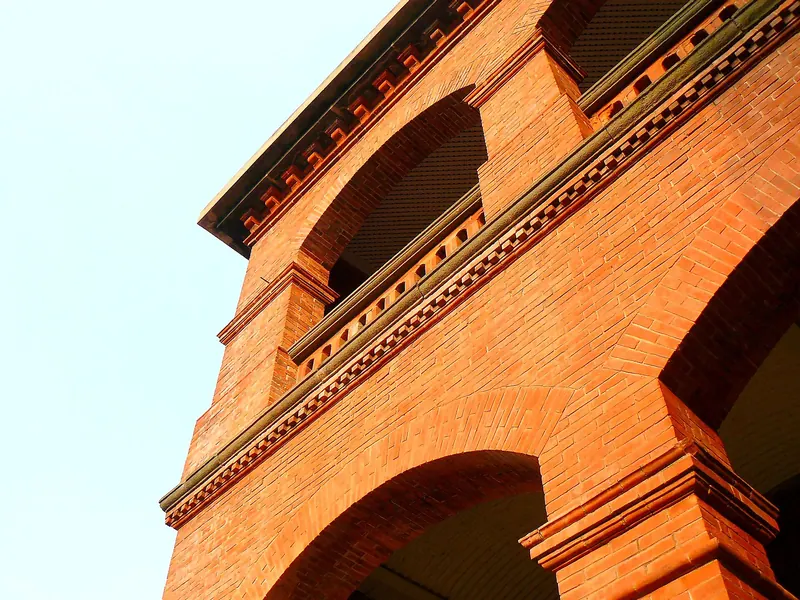
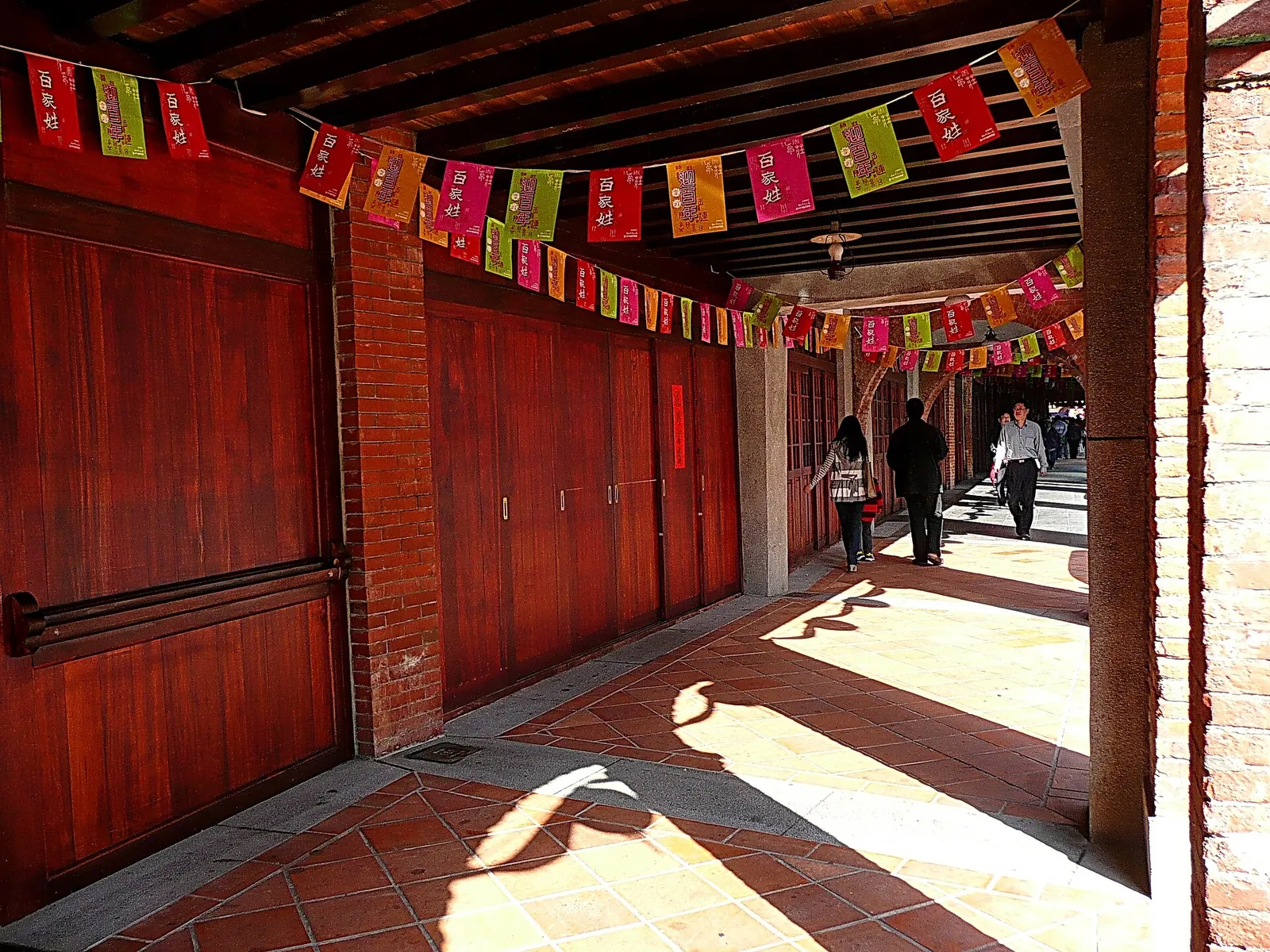
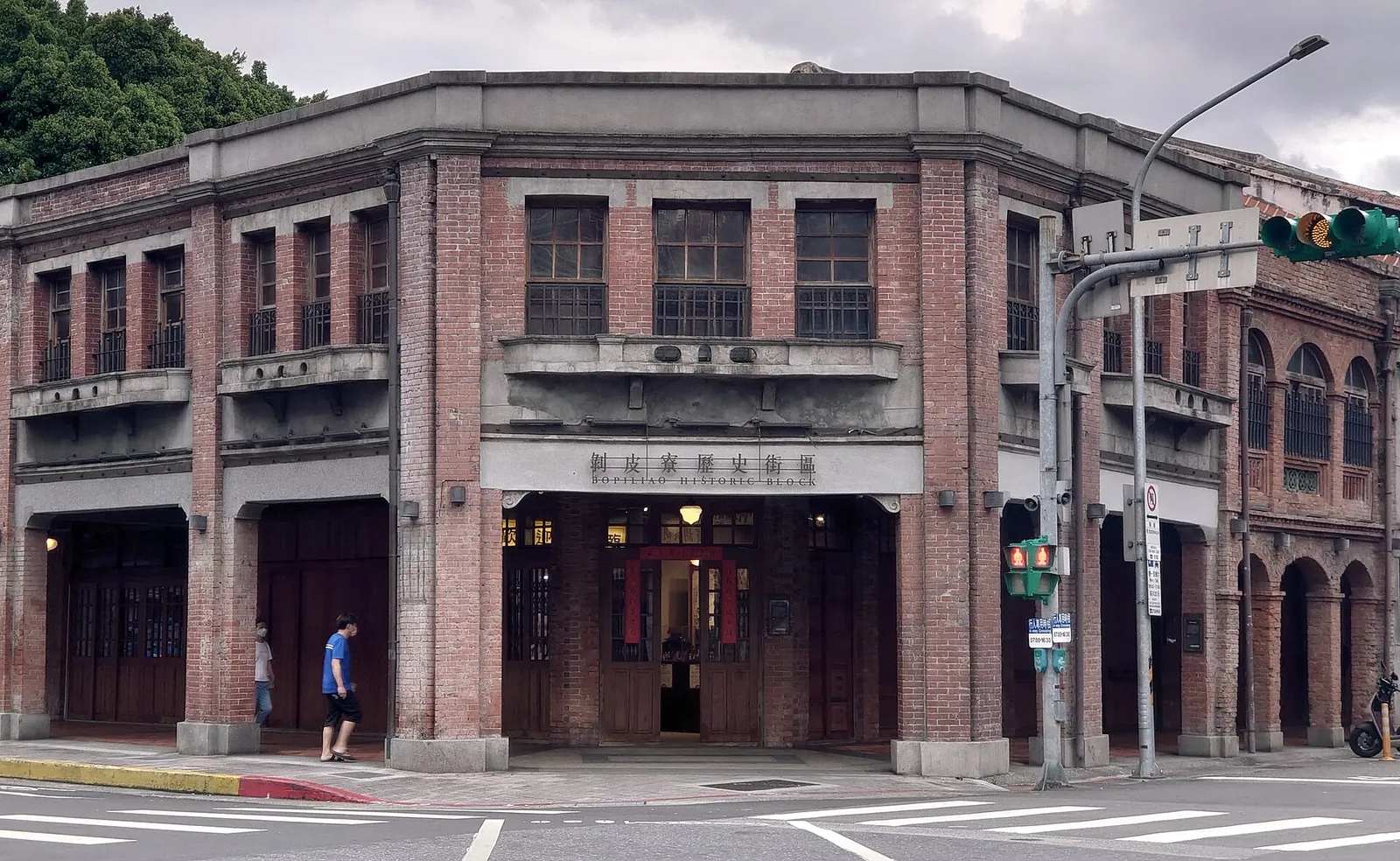
Bopiliao preserves a group of streets and buildings shaped by different periods of Taipei’s history. Brick fronts, arcades and old shop-house forms make it a good counterpoint to the active temple: here the physical setting helps explain how the neighbourhood changed. Give the buildings and any open displays time rather than walking straight through solely to reach the next stop.
The historic area and its education centre do not share an assumed all-day, every-day opening promise. Check the current visitor information before making an exhibition central to the trip. If the indoor spaces are unavailable, adjust the day rather than relying on admission that has not been confirmed. Qingshan Temple offers a further religious stop for those interested in the district’s traditions, but is an extension, not a requirement for understanding Bopiliao.
Keep the Huaxi Street visit for an evening meal
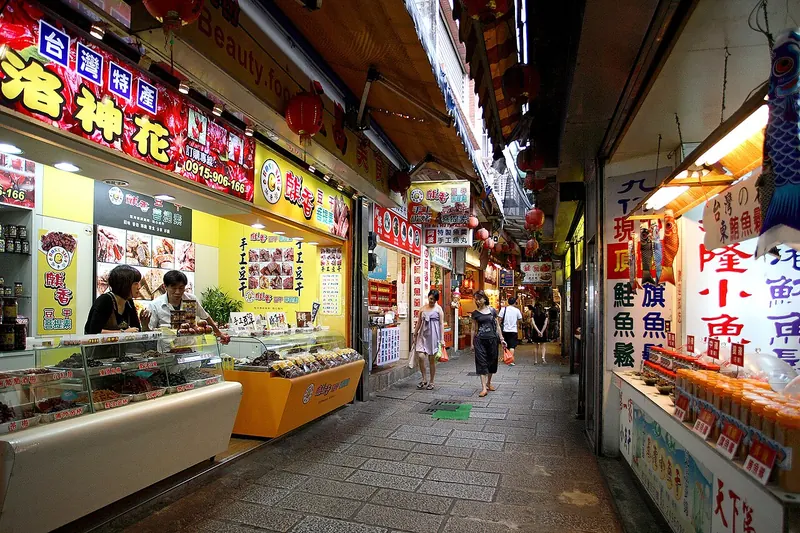
The tourism administration describes Huaxi Street together with the food streets around Guangzhou, Wuzhou and Xichang. This gives the temple neighbourhood an evening continuation without another long cross-city journey. Look at what is actually being cooked, choose a small dish first and leave room for a second stop instead of committing to a large meal at the first counter.
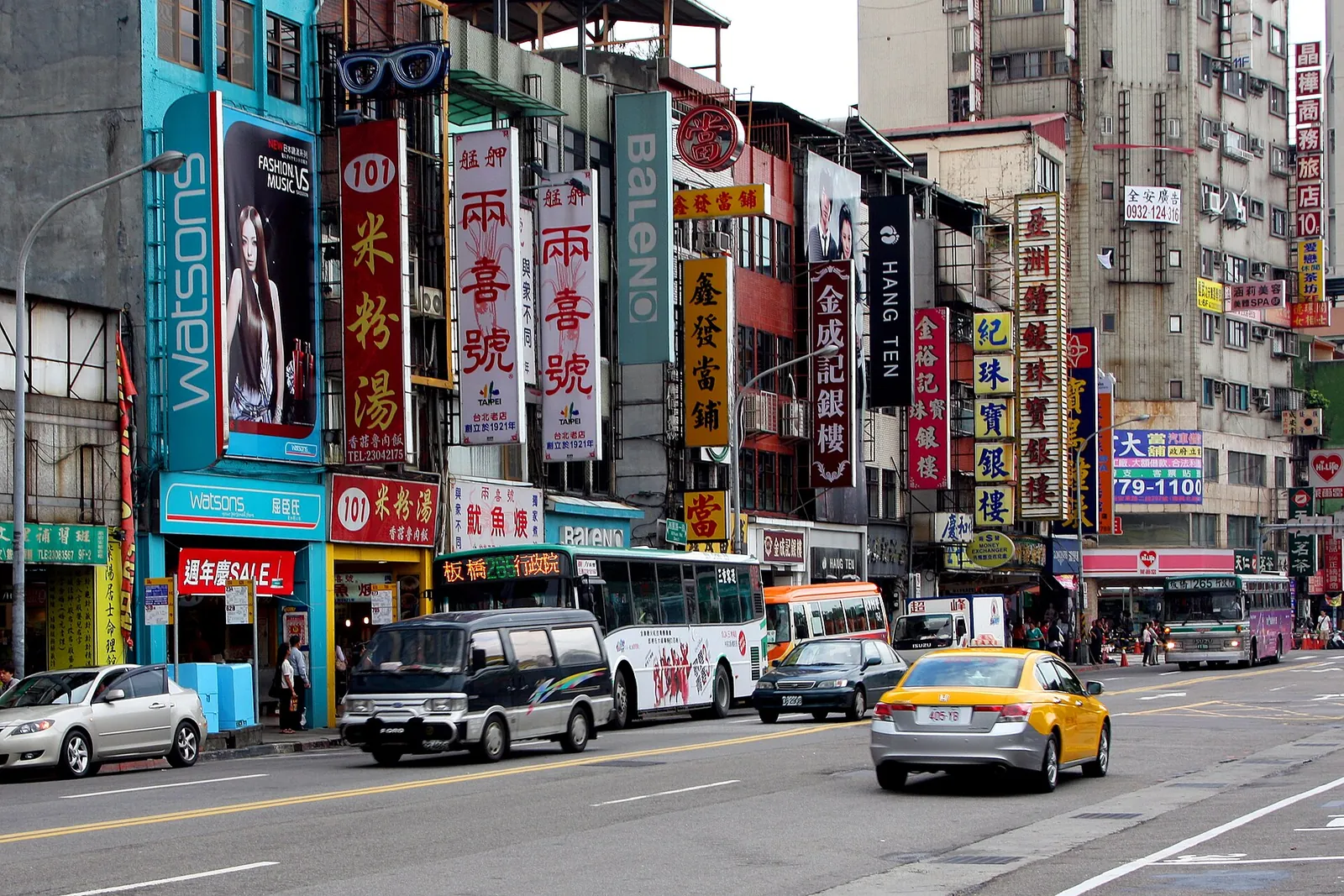
Official tourism accounts identify dishes such as thick squid soup, oyster omelettes and danzai noodles in this food area. The attraction is the chance to eat within the neighbourhood you have been exploring, rather than a promise that every named dish or old establishment will still be available. Check a current menu and ask about ingredients; photographs of market streets show their setting, not a verified list of today’s vendors.
Practical questions
How long should I allow for Wanhua?
A day gives Longshan Temple, Bopiliao and an evening meal an unhurried rhythm. For a half-day, keep to Longshan and nearby streets rather than promising both museum displays and a night-market dinner.
Are Longshan and Lungshan the same temple?
Yes. Both spellings refer to the temple on Guangzhou Street in Wanhua. Use the address and the current metro map to avoid confusing it with a temple of the same name elsewhere.
Can I photograph people worshipping?
Treat the temple as an active place of worship. Avoid close photographs of people praying, leave space for worshippers and follow the site’s current photography guidance.
Is Bopiliao always open?
Do not assume the historic area’s indoor visitor spaces are open every day. Check the current official information before choosing your day, especially if the education centre or an exhibition is the reason for visiting.
Sources and checks before you travel
Reference sources for the version dated 8 October 2026. Confirm opening times, access, transport and conditions for your travel dates.
- Taiwan Tourism Administration: Lungshan Temple ↗ — opens in a new tab
- Taiwan Tourism Administration: Bopiliao Old Street ↗ — opens in a new tab
- Taiwan Tourism Administration: Huaxi Street Tourist Night Market ↗ — opens in a new tab
- Taipei Travel: Huaxi Street Tourist Night Market ↗ — opens in a new tab
- Taipei Travel: Bopiliao education centre ↗ — opens in a new tab
- Taipei Travel: Qingshan Temple ↗ — opens in a new tab
- Taiwan Tourism Administration: Taiwan Snacks ↗ — opens in a new tab
- Taoyuan Metro: Airport MRT route ↗ — opens in a new tab
- Taipei Metro: route map and timetables ↗ — opens in a new tab
Does this experience fit your route?
Choose a temple walk for cultural context, and confirm its actual stops rather than assuming it covers the full Wanhua day.
Check dates and details on Viator ↗ — opens in a new tabAffiliate link · Book with ViatorPhoto credits
Longshan Temple remains an active place of worship in Wanhua.
Photograph: Bernard Gagnon — opens in a new tab · CC BY-SA 3.0 — opens in a new tab
Changes: Resized and converted to WebP; displayed with responsive crops. · Original photograph and licence details ↗ — opens in a new tab
Bopiliao’s historic shop-house forms add context to the neighbourhood walk.
Photograph: lienyuan lee — opens in a new tab · CC BY 3.0 — opens in a new tab
Changes: Resized and converted to WebP; displayed with responsive crops. · Original photograph and licence details ↗ — opens in a new tab
Preserved street buildings in the Bopiliao historic area.
Photograph: Yu tptw — opens in a new tab · CC BY-SA 4.0 — opens in a new tab
Changes: Resized and converted to WebP; displayed with responsive crops. · Original photograph and licence details ↗ — opens in a new tab
Xiyuan Road photographed in 2009; individual businesses may have changed.
Photograph: AngMoKio — opens in a new tab · CC BY-SA 3.0 — opens in a new tab
Changes: Resized and converted to WebP; displayed with responsive crops. · Original photograph and licence details ↗ — opens in a new tab