Plan your trip · Taiwan
Taiwan travel safety: emergency calls and route checks
A practical Taiwan safety plan begins with the first hotel and a phone that can make a call. From there, the city day, coast and mountains each need their own checks. A reassuring photograph cannot tell you whether a trail is open or a boat is running, while a working map connection does not prove voice calling works. Keeping those questions separate leaves more room for the trip itself.
- Suggested time
- Two arrival nights in Taipei, with safety and access checks repeated for each later destination
- Where to stay
- An actual central Taipei hotel, followed by confirmed properties and transfers for the chosen regional route
- Season and timing
- Use current Central Weather Administration forecasts and warnings for the actual county, coast or mountain route. A general seasonal description does not establish safe access on the day.
The short answer
Keep your first two nights in a central Taipei hotel: confirm arrival transport and emergency calling, then check weather and the exact access rules before each coastal or mountain outing. Taiwan’s national tips page lists police 110 and fire or ambulance 119, but also warns that phones and SIMs without VoLTE cannot make calls after the 3G shutdown, including emergency calls. Save the hotel address and use current official notices for the day’s route. Mountain permits and a park reopening notice have specific scopes; neither is blanket permission to enter every attraction. A city meal and walk remain useful alternatives when an outing changes.
Give the arrival room and emergency calls a clear place in the plan
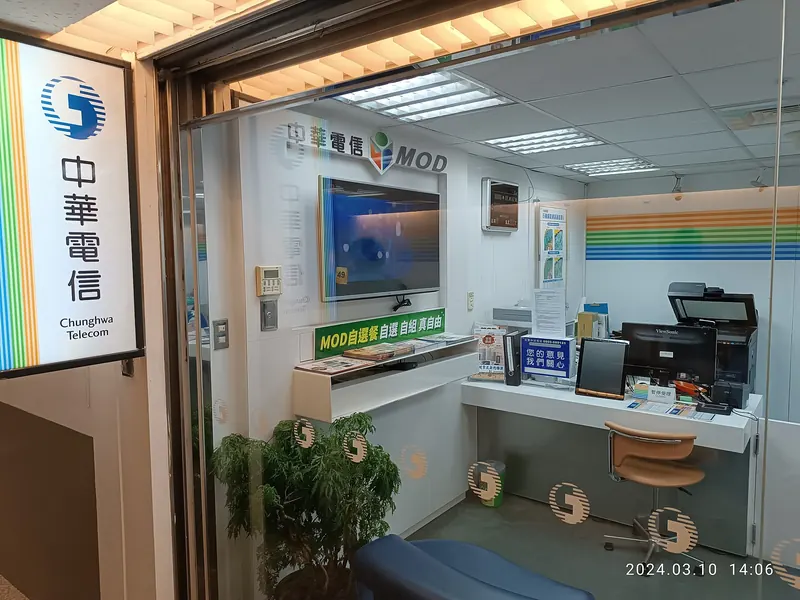
A central Taipei room makes the first evening simpler when its address and airport connection are already settled. The national tips page lists 110 for police, 119 for fire and ambulance, and 112 as an emergency number. Its telecommunications warning matters just as much: Taiwan shut down3G on June 30, 2024, and phones or SIMs without 4G voice, or VoLTE, cannot make calls, including those emergency numbers. Check the actual phone and service with the operator before relying on them, and keep the hotel address available offline.
Use the forecast for the actual coast, rather than an island-wide impression
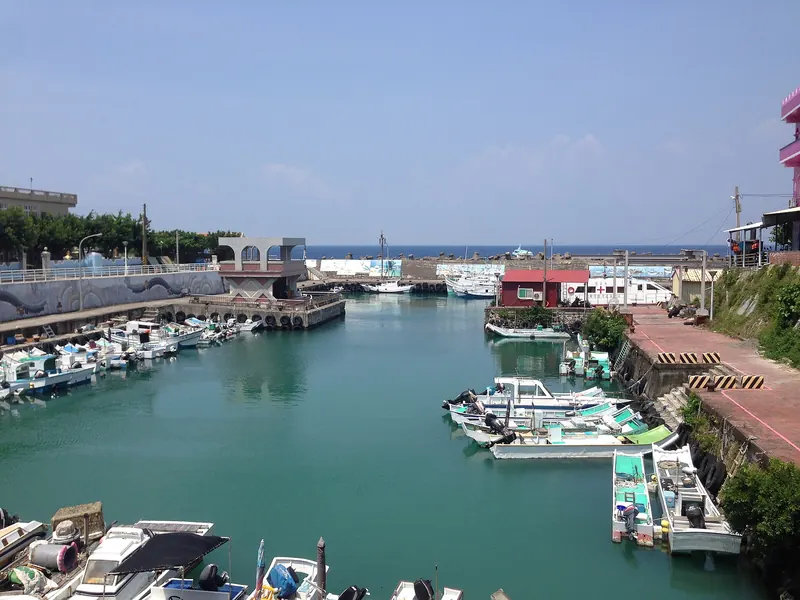
The Central Weather Administration provides county and township forecasts alongside severe-weather, typhoon, swell and marine information. That gives a coastal day a more useful starting point than yesterday’s sunny city weather. Compare the current notices with the exact shore and the operator of any booked boat or water activity. A favourable forecast is one part of the decision, while access restrictions and the operator’s actual arrangements remain separate. When those do not fit, a city walk and a seated meal can give the day a satisfying shape.

Make time for the local food
What to eat and where to look
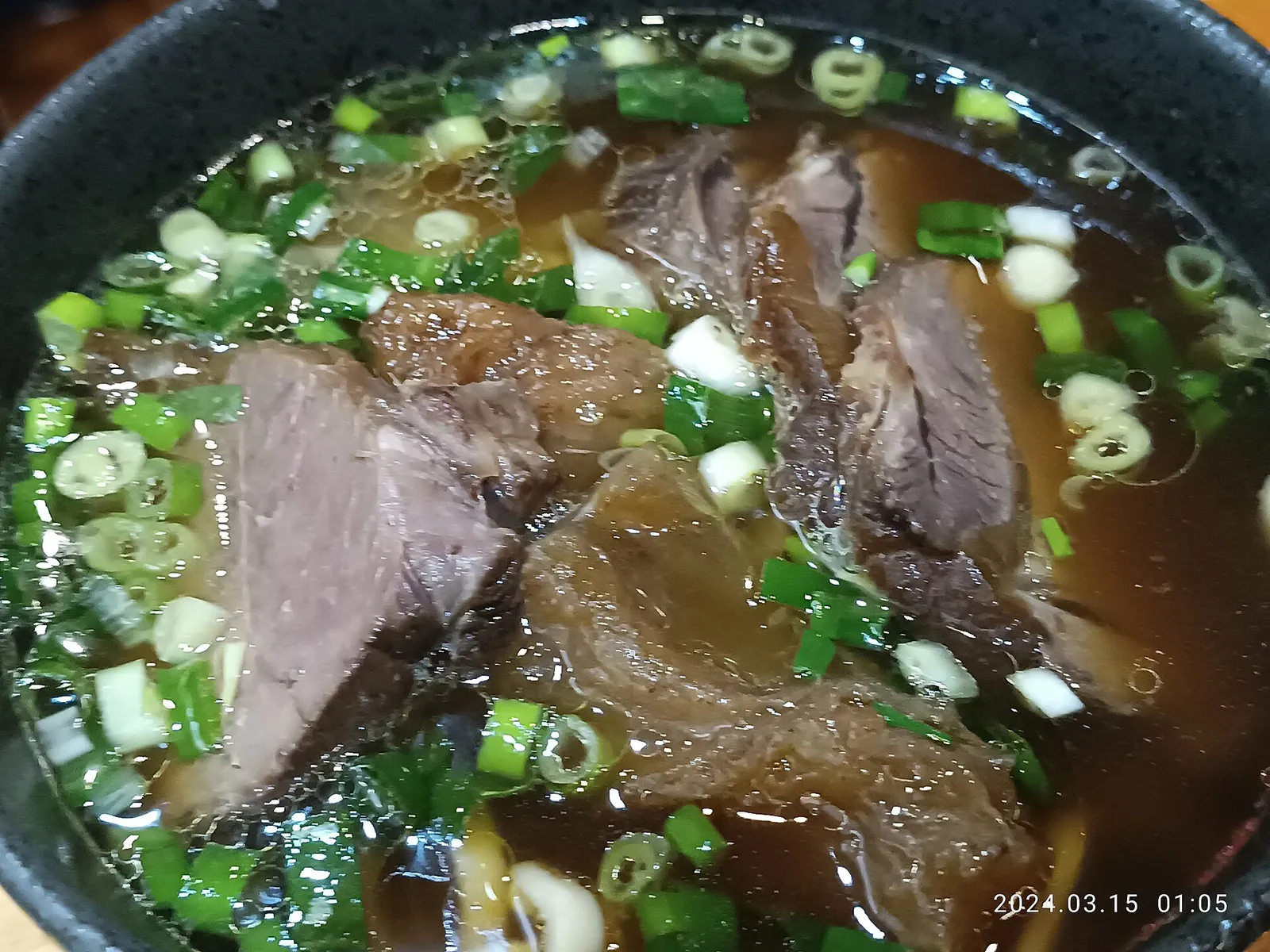
Beef noodle soup
The national snack guide describes beef and noodles in broth, including a preparation beginning with spicy bean paste. Each kitchen has its own recipe.
- Where to look
- A current noodle-shop menu near the chosen Taipei hotel, with the dish and ingredients explained.
- Fit it into your day
- Give the arrival evening a seated bowl and time to settle in rather than a hurried chain of food stops.
Contains beef; ask about wheat, soy, spice, broth and shared preparation when dietary restrictions matter.
Pepper bun
The national snack guide describes pork and green onions inside an oven-baked bun with pepper, herbs and sesame. Actual shop versions can differ.
- Where to look
- A current bakery or snack stall near the day’s city route; check the filling before ordering.
- Fit it into your day
- Let a smaller snack accompany a walking break instead of replacing the evening meal at the hotel base.
Ask about pork, wheat, sesame, seasoning and shared preparation, especially when avoiding meat or allergens.
Oyster omelette
The national guide describes oysters, potato starch, tapioca, eggs and leafy vegetables skillet-fried and served with sweet-and-sour sauce.
- Where to look
- A current Taipei market or restaurant menu listing the actual preparation.
- Fit it into your day
- Make a seated order part of the neighbourhood meal once the day’s transport and phone arrangements are settled.
Contains oysters, which are molluscs, and eggs in the cited recipe. Confirm sauces, starches and shared cooking surfaces.
Separate mountain permission from a route that is actually open
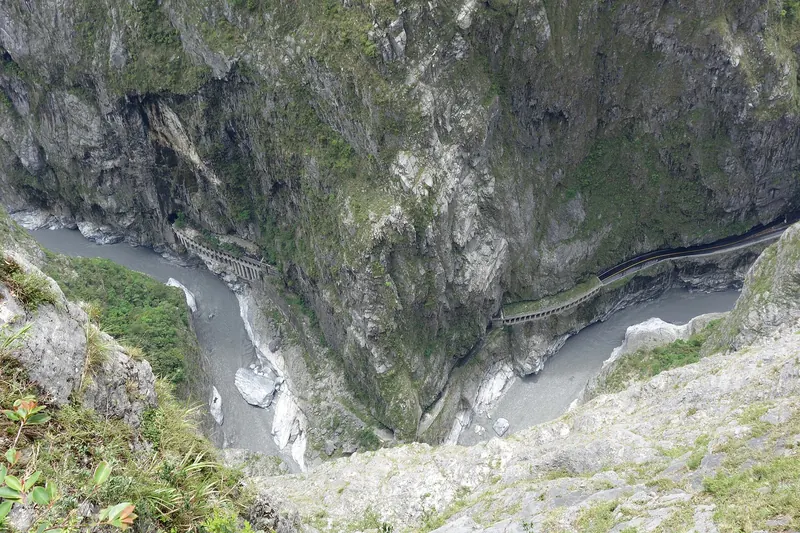
Taiwan’s national tips page directs foreign hikers to the relevant entrance-permit process for restricted mountain areas. Taroko shows why permission and route status must be read together: the park notice dated 2026-08-28 reopened ecological-protection-area routes from 2026-08-29, while leaving Mt. Qingshui and Zhuilu Old Road reopening unannounced. It names no list of reopened routes and warns about loose soil and landslides after heavy rain. Check the exact route, approach road and permits with the responsible authority; that notice does not establish general gorge sightseeing access.
Let the hotel, meal and next journey support each other
The useful safety preparation is concrete: a real room, a confirmed arrival contact and a return journey that does not depend on an assumed last service. From Taoyuan, the Airport MRT map reaches Taipei Main Station, with the city connection still to arrange. After settling in, a seated noodle meal gives the evening a gentler rhythm. Ask the kitchen about the actual ingredients rather than treating a familiar dish name as dietary assurance. Before a regional outing, revisit the property address, transport and current access notice together.
Practical questions
Which emergency numbers does the official Taiwan guide list?
It lists 110 for police, 119 for fire and ambulance, and 112 as an emergency number. Confirm that the actual phone and mobile service support VoLTE; the same guide warns that an incompatible phone or SIM cannot make these calls after the 3G shutdown.
Does mobile internet prove my phone can make emergency calls?
No. The national warning specifically concerns4G voice, or VoLTE, on the phone and SIM service. Ask the operator to verify the calling setup instead of treating a successful map download as a calling test.
Does the Taroko ecological-area notice reopen every gorge attraction?
No. The notice has a specific ecological-protection-area scope and leaves Mt. Qingshui and Zhuilu Old Road reopening unannounced. Check the exact route and its permits and approach roads; it does not establish a general sightseeing circuit.
Where should I check the weather before a coast or mountain day?
Use the Central Weather Administration’s current forecasts and relevant warnings for the actual destination. Compare those with the responsible site authority and any booked operator’s access or cancellation arrangements.
Sources and checks before you travel
Reference sources for the version dated 8 October 2026. Confirm opening times, access, transport and conditions for your travel dates.
- Taiwan Tourism Administration: Useful Tips ↗ — opens in a new tab
- Central Weather Administration: official forecasts and warnings ↗ — opens in a new tab
- Taroko National Park Headquarters: ecological-area reopening notice ↗ — opens in a new tab
- Taiwan Tourism Administration: Taiwan Snacks ↗ — opens in a new tab
- Taoyuan Metro: Airport MRT route map ↗ — opens in a new tab
Does this experience fit your route?
For an arranged airport arrival, confirm the meeting point, contact method and actual hotel address before booking.
Check dates and details on Viator ↗ — opens in a new tabAffiliate link · Book with ViatorPhoto credits
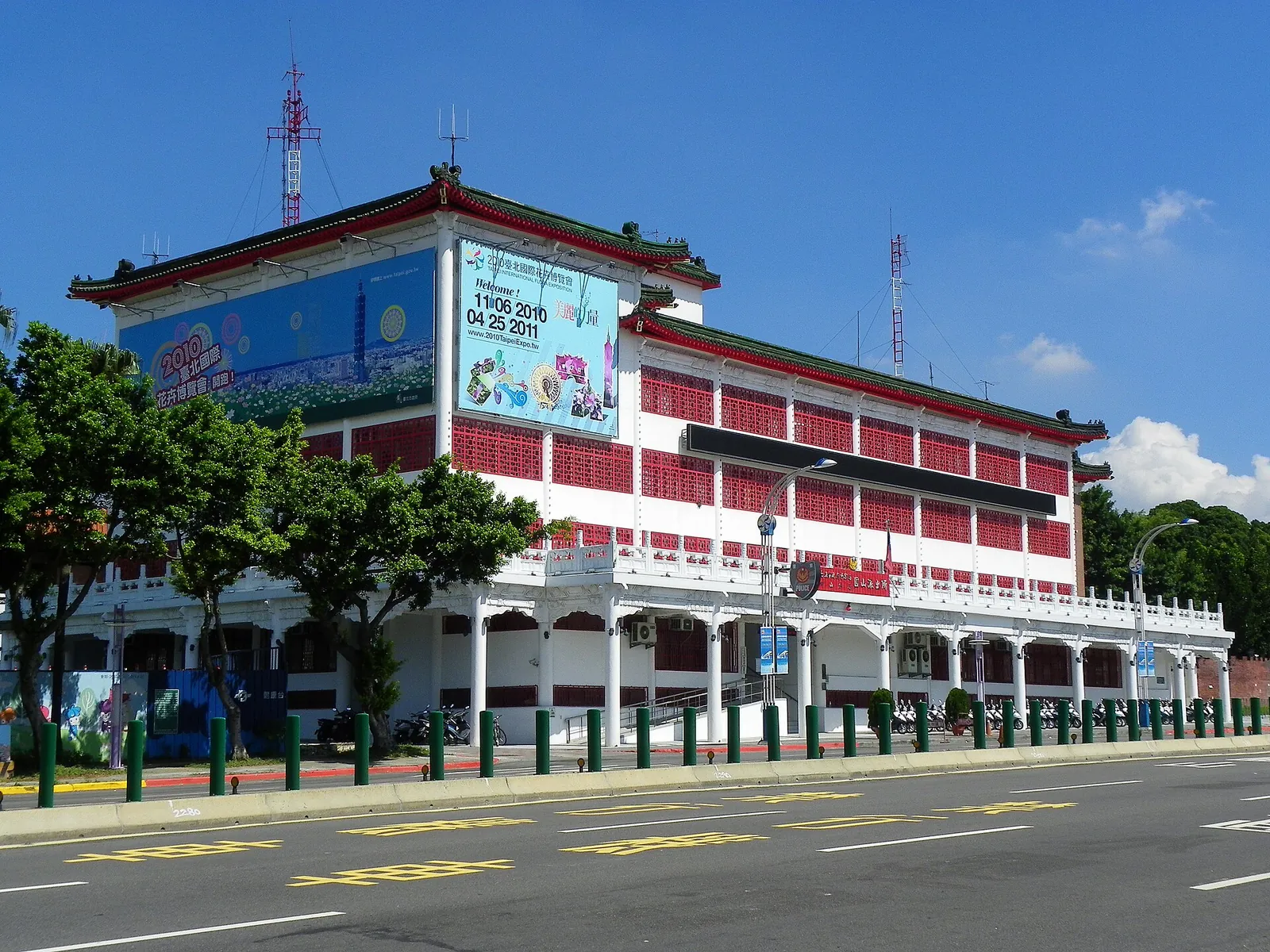
An archival 2010 Taipei view; it does not establish current police-station visiting hours or services.
Photograph: 玄史生 — opens in a new tab · Public domain — opens in a new tab
Changes: Resized and converted to WebP; displayed with responsive crops. · Original photograph and licence details ↗ — opens in a new tab
A November 2024 ambulance photograph; the national guide lists 119 for fire and ambulance emergencies.
Photograph: Junyu-K — opens in a new tab · CC BY-SA 4.0 — opens in a new tab
Changes: Resized and converted to WebP; displayed with responsive crops. · Original photograph and licence details ↗ — opens in a new tab
An archival March 2024 Taipei bowl; ask the actual kitchen about ingredients and shared preparation.
Photograph: Ounfs Robmmy 238 — opens in a new tab · CC0 — opens in a new tab
Changes: Resized and converted to WebP; displayed with responsive crops. · Original photograph and licence details ↗ — opens in a new tab
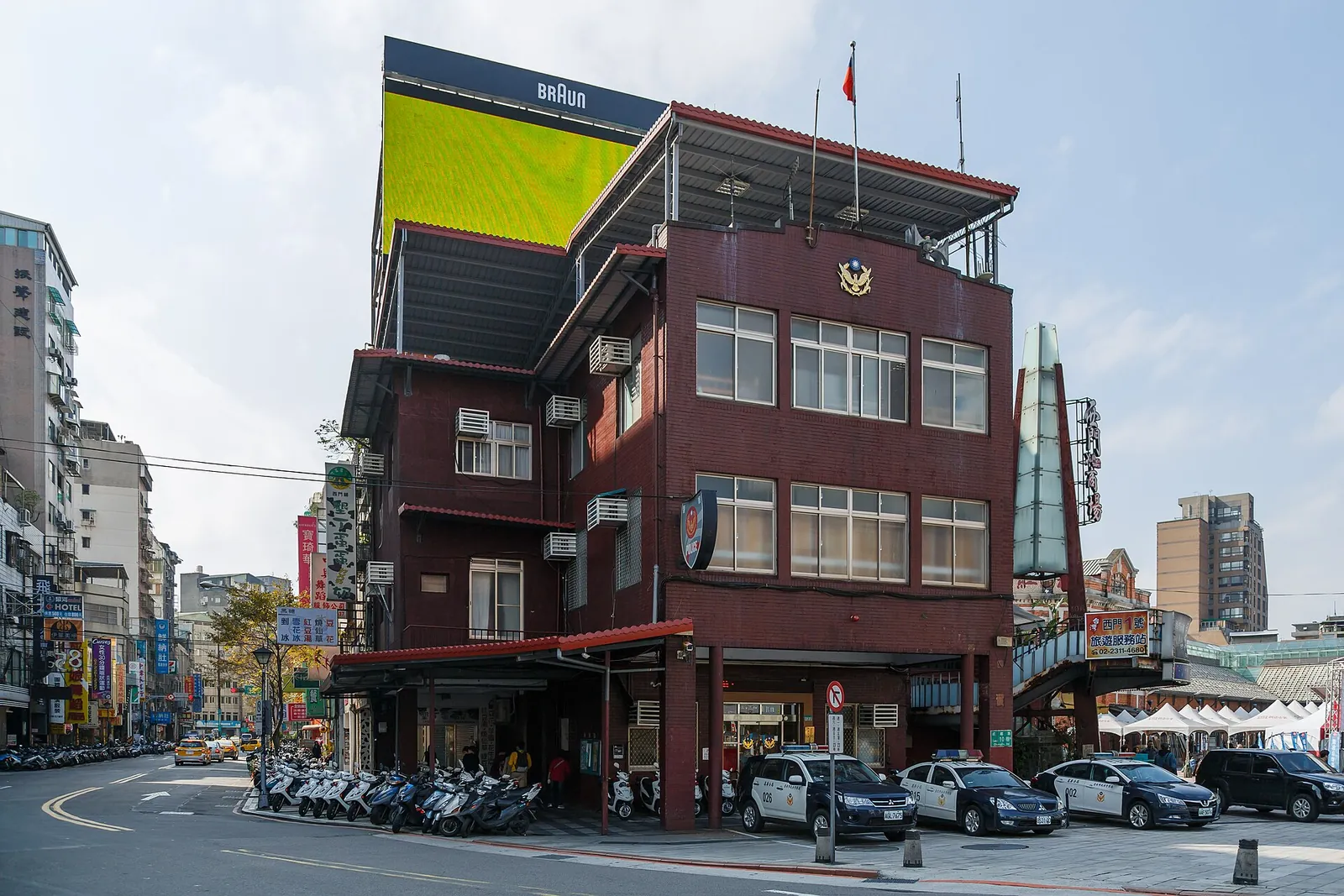
A Taipei police-station exterior; use current official emergency contacts rather than treating a photograph as service information.
Photograph: CEphoto, Uwe Aranas — opens in a new tab · CC BY-SA 3.0 — opens in a new tab
Changes: Resized and converted to WebP; displayed with responsive crops. · Original photograph and licence details ↗ — opens in a new tab