Southern Taiwan · Kaohsiung City
Maolin guide: winter butterflies, Duona and a Kaohsiung base
Maolin changes the scale of a southern Taiwan trip. Beyond Kaohsiung's harbour, the Zhuokou River bends between wooded slopes, while Duona's slate buildings tell a different story from the city's temples and warehouses. In winter, butterfly watching gives the morning a particular purpose. The reward comes from allowing those places some space, with a transport plan that reaches the villages rather than simply the edge of the scenic area.
- Suggested time
- 1 full day from Kaohsiung; allow a separate day for other parts of the wider Maolin scenic area
- Where to stay
- A Kaohsiung city hotel with a confirmed Maolin return connection; compare the actual departure with Zuoying or the main station
- Season and timing
- The scenic-area authority lists November to March for winter butterfly watching, with December to February the peak. Weather and the butterflies themselves determine sightings.
The short answer
Give Maolin one full day from a Kaohsiung hotel: start with seasonal butterfly watching and the visitor centre, then follow the river scenery to Duona before your confirmed return. The winter gathering is seasonal, not an attraction guaranteed throughout the year, and village visits should respect residents rather than assume access to homes. Arrange the actual bus connections or a road transfer before leaving; reaching Xinwei does not by itself get you to Duona. Keep mountain walks dependent on current weather and access advice.
Settle the return journey before leaving Kaohsiung
A Kaohsiung hotel lets you return to the same bed after a day in the foothills, which is simpler than taking luggage through several bus connections. Choose its location against your actual departure: HSR Zuoying and the downtown Kaohsiung railway station are separate places. A private road transfer can connect the visitor centre and Duona in one agreed outing; make the pickup and return part of the arrangement rather than assuming a vehicle will be waiting in the village.
The scenic-area transport page checked on 2026-10-08 lists H31 from Qishan Bus Transfer Station to Maolin Visitor Center, Dragon Head Mountain and Duona. It lists E25 from Kaohsiung railway station or HSR Zuoying through Xinwei towards Liouguei. These routes serve different parts of the journey: an E25 arrival in Xinwei is not a through ride to Duona. Check the current stops, connection and last usable return before booking the rest of the day.
Let the season shape the butterfly morning
The visitor centre is a useful first stop for understanding Maolin's winter butterflies, Indigenous culture and meandering river landscape. Its current description places the centre at No. 7-7 Maolin Lane and explains the environmental education displays; ask about the day's viewing conditions before committing to a longer walk. An exhibition is also useful when rain or the season makes sightings unlikely, without pretending that it replaces a butterfly-filled valley.
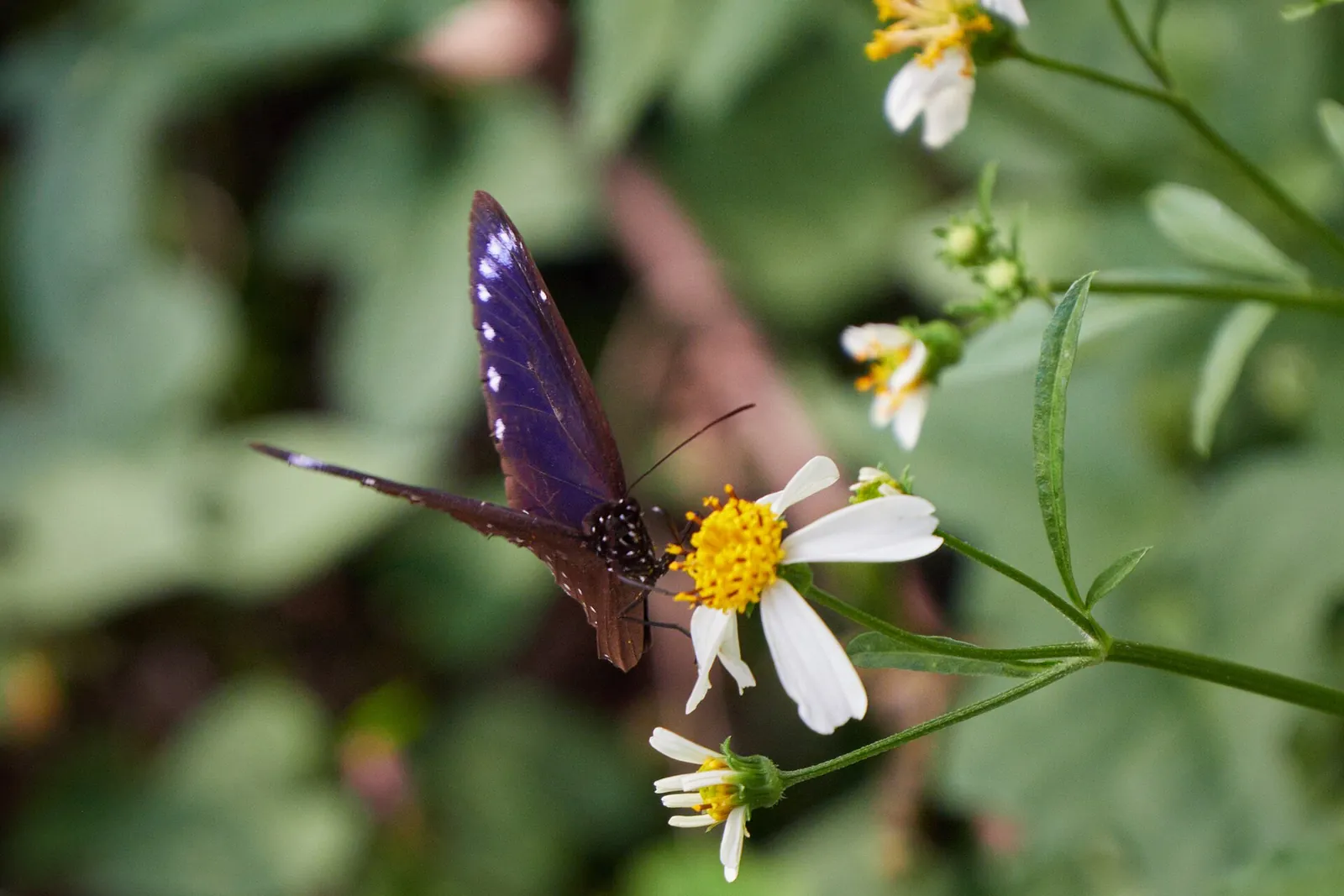
The scenic-area authority gives November to March as the winter viewing season, with December to February the peak, and recommends the Butterfly Walkway and Ecological Park. Use the designated visitor areas and follow guides or signs. Its rules prohibit disturbing butterflies or shaking trees, and some overwintering valleys include private land that visitors must not enter without permission. A photograph from an earlier year cannot establish the size or presence of the current gathering.
Make time for the local food
What to eat and where to look
Cinavu
The scenic-area authority describes golden millet wrapped in leaves with a pork filling, a food associated with Indigenous hospitality and important gatherings.
- Where to look
- Ask local food providers which millet parcels they actually prepare; do not assume a ceremonial offering is a daily restaurant menu.
- Fit it into your day
- Choose a confirmed serving as the savoury part of lunch before the village walk.
Contains pork in the described preparation. Ask about fillings and other ingredients; do not eat the wrapping leaves unless the provider explains their use.
Abai rice cakes
The authority describes abai as an important Rukai and Paiwan festival food, with sweet peanut or sesame fillings and savoury versions containing pork, fish or shrimp.
- Where to look
- Ask Indigenous food providers about the particular preparation and availability rather than treating all wrapped parcels as the same dish.
- Fit it into your day
- A small sweet serving can follow lunch; a savoury one can form part of the meal.
May contain peanuts, sesame, pork, fish or shrimp. Confirm the actual filling before choosing a vegetarian or allergy-sensitive option.
Native mountain tea
The wider scenic-area food guide identifies native mountain tea from the Liouguei and Taoyuan mountain districts, described as having a honey-like character.
- Where to look
- Tea suppliers in Liouguei or Taoyuan, or a shop that can identify the tea it sells; this is a wider-region product, not a claim about every Duona shop.
- Fit it into your day
- Use a tea stop only if it fits the confirmed route, or buy a named product for a later pause at your Kaohsiung base.
Ask what is in any prepared drink and whether it includes milk or sweeteners; do not treat tea as a medical remedy.
Follow the river to Duona without intruding on village life
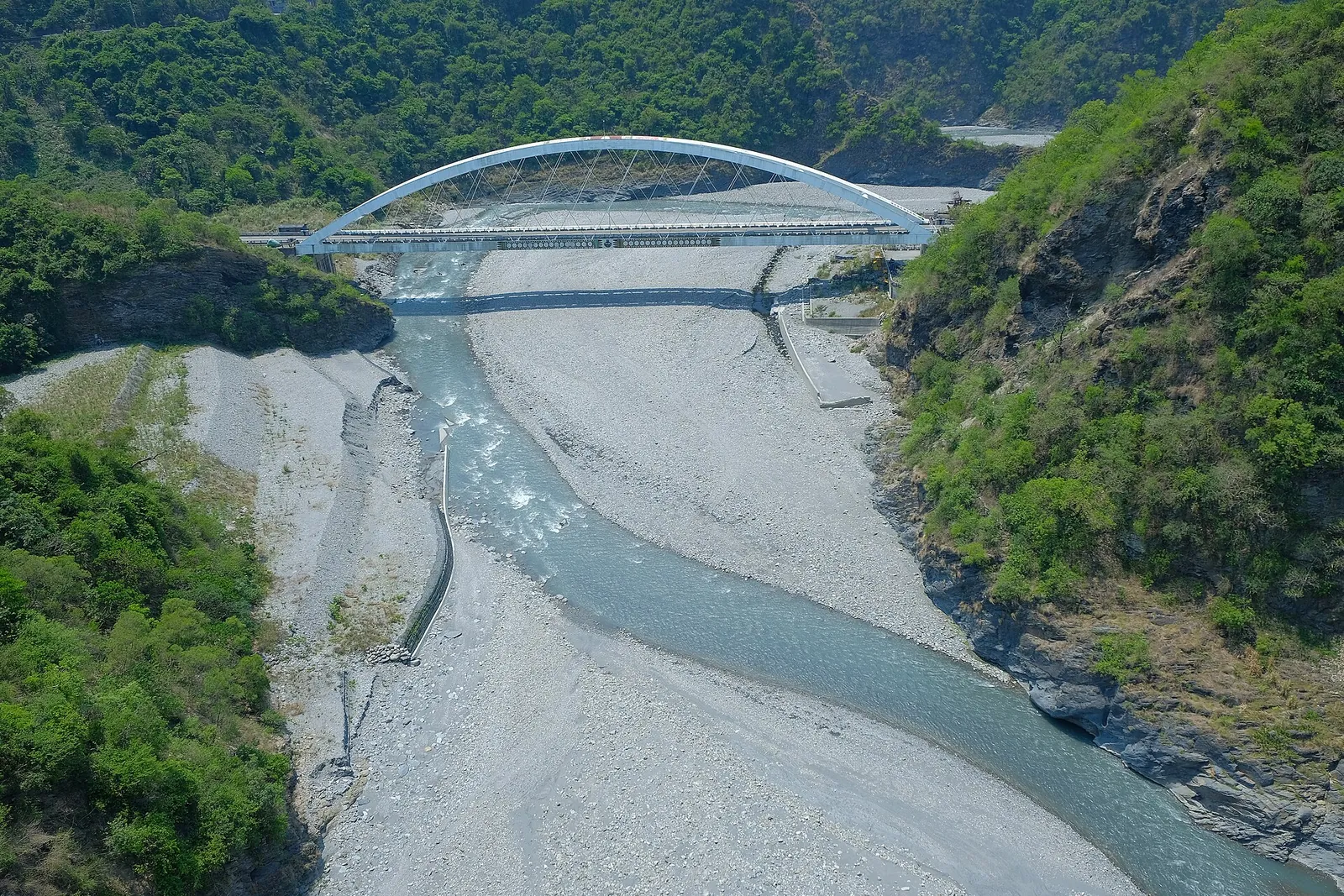
Maolin's river bends and wooded slopes give the journey to Duona its setting. Longtoushan, also called Dragon Head Mountain, appears in the authority's district and transport guidance as a place to understand the meander landscape. Choose an accessible viewpoint after checking local conditions, rather than turning a sightseeing day into an improvised river trek or an unresearched mountain hike.
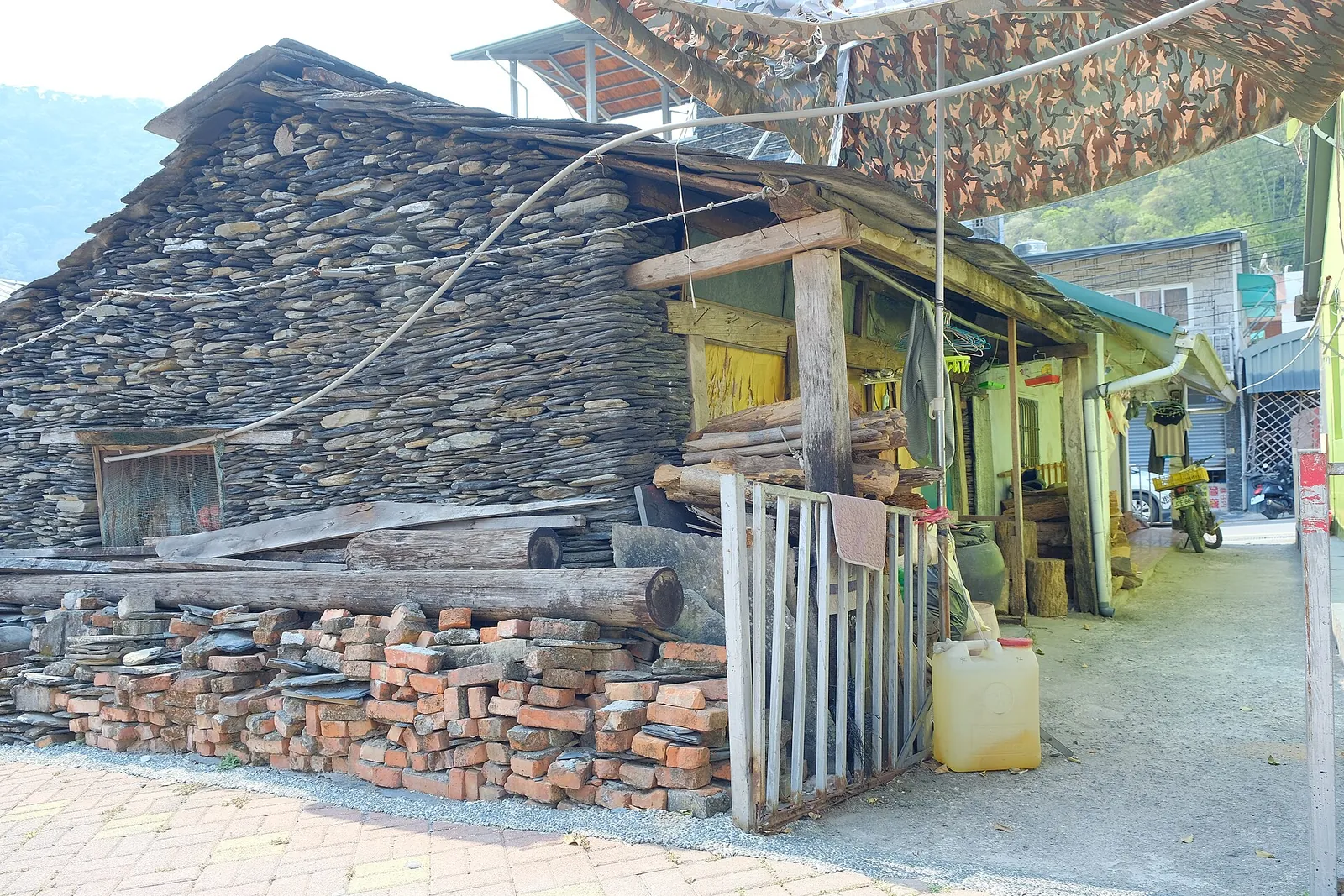
Duona's slate architecture and village streets deserve a slower walk than a roadside photograph stop. Keep to public areas, give residents room and ask before photographing people or entering a property. The authority specifically warns visitors against walking into residents' houses at will. A prearranged cultural visit can add context, but neither a scenic-area overview nor a picture of a slate house establishes that a particular interior or ceremony is open to visitors.
Make lunch local and keep the wider region separate
The scenic area's food guidance describes cinavu, millet parcels with pork, and abai, rice cakes with sweet or savoury fillings. Ask which preparation is actually available before ordering, especially when avoiding meat or allergens. A seated meal gives the day a useful pause between butterfly viewing and a village walk, rather than leaving lunch to whichever shop happens to be beside the final bus stop.
The wider Maolin National Scenic Area also includes Liouguei, Taoyuan and Indigenous communities in Pingtung. Their mountain tea, coffee and other specialities should not be presented as though every Maolin village sells them. Keep this first outing focused on the Maolin valley and Duona, with any wider food or hot-spring route as a separately planned day. Leave time for the confirmed connection home, and change the plan if current mountain-road or weather advice requires it.
Practical questions
When should I visit Maolin for butterflies?
The authority lists November to March, with December to February the peak. Sightings still depend on current conditions; ask at the visitor centre and use designated visitor areas rather than entering a private overwintering valley.
Can I visit Maolin and Duona without a car?
The official transport page lists H31 from Qishan to Maolin and Duona, and E25 from Kaohsiung or HSR Zuoying through Xinwei towards Liouguei. Confirm the actual connections and return timetable. No bus frequency or journey duration is assumed here.
Should I stay in Kaohsiung or take my luggage to Maolin?
For a first valley-and-village outing, one full day from a Kaohsiung hotel keeps the return simple. A local overnight stay needs its own confirmed accommodation and transport plan; the scenic-area name covers a much wider region than this guide.
Are Duona houses and cultural activities open to everyone?
Public village areas do not establish access to private homes or ceremonies. Respect residents, ask before photographing people and arrange any specific cultural visit directly; the authority warns against entering houses at will.
Sources and checks before you travel
Reference sources for the version dated 8 October 2026. Confirm opening times, access, transport and conditions for your travel dates.
- Taiwan Tourism Administration: Maolin Visitor Center ↗ — opens in a new tab
- Maolin National Scenic Area: Maolin Visitor Center ↗ — opens in a new tab
- Maolin National Scenic Area: Maolin District ↗ — opens in a new tab
- Maolin National Scenic Area: butterfly watching ↗ — opens in a new tab
- Maolin National Scenic Area: getting here ↗ — opens in a new tab
- Maolin National Scenic Area: local food ↗ — opens in a new tab
- Kaohsiung International Airport: transport overview ↗ — opens in a new tab
- KRTC: current metro map ↗ — opens in a new tab
Photo credits
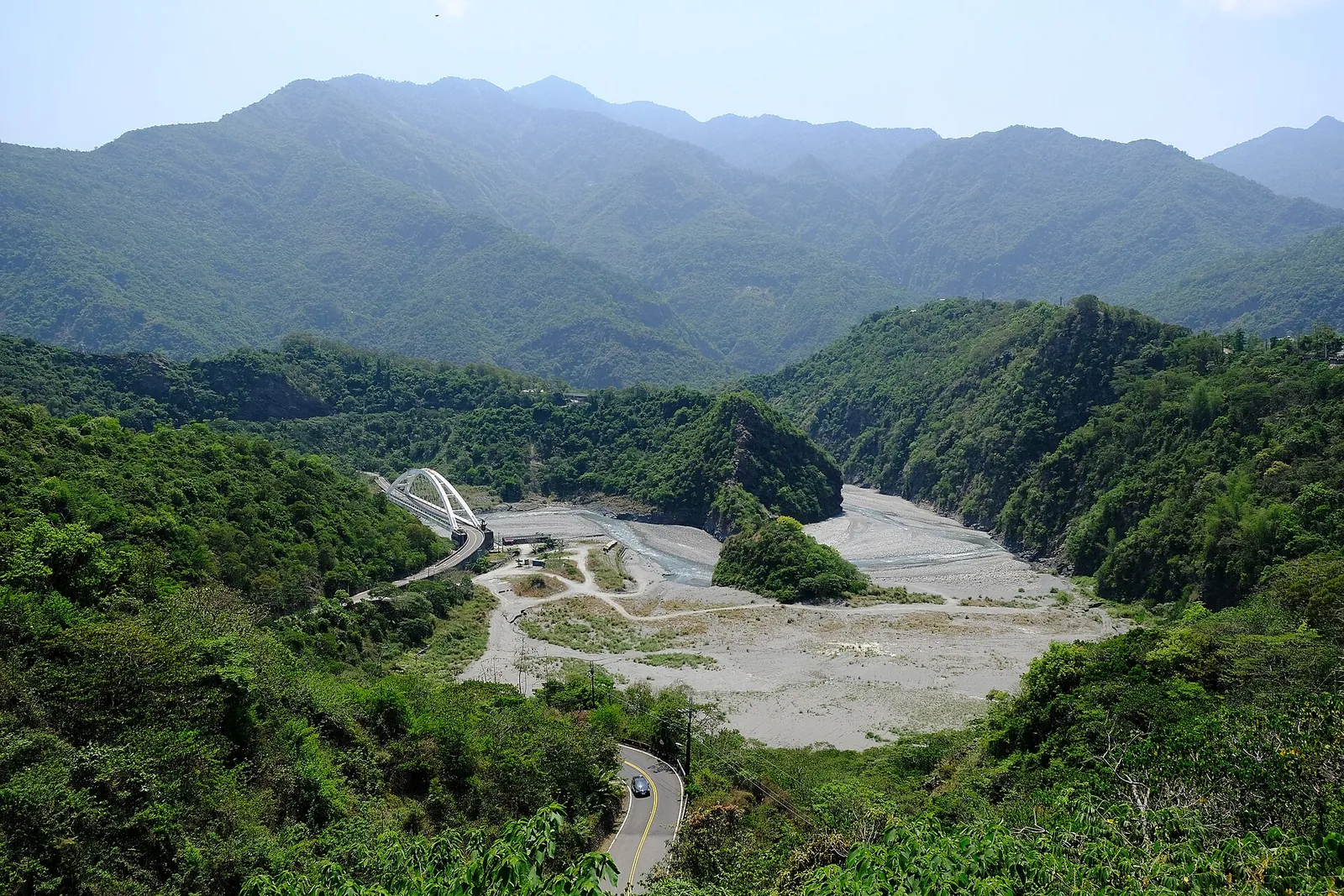
The valley near Duona, photographed in 2019; the image does not establish current road access.
Photograph: Taiwankengo — opens in a new tab · CC BY-SA 4.0 — opens in a new tab
Changes: Resized and converted to WebP; displayed with responsive crops. · Original photograph and licence details ↗ — opens in a new tab
Slate architecture in Duona, photographed in 2019; public street viewing does not grant entry to homes.
Photograph: Taiwankengo — opens in a new tab · CC BY-SA 4.0 — opens in a new tab
Changes: Resized and converted to WebP; displayed with responsive crops. · Original photograph and licence details ↗ — opens in a new tab
Duona Bridge and its riverbed in a 2019 photograph; check current access separately.
Photograph: Taiwankengo — opens in a new tab · CC BY-SA 4.0 — opens in a new tab
Changes: Resized and converted to WebP; displayed with responsive crops. · Original photograph and licence details ↗ — opens in a new tab
A butterfly photographed in Maolin; this individual image does not establish the size or presence of a winter gathering.
Photograph: lumoplank — opens in a new tab · CC0 — opens in a new tab
Changes: Resized and converted to WebP; displayed with responsive crops. · Original photograph and licence details ↗ — opens in a new tab