Southern Taiwan · Kaohsiung City
Meinong guide: Hakka food, paper umbrellas and a lakeside day
Meinong's appeal is in the way a meal, a craft and the surrounding farmland belong to the same place. Broad rice noodles and local greens give lunch a clear Hakka setting; the museum explains more of the history behind it, and paper-umbrella workshops bring the visit back to something made by hand. The lake adds a quiet end to the afternoon. None of these stops needs to be rushed into a single museum-and-souvenir dash from Kaohsiung.
- Suggested time
- 1 full day from Kaohsiung; a separately confirmed local stay allows a slower food and craft visit
- Where to stay
- Kaohsiung for a shared city base; a confirmed Meinong property for a countryside-focused stay
- Season and timing
- Choose weather suited to the lake and village walk, with the museum and a booked craft visit as indoor pauses. Agricultural activities and specific workshops need separate confirmation.
The short answer
Give Meinong one full day from a Kaohsiung base: start with the Hakka Museum, have a Hakka lunch, then choose a paper-umbrella stop and finish beside the lake. Stay in Kaohsiung for a combined city visit, or arrange a confirmed local stay for a slower countryside day. The museum, craft villages and lake are separate stops; match the order to actual opening and any workshop reservation. Check the outward and return transport before leaving.
Begin with the museum and a realistic day from Kaohsiung
Meinong is a rural district in northeastern Kaohsiung, not a neighbourhood beside the city's main railway station. A Kaohsiung hotel makes sense if the day is part of a wider city stay, but the museum and villages need their own transport plan. Compare the outward departure, the sequence of stops and the return before deciding that a guided trip or independently arranged transfer suits you best.
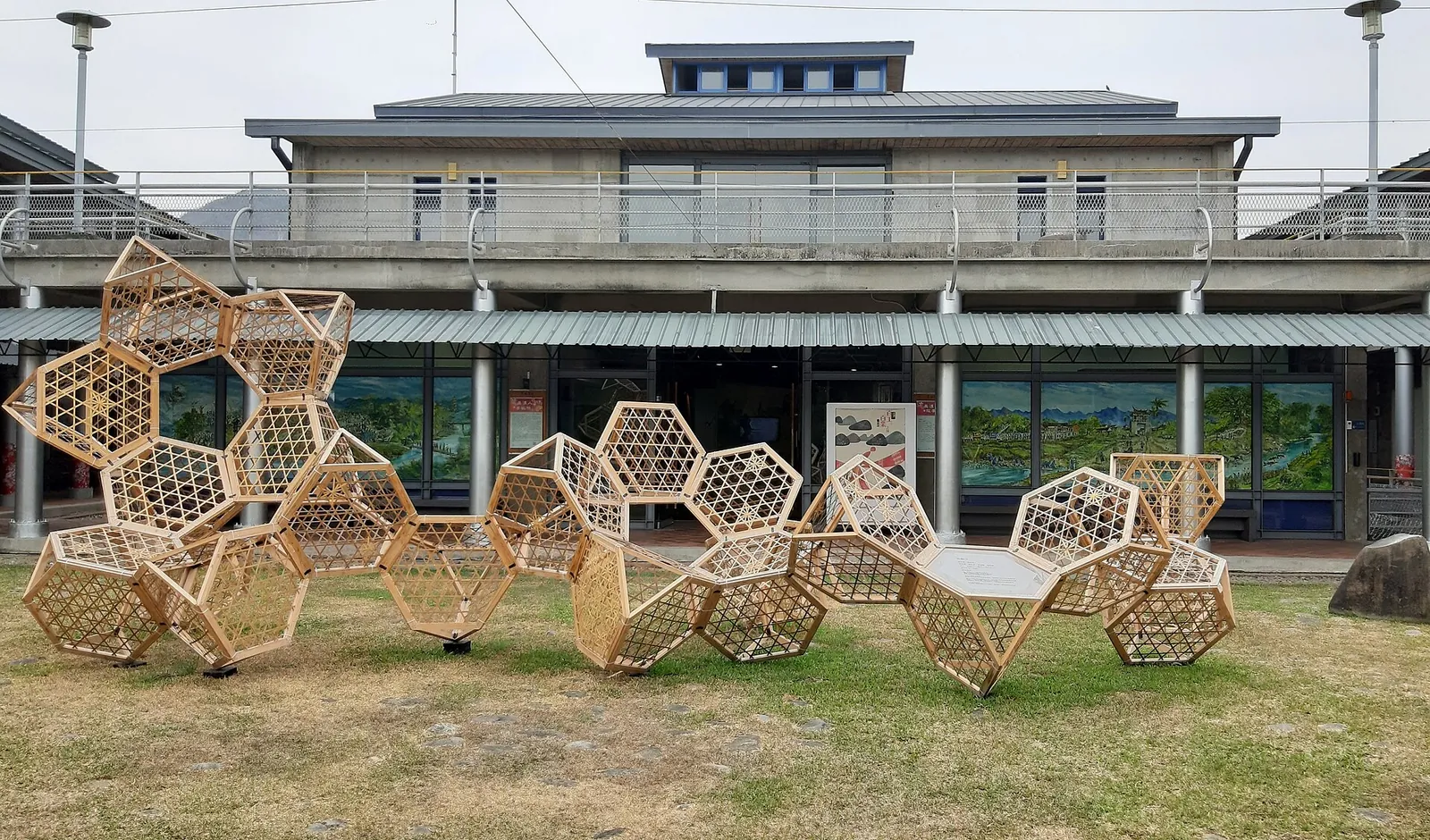
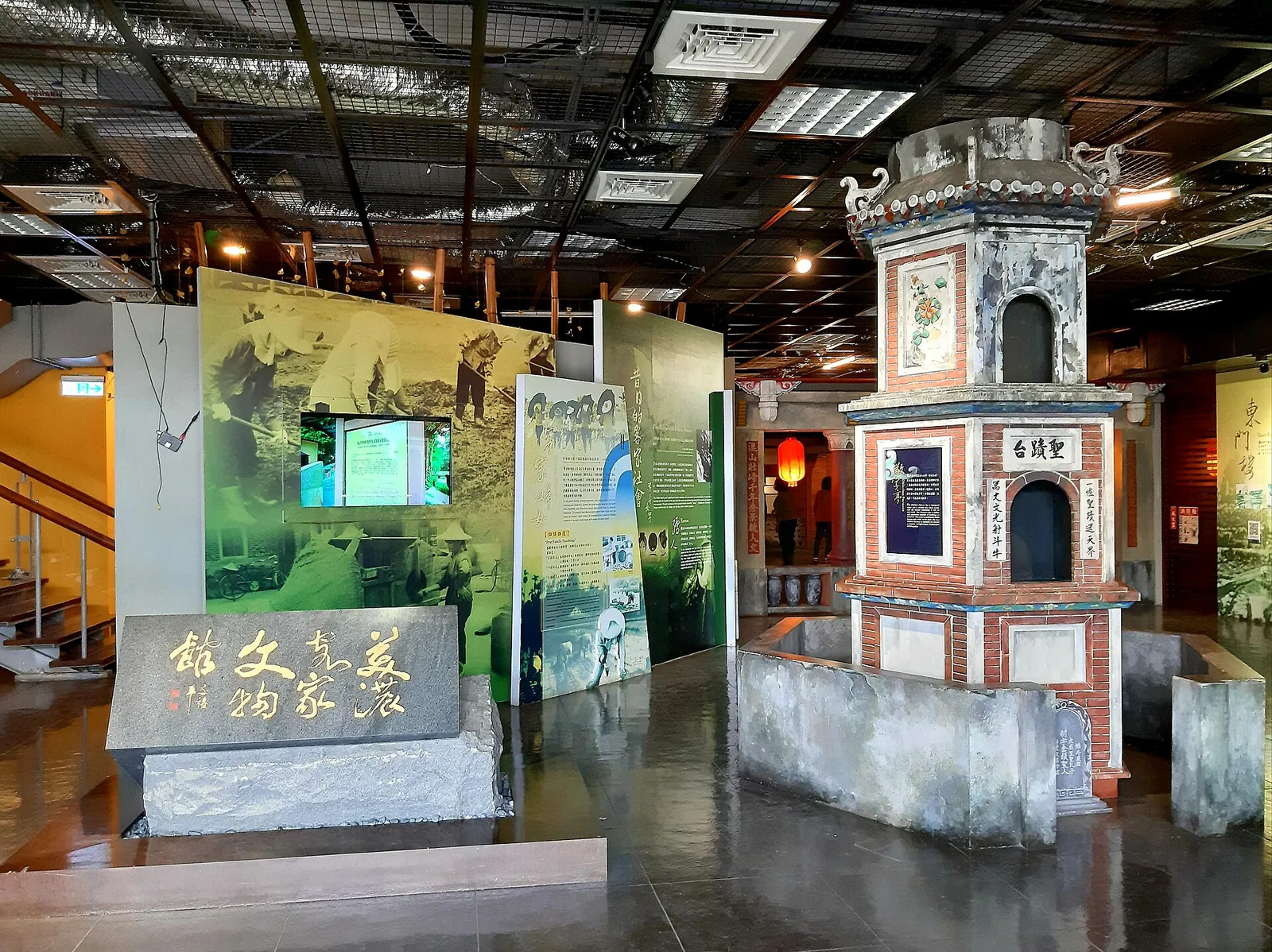
The Meinong Hakka Museum provides a useful beginning. The city tourism entry describes displays about Hakka life, history and the relationship between people and their environment, in architecture drawing on tobacco buildings and courtyard compounds. The district office also presents it as a place for understanding the community's stories. When checked on 2026-10-08, the Tourism Administration listed Tuesday–Sunday hours of 09:00–17:00, with closure on Mondays, Lunar New Year's Eve and the first day of the Lunar New Year; other closures are announced separately. Check the current notice before choosing your museum day.
Make Hakka lunch part of the visit
The district office names broad rice noodles, pig's feet, Hakka stir-fry and white water snowflake among Meinong's food traditions. Choose a seated lunch and a few dishes to share, rather than collecting souvenirs before eating. The city recommends braised pork with dried bamboo shoots, while its slow-food route describes rice noodles made from locally grown Meinong 147 rice at Spectrum House. Those are specific reasons to look at a menu, without claiming that every kitchen uses the same recipe or ingredients.
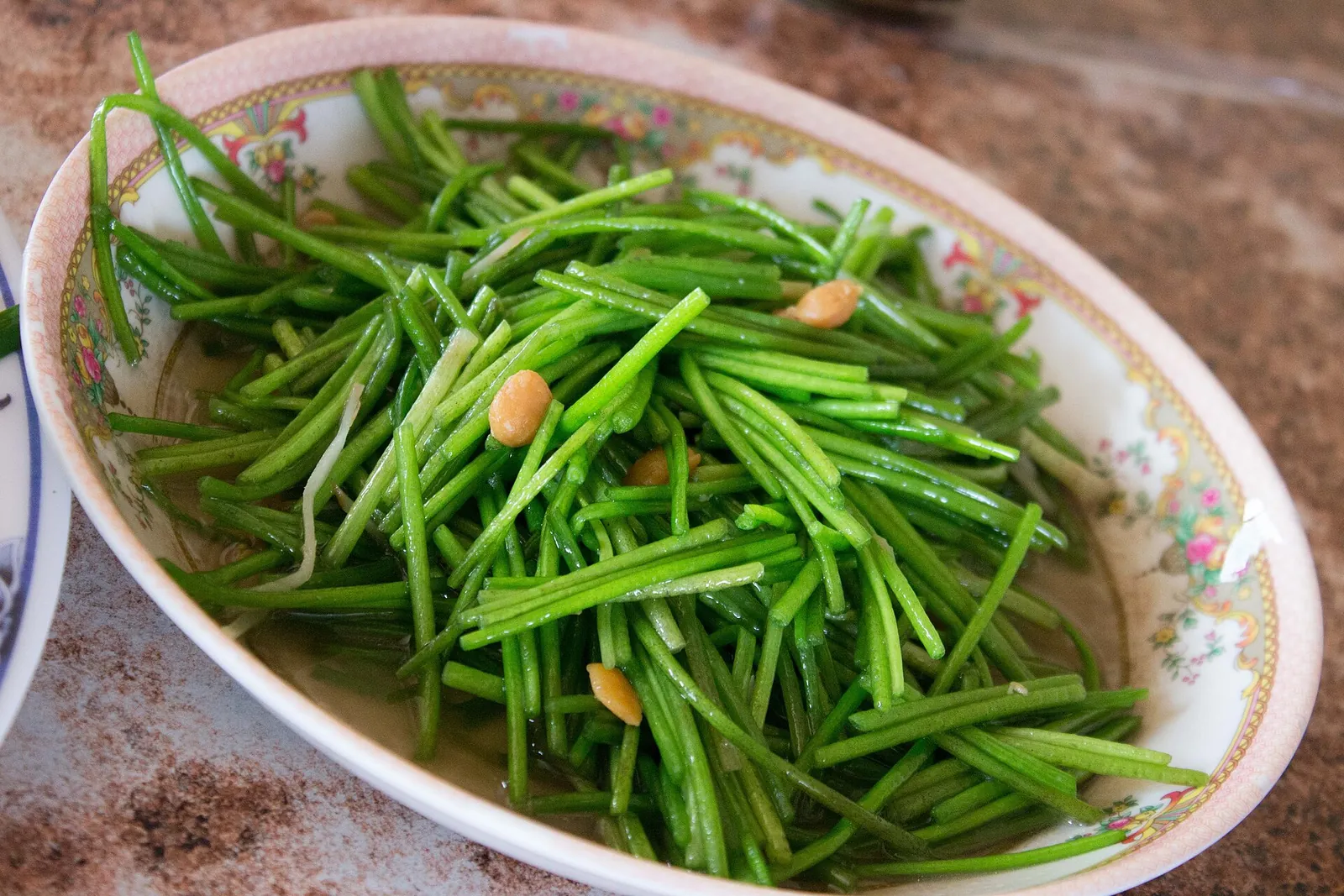
White water snowflake gives the meal a connection to the local agricultural setting. The district office identifies it as a local food, and the city describes the stems being used in bread at Meinong Tankaotang. A vegetable name is not enough to establish a vegetarian dish: ask about meat, stock and seasonings. A museum morning followed by lunch also leaves room for a craft stop without turning the afternoon into a rushed second meal.
Make time for the local food
What to eat and where to look
Broad rice noodles (bantiao)
The district office identifies broad rice noodles as one of Meinong’s best-known Hakka foods. The city’s slow-food feature describes Spectrum House using locally grown Meinong 147 rice for its noodles.
- Where to look
- Meinong Hakka noodle shops; compare the actual menu, or confirm Spectrum House separately if that particular rice-noodle visit matters.
- Fit it into your day
- Make a bowl or shared noodle dish the centre of lunch after the museum.
Ask about pork, broth, sauces and other ingredients. Rice noodles do not establish that the complete dish is vegetarian or gluten-free.
Braised pork with dried bamboo shoots
The city’s cuisine page names this Hakka dish in Meinong, describing rock sugar, fried shallots and soy-sauce flavours among the local braising traditions.
- Where to look
- Hakka restaurants in Meinong offering a shared lunch menu.
- Fit it into your day
- Share it with noodles and a vegetable dish rather than ordering several large meat dishes.
Contains pork; ask about soy sauce and other seasonings if avoiding soy or wheat.
White water snowflake greens
The district office names white water snowflake among local dishes, giving lunch a link to the agricultural landscape. The city also describes its stems being used in bread at Meinong Tankaotang.
- Where to look
- Meinong restaurants listing local greens; check the actual preparation. Tankaotang’s bread is a separate option described by the city.
- Fit it into your day
- Add the greens to a shared lunch as a contrast to the noodles and braised pork.
Ask about meat, stock and seasonings; a vegetable dish may still include animal ingredients.
Lei cha (Hakka ground tea)
The district office includes Hakka ground tea in its Meinong food guide. It provides a natural pause after lunch or a craft visit rather than another meal to rush through.
- Where to look
- Meinong tea or Hakka-food venues actually offering ground tea; confirm any hands-on preparation session directly.
- Fit it into your day
- Leave time to sit after lunch, especially if a craft booking already sets the afternoon’s order.
Ask about nuts, sesame, dairy and other ingredients in the particular mixture and toppings.
Choose one paper-umbrella stop and book the activity you want
The city's Meinong Paper Umbrella Culture Village entry describes seeing oil-paper umbrellas being made, buying local products and making a craft of your own. Its separate Meinong Folk Village page also describes umbrella-making, pottery and Hakka food. Pick the place that fits your interest and confirmed availability; the two listings are not interchangeable addresses for one workshop.
If making an umbrella is the main purpose, arrange the actual session before travelling, including its language, duration and any age or group requirement. A tourism description establishes the craft tradition, not a guaranteed walk-in activity every afternoon. Without a reservation, a browsing visit can still fit after lunch, leaving time to appreciate the materials and ask about the making process before continuing towards the lake.
Finish beside Meinong Lake instead of adding another distant stop
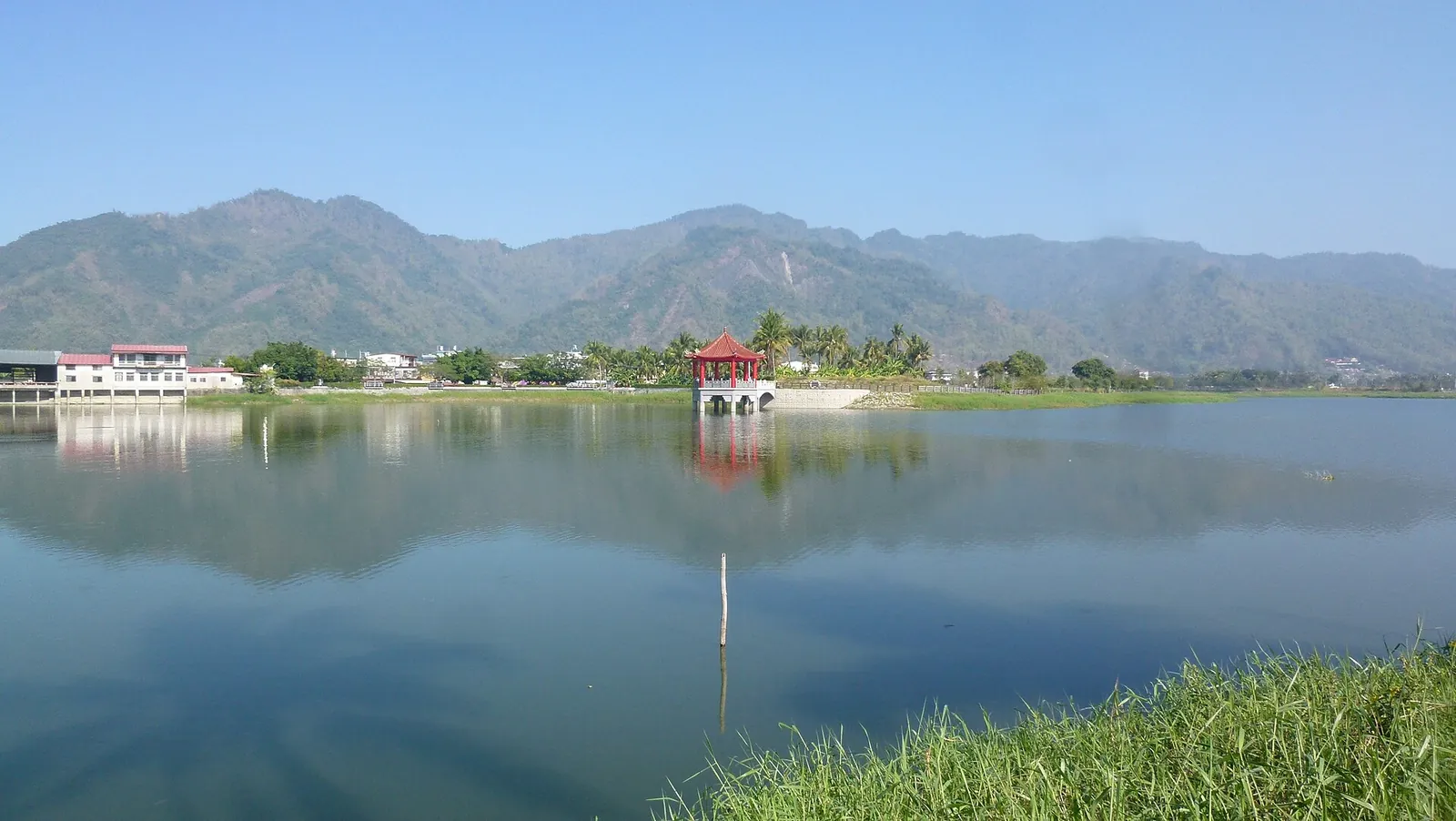
The district office describes the lake along Mincuan Road in northeastern Meinong, with mountains on one side and farmland around the others. Its visitor page explains that the older Jhongjheng Lake name changed to Meinong Lake in 2016. A lake pause after the museum, food and craft gives the day a different view of the same district, without requiring another attraction's opening time to dictate the afternoon. The Tourism Administration describes a path around the lake and a cycling lane, so walking can be the point of this final stop rather than just a photograph from the roadside.
Keep the final part of the day for your confirmed return. Yellow Butterfly Valley and surrounding mountain areas are separate outings; a first visit can end at the lake without losing its purpose. If staying locally, check the actual property's address and evening meal arrangements rather than assuming countryside accommodation is beside the museum or a restaurant. For a private transfer, agree the pickup point explicitly so the last stop remains a leisurely one.
Practical questions
How long should I spend in Meinong?
One full day allows the Hakka Museum, lunch, a paper-umbrella stop and a lake pause. A separately confirmed local stay can make the food and countryside visit slower, but surrounding mountain outings need their own plan.
Are the Hakka Museum and paper-umbrella villages the same place?
No. The museum explains local Hakka history and life, while the city lists separate craft villages for umbrellas, pottery and food. Check the actual address and opening of each stop before setting the route.
Can I make a paper umbrella without booking?
The city describes craft-making opportunities, but that does not establish a walk-in session on your chosen day. Confirm the particular activity, language and reservation directly if making an umbrella is essential to the visit.
Are Jhongjheng Lake and Meinong Lake different lakes?
The district office explains that the lake was renamed Meinong Lake in 2016. Older listings and photographs may still use Jhongjheng or Zhongzheng Lake; check the location along Mincuan Road rather than treating the names as separate attractions.
Sources and checks before you travel
Reference sources for the version dated 8 October 2026. Confirm opening times, access, transport and conditions for your travel dates.
- Taiwan Tourism Administration: Meinong Hakka Cultural Museum ↗ — opens in a new tab
- Taiwan Tourism Administration: Meinong Lake ↗ — opens in a new tab
- Kaohsiung City tourism: Meinong Hakka Museum ↗ — opens in a new tab
- Meinong District Office: Hakka Culture Museum ↗ — opens in a new tab
- Kaohsiung City tourism: Paper Umbrella Culture Village ↗ — opens in a new tab
- Kaohsiung City tourism: Meinong Folk Village ↗ — opens in a new tab
- Meinong District Office: lake visitor guide ↗ — opens in a new tab
- Meinong District Office: Hakka cuisine ↗ — opens in a new tab
- Kaohsiung City tourism: local cuisine ↗ — opens in a new tab
- Kaohsiung City tourism: slow-food route ↗ — opens in a new tab
- Meinong District Office: district overview ↗ — opens in a new tab
- Kaohsiung International Airport: transport overview ↗ — opens in a new tab
Photo credits
Meinong Lake offers a pause after the museum, craft village and lunch.
Photograph: Greenchun — opens in a new tab · CC BY-SA 3.0 — opens in a new tab
Changes: Resized and converted to WebP; displayed with responsive crops. · Original photograph and licence details ↗ — opens in a new tab
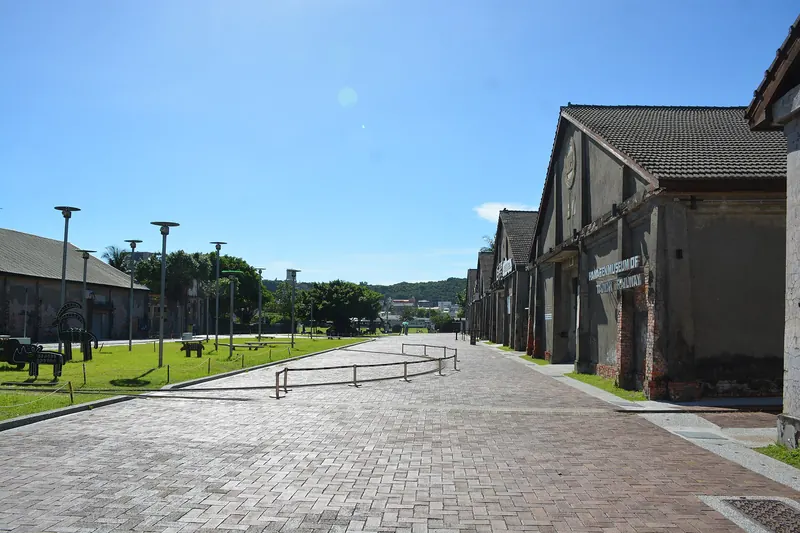
The museum introduces the district’s Hakka history and everyday life.
Photograph: WEI, WAN-CHEN — opens in a new tab · CC BY-SA 4.0 — opens in a new tab
Changes: Resized and converted to WebP; displayed with responsive crops. · Original photograph and licence details ↗ — opens in a new tab
White water snowflake is among the local foods named by the district office.
Photograph: Riblet15 — opens in a new tab · CC BY-SA 4.0 — opens in a new tab
Changes: Resized and converted to WebP; displayed with responsive crops. · Original photograph and licence details ↗ — opens in a new tab
Museum displays provide context for the district’s Hakka food and craft traditions.
Photograph: WEI, WAN-CHEN — opens in a new tab · CC BY-SA 4.0 — opens in a new tab
Changes: Resized and converted to WebP; displayed with responsive crops. · Original photograph and licence details ↗ — opens in a new tab