Central Taiwan · Changhua County
Lukang overnight: old lanes, temple craft and local food
Lukang’s interest is in the details: an old shopfront, a dragon carved into granite, or a bowl of noodles between temple visits. Its past as a trading port is still visible in the lanes and traditional crafts. An overnight allows a full heritage day to unfold without making the last bus the main event, while a Taichung day trip remains an option when the connections fit.
- Suggested time
- 1 night with a full heritage-and-food day; a day trip if return transport fits
- Where to stay
- Zhongshan Road or the lanes behind Tianhou Temple for an overnight; Taichung for a day trip
- Season and timing
- Choose a day comfortable for walking between the old lanes and temples. Check the current forecast and local access, with food breaks and covered temple areas offering pauses rather than a promise of a wholly indoor route.
The short answer
Stay one night along Zhongshan Road or behind Tianhou Temple, dividing a full day between Longshan Temple and the Old Street, with Tianhou Temple and local food later. The old lanes and temples have different characters, so leave time for architecture and worship rather than collecting quick photographs. Shrimp balls, thick rice noodle soup and taro balls give the walk useful food breaks. For a day trip from Taichung instead, confirm both the outward connection and the final return before setting out.
Choose an overnight in the heritage town or keep your Taichung base
An overnight in Lukang gives the visit a different pace from a timed return outing. County accommodation listings place lodging on Zhongshan Road and in Gonghou Lane behind the Mazu temple, providing concrete areas to compare. The exact doorway matters: a room near the heritage lanes can support an evening walk without adding another cross-city journey.
A Taichung base works when Lukang is one outing within a wider central-Taiwan stay. In that case, settle the outward and return arrangements before the day begins. The national guide places railway and high-speed-rail connections outside the old-town area; arriving at a station in the region is not the same as stepping straight into Lukang’s lanes.
Let Longshan Temple set the pace for looking closely
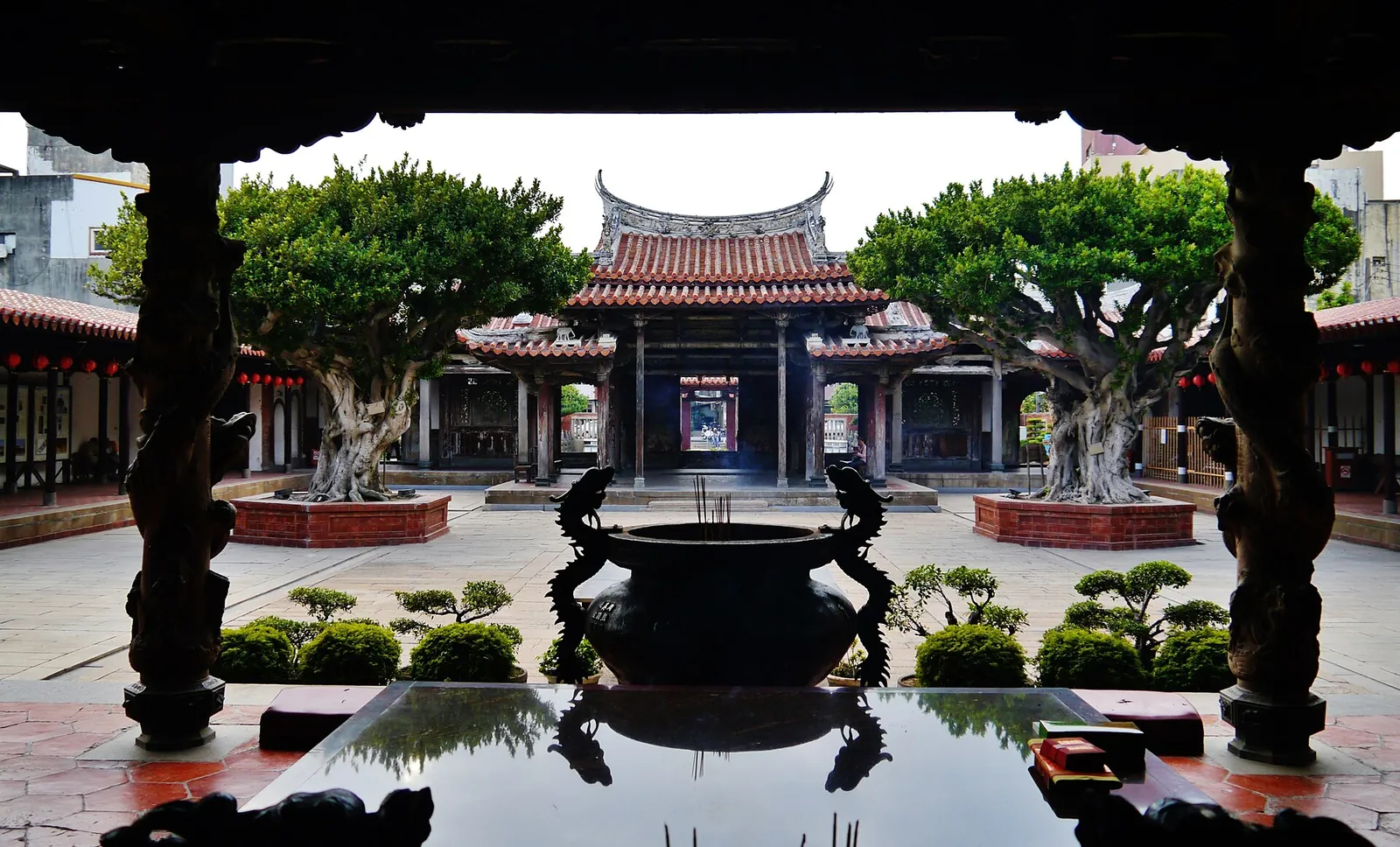
Longshan Temple’s architecture rewards more attention than a quick gate photograph. The national guide describes granite dragon columns at the entrance, finely carved structures and colourful painted decoration. The courtyards and successive buildings give the visit a sequence, with details that are easier to notice when you stop and look rather than move continuously through the complex.
This is an active temple as well as a historic site. Give worshippers space, follow local signs and ask before photographing a ceremony. A quieter architectural visit can anchor the earlier part of the day, followed by the old lanes and a meal; that order lets the food break become part of the walk rather than something rushed between landmarks.
Make time for the local food
What to eat and where to look
Lukang shrimp balls
The county’s Hsinchuchin listing describes shrimp balls made using sand shrimp and a house recipe.
- Where to look
- Lukang shops selling shrimp balls; the cited Hsinchuchin listing is on Guanqian Road.
- Fit it into your day
- Share a serving during the heritage walk or ask the shop about a takeaway option.
Contains shrimp; check other ingredients and storage instructions instead of assuming every packaged version keeps the same way.
Longshan thick rice noodle soup
The cited Qiuyin version combines rice noodles with shrimp, egg, fried shallots and pork.
- Where to look
- Shops serving thick rice noodle soup near the heritage area; the county listing places Qiuyin on Minzu Road.
- Fit it into your day
- Use a bowl as the main food stop between the temple and old-street parts of the walk.
The cited recipe contains shrimp, egg and pork; check stock and additions rather than assuming the noodles are meat-free.
Lukang taro balls
Suchu’s county listing describes taro balls in soup, steamed or deep-fried, served with a house sauce.
- Where to look
- Shops selling Lukang taro balls; the cited Suchu listing is on Minsheng Road.
- Fit it into your day
- Choose one preparation to share instead of ordering all versions as separate meals.
Ask about the filling, broth and sauce. The cited page does not establish a vegetarian recipe, and these are not automatically a sweet bubble-tea topping.
Follow the Old Street through trading-town buildings and living shops
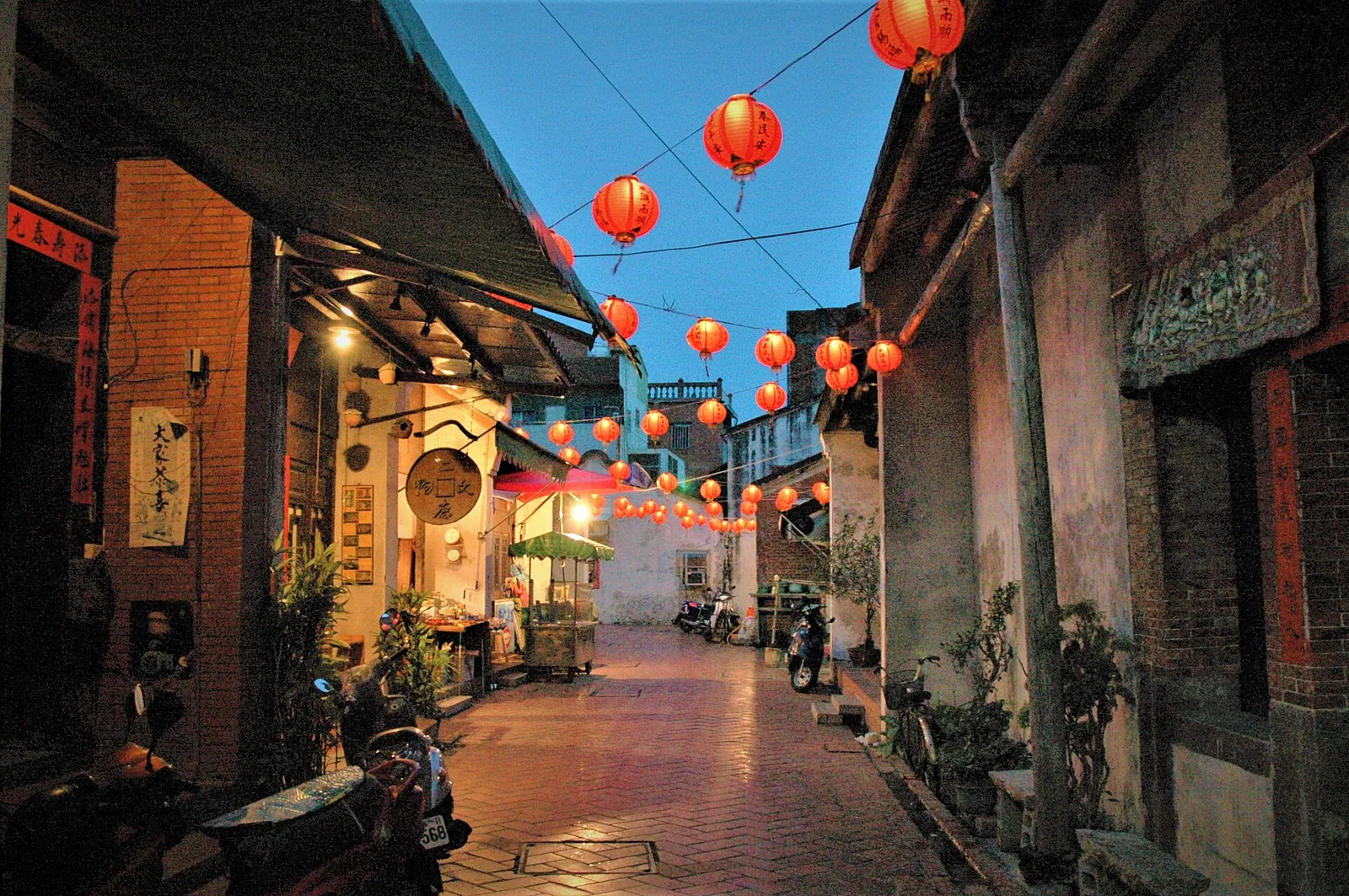
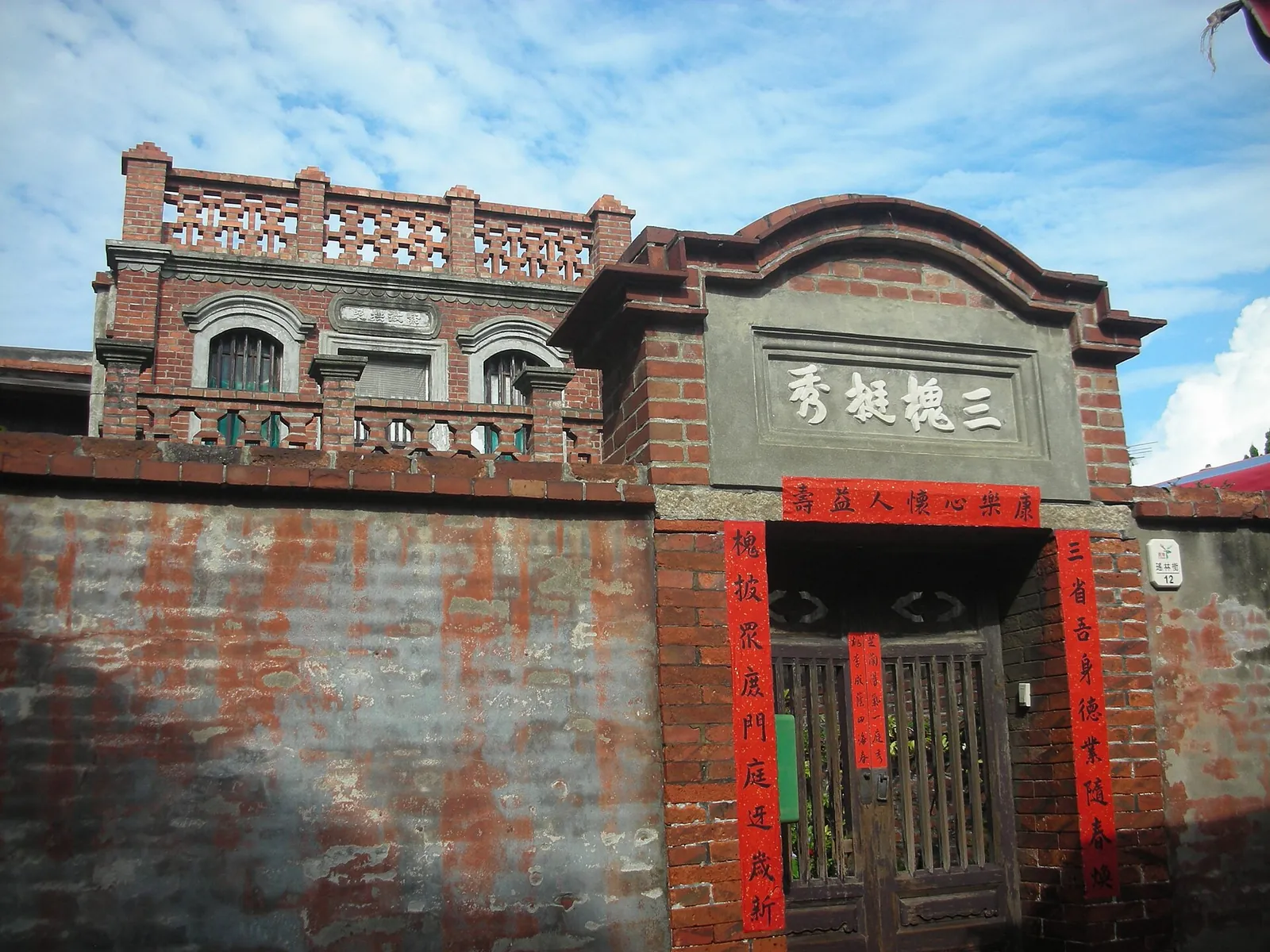
The national description of Lukang Old Street names Putou, Yaolin and Dayou streets, with curved red-tiled lanes and old-style shop buildings. The county guide adds the trading-port setting, courtyards, brickwork and traditional crafts. These details give the old town its interest even when you choose a short route rather than every lane and historic house.
Allow room for the shops that are still part of the town’s daily life. A craft window or bakery stop can explain as much about Lukang as another building façade. The visit works best as a connected walk, with a few pauses to look inside where welcome and a food break before moving towards the next temple area.
Keep Tianhou Temple distinct from the Longshan visit
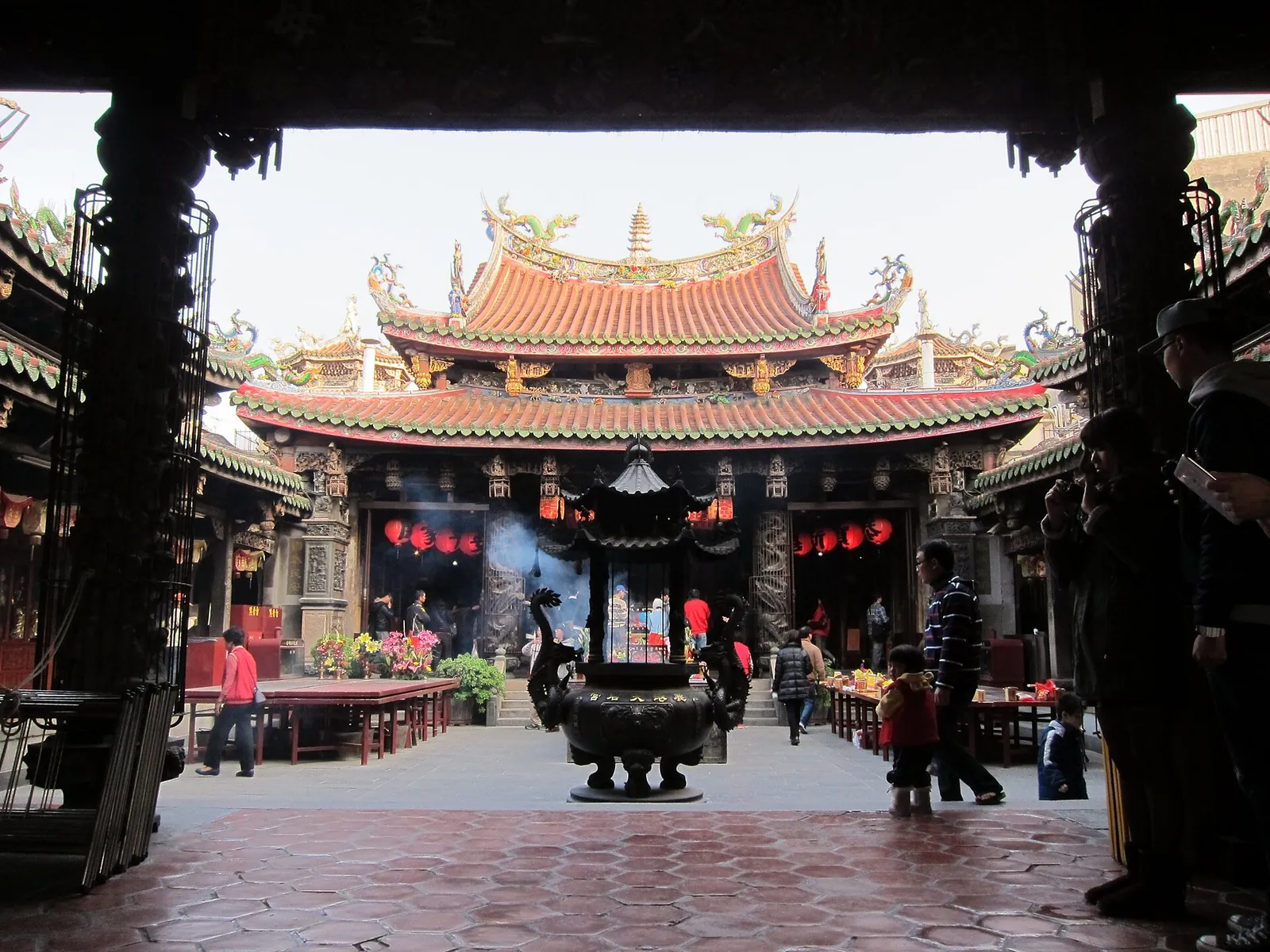
Tianhou Temple is dedicated to Mazu, the sea goddess, and stands on Zhongshan Road. Its religious identity and northern old-town setting give it a separate place in the route. Longshan and Tianhou are not interchangeable temple stops: seeing both is useful when you want to understand how different places of worship form part of Lukang’s streets.
The lanes behind the Mazu temple also have accommodation, including the county-listed Gonghou Lane area. Staying nearby can make this the later part of the day rather than a stop squeezed in before leaving town. Let current access and any worship activity decide how long to linger, keeping photographs secondary to the people using the temple.
Build food breaks around the dishes Lukang’s own listings describe
The county guide gives Lukang’s food a useful level of detail. Hsinchuchin shrimp balls are described as a sand-shrimp specialty, while the cited Longshan thick rice noodle soup combines rice noodles with shrimp, egg, fried shallots and pork. Both make the food part of the destination, with ingredients worth checking when choosing what to order.
Suchu taro balls are another local choice, served in soup, steamed or deep-fried with sauce. They should not be assumed to be the sweet topping used in bubble tea. A noodle meal and a shared taro or shrimp dish leave room to keep walking; the precise filling, sauce, portion and takeaway arrangements should be confirmed with the shop rather than inferred from the dish’s name.
Plan the final connection before committing to a day-trip return
Lukang’s old-town area is a separate final journey from the region’s railway stations. Taiwan’s national attraction guide lists Taichung high-speed rail and Changhua conventional rail among nearby connections, alongside bus stops in the town. Check the current bus route from the station you actually choose, or arrange a car or taxi, without assuming the high-speed-rail station called Changhua is beside Lukang.
For a Taoyuan Airport arrival, the official Taichung guide provides the airport-rail and high-speed-rail connection into Taichung, from where the Lukang journey must be planned separately. If you stay overnight, arrival day can finish in the town after checking in. If you return to Taichung the same evening, protect that return connection before adding another shop, snack or temple stop.
Practical questions
Is Lukang worth an overnight stay?
One night lets a full heritage-and-food day unfold without a same-evening return deadline. Stay around Zhongshan Road or the lanes behind Tianhou Temple. A Taichung day trip works if the outward and final return connections fit.
Are Longshan Temple and Tianhou Temple the same place?
No. Longshan is a distinct temple complex with carved and painted architectural details. Tianhou Temple on Zhongshan Road is dedicated to Mazu. Treat them as separate stops and respect worship at both.
Which streets make up Lukang Old Street?
The national guide names Putou, Yaolin and Dayou streets, with curved red-tiled lanes and old-style shop buildings. The county guide focuses on Yaolin and Putou; use the heritage lanes as a connected walk rather than one single storefront.
Can I take a train directly into Lukang’s Old Street?
The regional railway connections are outside the old-town area. Check the final bus route from your chosen station or arrange a car or taxi, and confirm the last return if this is a day trip.
Sources and checks before you travel
Reference sources for the version dated 8 October 2026. Confirm opening times, access, transport and conditions for your travel dates.
- Taiwan Tourism Administration: Lukang Old Street ↗ — opens in a new tab
- Taiwan Tourism Administration: Lukang Longshan Temple ↗ — opens in a new tab
- Taiwan Tourism Administration: Lukang Tianhou Temple ↗ — opens in a new tab
- Changhua County Tourism: Lukang Old Street ↗ — opens in a new tab
- Changhua County Tourism: Hsinchuchin shrimp balls ↗ — opens in a new tab
- Changhua County Tourism: Qiuyin Longshan thick rice noodle soup ↗ — opens in a new tab
- Changhua County Tourism: Suchu taro balls ↗ — opens in a new tab
- Changhua County Tourism: Heping Hotel ↗ — opens in a new tab
- Changhua County Tourism: GH HOUSE ↗ — opens in a new tab
- Taichung Tourism: airport arrivals ↗ — opens in a new tab
Photo credits
The old lanes reward a slower walk between temple visits and food stops.
Photograph: 林高志 — opens in a new tab · CC BY-SA 4.0 — opens in a new tab
Changes: Resized and converted to WebP; displayed with responsive crops. · Original photograph and licence details ↗ — opens in a new tab
Longshan Temple is a place to linger over traditional architecture.
Photograph: Zairon — opens in a new tab · CC BY-SA 4.0 — opens in a new tab
Changes: Resized and converted to WebP; displayed with responsive crops. · Original photograph and licence details ↗ — opens in a new tab
Tianhou Temple is dedicated to Mazu and remains an active place of worship.
Photograph: Regina800809 — opens in a new tab · CC BY-SA 3.0 — opens in a new tab
Changes: Resized and converted to WebP; displayed with responsive crops. · Original photograph and licence details ↗ — opens in a new tab
Old-style exteriors and courtyard layouts recall Lukang’s trading past.
Photograph: Foxy Who \(^∀^)/ — opens in a new tab · CC BY-SA 3.0 — opens in a new tab
Changes: Resized and converted to WebP; displayed with responsive crops. · Original photograph and licence details ↗ — opens in a new tab