Plan your trip · Taiwan
Taiwan festivals: lunar dates, venues and a workable stay
Taiwan’s festival calendar connects family traditions, food and public celebrations, but those connections do not make every gathering a visitor attraction. The most useful plan begins with a named event and its current organiser, then works outward to a hotel and a realistic journey. Lunar-calendar celebrations move within the Gregorian calendar, and programme pages may describe a whole season rather than a daily show. A little care with those distinctions leaves more room to enjoy the celebration you actually came to see.
- Suggested time
- Four nights for the Taipei example; choose a venue-specific stay for an event elsewhere
- Where to stay
- Taipei for a confirmed local celebration; another event requires its own local hotel plan
- Season and timing
- Use current organiser dates; lunar-calendar celebrations shift within the Gregorian calendar
The short answer
Spend four nights in Taipei for a festival-led city stay: arrive and explore locally, reserve one day for a confirmed celebration, and keep two days for markets, museums and flexible outings. If the event is in another region, choose accommodation around that venue instead. Lantern, Dragon Boat and Mid-Autumn celebrations follow the lunar calendar, while public music and seasonal programmes have their own dated schedules. Check the organiser’s programme before booking; a national festival description does not confirm a particular performance, admission arrangement or a community ceremony open to visitors.
Read the lunar calendar as a starting point
The Tourism Administration describes Lunar New Year as a major family holiday, with New Year’s Eve dinner and several days of celebration. The Lantern Festival falls on the fifteenth day of the first lunar month and brings lantern riddles and rice-flour dumplings. These traditions help explain the atmosphere, but they do not supply a reusable Gregorian date or a guaranteed visitor programme. Find the current year’s named event before choosing flights, then check the venue rather than relying on a photograph from an earlier edition.
Choose the celebration, not just the festival name
Dragon Boat Festival traditions include races and zongzi, the glutinous-rice dumplings wrapped in bamboo leaves. Mid-Autumn is associated with family gatherings, mooncakes and pomelos. Those food connections are useful when exploring shops and stalls, but a national description does not establish the race timetable, tasting arrangements or public access to a family gathering. For the four-night Taipei example, reserve the celebration day only after confirming a local programme, keeping museums and markets available around it so the trip does not depend on one unverified activity.

Make time for the local food
What to eat and where to look
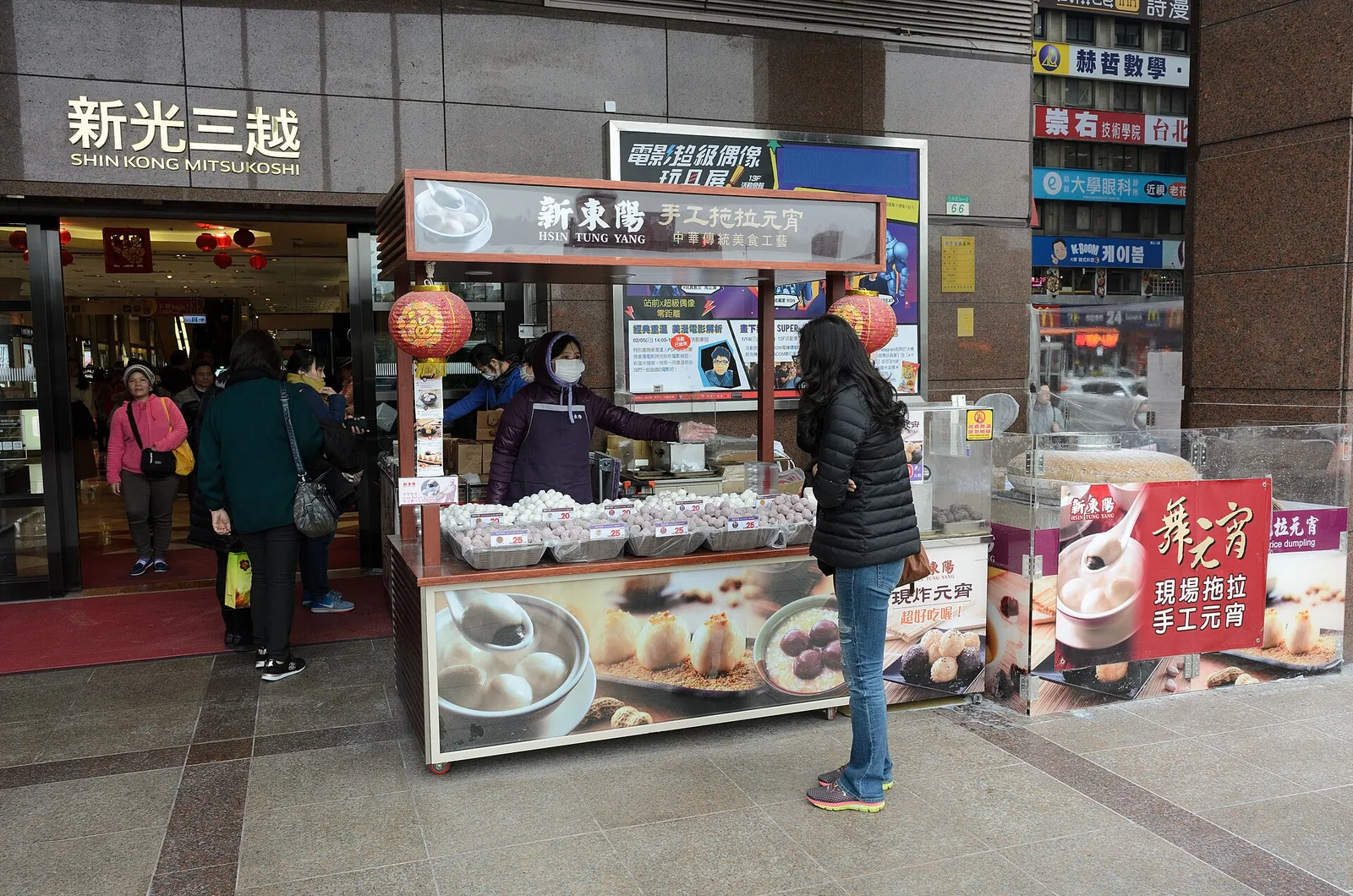
Rice-flour dumplings
The Tourism Administration associates rice-flour dumplings with the Lantern Festival, making them a useful food connection when lantern celebrations anchor your trip.
- Where to look
- Food stalls or shops serving Lantern Festival foods near your chosen celebration
- Fit it into your day
- Choose them as a festival snack rather than assuming every tasting tour includes them.
Ask about fillings, cooking liquid and allergens; the festival description does not establish a standard recipe.
Zongzi
These glutinous-rice dumplings wrapped in bamboo leaves are one of the foods named in the official description of the Dragon Boat Festival.
- Where to look
- Shops or stalls advertising Dragon Boat Festival rice dumplings
- Fit it into your day
- A rice-based snack can fit between festival activities, once the seller explains the filling.
Fillings vary; ask about meat, seafood, nuts and other ingredients before ordering.
Mooncakes
Mooncakes belong to the Mid-Autumn Festival in the national tourism account, alongside pomelos and family celebrations.
- Where to look
- Bakeries or shops selling Mid-Autumn Festival foods
- Fit it into your day
- Share a mooncake as a seasonal sweet rather than treating the festival as a nightly food-market programme.
Ask about nuts, eggs, dairy and fillings; no particular recipe or allergen-free version is confirmed here.
Distinguish public programmes from private traditions
The official listing places the 2026 Taiwan PASIWALI Festival at Taitung Forest Park on 2026-10-31 and 2026-11-01, describing a public Indigenous music festival with performances and markets. That is a specific event to investigate through its organiser; it is not permission to enter a private community ceremony. Similarly, the Maolin butterfly programme has a published seasonal window rather than a guarantee of daily wildlife sightings. Choose the public event that interests you, follow its access rules and let the community define what visitors may attend or photograph.
Build the hotel and weather plan around the venue
A Taipei hotel works for a Taipei celebration, while Taitung or Maolin requires a separately confirmed regional stay and journey. The official airport rail map connects the Taoyuan terminals at A12 and A13 with Taipei Main Station at A1, but that only settles the Taipei arrival leg. Outdoor programmes also need a weather alternative: May–June Mei-Yu rainfall, roughly July–September typhoon activity and the northern winter monsoon are different planning considerations. Check current local forecasts and organiser notices, and retain an ordinary city day if the programme changes.
Practical questions
Do Taiwan’s traditional festivals have the same dates every year?
Their lunar-calendar dates do not translate into a fixed Gregorian date each year. Check the current organiser’s programme for the named celebration and venue before booking.
Can I assume a lantern event runs every night during a festival period?
No. A festival date range does not establish a daily performance or release timetable. Check the actual programme, access rules and weather notices for your chosen visit.
Can travellers attend any Indigenous ceremony?
A public music festival such as the listed PASIWALI programme is different from a private community ceremony. Do not infer access or photography permission from a tourism description; follow the organiser’s or community’s stated rules.
Which festival dates are confirmed in this guide?
The official listings give the 2026 PASIWALI Festival as 2026-10-31–2026-11-01 and the 2026–2027 Butterfly Beauty Festival as 2026-10-31–2027-03-31. These are dated examples checked on 2026-10-08, not promises of a daily programme or dates for later editions.
Sources and checks before you travel
Reference sources for the version dated 8 October 2026. Confirm opening times, access, transport and conditions for your travel dates.
- Central Weather Administration: monsoons ↗ — opens in a new tab
- Central Weather Administration: Mei-Yu in Taiwan ↗ — opens in a new tab
- Central Weather Administration: typhoon season ↗ — opens in a new tab
- Taiwan Tourism Administration: traditional festivals ↗ — opens in a new tab
- Taoyuan Metro: airport rail map ↗ — opens in a new tab
- Taiwan Tourism Administration: Taiwan PASIWALI Festival ↗ — opens in a new tab
- Taiwan Tourism Administration: Butterfly Beauty Festival ↗ — opens in a new tab
Does this experience fit your route?
Choose your travel window around the experiences you value, then verify the local forecast, event programme and hotel location before booking.
Check dates and details on Viator ↗ — opens in a new tabAffiliate link · Book with ViatorPhoto credits
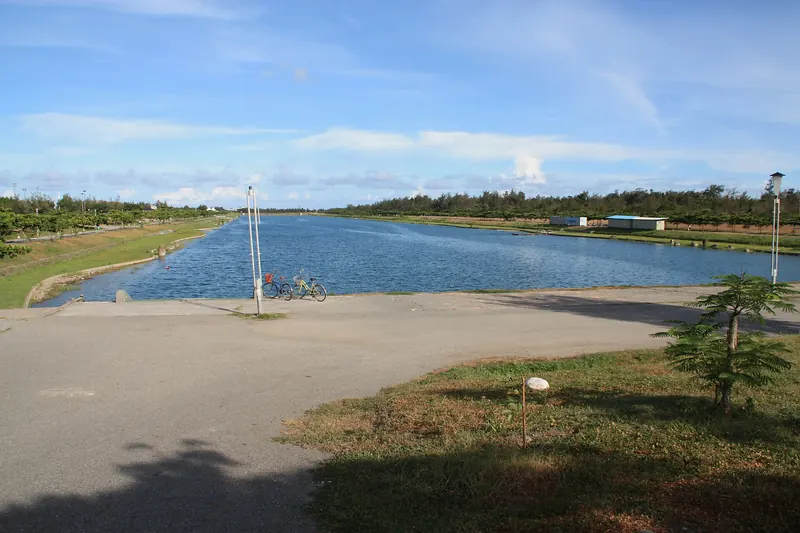
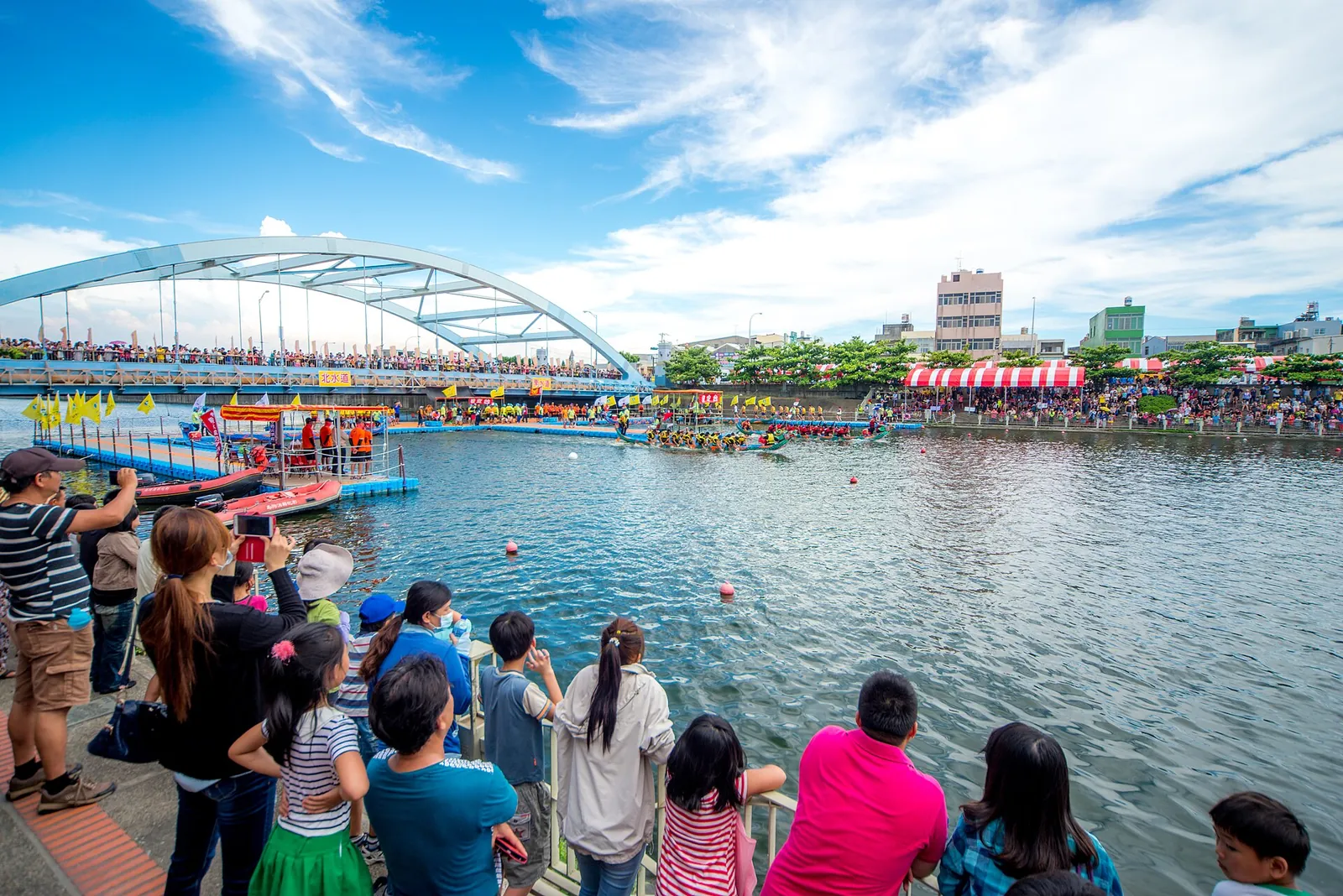
The 2015 Lukang Dragon Boat Festival race venue was in Fuxing Township; this historical scene does not confirm a current race programme.
Photograph: Tony Tseng — opens in a new tab · CC BY 2.0 — opens in a new tab
Changes: Resized and converted to WebP; displayed with responsive crops. · Original photograph and licence details ↗ — opens in a new tab
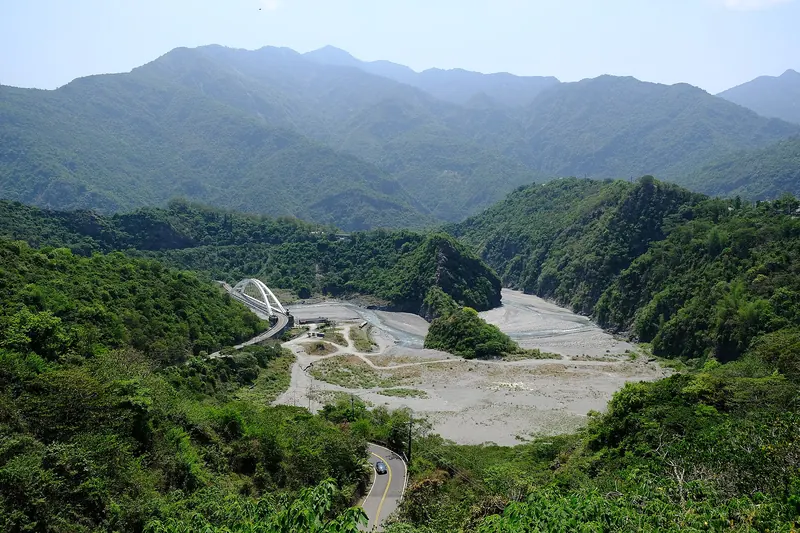
A historical view from the 2022 festival, including the temporary Great Tiger Bridge; check the current edition’s venue and programme.
Photograph: Tiouraren (Y.-C. Tsai) — opens in a new tab · CC BY-SA 4.0 — opens in a new tab
Changes: Resized and converted to WebP; displayed with responsive crops. · Original photograph and licence details ↗ — opens in a new tab
A Lantern Festival rice-dumpling stall photographed in Taipei in February 2017; the image does not confirm that the stall operates today.
Photograph: 玄史生 — opens in a new tab · CC0 — opens in a new tab
Changes: Resized and converted to WebP; displayed with responsive crops. · Original photograph and licence details ↗ — opens in a new tab
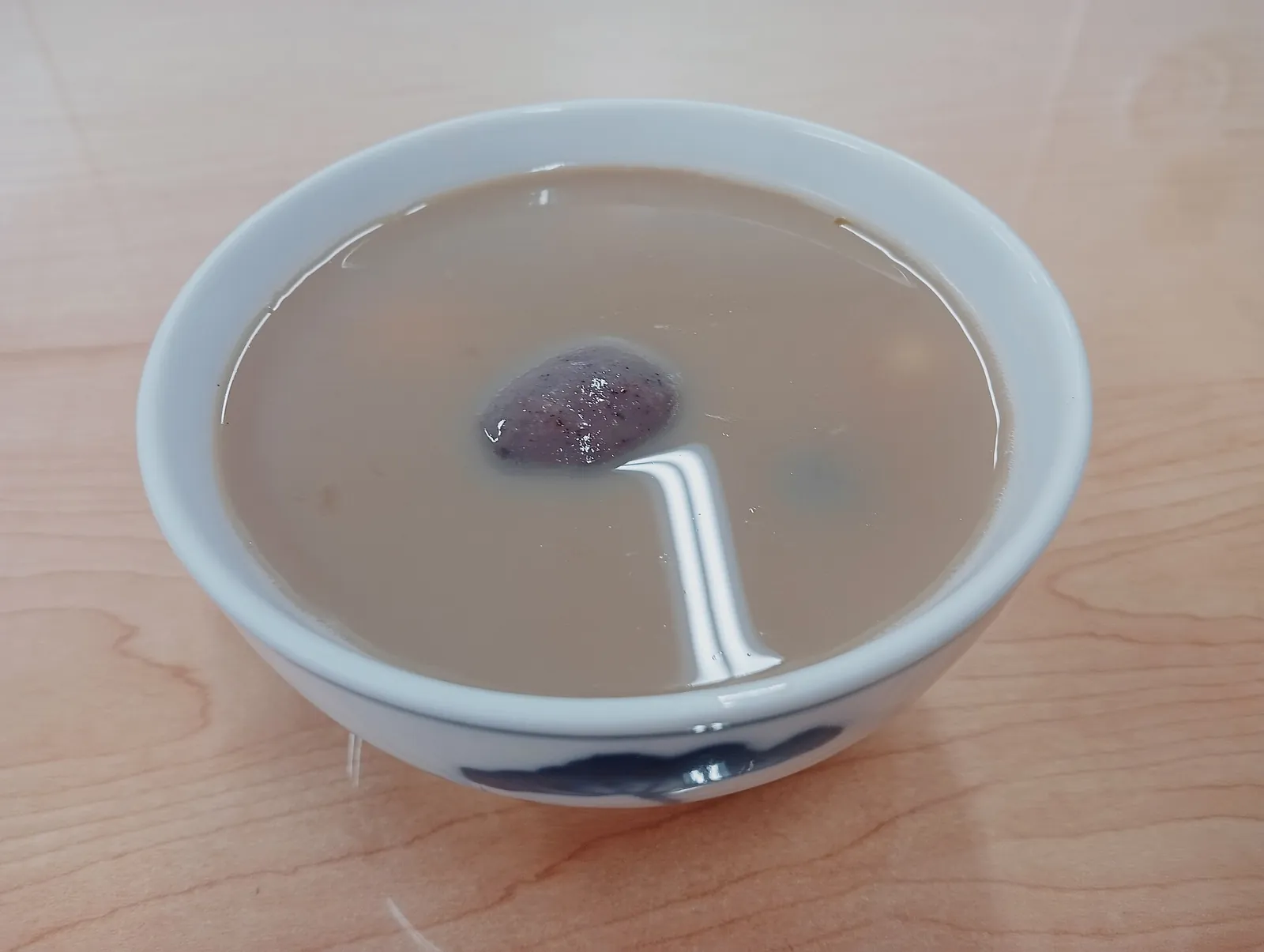
Rice-flour dumplings photographed in Taiwan in December 2024; fillings and ingredients need their own check.
Photograph: Ralff Nestor Nacor — opens in a new tab · CC BY-SA 4.0 — opens in a new tab
Changes: Resized and converted to WebP; displayed with responsive crops. · Original photograph and licence details ↗ — opens in a new tab