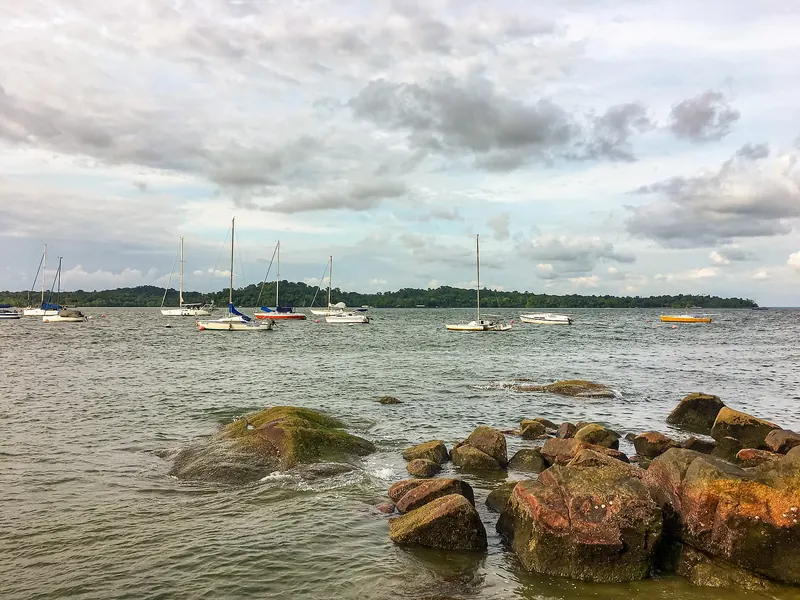
Northern and western Singapore · Singapore
Sungei Buloh guide: mangroves, birds and a careful wetland visit
Sungei Buloh is a wetland visit built around looking carefully, not a list of guaranteed wildlife sightings. Mangroves, mudflats and water-edge routes give the reserve its character, while tide and weather conditions can change which parts are useful or accessible. Choose one route and the correct arrival point, move quietly and leave time to watch. The trip is worthwhile for the habitat itself even when the animal you hoped to see stays out of sight.
- Suggested time
- Half a day plus city travel
- Where to stay
- A central city hotel, with the reserve entrance and return journey planned separately
- Season and timing
- Check current high-tide and bad-weather notices. Keep wildlife expectations flexible; no species sighting is guaranteed in any season.
The short answer
Allow a half-day at the reserve plus the journey from your hotel. Use the current NParks map to select your entrance and route, and check tide-related closures and weather notices before leaving. Stay in a central city area for the wider Singapore trip rather than searching for an unverified reserve hotel. For a guided tour, match the named Wetland Centre meeting point with the actual booking instructions.
An entrance and a tour meeting point are not interchangeable
The official reserve information distinguishes visitor facilities and provides current directions. Choose the correct destination from the official map. If booking a guide, read the exact meeting instructions rather than travelling to a generic reserve pin.
Choose the habitat route and follow closures
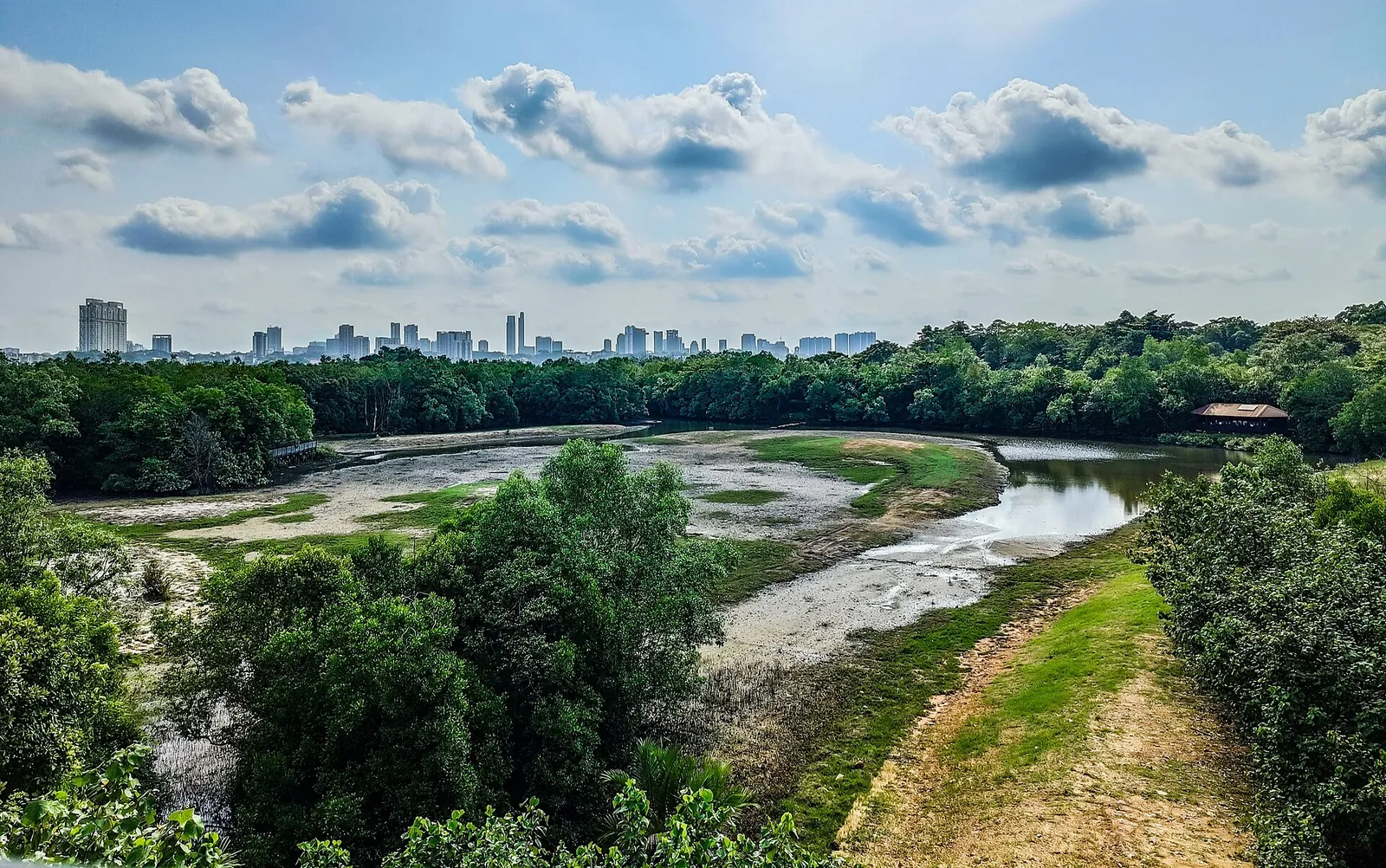
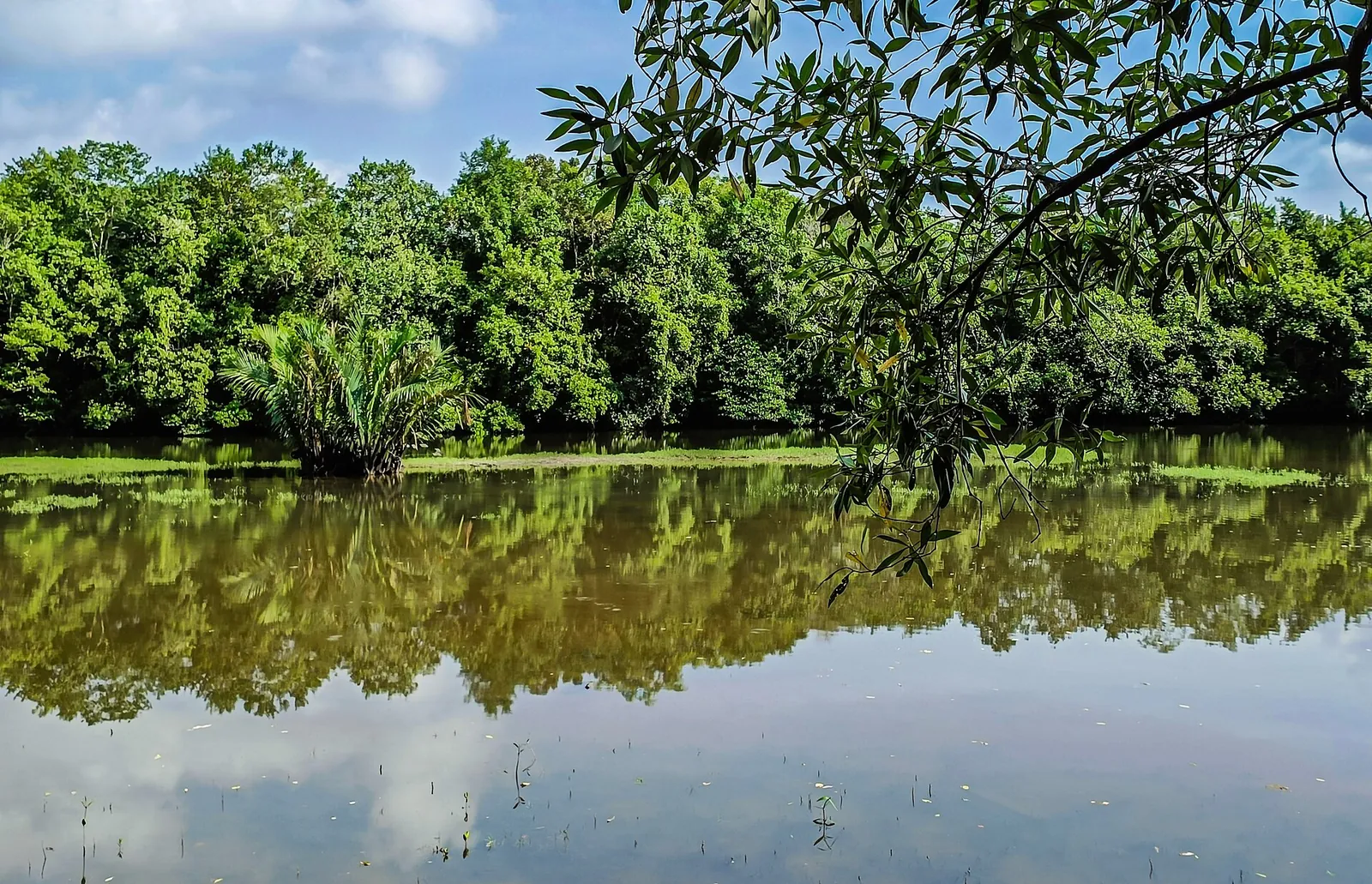
NParks describes Sungei Buloh as a biodiversity-rich wetland and mangrove reserve important for migratory birds. A selected route gives you time to observe water, roots and mudflats rather than moving quickly through every part.
When checked on 2026-10-03, the official reserve page warned that high tides and bad weather can flood areas and trigger closures. It also prohibited jogging and cycling and advised against entering in bad weather. Follow current notices and barriers rather than treating the map as permission to continue.
Make time for the local food
What to eat and where to look
Kaya toast
Toast with coconut-and-egg spread.
- Where to look
- City coffee shops before the reserve journey.
- Fit it into your day
- Breakfast before a later main meal.
Commonly contains egg.
Chicken rice
Chicken with savoury rice and condiments.
- Where to look
- Current city menus before or after the visit.
- Fit it into your day
- A main meal around the longer transport journey.
Check sauces and soup ingredients.
Laksa
Noodles in a spiced coconut-based broth.
- Where to look
- Current Singaporean menus near your hotel.
- Fit it into your day
- A seated meal after returning from the wetland.
Often contains shellfish or fish products.
Look quietly and without a sighting checklist
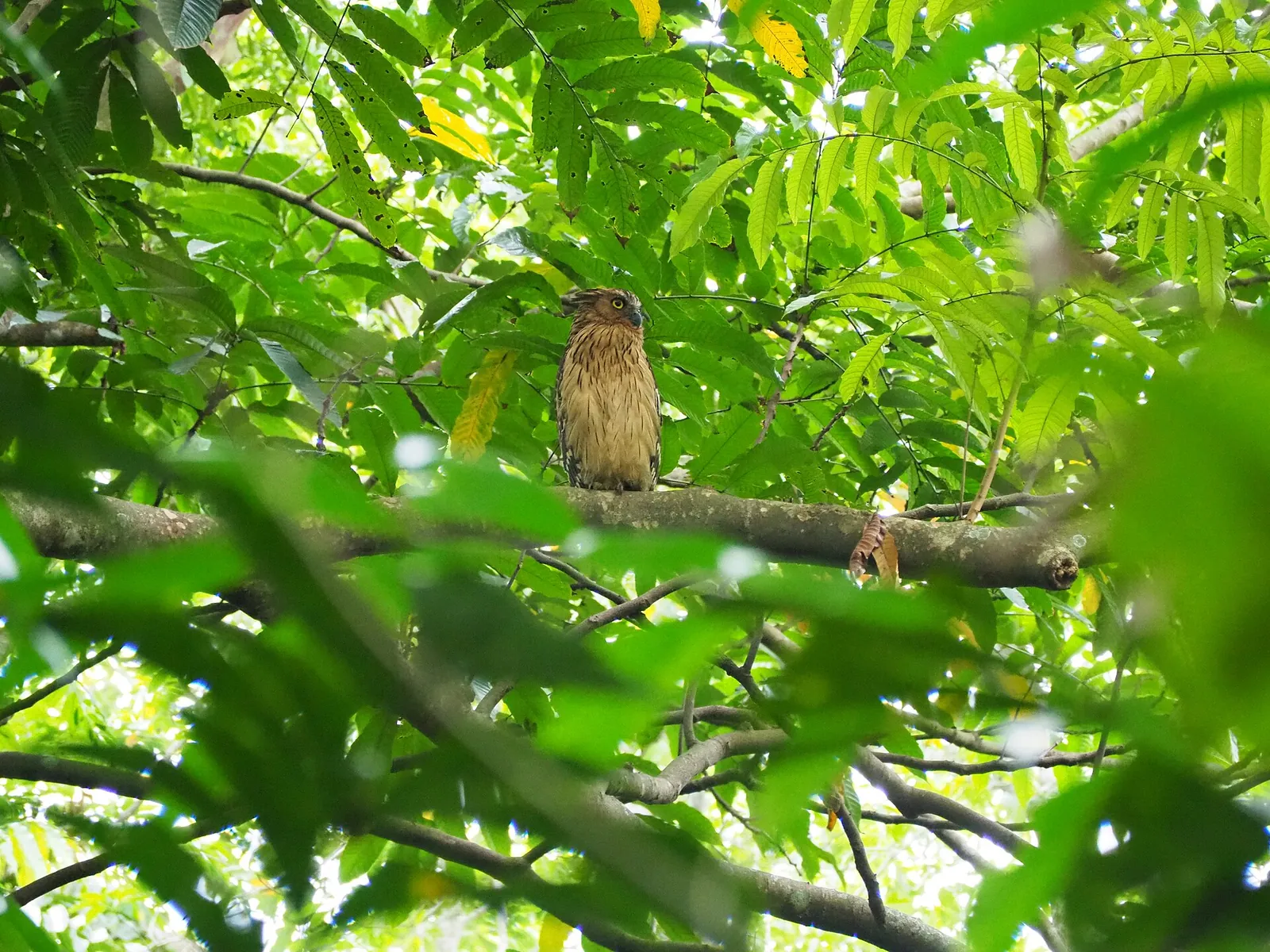
Pause where the route and staff instructions allow, keep voices low and give other observers space. Birds and other wildlife are part of a living habitat; a promotional photograph does not guarantee that animal on your visit.
The linked private nature tour is genuinely centred on Sungei Buloh. Its indexed meeting point is the Wetland Centre area. Confirm the current point, access and route with the operator, especially when a closure changes the useful trail.
Food before and after the reserve
Have a meal before travelling and carry the supplies appropriate to a wetland walk. Do not build the route around an unverified cafe or stall within the reserve. Choose the post-visit meal near your hotel or a checked return connection.
The citywide options below are mainland meal ideas, not reserve specialities. Leave time to get back without rushing the final part of the walk.
Practical questions
Are wildlife sightings guaranteed?
No. Visit for the habitat and look patiently; this guide promises no particular bird or animal.
Can I cycle through the reserve?
The official page checked on 2026-10-03 prohibits cycling and jogging. Follow current reserve rules.
What can change access?
High tides and bad weather can lead to flooding or closures. Check the current official notices before leaving.
Where does the guided tour meet?
Its indexed meeting point is the Wetland Centre area. Confirm the exact current instructions rather than using a generic reserve pin.
Sources and checks before you travel
Reference sources for the version dated 3 October 2026. Confirm opening times, access, transport and conditions for your travel dates.
Does this experience fit your route?
Confirm the exact meeting point and current wetland access before booking, and choose the guide for interpretation rather than guaranteed sightings.
Check dates and details on Viator ↗ — opens in a new tabAffiliate link · Book with ViatorPhoto credits
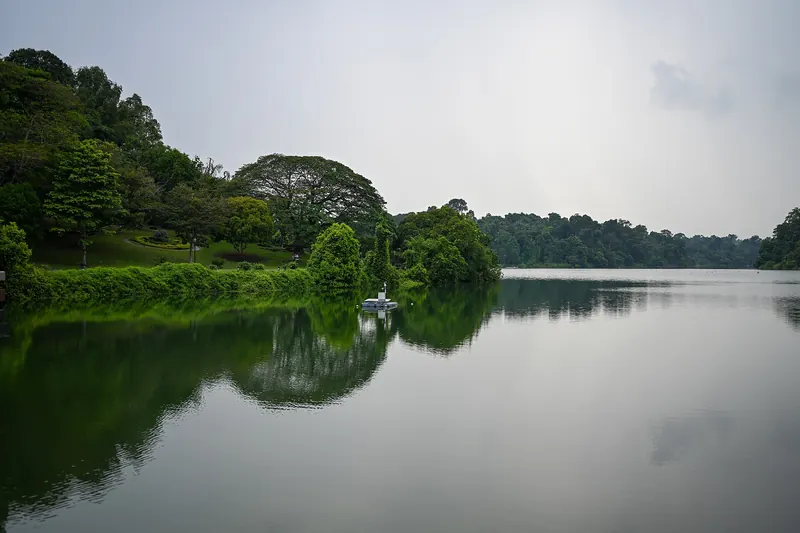
Wetland habitat at Sungei Buloh.
Photograph: FN-082 — opens in a new tab · CC BY-SA 4.0 — opens in a new tab
Changes: Resized and converted to WebP; displayed with responsive crops. · Original photograph and licence details ↗ — opens in a new tab
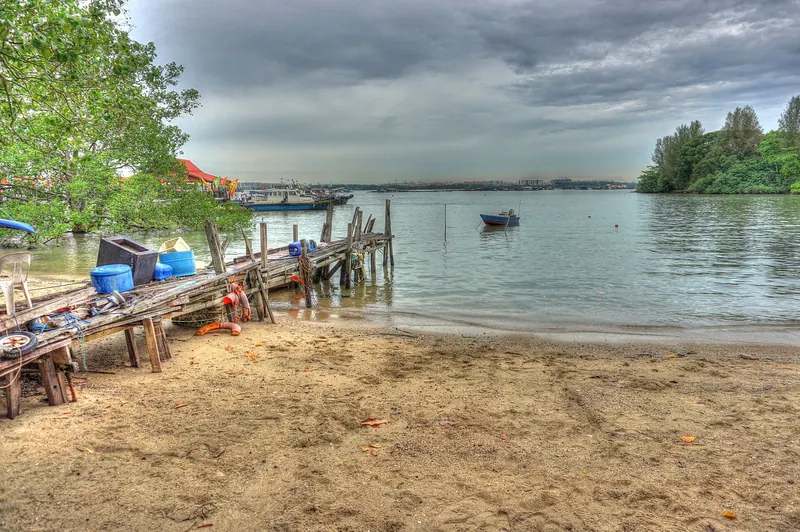
Mangrove habitat at Sungei Buloh.
Photograph: FN-082 — opens in a new tab · CC BY-SA 4.0 — opens in a new tab
Changes: Resized and converted to WebP; displayed with responsive crops. · Original photograph and licence details ↗ — opens in a new tab
An owl photographed at Sungei Buloh; sightings are not guaranteed.
Photograph: Anish Sheela — opens in a new tab · CC BY 4.0 — opens in a new tab
Changes: Resized and converted to WebP; displayed with responsive crops. · Original photograph and licence details ↗ — opens in a new tab
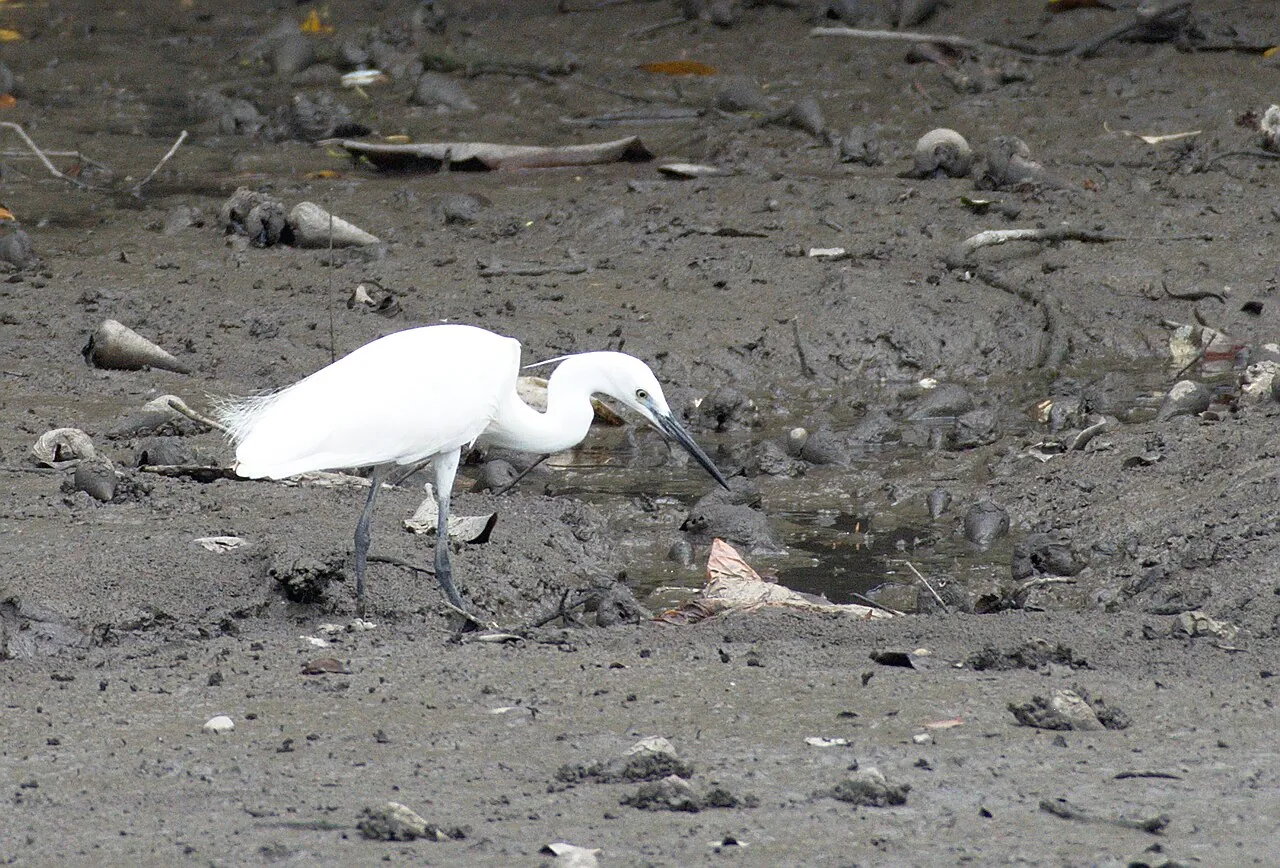
A little egret at Sungei Buloh.
Photograph: Joxean Koret — opens in a new tab · CC BY-SA 4.0 — opens in a new tab
Changes: Resized and converted to WebP; displayed with responsive crops. · Original photograph and licence details ↗ — opens in a new tab