Plan your trip · Singapore
Singapore safety: emergency contacts and practical travel planning
A useful safety plan for Singapore is a short set of arrangements you can actually use: the right emergency contact, a hotel address you can retrieve, a payment backup and a day that can change when conditions do. It should not depend on a claim that any destination is risk-free. Prepare those basics before arrival, then keep the planning proportionate to the neighbourhoods and activities you choose.
- Suggested time
- Use before departure and throughout a 3 to 5 day stay
- Where to stay
- Choose one central hotel area and organise errands around your actual station entrance.
- Season and timing
- Plan sheltered breaks and check the current weather before outdoor outings.
The short answer
For a 3 to 5 day visit, use one accessible central base, save your accommodation and emergency details offline, and arrange each evening’s return before heading out. When checked on 3 October 2026, SCDF directed emergency medical calls to 995 and the police used 999 for police emergencies. Keep ordinary assistance separate from emergency services and consult the current official pages before travel.
Keep the right emergency information available
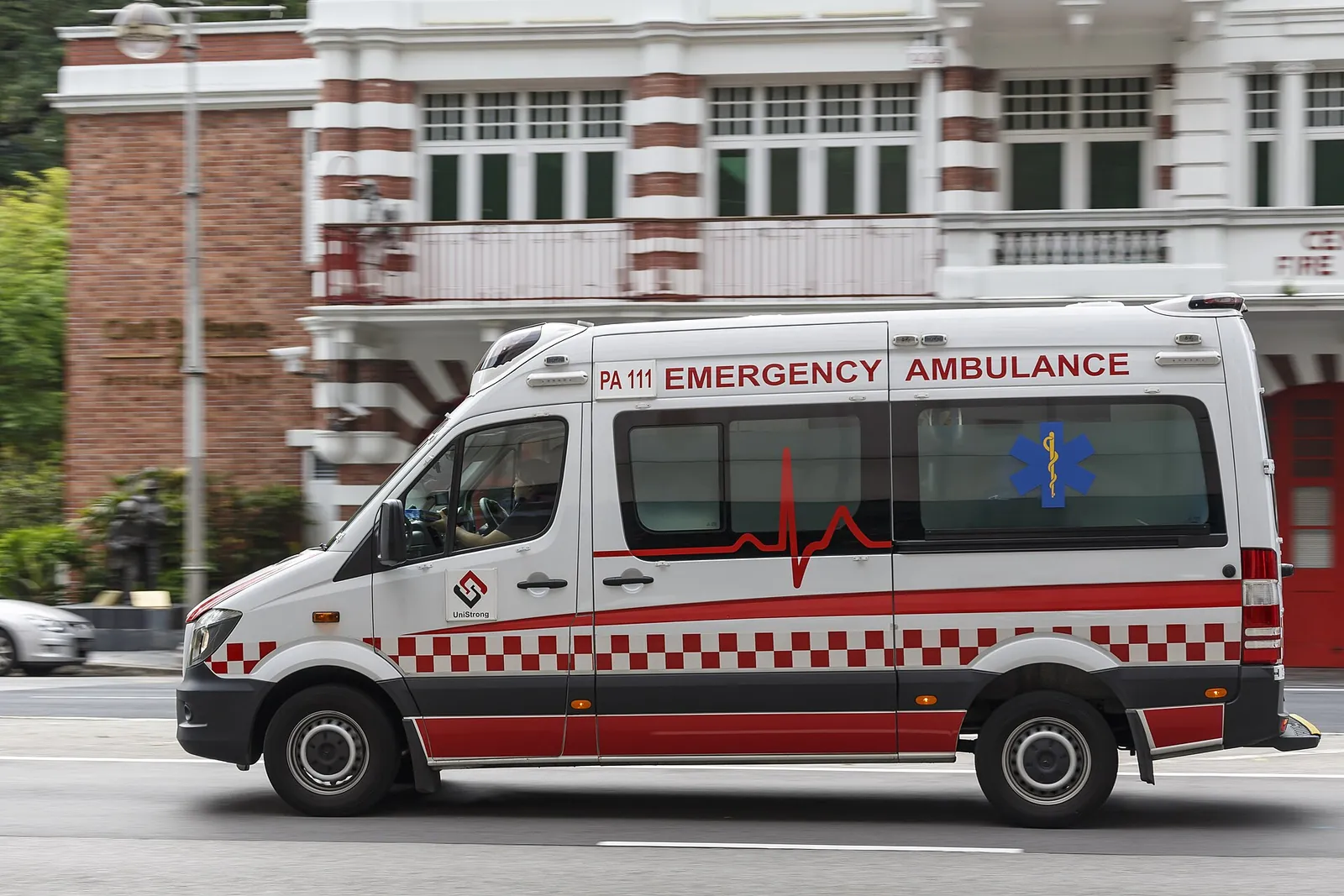
SCDF’s current Emergency Medical Services page says to call 995 for life-threatening medical emergencies. The police advise calling 999 for police emergencies when it is safe to speak, with SMS 70999 reserved for situations where calling is unsafe or you cannot speak. Save those purposes alongside the numbers so an emergency does not become a search through unrelated travel advice.
SCDF asks callers to provide their location and explain what has happened, then follow the call taker’s instructions. Keep your hotel’s full address and a nearby landmark available, and note the precise location when visiting parks or unfamiliar streets. If another person can help guide responders, coordinate with them without delaying the call. This guide does not diagnose symptoms or give treatment instructions.
Use current guidance for non-emergency help
Medical help that is not an emergency needs a different arrangement. SCDF’s page points readers towards clinics and its current non-emergency guidance. It also announces that the 1777 non-emergency ambulance hotline will cease on 1 January 2027. Because that service is changing, use the official page for current options rather than copying an old number from an undated travel checklist.
Keep your insurer’s assistance contact and any relevant booking information accessible. Ask your accommodation for help locating an appropriate service when the matter is routine, and contact a qualified professional for medical advice. Do not assume that a tour guide can provide clinical help, that your hotel includes medical cover or that a particular clinic will be open when you need it.
Make time for the local food
What to eat and where to look
Hainanese chicken rice
Chicken served with seasoned rice and sauces.
- Where to look
- Maxwell or Chinatown chicken-rice menus.
- Fit it into your day
- A seated arrival-day lunch after reaching your hotel.
Ask about stock and sauces if ingredients matter.
Laksa
A rich noodle soup associated with Singapore cooking.
- Where to look
- Katong eateries or a clearly labelled laksa stall.
- Fit it into your day
- Choose it for one proper lunch rather than a hurried transit snack.
Check seafood and other ingredients with the cook.
Kaya toast
Toast with kaya, commonly ordered as a breakfast choice.
- Where to look
- Kopitiams and breakfast cafés around your hotel.
- Fit it into your day
- Eat before the first outing while checking the day’s plans.
Ask about egg and dairy ingredients and accompanying items.
Choose accommodation for the return journey
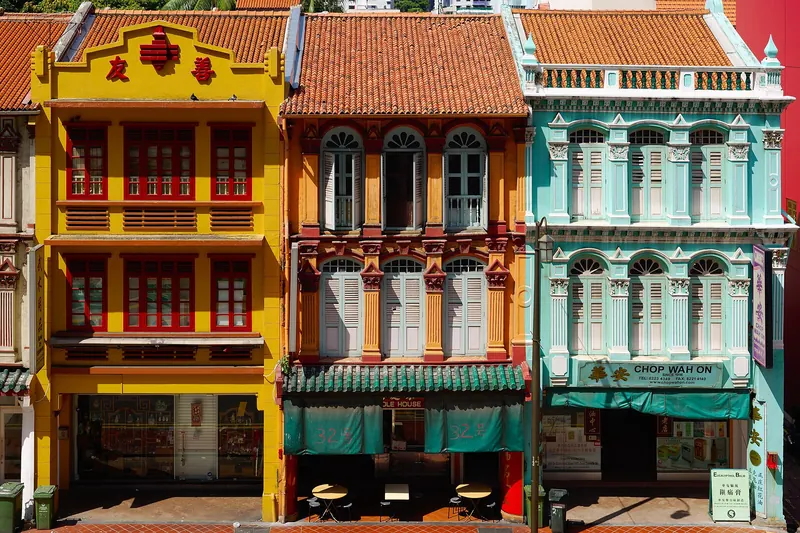
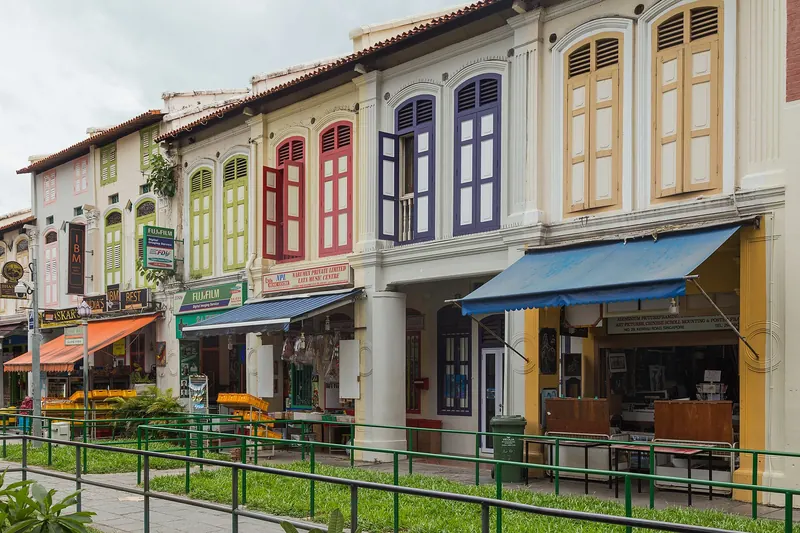
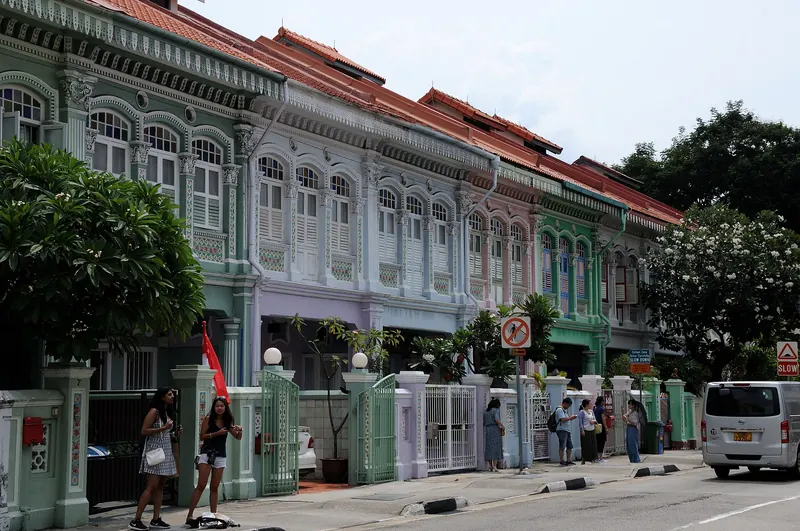
Compare Chinatown, Bugis and City Hall against the places where you expect to finish your evenings. Check the hotel’s actual entrance, reception arrangements and final station connection. A room in an appealing old building can still require a different approach from the one you first see on a map; save a clear arrival instruction before leaving the airport.
Arrange the return from a night outing before starting it. Changi’s current transport page warns that most public buses and MRT services do not run throughout the night. Use current operator information for your journey rather than applying an airport timetable to every part of the city. If an evening plan depends on a specific service, have an alternative and enough flexibility to leave earlier.
Protect bookings and everyday belongings
ScamShield warns about messages impersonating hotel staff and demanding booking verification or payment. Check unexpected requests inside the original booking account or through independently verified property details. Keep payments on the platform where appropriate, and protect banking passwords and one-time codes. A message that names your hotel is not itself proof that the sender represents it.
Carry what you need for the outing and retain a separate payment backup. Decide where the group will meet if a phone stops working, and save booked meeting points offline. At a food centre, keep track of your bags while ordering rather than leaving them out of view as a table marker. These are practical precautions, not a claim about a neighbourhood’s crime rate.
Keep outdoor days easy to change
For parks, waterfront walks and island outings, check the current weather, venue notices and transport information before setting out. Choose a sheltered alternative and leave room to turn back or shorten the visit. An ambitious route becomes harder to change when it is tied to several non-refundable bookings in different parts of Singapore.
Put a seated meal between demanding parts of the day and tell your companions when you want to rest. Ask directly about ingredients if dietary restrictions affect your choice; do not treat a familiar-looking dish as a verified option. The linked city-tour page is a collection of optional sightseeing, not an emergency or safety service. Compare operator arrangements, meeting locations and activity requirements before booking, and keep the arrival day simple enough to settle in.
Practical questions
Which number is for a police emergency?
The police direct emergencies to 999 when it is safe to call. SMS 70999 is for emergencies when speaking is unsafe or impossible.
Which number is for an emergency ambulance?
SCDF directs life-threatening medical emergencies to 995. Follow the call taker’s instructions and provide the precise location.
Should I keep 1777 on a permanent travel checklist?
SCDF announces that hotline’s cessation on 1 January 2027. Consult its current non-emergency page for the arrangements applicable to your travel date.
What if a hotel message asks for urgent payment?
Check your original reservation account and independently verified property contact. Do not treat the message’s knowledge of your booking as proof it is genuine.
Sources and checks before you travel
Reference sources for the version dated 3 October 2026. Confirm opening times, access, transport and conditions for your travel dates.
- SCDF: Emergency Medical Services ↗ — opens in a new tab
- Singapore Police Force: emergency SMS ↗ — opens in a new tab
- ScamShield: transact securely ↗ — opens in a new tab
- Singapore Tourism Board: local food ↗ — opens in a new tab
- Singapore Tourism Board: Chinatown ↗ — opens in a new tab
- Changi Airport: leaving the airport ↗ — opens in a new tab
- Changi Airport: airport code ↗ — opens in a new tab
- Viator: Singapore city tours collection ↗ — opens in a new tab
Does this experience fit your route?
Compare the collection only if a guided outing fits the day you have planned.
Browse relevant experiences on Viator ↗ — opens in a new tabAffiliate link · Book with ViatorPhoto credits
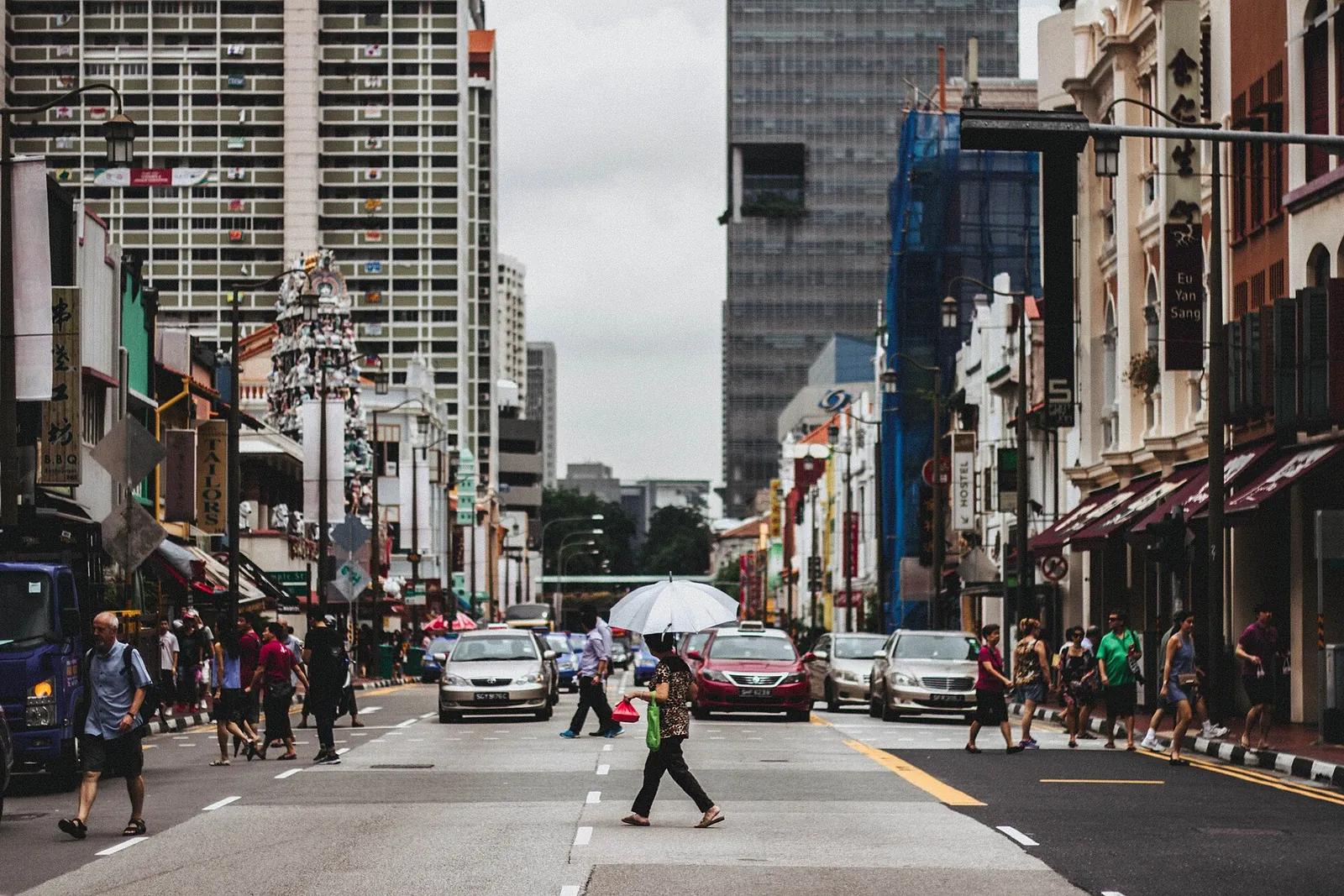
A pedestrian crossing in central Singapore.
Photograph: Lily Lvnatikk lvnatikk — opens in a new tab · CC0 — opens in a new tab
Changes: Resized and converted to WebP; displayed with responsive crops. · Original photograph and licence details ↗ — opens in a new tab
An ambulance outside Central Fire Station in Singapore.
Photograph: CEphoto, Uwe Aranas — opens in a new tab · CC BY-SA 4.0 — opens in a new tab
Changes: Resized and converted to WebP; displayed with responsive crops. · Original photograph and licence details ↗ — opens in a new tab
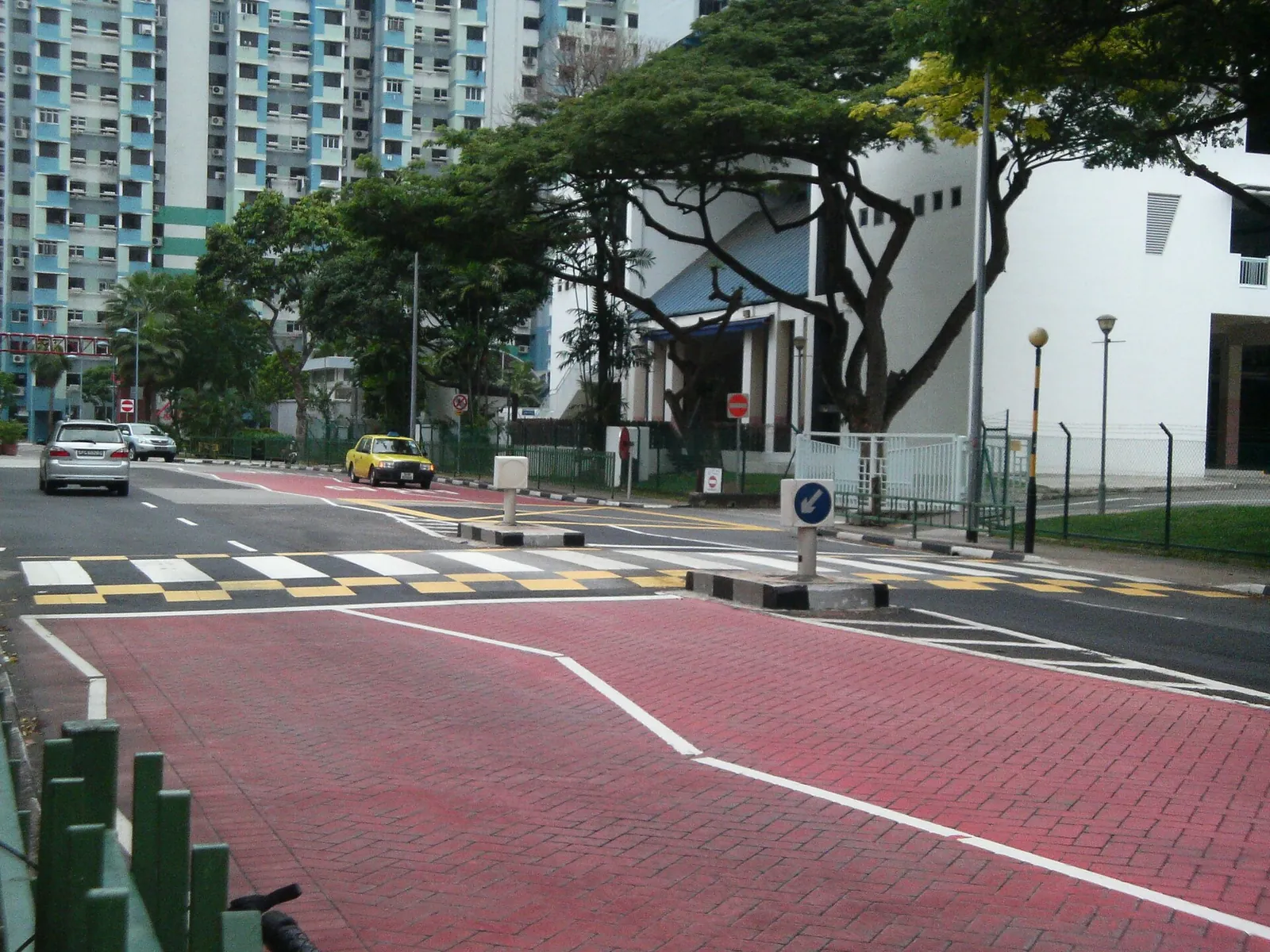
A raised zebra crossing in Marine Parade, photographed in 2007.
Photograph: Woodysee at en.wikipedia. — opens in a new tab · CC BY-SA 3.0 — opens in a new tab
Changes: Resized and converted to WebP; displayed with responsive crops. · Original photograph and licence details ↗ — opens in a new tab
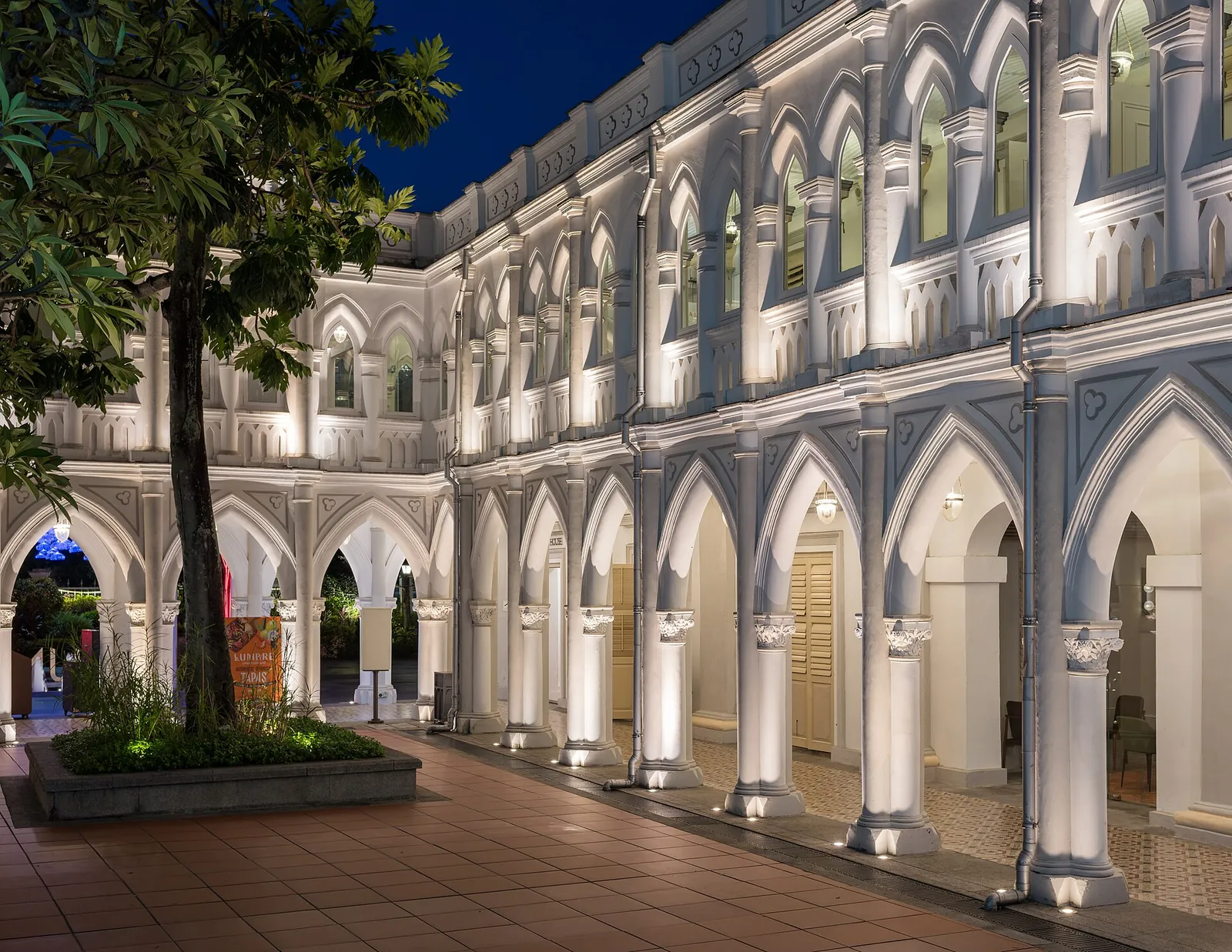
CHIJMES after dark, photographed in 2023.
Photograph: Frank Schulenburg — opens in a new tab · CC BY-SA 4.0 — opens in a new tab
Changes: Resized and converted to WebP; displayed with responsive crops. · Original photograph and licence details ↗ — opens in a new tab