Plan your trip · Singapore
Singapore food guide: hawker meals, neighbourhoods and ordering
Singapore rewards a meal plan with room to change your mind. Instead of crossing the island for every famous dish, give each sightseeing district one main food stop and leave a breakfast or dessert slot open. A hawker lunch, an Indian restaurant meal and a Peranakan dinner need different amounts of time and different kinds of ordering. Build the visit around the food you actually want to eat, rather than treating an award list as an itinerary.
- Suggested time
- Use before departure and throughout a 3 to 5 day stay
- Where to stay
- Choose one central hotel area and organise errands around your actual station entrance.
- Season and timing
- Plan sheltered breaks and check the current weather before outdoor outings.
The short answer
For a first 3 to 5 day stay, choose a hotel near Chinatown, Bugis or another central station and spread meals across the neighbourhoods you are already visiting. Pair Chinatown with a hawker lunch, Little India with an unhurried restaurant meal and Katong with a separate food outing. Keep one tasting tour optional, and check ingredients, payment and the dishes being served before ordering.
Choose food districts before choosing individual stalls
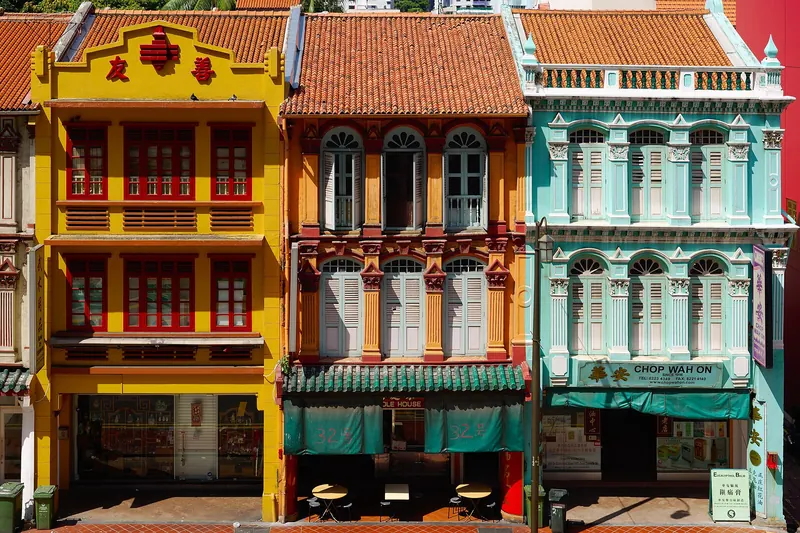
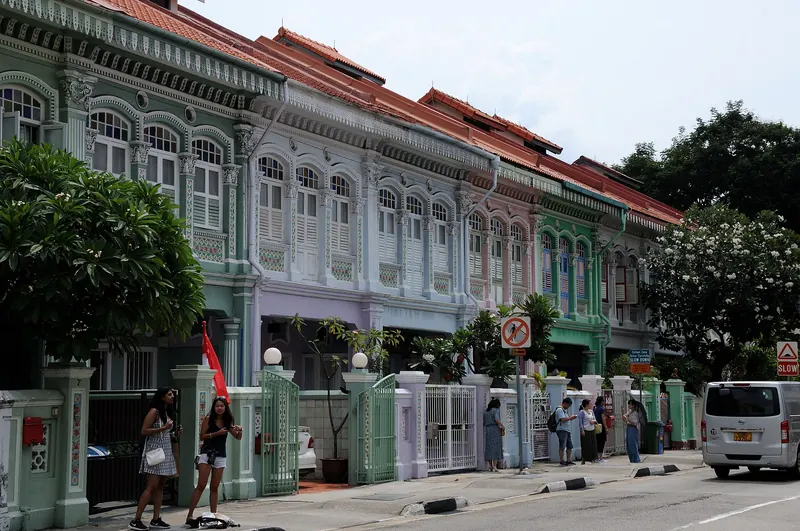
Start with your existing walks. Chinatown gives you a reason to compare Maxwell Food Centre and Chinatown Complex; select one for the main meal instead of queuing at both. Little India offers a different eating context, while Katong works better as a deliberate east-side visit than a last-minute detour between central museums.
Book your hotel for the evenings as well as the attractions. Chinatown and Maxwell suit a trip where returning for dinner matters; Bugis is worth comparing if Kampong Glam is prominent in your plans. Before committing, identify a breakfast option and a second nearby meal that you would happily eat if your first choice is closed. This is more useful than counting how many famous restaurants appear within a broad map circle.
Order a meal, then decide whether you want a tasting
Look at the stall’s actual menu and the food being prepared before choosing a queue. Ask whether the displayed dish is available and whether the portion suits one person or sharing. Make the first order small enough that you can still enjoy it: a rice meal plus several substantial snacks can quickly erase the appetite you meant to save for dinner.
Chicken rice, laksa and kaya toast are among the local dishes highlighted by the Singapore Tourism Board. They make a useful starting set because they can occupy different meal slots. Choose breakfast, a savoury lunch and a later restaurant meal, rather than forcing several mains into one sitting. Order drinks separately when the stall arrangement requires it; ask where to collect your meal if the process is unclear.
Make time for the local food
What to eat and where to look
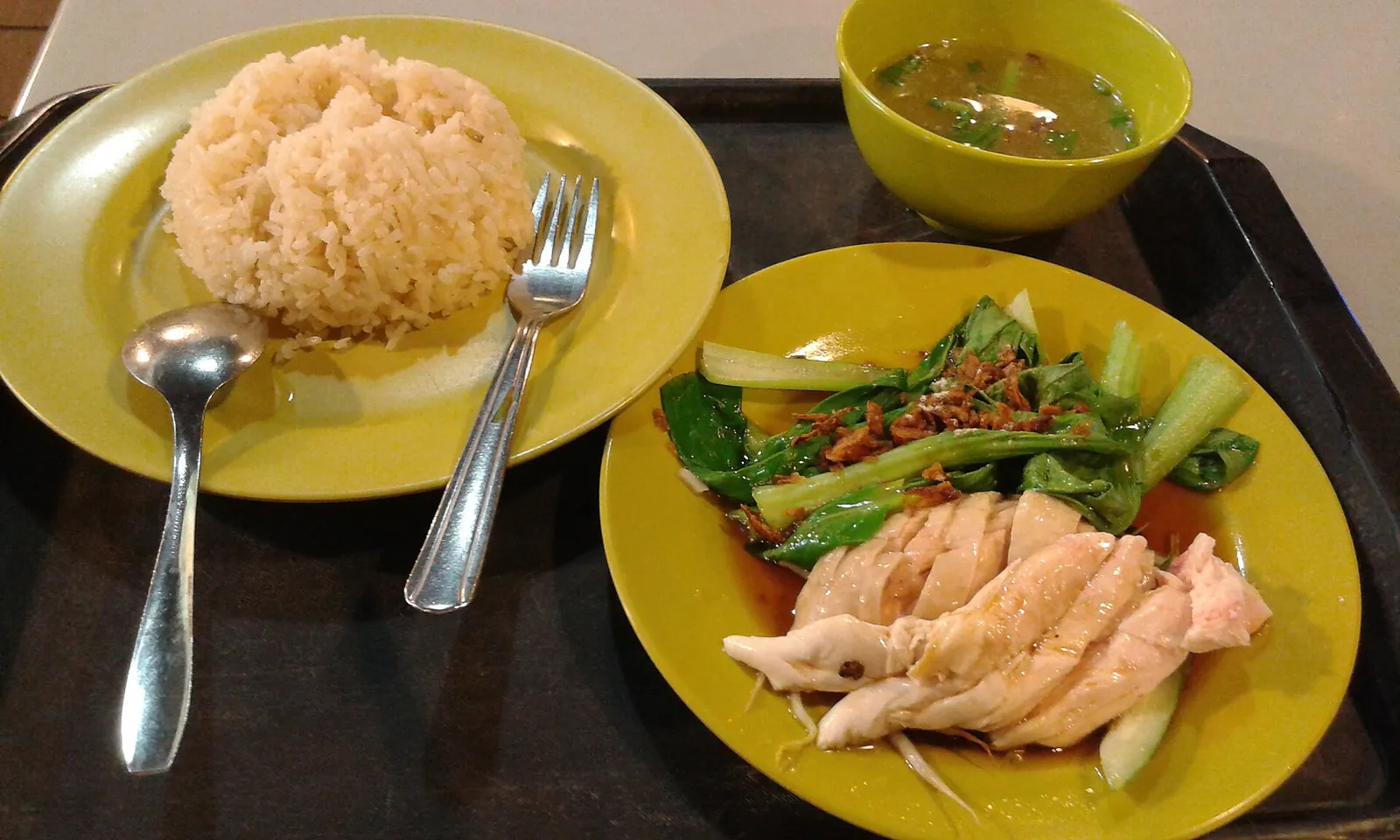
Hainanese chicken rice
Chicken served with seasoned rice and sauces.
- Where to look
- Maxwell or Chinatown chicken-rice menus.
- Fit it into your day
- A seated arrival-day lunch after reaching your hotel.
Ask about stock and sauces if ingredients matter.
Laksa
A rich noodle soup associated with Singapore cooking.
- Where to look
- Katong eateries or a clearly labelled laksa stall.
- Fit it into your day
- Choose it for one proper lunch rather than a hurried transit snack.
Check seafood and other ingredients with the cook.
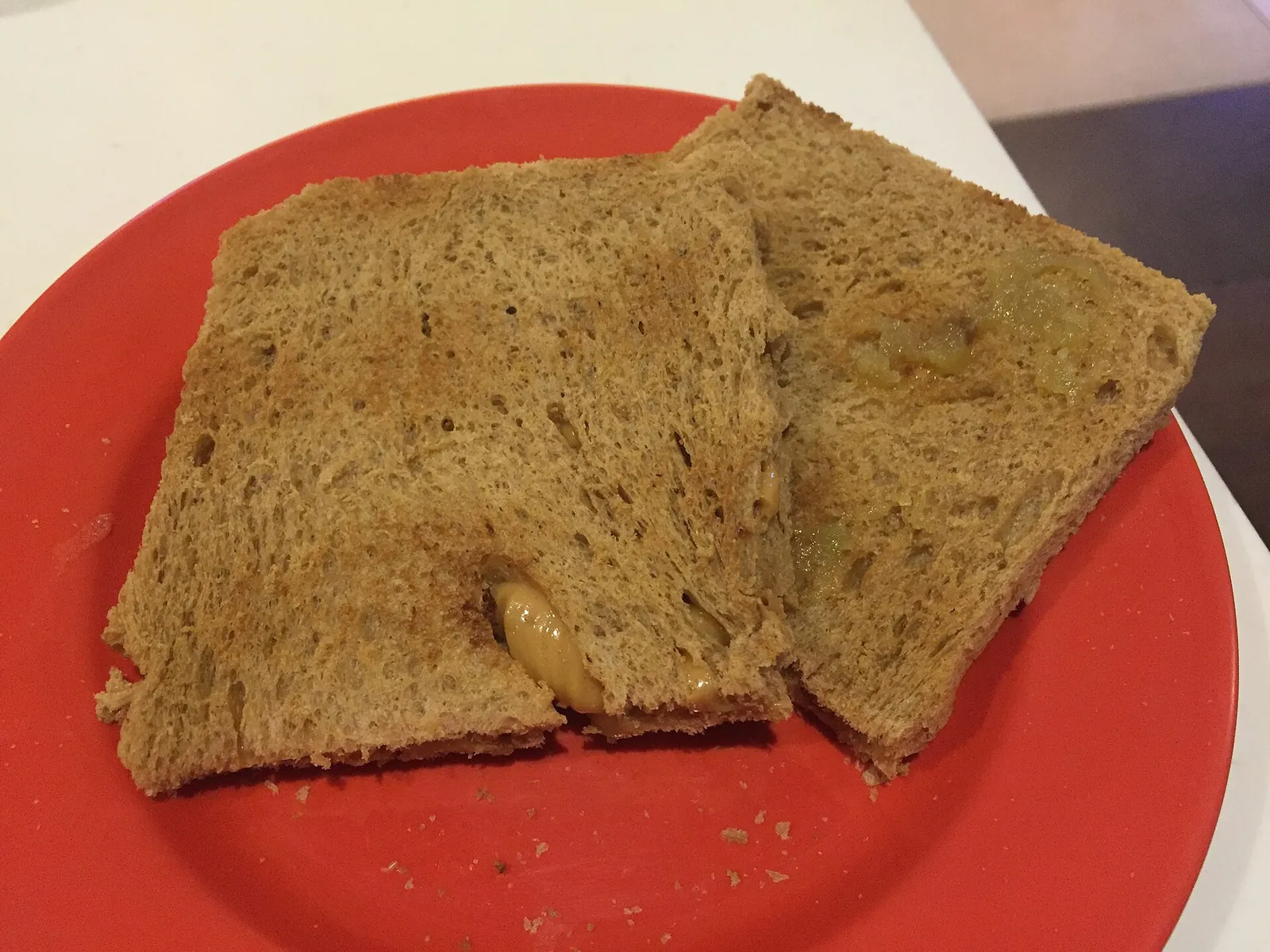
Kaya toast
Toast with kaya, commonly ordered as a breakfast choice.
- Where to look
- Kopitiams and breakfast cafés around your hotel.
- Fit it into your day
- Eat before the first outing while checking the day’s plans.
Ask about egg and dairy ingredients and accompanying items.
Ask concrete dietary questions
Describe what you avoid rather than relying on a broad label. Ask about the stock, sauce, garnish and cooking method that concern you. A vegetable topping or a dish whose name sounds meat-free does not establish the ingredients of the complete order. If the stall cannot confirm what you need, move to a place where the menu and staff can answer clearly.
Vegetarians and vegans should use the separate vegetarian guide to choose suitable restaurants in advance. Travellers with allergies should confirm their requirements directly with the business, including preparation and cross-contact questions. A food tour is only useful for these needs if its operator has agreed workable substitutions before you pay; a general promise to accommodate preferences is not a confirmed tasting menu.
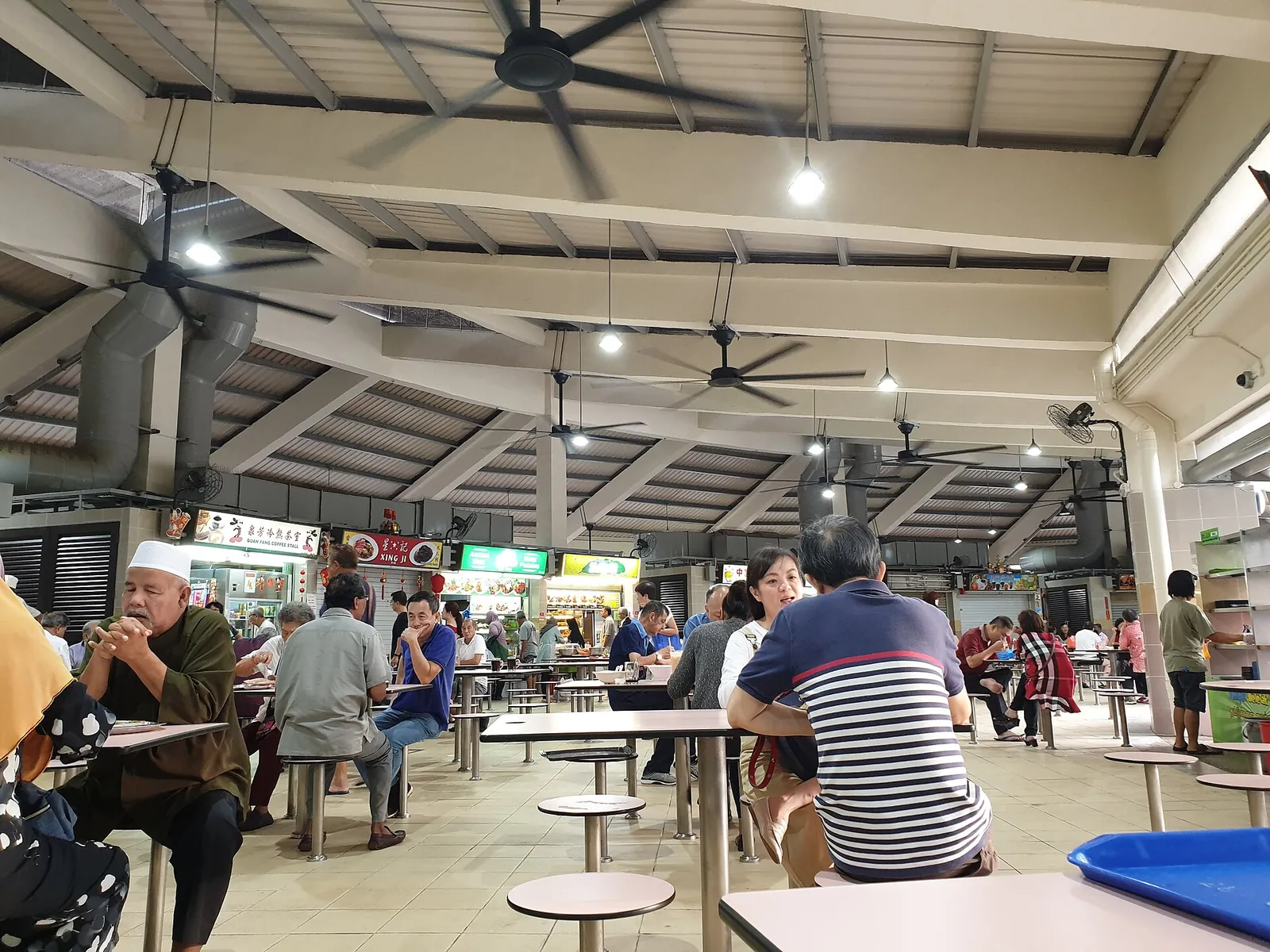
Use hawker spaces considerately
Take time to understand where to order, pay and collect food, then keep the stall frontage free for other customers. Have an alternative payment method ready and ask about acceptance before ordering a large shared meal. Do not assume one stall’s payment options apply to the whole centre.
The National Environment Agency’s dining guidance calls for returning used trays and crockery and clearing table litter. Follow the return-point signs rather than leaving a tray behind because someone is cleaning another table. Pack only the amount you expect to finish, and leave yourself a pause before the next food stop. These are working communal eating places, not unlimited tasting counters.
Decide what a tour adds to your trip
The linked Viator page is a food-tour collection, with different routes and tasting arrangements. Compare neighbourhood coverage, meeting point, walking demands and substitutions on the individual product. Avoid booking a full restaurant meal immediately afterwards until you know the quantity of included food.
Independent eating leaves room to repeat a dish you liked and change plans when a queue or menu disappoints. A guide can add explanation and help with unfamiliar ordering. Choose according to that benefit, then organise the rest of the day around the meeting district. Your airport arrival day is better kept flexible: reach the hotel, eat nearby and save the most structured meal for a day when you are settled.
Practical questions
How many food outings should I plan?
One main food stop per sightseeing district is a useful start. Leave space to repeat favourites instead of assigning every meal to a distant venue.
Do I need a hawker food tour?
No. Compare a tour when explanations and ordering help would improve your visit; inspect its actual tasting list first.
Can I assume a vegetable dish is vegetarian?
Confirm the complete ingredients, including stock and sauces. Use a dedicated eatery if the stall cannot answer your requirements.
Should I stay in Chinatown for food?
It is a useful area to compare if hawker meals and shophouse evenings are priorities. Check the actual hotel entrance and nearby alternatives.
Sources and checks before you travel
Reference sources for the version dated 3 October 2026. Confirm opening times, access, transport and conditions for your travel dates.
- Singapore Tourism Board: local food ↗ — opens in a new tab
- Singapore Tourism Board: Chinatown ↗ — opens in a new tab
- NEA: cleaner tables ↗ — opens in a new tab
- Changi Airport: leaving the airport ↗ — opens in a new tab
- Changi Airport: airport code ↗ — opens in a new tab
- Viator: Singapore food tours collection ↗ — opens in a new tab
Does this experience fit your route?
Compare the collection only if a guided outing fits the day you have planned.
Browse relevant experiences on Viator ↗ — opens in a new tabAffiliate link · Book with ViatorPhoto credits
A Hainanese chicken rice meal photographed in Singapore.
Photograph: Pauloleong2002 — opens in a new tab · CC BY-SA 4.0 — opens in a new tab
Changes: Resized and converted to WebP; displayed with responsive crops. · Original photograph and licence details ↗ — opens in a new tab
A Singapore hawker centre in the morning.
Photograph: Kagenlim — opens in a new tab · CC BY-SA 4.0 — opens in a new tab
Changes: Resized and converted to WebP; displayed with responsive crops. · Original photograph and licence details ↗ — opens in a new tab
Kaya toast photographed at Ya Kun Kaya Toast, Singapore.
Photograph: Jacklee — opens in a new tab · CC BY-SA 4.0 — opens in a new tab
Changes: Resized and converted to WebP; displayed with responsive crops. · Original photograph and licence details ↗ — opens in a new tab
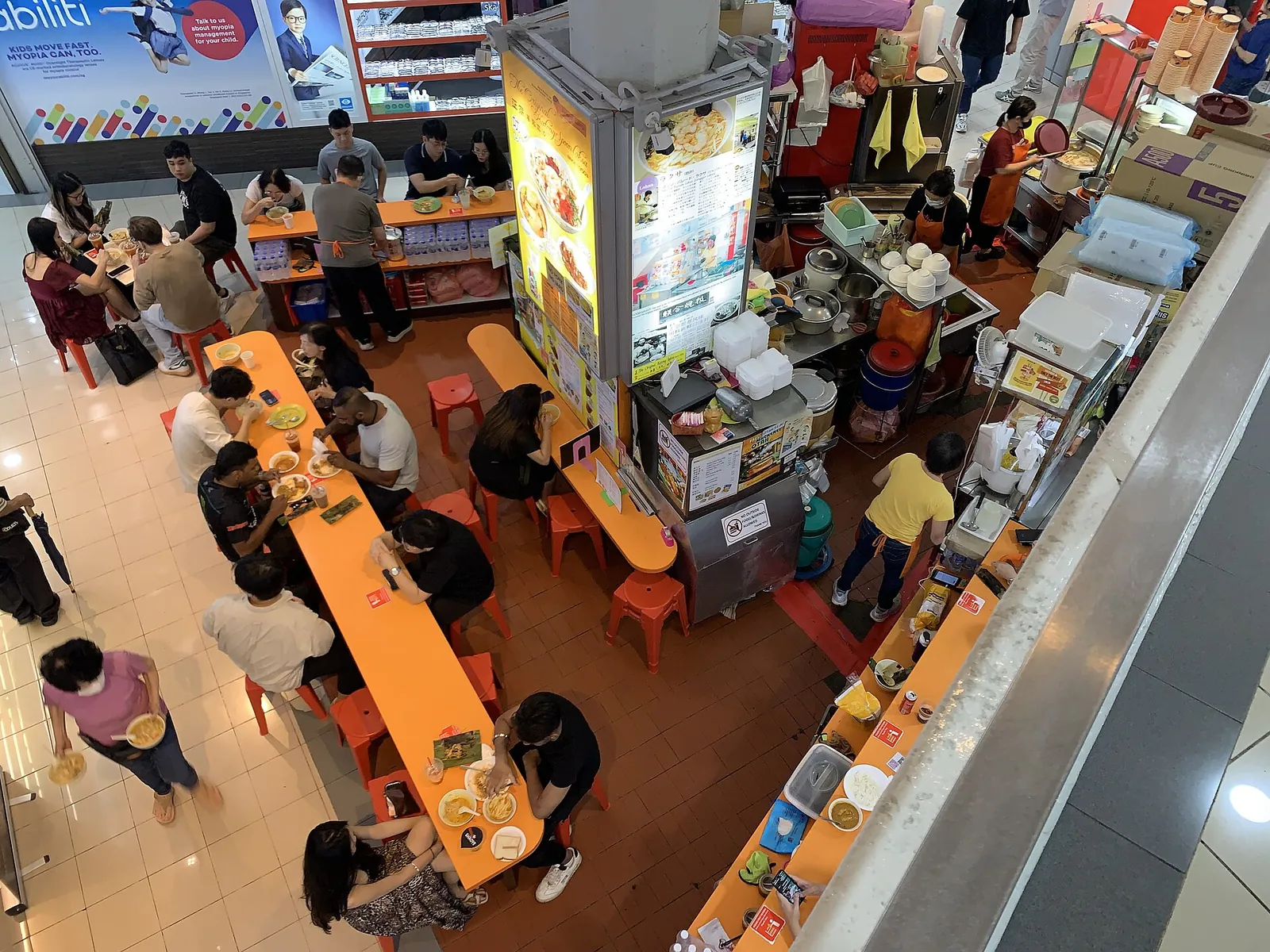
A laksa outlet in Queensway Shopping Centre, photographed in 2025.
Photograph: Chainwit. — opens in a new tab · CC BY 4.0 — opens in a new tab
Changes: Resized and converted to WebP; displayed with responsive crops. · Original photograph and licence details ↗ — opens in a new tab