Plan your trip · Singapore
Singapore festivals: plan around dates, districts and real events
Festival travel in Singapore needs two calendars: the public holiday and the actual visitor programme. A holiday date does not tell you when a street market opens, when a performance takes place or whether a venue closes. Choose the cultural setting that interests you, then build the trip around the organiser’s confirmed programme. Keep ordinary neighbourhood time alongside the event so the visit still works if a performance changes or the weather interrupts the evening.
- Suggested time
- Three or four days around a confirmed programme
- Where to stay
- Bugis / Kampong Glam or City Hall / Beach Road, matched to the event
- Season and timing
- Choose the confirmed festival programme for your travel year. Public holidays and visitor event schedules are separate; plan an alternative if rain changes an outdoor evening.
The short answer
Use three or four days for a festival-led city break, as an editorial suggestion, with one confirmed event as the anchor. Compare Bugis/Kampong Glam with City Hall/Beach Road according to the venue and return journey. Check the travel year carefully, keep public holidays separate from event schedules and book any special admission through the actual organiser. A cultural-tour collection adds context but does not provide festival access.
Choose a base for the evening return
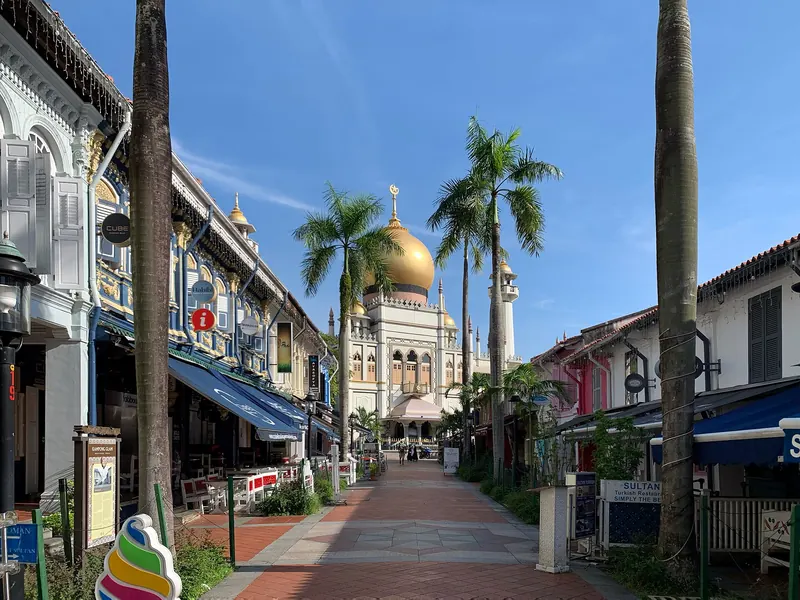
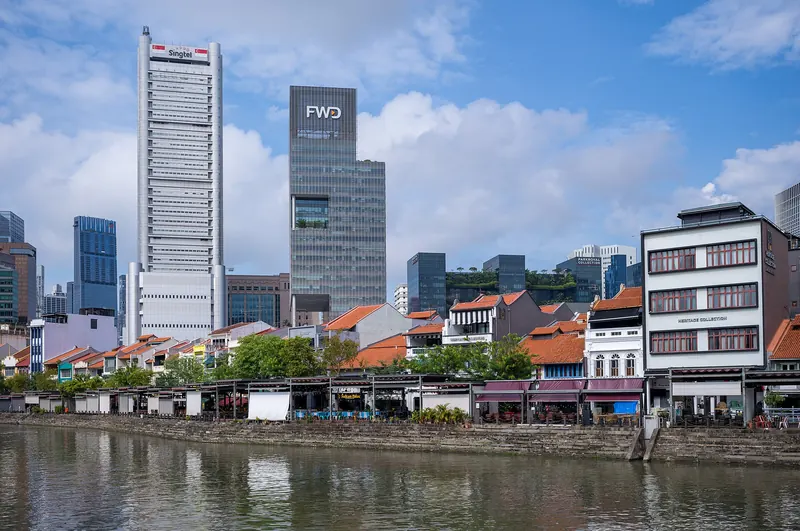
An evening event changes the hotel decision because the return matters as much as getting there. Compare the organiser’s entrance and finish arrangements with the actual hotel location. Bugis/Kampong Glam offers a real accommodation area for neighbourhood-focused travel; City Hall/Beach Road is another central choice. Neither places every celebration outside your door.
Check the final journey before buying a non-refundable ticket. Keep a meal near the venue or hotel as an alternative to relying entirely on a festive market. If the event is the main reason for travelling, leave arrival day flexible and avoid making a delayed flight the only chance to attend.
A public holiday is not an event timetable
When checked on 2026-10-03, the Ministry of Manpower’s 2026 list gave Deepavali as 8 November 2026 and listed 9 November 2026 as a public holiday. Its Chinese New Year dates were 17 and 18 February 2026. These dates establish that year’s holiday calendar, not the days or hours of every light-up, market or performance.
For another travel year, consult that year’s official list and then the relevant organiser. Do not move a religious festival into the same Gregorian dates next year. Read any qualification attached to the dates and recheck before finalising bookings. A programme from an earlier year can explain the setting but cannot confirm the current event.
Make time for the local food
What to eat and where to look
Chicken rice
Chicken with aromatic rice and condiments.
- Where to look
- Current hawker or food-court menus near your selected outing; choose the venue before committing to a long queue.
- Fit it into your day
- A main meal; ask for sauces separately if preferred.
Check broth, sauces and ingredients with the stall.
Kaya toast
Toast with a sweet coconut spread.
- Where to look
- Coffee-shop menus near your chosen hotel base.
- Fit it into your day
- A breakfast option before the main outing.
Check egg and dairy ingredients and any sides.
Roti prata
Flatbread commonly served with curry.
- Where to look
- Current coffee-shop or food-court menus along your route.
- Fit it into your day
- A meal or shared snack when it suits your appetite.
Fillings and curry ingredients vary; specify dietary needs.
Explore the district beyond the headline celebration
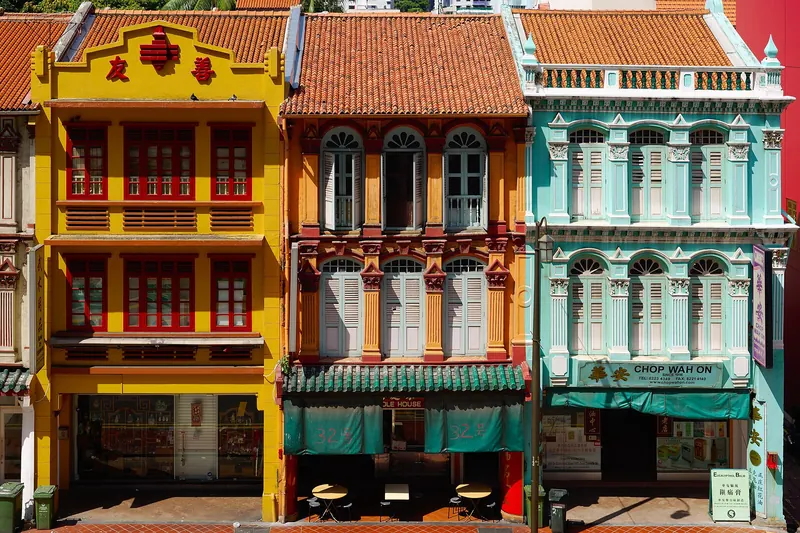
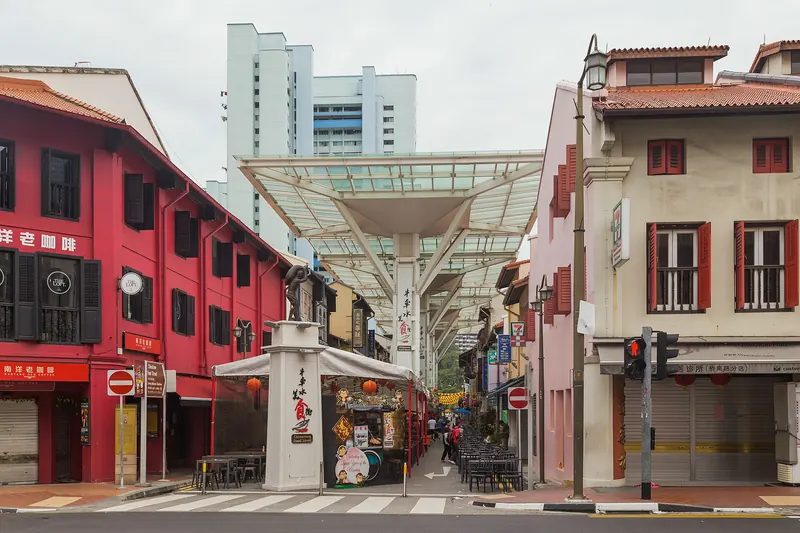
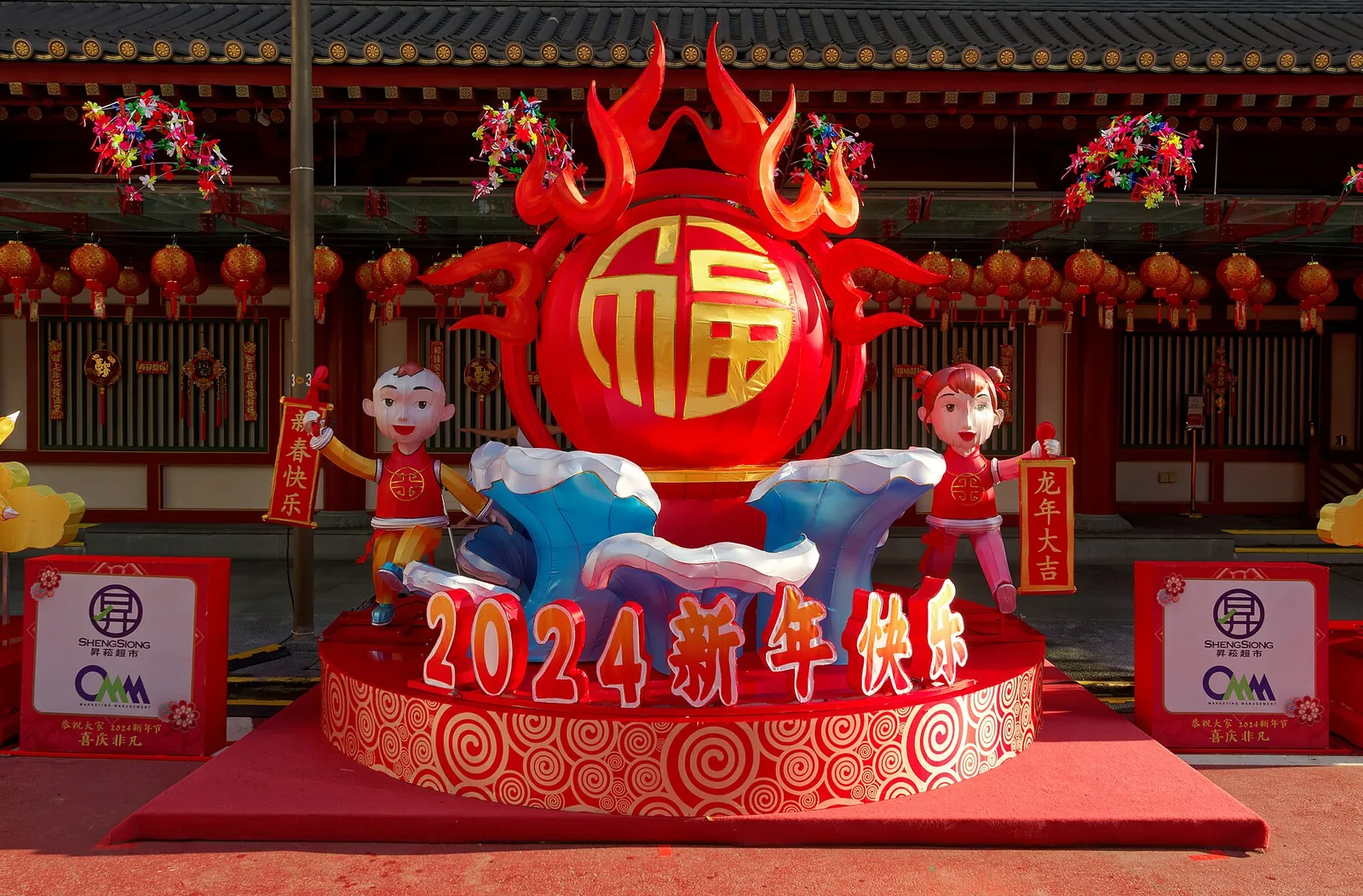
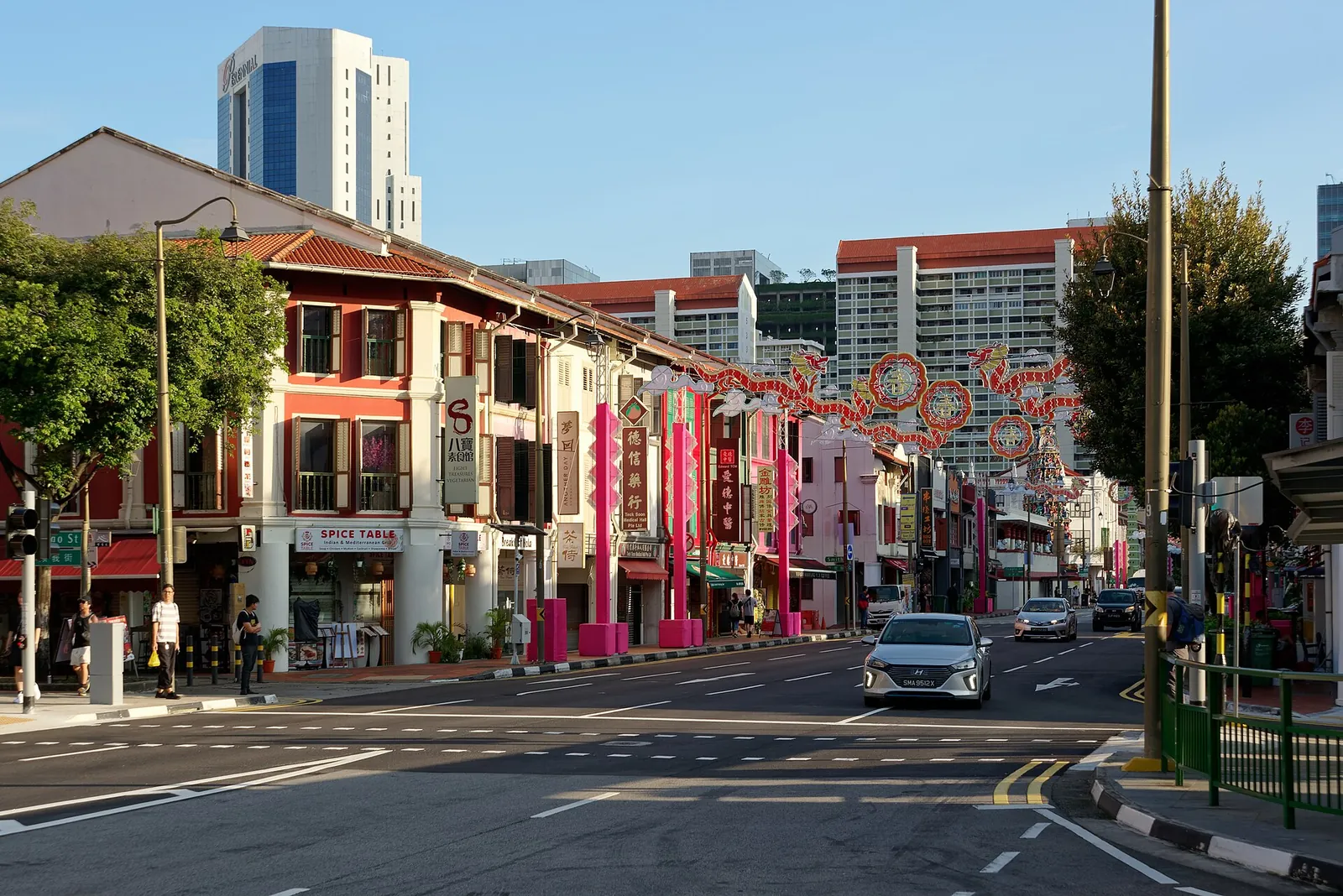
The Chinatown association describes Chinese New Year through family reunion traditions and the district’s festive setting. Its older explanatory article also includes an old event date, which should not be used as a current schedule. Choose a neighbourhood walk for context and a separately confirmed event for the timed part of the visit.
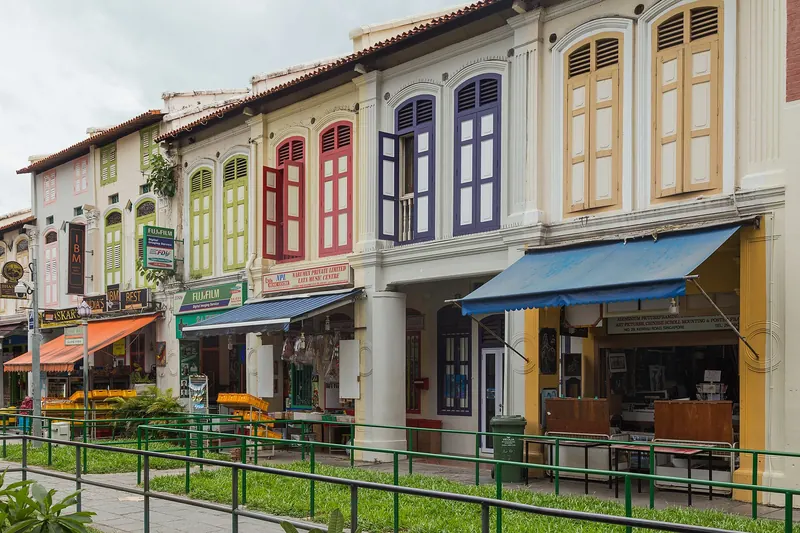
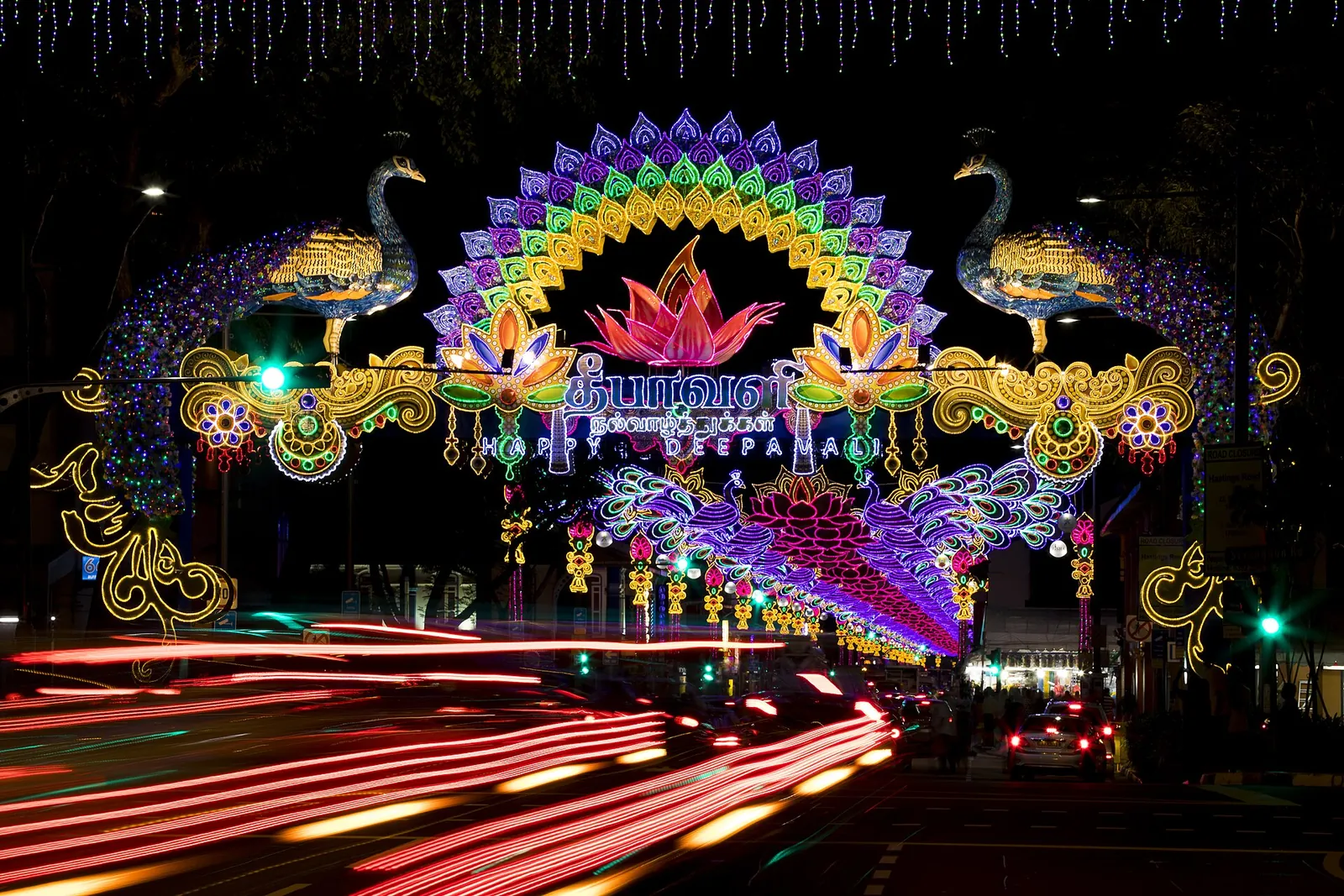
Visit Singapore’s indexed Deepavali material points visitors towards Little India and its cultural setting. Check the current programme directly for the particular market, light-up or performance you want. Places of worship remain living religious spaces: follow the site’s visitor directions and ask before photographing people or ceremonies. Watching from a public street does not create permission to enter every venue.
Keep meals and ticket expectations realistic
The linked Viator page is a cultural-tour collection. It can help compare guided neighbourhood introductions, but a cultural tour is not automatically a festival ticket, a ceremony invitation or privileged access through a crowd. Read its route and inclusions and ask the provider whether the selected date changes the itinerary.
Choose regular local meals as well as any seasonal food you encounter. Chicken rice, kaya toast and roti prata are year-round menu ideas here, not claims that each belongs to the festival you are visiting. Confirm ingredients and service at the venue. Leave room to return for a quieter visit if a crowded evening prevents the exploration you hoped for.
Practical questions
Does the public holiday tell me when the market opens?
No. Use the public-holiday list for calendar planning and the actual organiser for the market or performance schedule.
Can I use an older festival programme?
Use it only for background. Check the correct travel year and current organiser announcement before relying on dates, admission or venue arrangements.
Does a cultural tour include festival admission?
Only if the selected product explicitly says so. The linked page is a collection, not a single festival ticket.
Where should I stay for a festival visit?
Match the actual venue and evening return to a real hotel area. Bugis/Kampong Glam and City Hall/Beach Road are comparison bases, not guarantees of nearby celebrations.
Sources and checks before you travel
Reference sources for the version dated 3 October 2026. Confirm opening times, access, transport and conditions for your travel dates.
- Ministry of Manpower: 2026 public holidays ↗ — opens in a new tab
- Chinatown Business Association: Chinese New Year ↗ — opens in a new tab
- Visit Singapore: Deepavali ↗ — opens in a new tab
- Changi Airport: leaving the airport ↗ — opens in a new tab
- Meteorological Service Singapore: climate ↗ — opens in a new tab
- Visit Singapore food ↗ — opens in a new tab
- Far East Hospitality: Village Hotel Bugis ↗ — opens in a new tab
- Marriott: Singapore South Beach ↗ — opens in a new tab
Does this experience fit your route?
Compare the selected experience with your own route and confirm its meeting point, conditions and inclusions before booking.
Browse relevant experiences on Viator ↗ — opens in a new tabAffiliate link · Book with ViatorPhoto credits
Deepavali decorations on Serangoon Road in Little India, photographed historically; check the current programme separately.
Photograph: Cpgfella — opens in a new tab · CC BY-SA 4.0 — opens in a new tab
Changes: Resized and converted to WebP; displayed with responsive crops. · Original photograph and licence details ↗ — opens in a new tab
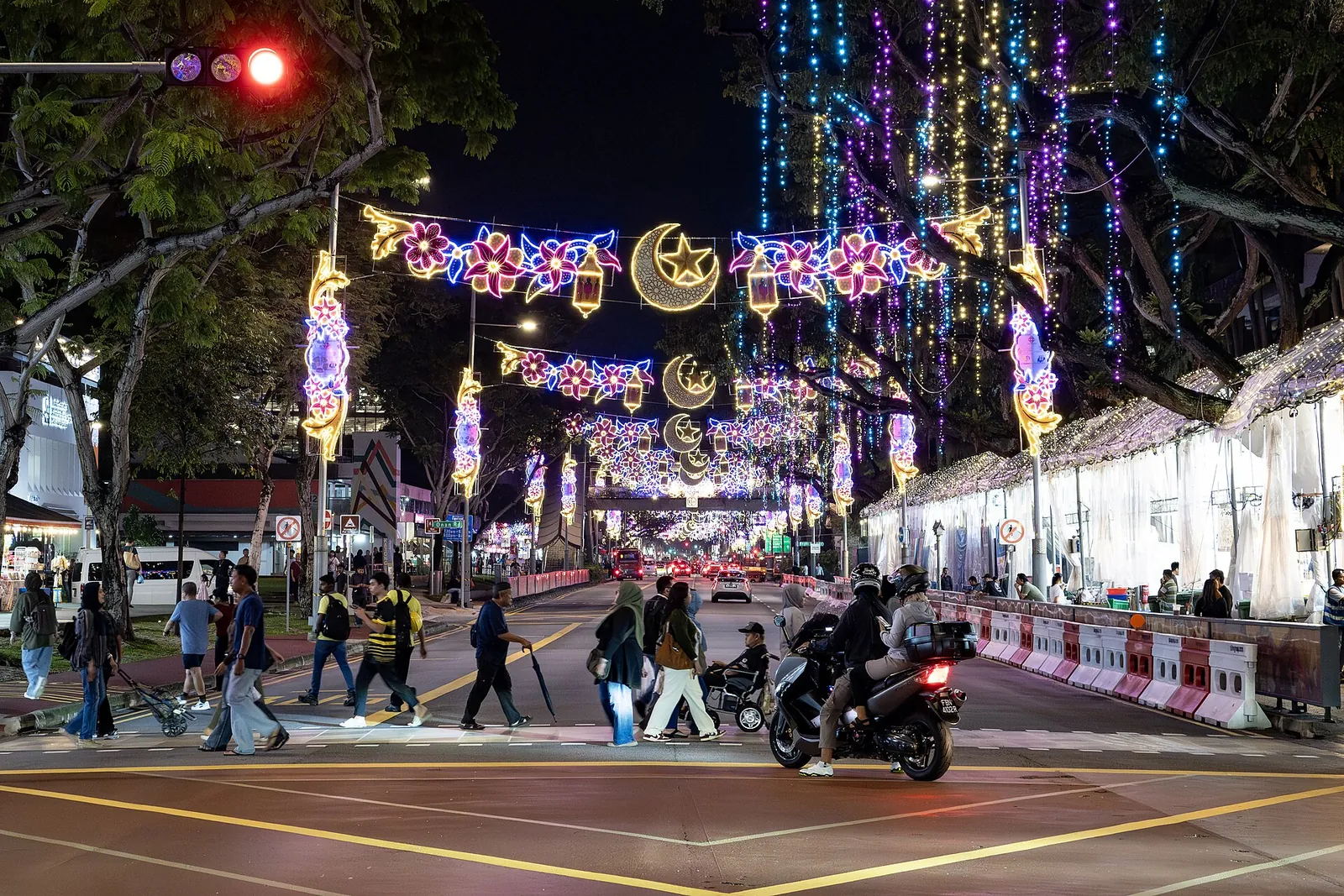
Geylang Serai Hari Raya light-up in 2026; this photograph does not establish a future event schedule.
Photograph: ScribblingGeek — opens in a new tab · CC BY-SA 4.0 — opens in a new tab
Changes: Resized and converted to WebP; displayed with responsive crops. · Original photograph and licence details ↗ — opens in a new tab
Chinese New Year decorations in Chinatown, photographed in 2024; event programmes change each year.
Photograph: Jakub Hałun — opens in a new tab · CC BY 4.0 — opens in a new tab
Changes: Resized and converted to WebP; displayed with responsive crops. · Original photograph and licence details ↗ — opens in a new tab
South Bridge Road in Chinatown, photographed with festive decorations in 2024.
Photograph: Jakub Hałun — opens in a new tab · CC BY 4.0 — opens in a new tab
Changes: Resized and converted to WebP; displayed with responsive crops. · Original photograph and licence details ↗ — opens in a new tab