Plan your trip · Singapore
Singapore budget planning: rooms, meals, transport and priorities
A useful Singapore budget starts with decisions you can control, then uses current quotes for the costs you cannot assume. Choose the stay length, room needs and experiences that matter before selecting a daily figure. A trip built around neighbourhood walks and local meals has a different spending pattern from one built around several ticketed attractions and restaurant reservations. Both can be worthwhile; the budget should show which one you are buying.
- Suggested time
- 3–4 days with costs checked for the actual dates
- Where to stay
- One hotel selected by total cost and practical location
- Season and timing
- Allow flexibility for rain-related plan changes without assuming seasonal room prices.
The short answer
For a three- or four-day visit, price one suitable hotel, your airport journeys, ordinary meals and the few paid experiences you most want. Keep a separate allowance for changes, drinks and optional purchases. Use current hotel and operator totals rather than a universal daily estimate. Group neighbourhood visits to reduce unnecessary transfers, and compare a tour’s included food with your independent meal plan so that the same lunch is not budgeted twice.
Make accommodation a real comparison
Search the same dates and occupancy when comparing hotels. Record the room category, final payable total, cancellation terms and included services. A low headline rate is not a useful comparison if the room does not accommodate your party or the conditions differ from the alternative.
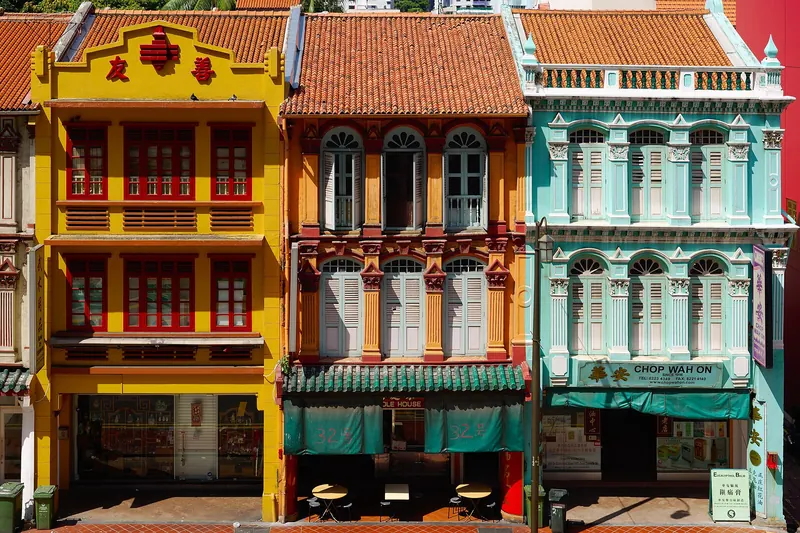
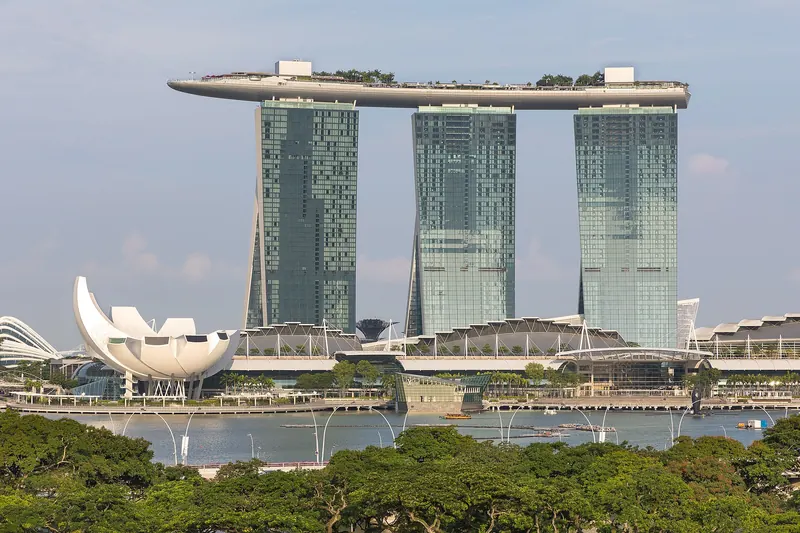
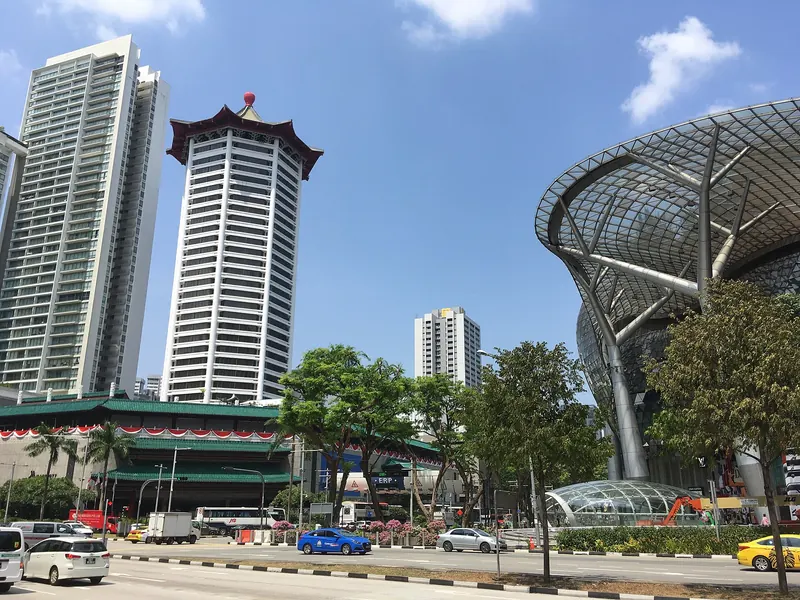
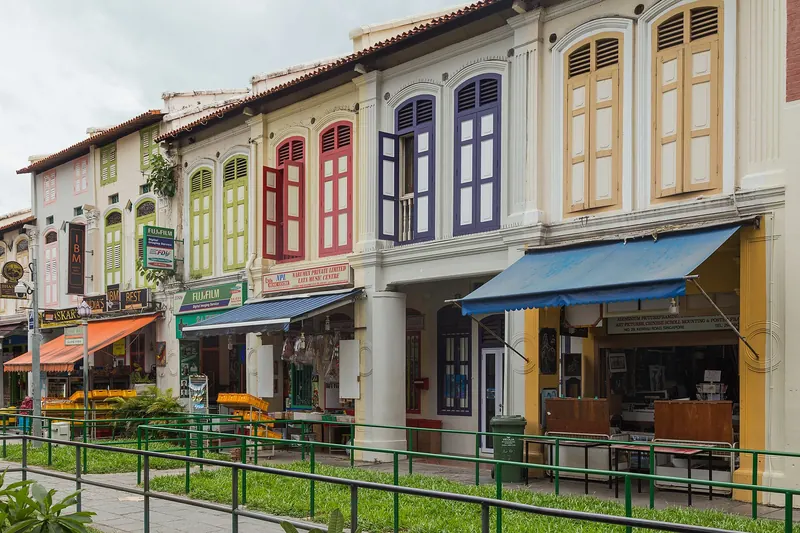
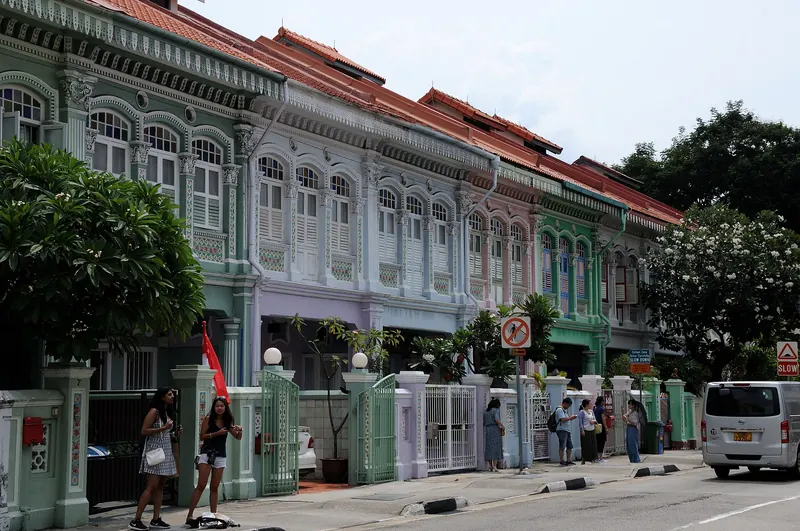
Compare Chinatown, Orchard Road and Marina Bay as practical bases rather than fixed price labels. A cheaper room may still suit your plan, but calculate the journeys and services it requires. Likewise, a more convenient address only earns its place in the budget if you will actually use that convenience.
Separate ordinary meals from food experiences
Plan a normal breakfast, a main lunch and an evening meal for each settled day. Then decide where a food tour, tasting sequence or restaurant reservation replaces one of those meals. Sharing small orders can help you taste more dishes without treating every stop as a separate full lunch.
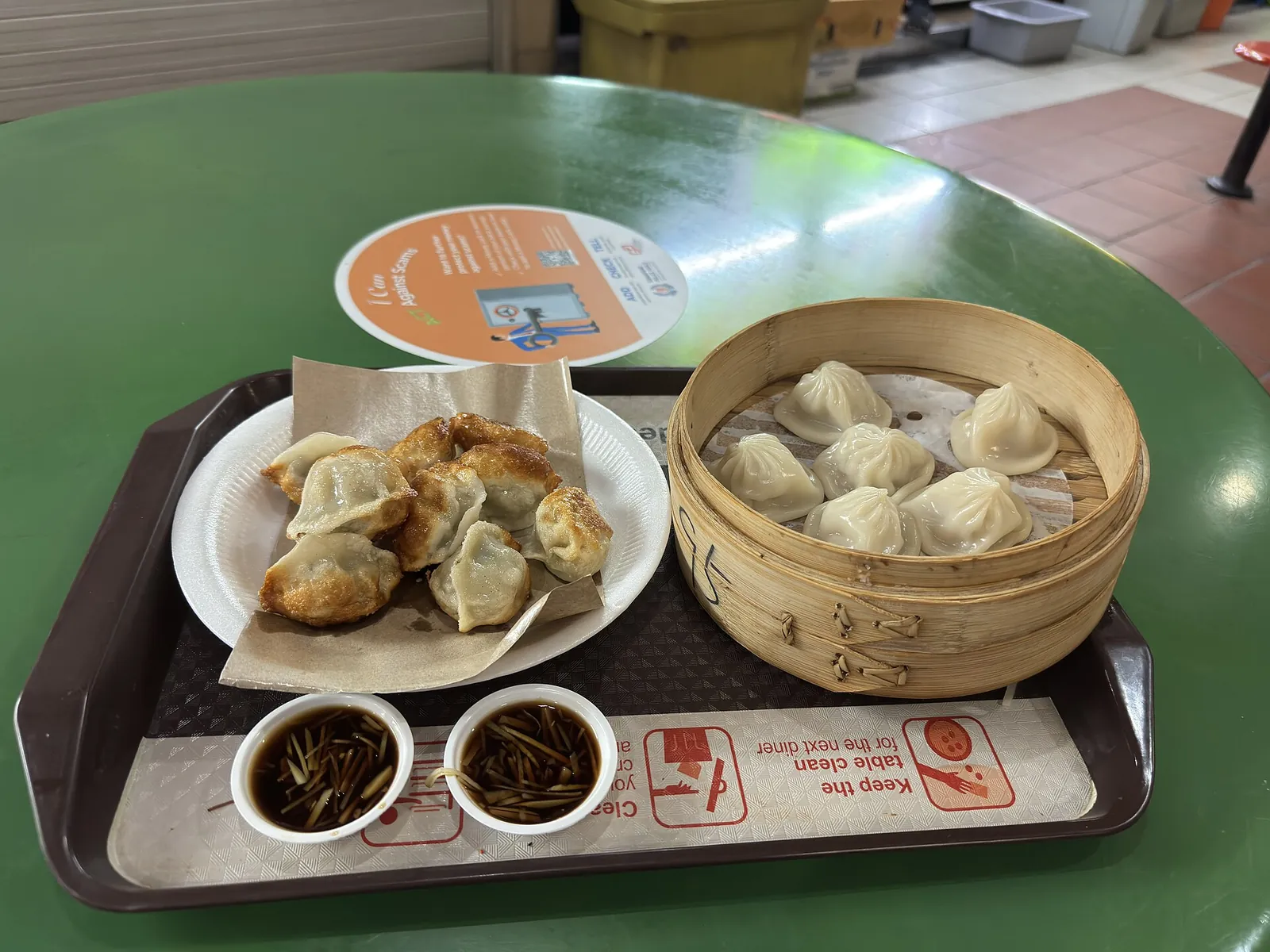
Read the displayed portion and additions before ordering. Keep drinks, desserts and restaurant extras visible in your own calculation. No stall prices are quoted here, and an archival food photograph does not establish a present menu. Ask about ingredients and the actual order rather than buying solely because a dish is famous.
Make time for the local food
What to eat and where to look
Hainanese chicken rice
Chicken, fragrant rice and accompanying condiments form a straightforward main meal.
- Where to look
- Chicken-rice menus at hawker centres or neighbourhood eateries on your chosen route.
- Fit it into your day
- Compare the displayed portion and additions before ordering; keep lunch separate from any tasting tour.
Ask about stock, sauces and preparation if ingredients matter; appearance alone cannot establish suitability.
Laksa
A rich, spicy noodle soup to consider when choosing a more substantial lunch.
- Where to look
- Laksa menus in local eateries; a Katong-Joo Chiat visit can be planned around a food stop.
- Fit it into your day
- Treat a bowl as a meal rather than an automatic addition after several other mains.
Recipes and toppings vary. Ask directly about seafood, stock and other ingredients.
Kaya toast
A Singapore breakfast choice that can anchor a simple start before sightseeing.
- Where to look
- Kopitiams and breakfast menus near your actual accommodation.
- Fit it into your day
- Check what the breakfast set includes and decide whether you need hotel breakfast as well.
Confirm spread, accompaniments and drink ingredients; a set is not automatically suitable for every diet.
Price the journeys you will use
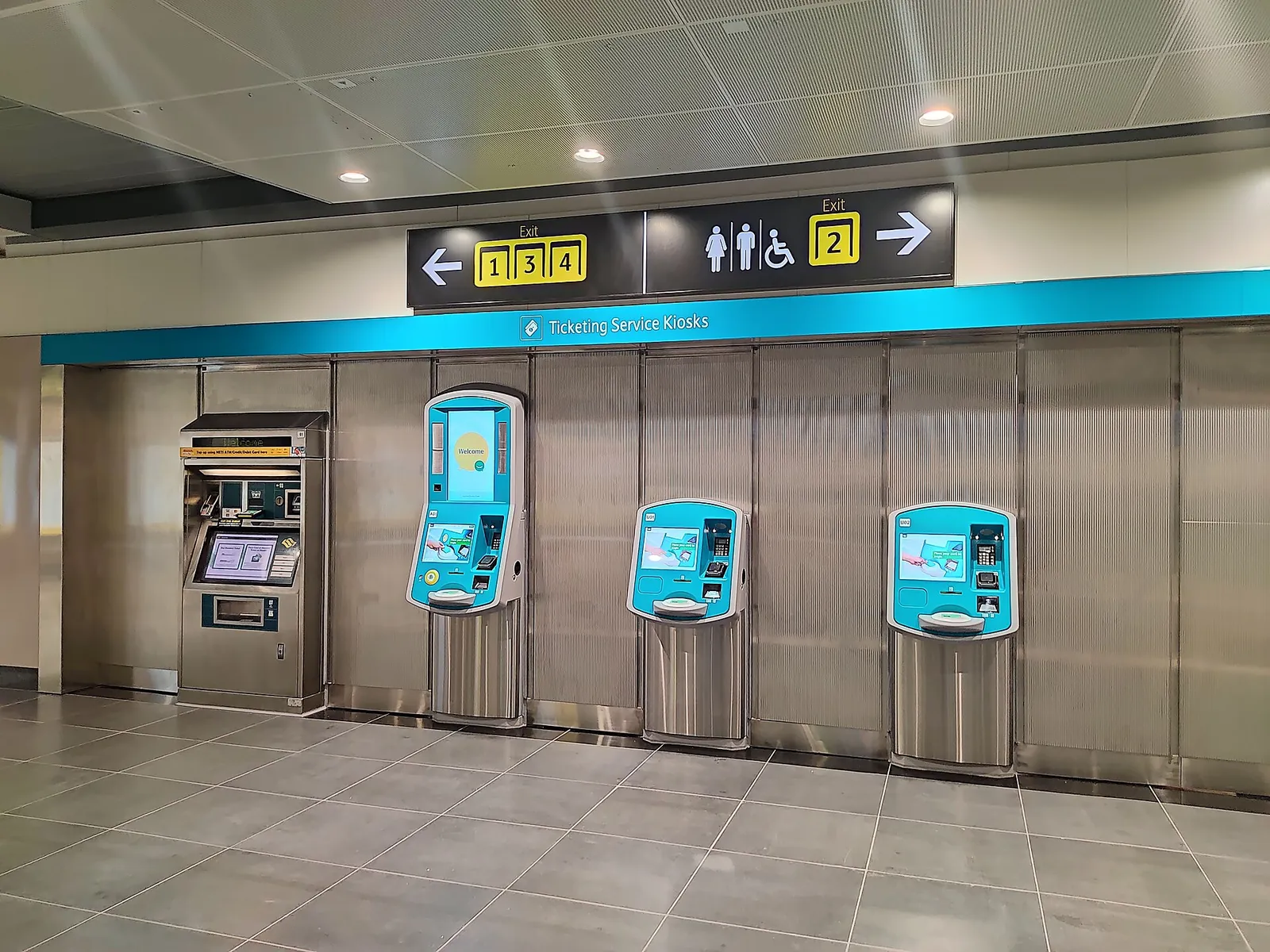
Use the current LTA fare tools and your actual route when comparing transit costs. Check SimplyGo’s current payment or pass conditions, including any relevant foreign-card charges. A Tourist Pass covers basic services rather than every transport experience, so specialist outings need their own checks.
Group Chinatown walking and lunch into one block instead of repeatedly returning across the city. Give a more distant outing a deliberate transport allowance. For airport travel, choose the method that suits the terminal, arrival time, luggage and group; this guide does not prescribe one taxi total or a universal rail saving.
Choose the paid experiences that matter most
List your essential attraction or guided experience first, then compare its current total and booking conditions. Check exactly which entry, transport or meal is included. Two packages can have similar names while covering different things; avoid adding a ticket twice because the inclusions were not read.
There are also visits that do not require the same ticket budget. When checked on 3 October 2026, NParks visitor information said admission charges apply only to the National Orchid Garden within the Botanic Gardens. Check current access for the part you intend to visit; a general garden walk and an orchid-garden entry are separate choices.
Keep a small decision reserve and review the total
Set aside money for changes you would willingly make: a different meal, a weather-driven transport choice or an item you actually want to take home. The reserve should reflect your own tolerance for change rather than an invented percentage that fits every traveller. Keep it distinct from already committed bookings.
Before paying, add accommodation, airport journeys, daily meals, planned transport and selected experiences into one trip total. Then look for duplication or a missing item. If the total is uncomfortable, remove a low-priority purchase before compromising the room or journey arrangement that makes the stay workable.
For a guided food collection, compare the route, inclusions and dietary arrangements, then decide whether guidance adds enough value. Independent eating and a paid tour can both fit a sensible budget. Book the experience for its specific benefit, and leave other meals simple if the tasting programme is substantial.
Practical questions
How much should I budget per day?
Use current totals for your dates and choices. This guide avoids a universal amount that could hide accommodation, transport or ticket differences.
Is a Tourist Pass always cheaper?
No automatic saving is assumed. Compare current coverage and cost with your actual journeys and any relevant payment charges.
Should I budget for lunch as well as a food tour?
Read the included tasting programme first. Decide whether it replaces a meal, and keep any additional meal modest if appropriate.
How can I reduce the total without rushing?
Choose fewer paid experiences, group neighbourhood visits and compare hotel terms carefully. Preserve the meal and rest breaks that make the itinerary comfortable.
Sources and checks before you travel
Reference sources for the version dated 3 October 2026. Confirm opening times, access, transport and conditions for your travel dates.
- LTA: plan your journey ↗ — opens in a new tab
- SimplyGo: travel cards ↗ — opens in a new tab
- NParks: Botanic Gardens visitor information ↗ — opens in a new tab
- Singapore Tourism Board: local food ↗ — opens in a new tab
- Furama: Chinatown location ↗ — opens in a new tab
- Orchard Hotel: official location ↗ — opens in a new tab
- Pan Pacific Singapore: Marina Bay location ↗ — opens in a new tab
- Viator: Singapore culinary experiences collection ↗ — opens in a new tab
Does this experience fit your route?
Compare a food experience with your independent meal plan before booking; reserve only what adds something useful.
Browse relevant experiences on Viator ↗ — opens in a new tabAffiliate link · Book with ViatorPhoto credits
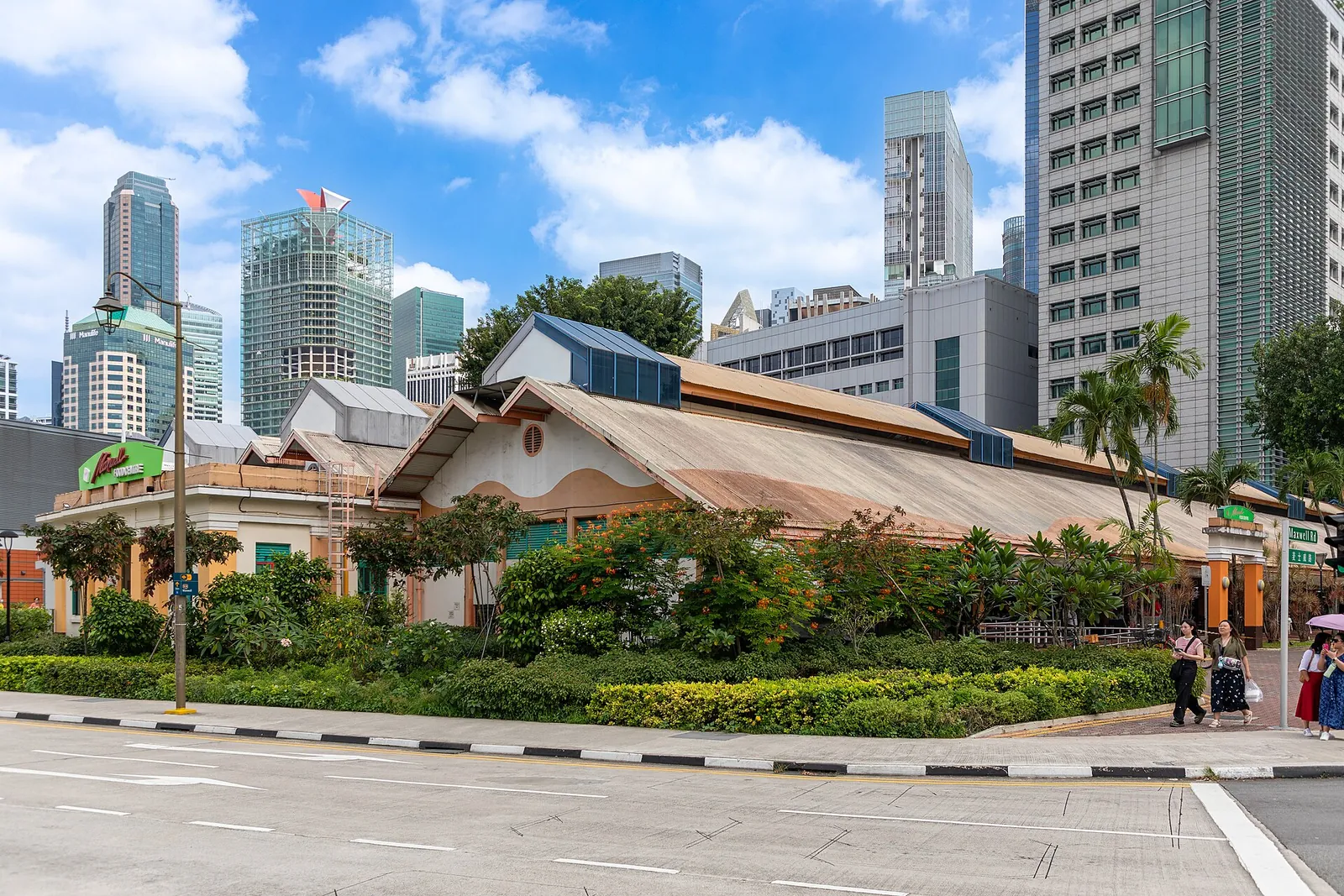
Maxwell Food Centre exterior in central Singapore.
Photograph: Aaaatu — opens in a new tab · CC BY-SA 4.0 — opens in a new tab
Changes: Resized and converted to WebP; displayed with responsive crops. · Original photograph and licence details ↗ — opens in a new tab
Dumplings photographed at Maxwell Food Centre in May 2024.
Photograph: LN9267 — opens in a new tab · CC BY-SA 4.0 — opens in a new tab
Changes: Resized and converted to WebP; displayed with responsive crops. · Original photograph and licence details ↗ — opens in a new tab
Ticketing equipment at Bright Hill MRT station.
Photograph: ZKang123 — opens in a new tab · CC BY-SA 4.0 — opens in a new tab
Changes: Resized and converted to WebP; displayed with responsive crops. · Original photograph and licence details ↗ — opens in a new tab
Outdoor exercise facilities in Telok Blangah Hill Park.
Photograph: Johan Jönsson ( Julle ) — opens in a new tab · CC BY-SA 4.0 — opens in a new tab
Changes: Resized and converted to WebP; displayed with responsive crops. · Original photograph and licence details ↗ — opens in a new tab