Plan your trip · Federal Territory of Kuala Lumpur
Where to stay in Kuala Lumpur: four areas compared
Kuala Lumpur has no single hotel district that wins every trip. KLCC offers tower views and a polished first impression; Bukit Bintang keeps dinner and nightlife close; Chinatown brings heritage and better-value small hotels; KL Sentral makes a short stay or early airport departure easier. The useful choice comes from the two hours you most want to protect—your first morning, your evenings or your departure—not from whichever listing claims to be central.
- Suggested time
- Choose before booking your Kuala Lumpur nights
- Where to stay
- KLCC for landmarks; Bukit Bintang for evenings; Chinatown for heritage and value; KL Sentral for connections
- Season and timing
- All four districts work year-round. Kuala Lumpur is hot and humid, with frequent afternoon thunderstorms during the April–May and October–November inter-monsoon periods, so covered station access and a short last-mile walk become especially valuable then.
The short answer
For a three-night first stay, choose KLCC for landmark access or Bukit Bintang for food and late evenings; choose Chinatown for heritage and value, or KL Sentral for the airport train. KLCC is the calmest all-round base, while Bukit Bintang feels livelier after dark. Before booking, trace the walk to the nearest station and compare the final price, room size, breakfast and cancellation terms—not just the skyline photograph.
The 30-second choice: protect mornings, evenings or departure
Choose KLCC when you want the Petronas Towers, KLCC Park and a polished business district outside the door. Choose Bukit Bintang when dinner, shopping and a late walk matter more than a quiet lobby. Choose Chinatown and Pasar Seni for historic streets, independent hotels and an easy old-city walk. Choose KL Sentral and Brickfields for the KLIA Ekspres, an onward train or a very short stay.
Most first-time visitors choosing between KLCC and Bukit Bintang should decide by evening style. The two districts are close enough to visit each other, but they are not interchangeable at bedtime: KLCC feels more spacious and orderly, while Bukit Bintang stays busy and puts more casual restaurants within a short walk.
KLCC: best for a calm first visit and landmark access
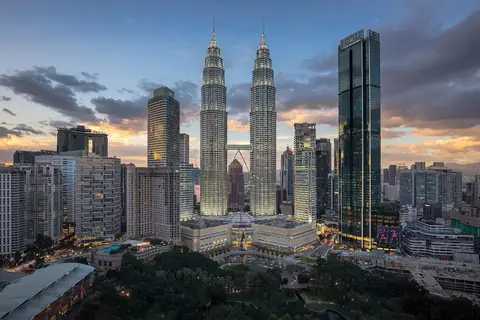
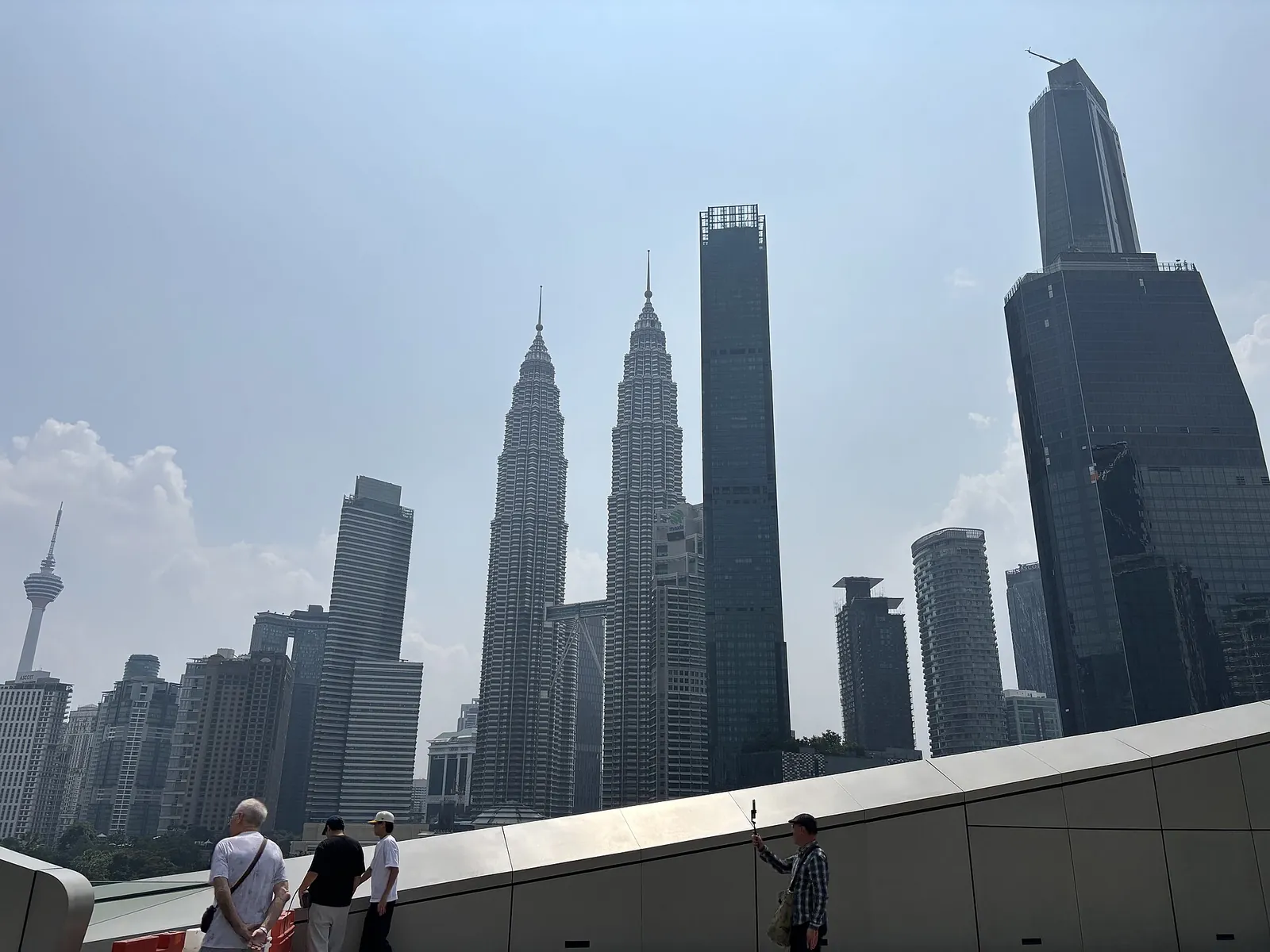
KLCC suits couples, first-time visitors and anyone who wants the city's defining skyline to feel part of the stay. The Petronas Towers, the 50-acre KLCC Park and shopping are concentrated here, and rail links connect the district with the wider centre. Tourism Malaysia lists the tower's Skybridge on level 41 and observation deck on level 86, but the real hotel advantage is being able to see the park early and return easily after an evening elsewhere.
The trade-offs are predictable: rooms with a convincing tower view cost more, the district has fewer modest street-level places than older neighbourhoods, and not every property using 'KLCC' in its name sits beside the park. On the booking map, distinguish a genuine walking-distance hotel from an apartment across a major road, and decide whether a view matters enough to pay for a named room category.
Bukit Bintang: best for dinner, shopping and late energy
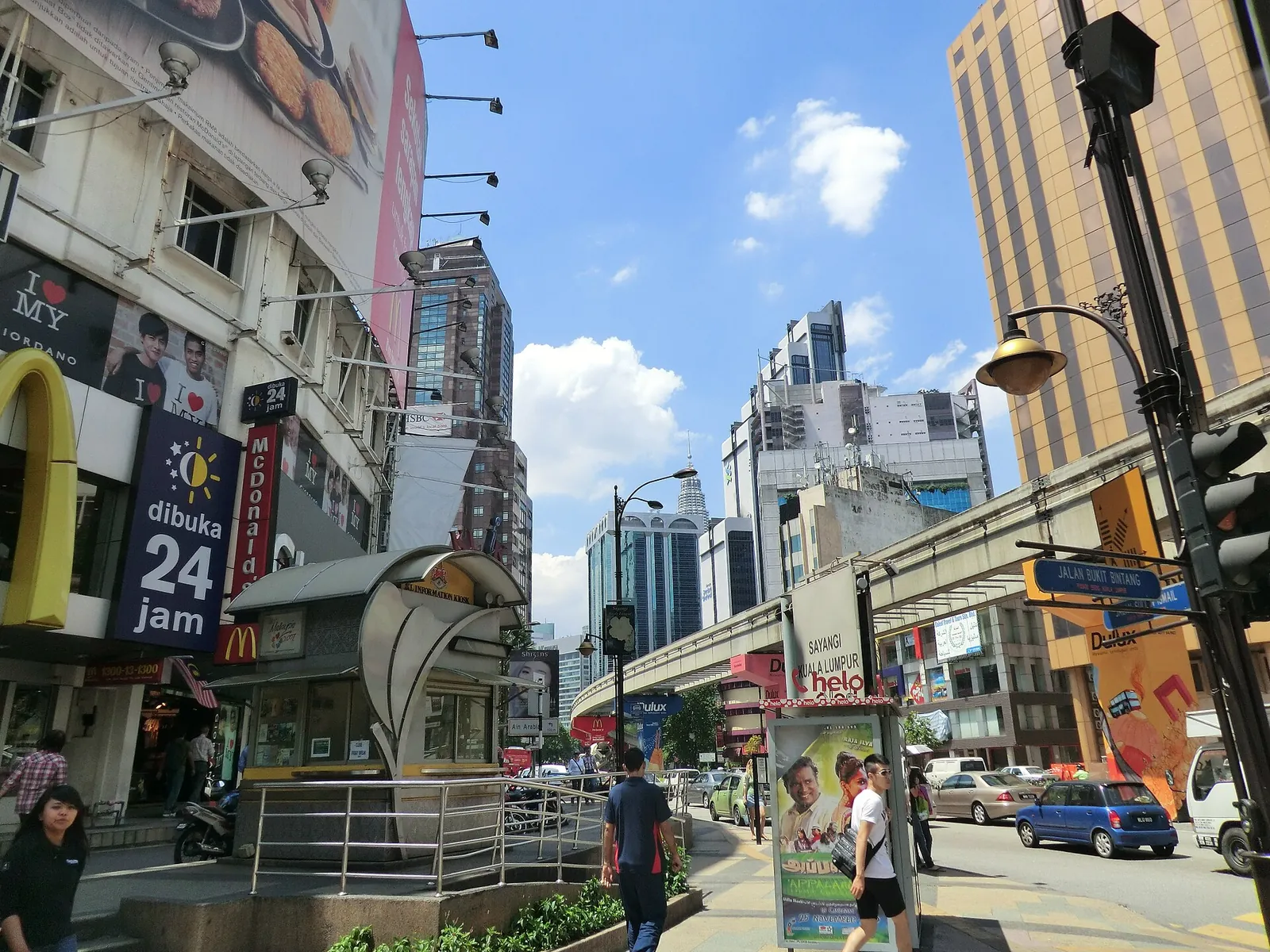
Bukit Bintang is the easiest answer for travellers who want to step outside and choose dinner without planning another journey. Tourism Malaysia highlights the district's shopping streets and Jalan Alor food street, which becomes busiest after dark. Hotels range from large international properties to compact city rooms, so the area works across several budgets.
Noise and street geometry are the price of that convenience. A room near Changkat or Jalan Alor can hear nightlife, while a cheaper listing may involve an unpleasant walk across traffic or construction. Ask for a high or inward-facing room when sleep matters, and favour a visible route to Bukit Bintang MRT or the monorail over a slightly lower nightly rate several junctions away.
Chinatown and Pasar Seni: best for heritage and character
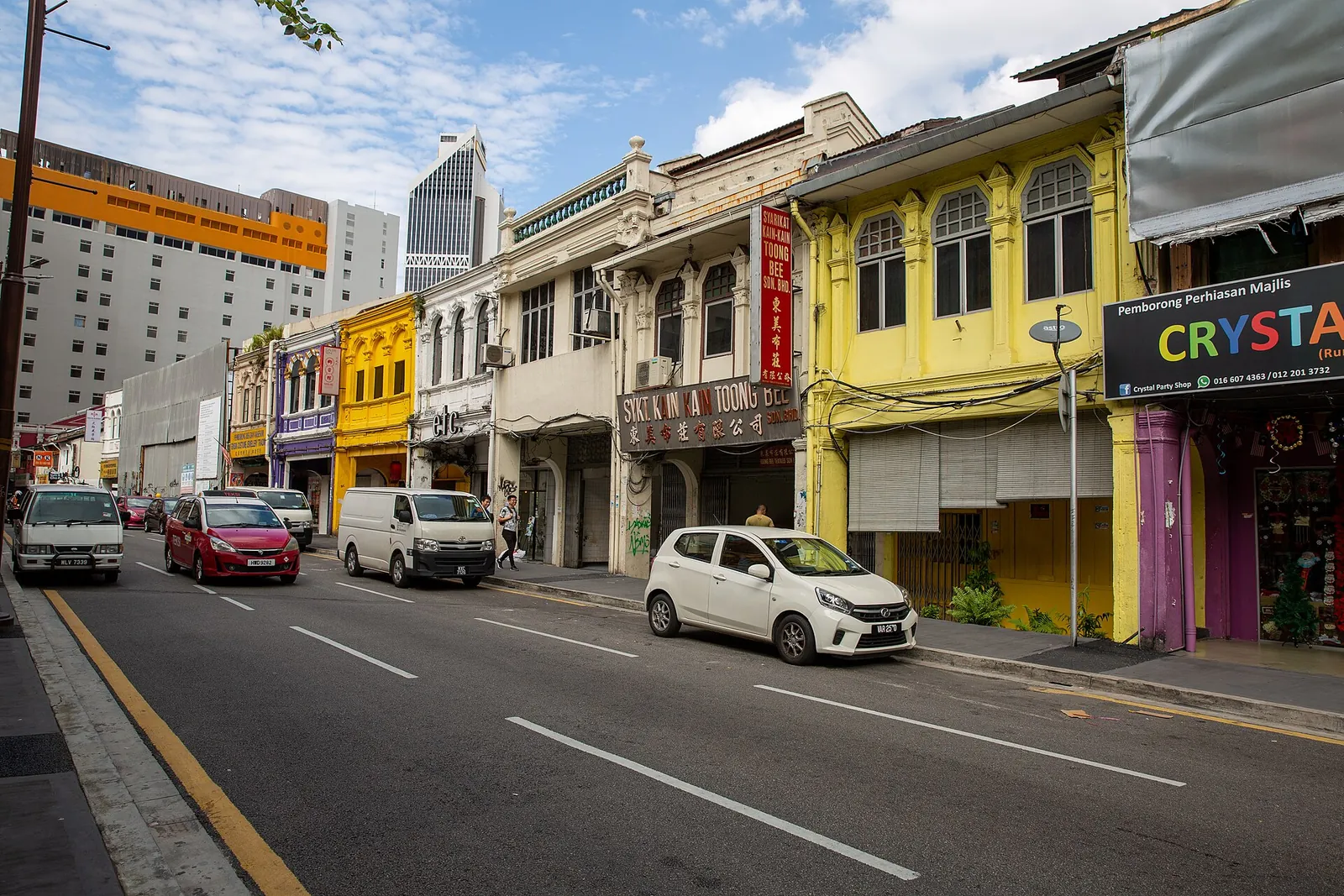
This is the strongest base for travellers who want to begin with Merdeka Square, Central Market, Petaling Street, clan houses and temples rather than a shopping centre. Central Market dates to 1888 and now functions as a craft and culture centre; Pasar Seni station links the district to both MRT and LRT services. Boutique hotels in converted buildings can feel more personal than the glass towers across town.
Inspect the room details, not only the facade. Heritage buildings may have small windows, steep stairs or limited soundproofing, and the most crowded part of Petaling Street is not necessarily the best place to sleep. Look a street or two beyond the market spine for a calmer room that still preserves the walkable location.
KL Sentral and Brickfields: best for connections, not views
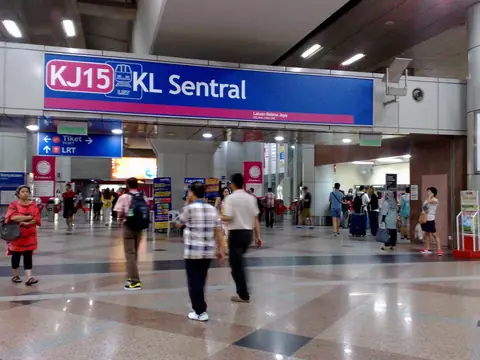
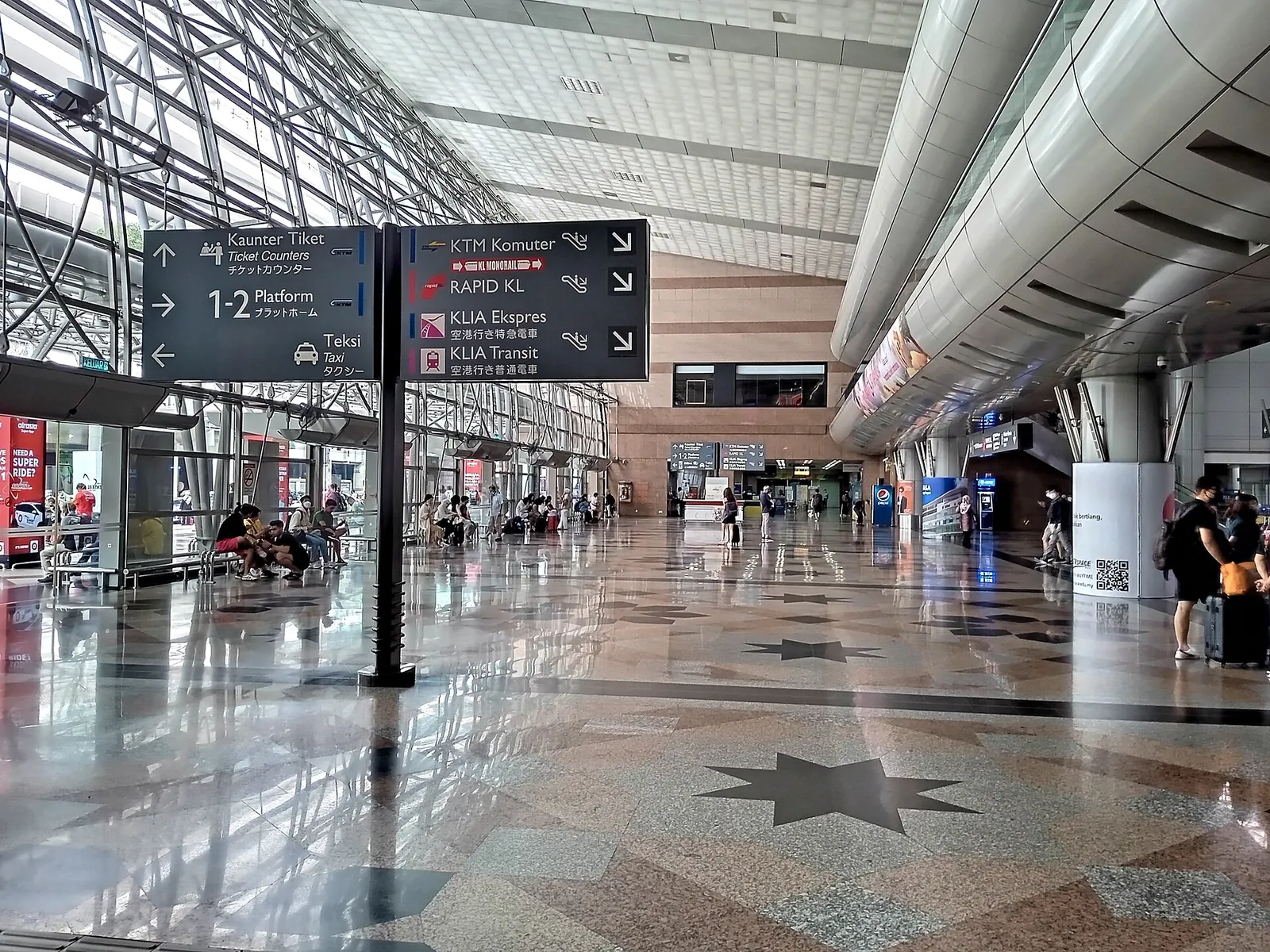
KL Sentral is the practical choice before an early flight, after a late train or during a one-night stop. KLIA Ekspres links the station with both airport terminals; on 11 October 2026, the operator listed 28 minutes to Terminal 1, another three minutes to Terminal 2 and departures every 20 minutes through most of the day. The hub also brings urban rail and intercity services together.
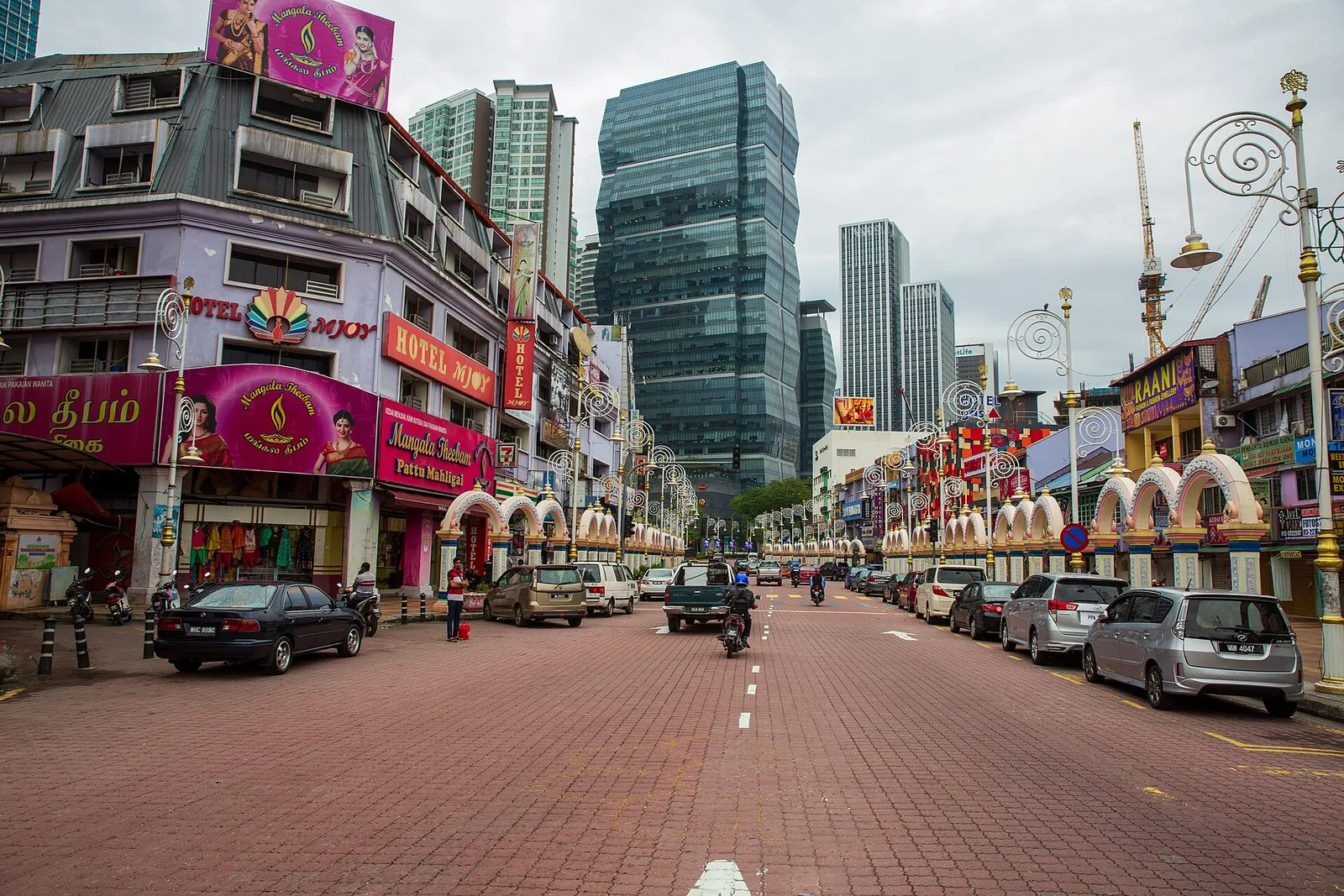
Stay on the Brickfields side if you want South Indian restaurants and more street life, or inside the integrated station-and-mall zone if weatherproof transfers matter most. The drawback is that Kuala Lumpur's headline evening atmosphere lies elsewhere. This base saves departure time, not sightseeing time, so choose it because the transport advantage is real for your itinerary.
Match the area to the trip you are actually taking
For three nights focused on classic sights, KLCC or Bukit Bintang wins. For a food-led weekend, Bukit Bintang keeps options close, while Brickfields offers a more specific South Indian focus. For photographers and heritage walkers, Chinatown makes the first and last hour of the day easier. For a single night between flights and trains, KL Sentral removes the most transfer friction.
Let the earliest fixed plan break a tie. A timed Petronas Towers visit is simplest from KLCC, while a morning among Merdeka Square, Central Market and the Islamic Arts Museum favours Chinatown and Pasar Seni. Batu Caves is a half-day outing from the city, not a reason to change hotels: keep the base that works for the other two days and make one outward journey.
KL Sentral becomes more persuasive when Kuala Lumpur sits between two travel days. The KLIA Ekspres handles the airport leg, while the wider hub is useful for onward rail; by contrast, travellers staying three nights with no early departure usually gain more from an evening district. For a late arrival, a dry, straightforward walk from station to reception is worth more than a nominal neighbourhood label.
Families should prioritise a short, sheltered station route and enough room over nightlife. Travellers using wheelchairs or managing reduced mobility should contact the property about the entire entrance route: a building can advertise an accessible room while the pavement, footbridge or lift connection outside remains awkward.
Read the booking page like a transport plan
Open the map and trace the exact walk to the station you expect to use, including road crossings. Next compare room category, window and bed type, then determine whether breakfast helps your schedule or merely keeps you away from the neighbourhood's morning food. Read the final total for taxes and fees and keep a screenshot of the cancellation deadline.
If an airport arrival is late, compare the full KLIA Ekspres-plus-city transfer with a direct licensed car. If a departure is early, use the operator's first-train time for your terminal and travel date before choosing KL Sentral solely for the railway. A well-chosen neighbourhood should eliminate a repeated inconvenience every day, not just produce a more impressive lobby photograph.
Practical questions
Is KLCC or Bukit Bintang better for a first visit?
Choose KLCC for the Petronas Towers, the park and a calmer base. Choose Bukit Bintang for restaurants, shopping and a livelier late evening; the best choice depends on what you want immediately outside after dinner.
Where should I stay in Kuala Lumpur for the airport train?
Stay at KL Sentral or on the adjoining Brickfields side. KLIA Ekspres runs to both airport terminals, but read the first or last train for your date and allow time to walk from the hotel to the platform.
Is Chinatown a good area to stay in Kuala Lumpur?
Yes for heritage walks, independent hotels, Central Market and rail access at Pasar Seni. Choose a side street rather than the busiest part of Petaling Street if noise, windows or easy vehicle pickup matter.
Which Kuala Lumpur area has the best food access?
Bukit Bintang offers the broadest walk-out choice for a short first visit, while Brickfields is stronger for South Indian food and Chinatown for kopitiams and Chinese-Malaysian dishes. KLCC has many polished options but fewer modest street-level choices.
Do I need a hotel beside an MRT station in Kuala Lumpur?
A short station walk is valuable, especially in heavy rain and midday heat, but the relevant line matters more than the MRT label alone. Trace the journeys you will repeat and include any interchange or uncovered walk.
How can I tell whether a Kuala Lumpur hotel really has a tower view?
Book a room category that explicitly names the view and read the property's own description of its orientation. A hotel can sit in KLCC without every room facing the Petronas Towers, and nearby construction can alter a photograph's outlook.
Sources and checks before you travel
Reference sources for the version dated 11 October 2026. Confirm opening times, access, transport and conditions for your travel dates.
- Tourism Malaysia: top places to visit in Kuala Lumpur ↗ — opens in a new tab
- KLIA Ekspres: services and fares ↗ — opens in a new tab
- Central Market Kuala Lumpur: official site ↗ — opens in a new tab
- Islamic Arts Museum Malaysia: visit us ↗ — opens in a new tab
- Touch 'n Go: official card information ↗ — opens in a new tab
- METMalaysia: monsoon and thunderstorm patterns ↗ — opens in a new tab
- Royal Malaysian Customs: Tourism Tax portal ↗ — opens in a new tab
Photo credits
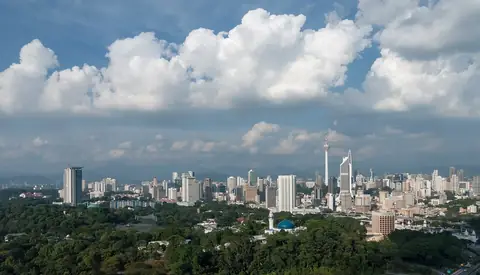
KLCC places the Petronas Towers and city-centre skyline close to the hotel districts.
Photograph: Wlsrudals — opens in a new tab · CC0 — opens in a new tab
Changes: Resized and converted to WebP; displayed with responsive crops. · Original photograph and licence details ↗ — opens in a new tab
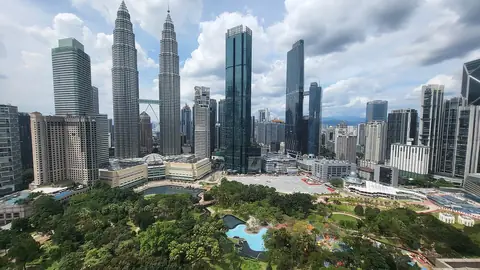
Bukit Bintang combines rail access with shopping, restaurants and late evenings.
Photograph: Daibo Taku — opens in a new tab · CC BY 3.0 — opens in a new tab
Changes: Resized and converted to WebP; displayed with responsive crops. · Original photograph and licence details ↗ — opens in a new tab
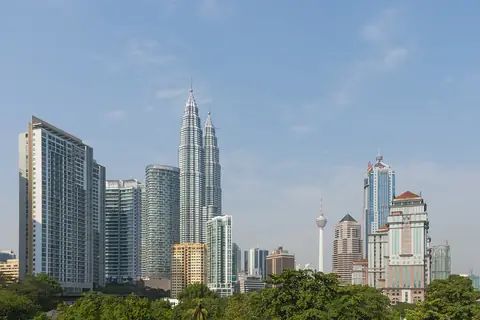
Chinatown offers historic streets and small hotels near Pasar Seni.
Photograph: Shesmax — opens in a new tab · CC BY-SA 4.0 — opens in a new tab
Changes: Resized and converted to WebP; displayed with responsive crops. · Original photograph and licence details ↗ — opens in a new tab
KL Sentral is the practical base for airport and onward rail connections.
Photograph: Wiki Farazi — opens in a new tab · CC0 — opens in a new tab
Changes: Resized and converted to WebP; displayed with responsive crops. · Original photograph and licence details ↗ — opens in a new tab
Brickfields adds South Indian food and street life beside KL Sentral.
Photograph: Shesmax — opens in a new tab · CC BY-SA 4.0 — opens in a new tab
Changes: Resized and converted to WebP; displayed with responsive crops. · Original photograph and licence details ↗ — opens in a new tab