Tohoku · Yamagata
Tsuruoka: seasonal food, town sights and access to Dewa Sanzan
Tsuruoka gives the journey a focus on seasonal gastronomy and Dewa Sanzan. The region's sacred-mountain cuisine adds context to its seasonal ingredients. Reserve a specific meal or experience rather than expecting every restaurant to offer a religious menu. A good visit leaves time for food and the small details that make the setting distinctive.
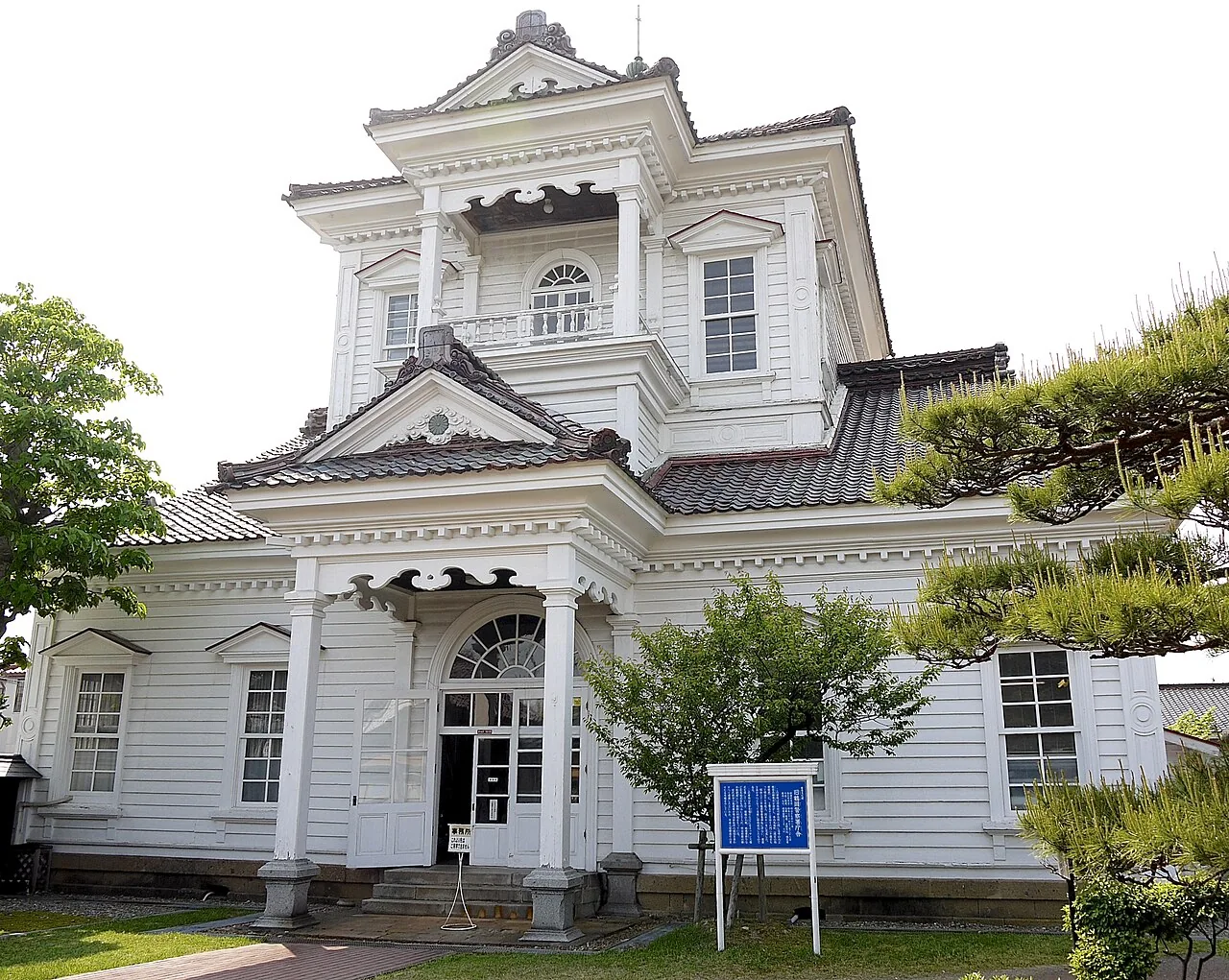
- Suggested time
- A focused day, or an overnight stay when transport and the main experience justify it
- Where to stay
- Tsuruoka
- Season and timing
- Choose the period around the main experience; check current local conditions and operations
The short answer
Choose a city food day and a separate Haguro outing, checking whether you will use the stone-step approach or reach the summit by bus. Choose one main experience and a supporting stop, with a meal that fits the actual route. The suggested pacing is an editorial starting point; check current access and operations before booking.
A focused visit to Tsuruoka
The region's sacred-mountain cuisine adds context to its seasonal ingredients. Reserve a specific meal or experience rather than expecting every restaurant to offer a religious menu.
Haguro's stone-step approach and a bus-assisted summit visit offer different effort levels. Choose deliberately: the long stair route is part of the experience, while a summit visit may suit someone who wants the shrine context with less climbing.
Getting to Tsuruoka
Choose a city food day and a separate Haguro outing, checking whether you will use the stone-step approach or reach the summit by bus.
Dewa Sanzan's shojin cuisine reflects the area's religious history. Arrange it with a named venue and respect the setting, while using a town food day to investigate the wider Shonai region's seasonal ingredients.
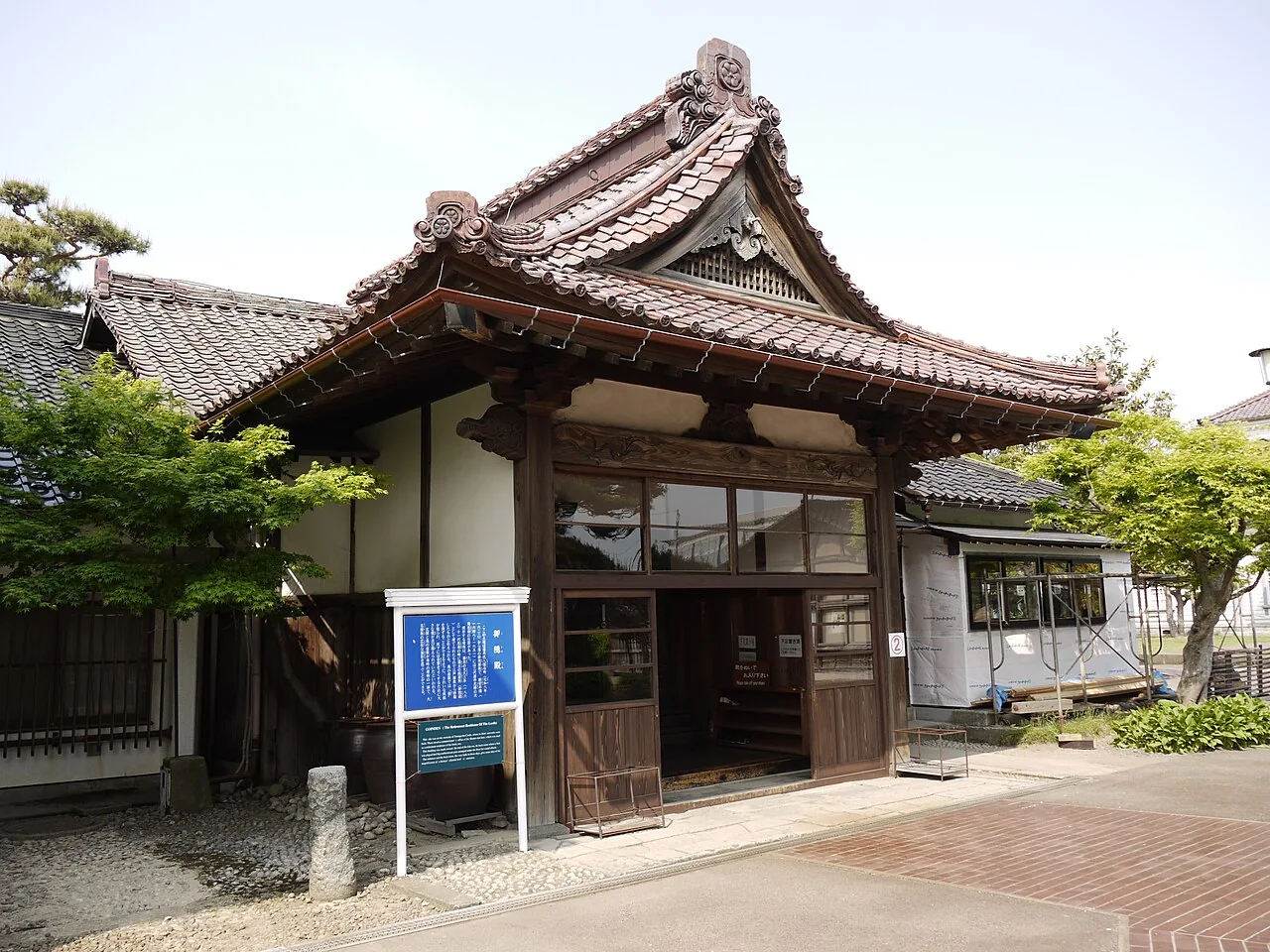
Make time for the local food
What to eat and where to look
Dewa Sanzan shojin ryori
Sacred-mountain cuisine adds religious and seasonal context to a Tsuruoka visit. Reserve a specific meal and confirm dietary needs with the actual venue rather than assuming one menu across the region.
- Where to look
- Official destination food listings and the chosen venue's current menu.
- Fit it into your day
- Plan it beside the main route; confirm availability if it is the reason for the stop.
Confirm ingredients, allergens and availability directly with the venue.
A seasonal Shonai meal
A seasonal Shonai meal is an option to investigate beside the chosen route. Use the current venue menu for the actual preparation, and give a main meal enough time to sit down.
- Where to look
- Official destination food listings and the chosen venue's current menu.
- Fit it into your day
- Plan it beside the main route; confirm availability if it is the reason for the stop.
Confirm ingredients, allergens and availability directly with the venue.
Local confectionery
Local confectionery is an option to investigate beside the chosen route. Use the current venue menu for the actual preparation, and give a main meal enough time to sit down.
- Where to look
- Official destination food listings and the chosen venue's current menu.
- Fit it into your day
- Plan it beside the main route; confirm availability if it is the reason for the stop.
Confirm ingredients, allergens and availability directly with the venue.
Food to give the day another purpose
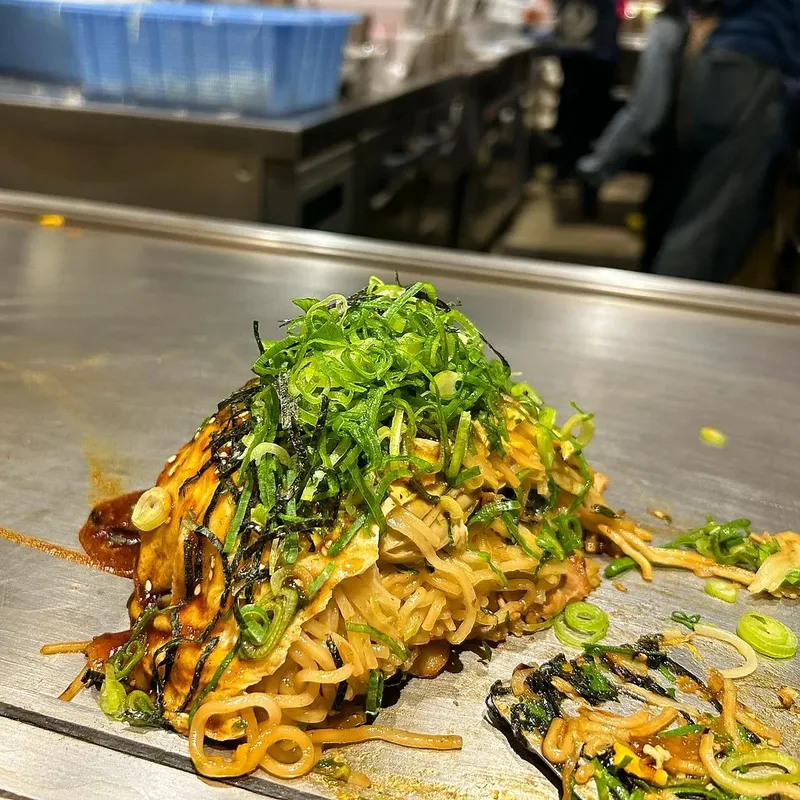
Investigate Dewa Sanzan shojin ryori, a seasonal Shonai meal, local confectionery along the selected route. Choose one seated meal and leave smaller tastes flexible. If a dish is the main reason for a stop, confirm it with the actual venue before departure.
A useful experience to compare
A food introduction or Haguro guide that states walking effort and religious context. Compare the exact route with the visit you could organise independently; book for useful explanation, transport or participation.
A first-visit outline you can adapt
Use arrival time to settle the route, then give the main uninterrupted part of the day to seasonal gastronomy and Dewa Sanzan. Add the supporting visit only when return transport and lunch are clear. Keep the final stop near the departure point or overnight base.
Practical questions
How much time should you give Tsuruoka?
Use the suggested duration as a starting point, then account for the actual travel, activity and meal time. Add an overnight stay only when it helps the transport or the experience you choose. Check the booked programme’s start and finish before fixing the surrounding itinerary.
Is a guided experience worthwhile?
A food introduction or Haguro guide that states walking effort and religious context. Compare language, location, effort and inclusions against the route you can make independently.
Which transport detail matters most for this visit?
Choose a city food day and a separate Haguro outing, checking whether you will use the stone-step approach or reach the summit by bus.
Sources and checks before you travel
Reference sources for the version dated 30 September 2026. Confirm opening times, access, transport and conditions for your travel dates.
- Tsuruoka, a UNESCO Creative City of Gastronomy: Where & what to eat? – Tsuruoka City Official Tourism Information Website ↗ — opens in a new tab
- Dewa Sanzan’s Shojin-ryori – Tsuruoka City Official Tourism Information Website ↗ — opens in a new tab
- Dewa Sanzan – Tsuruoka City Official Tourism Information Website ↗ — opens in a new tab
- Dewa Sanzan Shrine (Sanjingosaiden) – Tsuruoka City Official Tourism Information Website ↗ — opens in a new tab
Does this experience fit your route?
Explore related tours and experiences
Check dates and details on Viator ↗ — opens in a new tabAffiliate link · Book with Viator