Shikoku
7 days in Shikoku: towns, food and a focused regional route
A week in Shikoku gives the journey a focus on Takamatsu, Matsuyama and a focused third stop. Use the week to explore a selected part of the island. A full circuit can consume the hours that make udon, castle towns and bathing stays enjoyable. A good visit leaves time for food and the small details that make the setting distinctive.
- Suggested time
- Seven days and six nights as an editorial starting point
- Where to stay
- Takamatsu and Matsuyama, with one connected additional base
- Season and timing
- Spring and autumn; wet summer and typhoon periods require flexibility.
The short answer
An editorial starting route gives Takamatsu two nights and Matsuyama three, with one night assigned to one connected additional base. Choose one main experience and a supporting stop, with a meal that fits the actual route. The suggested pacing is an editorial starting point; check current access and operations before booking.
A focused visit to a week in Shikoku
Use the week to explore a selected part of the island. A full circuit can consume the hours that make udon, castle towns and bathing stays enjoyable.
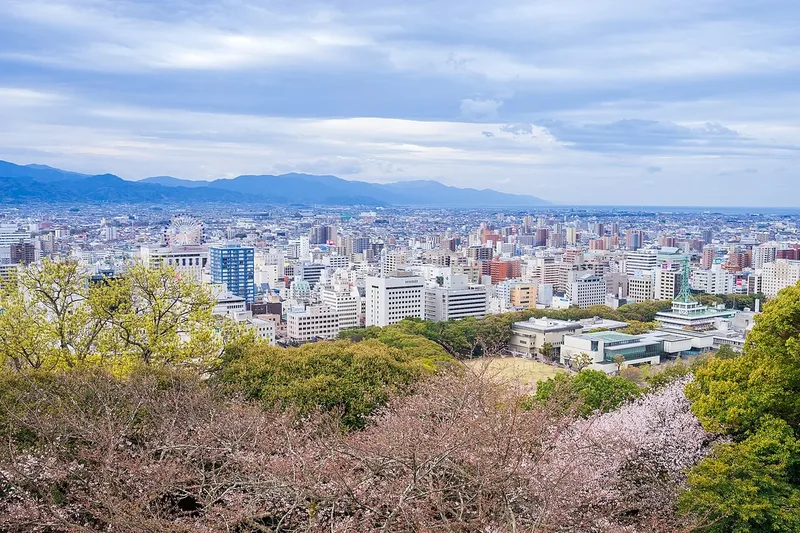
Takamatsu can begin the week with Kagawa's udon culture, while Matsuyama provides a different urban base in Ehime. A third stop should add a distinct interest and have a workable connection, rather than merely completing a geographic loop.
Getting to 7 days in Shikoku
An editorial starting route gives Takamatsu two nights and Matsuyama three, with one night assigned to one connected additional base.
The full pilgrimage and the whole island belong to larger journeys. Use a few temple or town visits thoughtfully, and check whether their rural approaches fit your chosen week before adding them to a rail itinerary.
Make time for the local food
What to eat and where to look
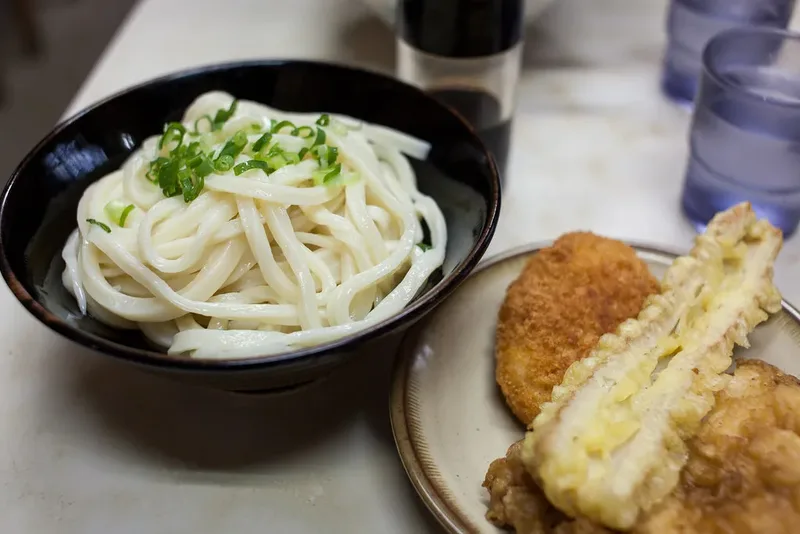
Sanuki udon in Kagawa
A bowl of Sanuki udon gives Takamatsu and Kagawa a clear food theme. Compare the actual serving and ordering style, keeping a real meal slot between sightseeing connections.
- Where to look
- Official destination food listings and the chosen venue's current menu.
- Fit it into your day
- Plan it beside the main route; confirm availability if it is the reason for the stop.
Confirm ingredients, allergens and availability directly with the venue.
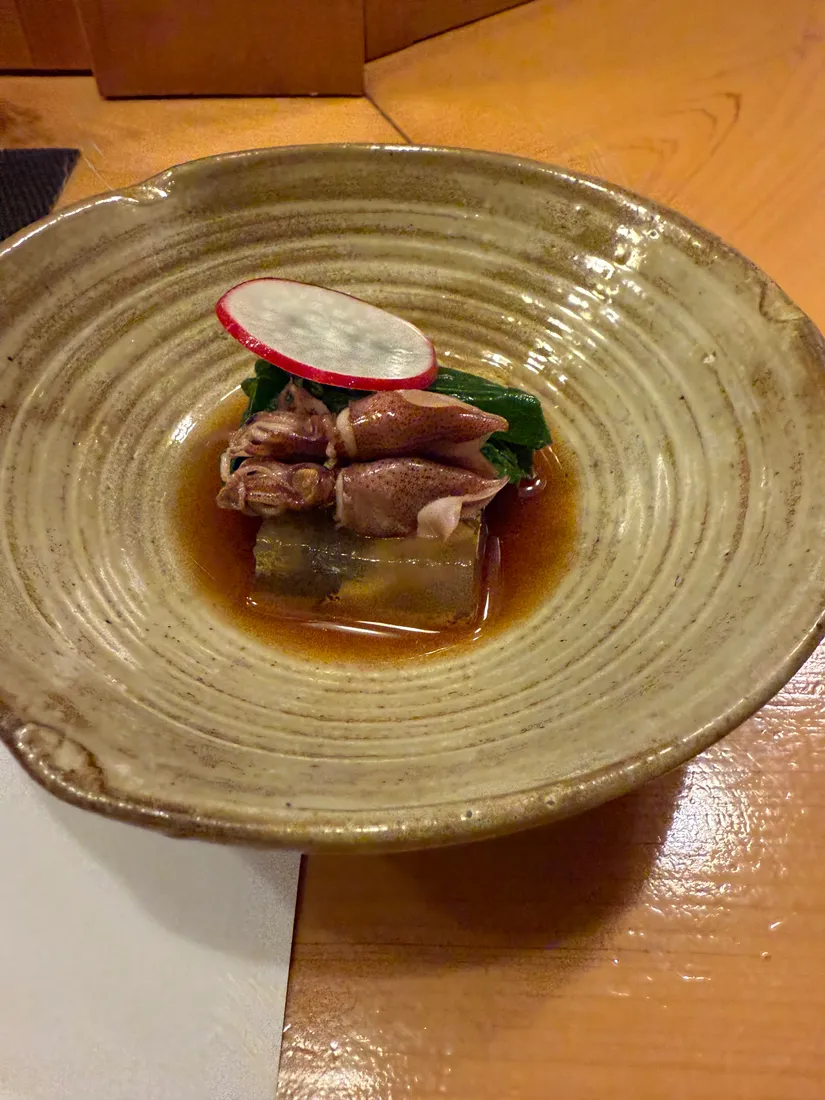
A seasonal meal in Ehime
A seasonal meal in Ehime is an option to investigate beside the chosen route. Use the current venue menu for the actual preparation, and give a main meal enough time to sit down.
- Where to look
- Official destination food listings and the chosen venue's current menu.
- Fit it into your day
- Plan it beside the main route; confirm availability if it is the reason for the stop.
Confirm ingredients, allergens and availability directly with the venue.
A local sweet with tea
A local sweet with tea is an option to investigate beside the chosen route. Use the current venue menu for the actual preparation, and give a main meal enough time to sit down.
- Where to look
- Official destination food listings and the chosen venue's current menu.
- Fit it into your day
- Plan it beside the main route; confirm availability if it is the reason for the stop.
Confirm ingredients, allergens and availability directly with the venue.
Food to give the day another purpose
Investigate Sanuki udon in Kagawa, a seasonal meal in Ehime, a local sweet with tea along the selected route. Choose one seated meal and leave smaller tastes flexible. If a dish is the main reason for a stop, confirm it with the actual venue before departure.
A useful experience to compare
Consider local walks, food experiences or a rural transfer that makes the journey easier. Compare the exact route with the visit you could organise independently; book for useful explanation, transport or participation.
A first-visit outline you can adapt
Use arrival time to settle the route, then give the main uninterrupted part of the day to Takamatsu. Add the supporting visit only when return transport and lunch are clear. Keep the final stop near the departure point or overnight base.
Practical questions
How should I pace a week in Shikoku?
Use the suggested duration as a starting point, then account for the actual travel, activity and meal time. Add an overnight stay only when it helps the transport or the experience you choose. Check the booked programme’s start and finish before fixing the surrounding itinerary.
Is a guided experience worthwhile?
Consider local walks, food experiences or a rural transfer that makes the journey easier. Compare language, location, effort and inclusions against the route you can make independently.
Which transport detail matters most for this visit?
An editorial starting route gives Takamatsu two nights and Matsuyama three, with one night assigned to one connected additional base.
Sources and checks before you travel
Reference sources for the version dated 30 September 2026. Confirm opening times, access, transport and conditions for your travel dates.
- Shikoku | Destinations | Travel Japan - Japan National Tourism Organization (Official Site) ↗ — opens in a new tab
- Kagawa | Shikoku | Destinations | Travel Japan - Japan National Tourism Organization (Official Site) ↗ — opens in a new tab
- Shikoku Adventures - Japan National Tourism Organization ↗ — opens in a new tab
- Ehime | Shikoku | Destinations | Travel Japan - Japan National Tourism Organization (Official Site) ↗ — opens in a new tab
Does this experience fit your route?
Explore related tours and experiences
Check dates and details on Viator ↗ — opens in a new tabAffiliate link · Book with ViatorPhoto credits
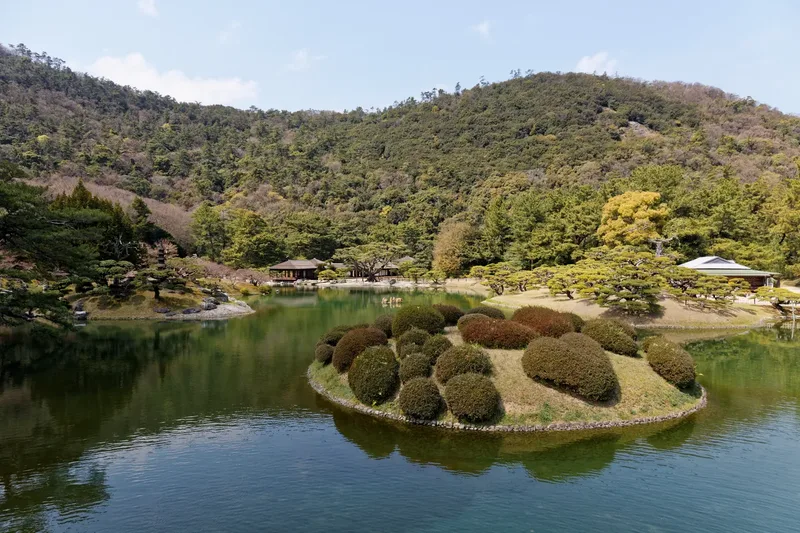
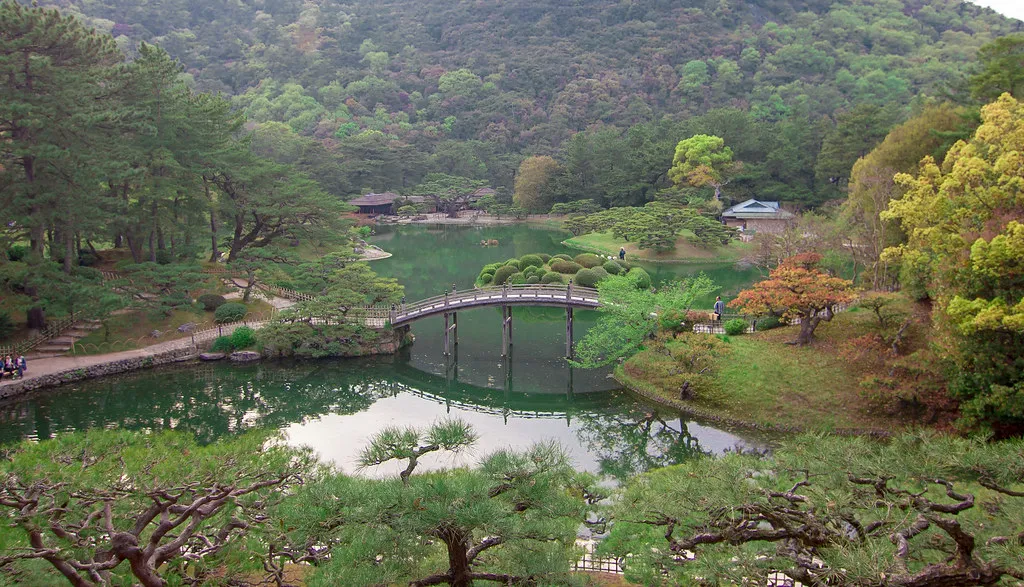
An arched bridge and pine trees beside a pond at Ritsurin Garden.
Photograph: George N — opens in a new tab · CC BY 2.0 — opens in a new tab
Changes: Resized and converted to WebP; displayed with responsive crops. · Original photograph and licence details ↗ — opens in a new tab
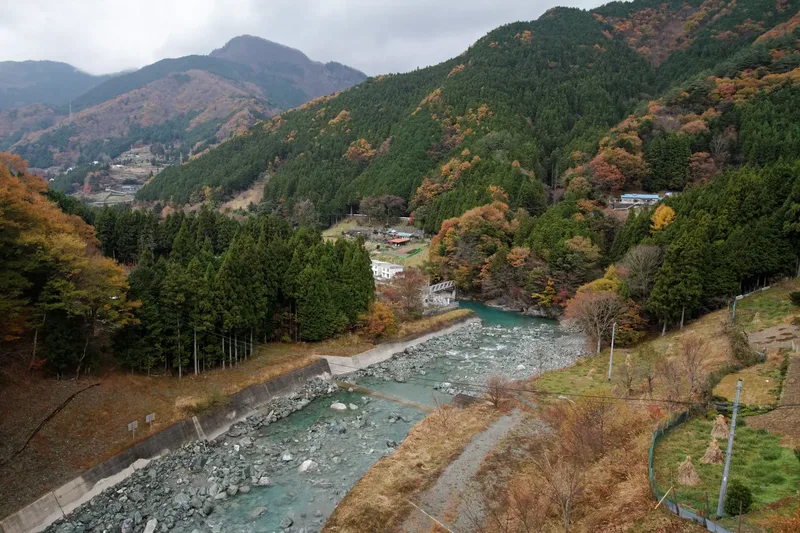
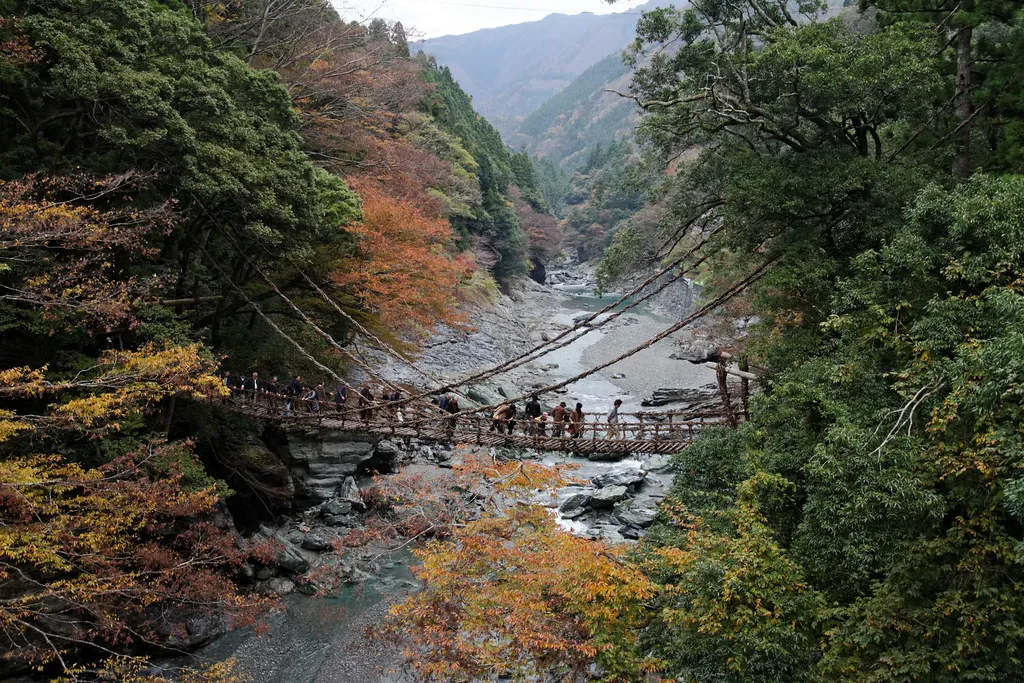
A vine bridge surrounded by autumn foliage in Iya Valley.
Photograph: Kimon Berlin — opens in a new tab · CC BY-SA 2.0 — opens in a new tab
Changes: Resized and converted to WebP; displayed with responsive crops. · Original photograph and licence details ↗ — opens in a new tab
Katsuo no tataki, seared bonito, illustrating a dish associated with Kochi.
Photograph: nakashi — opens in a new tab · CC BY-SA 2.0 — opens in a new tab
Changes: Resized and converted to WebP; displayed with responsive crops. · Original photograph and licence details ↗ — opens in a new tab
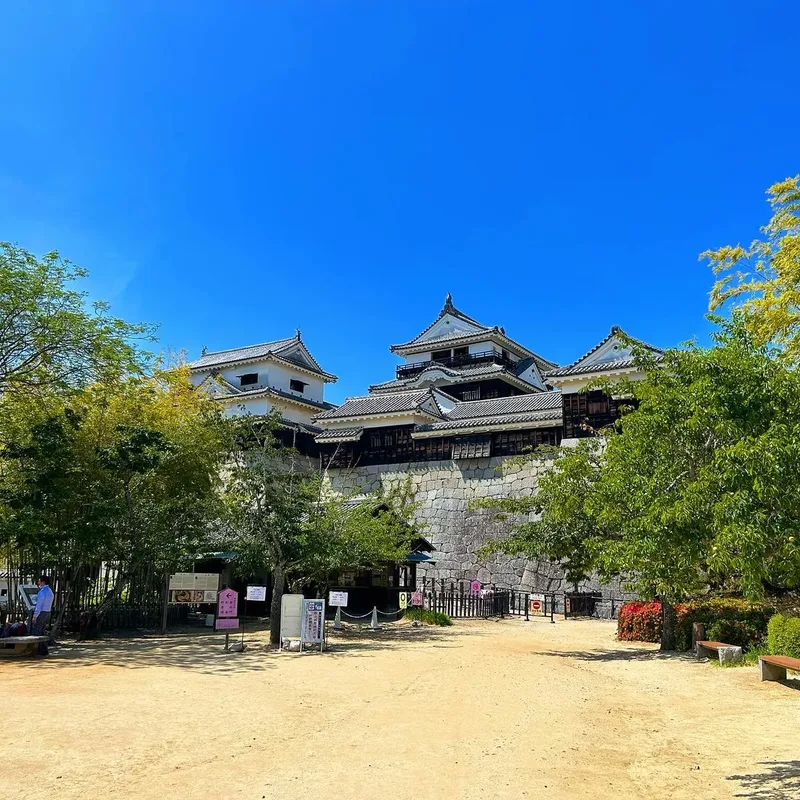
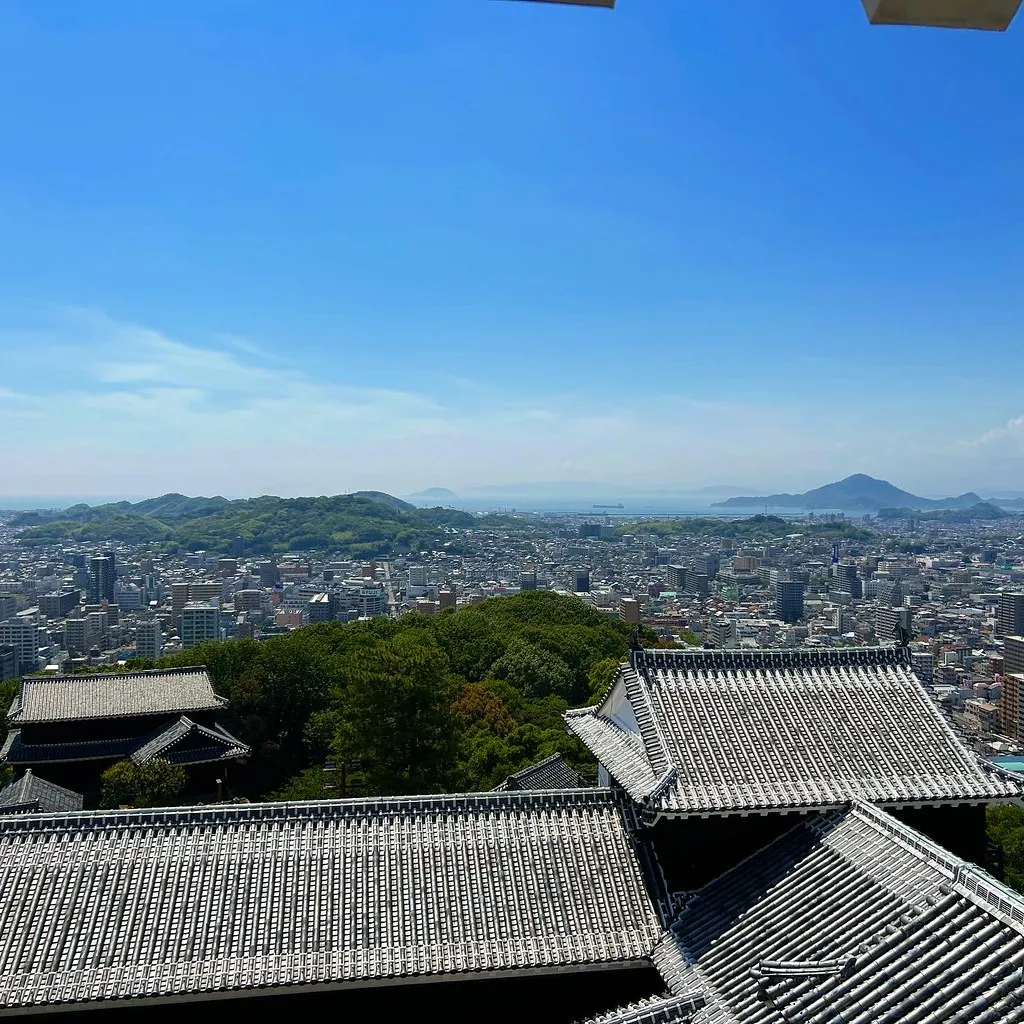
Matsuyama Castle roofs and the city beneath a blue sky.
Photograph: Kanesue — opens in a new tab · CC BY 2.0 — opens in a new tab
Changes: Resized and converted to WebP; displayed with responsive crops. · Original photograph and licence details ↗ — opens in a new tab