Kansai
4 days in Kyoto: coherent districts, food and time to explore
For Four days in Kyoto, start with a clear priority: coherent districts and time for a meaningful experience. Start with that reason to go, then choose the route and meal that support it. The suggestions here are editorial ways to allocate your time, rather than a fixed timetable. They leave room to look closely, eat properly and change an optional stop when the day calls for it.
- Suggested time
- 4 days
- Where to stay
- Kyoto
- Season and timing
- Choose around current weather, access and the specific activity calendar
The short answer
Use one main religious or cultural visit in each district, add lunch nearby and walk the surrounding streets. Fushimi or another outer area belongs on the fourth day if it suits the trip. Begin with coherent districts and time for a meaningful experience, then confirm the practical details for the date you travel. Reserve the experience that matters most before filling the remaining time, and keep the return journey workable.
Choose coherent districts and time for a meaningful experience
Divide Kyoto by area rather than ranking temples in one long list. An eastern Kyoto day, a western Kyoto day and a central-city day create different settings; leave the fourth day for the interest that deserves depth.
Build a route with a clear stopping point
Use one main religious or cultural visit in each district, add lunch nearby and walk the surrounding streets. Fushimi or another outer area belongs on the fourth day if it suits the trip.
Write down the main visit, lunch and the return before adding another outing. If there is spare time, use it for the part of Four days in Kyoto that catches your interest. A flexible interval is especially useful when you would rather stay longer in one setting than keep moving to satisfy a checklist.
Make time for the local food
What to eat and where to look
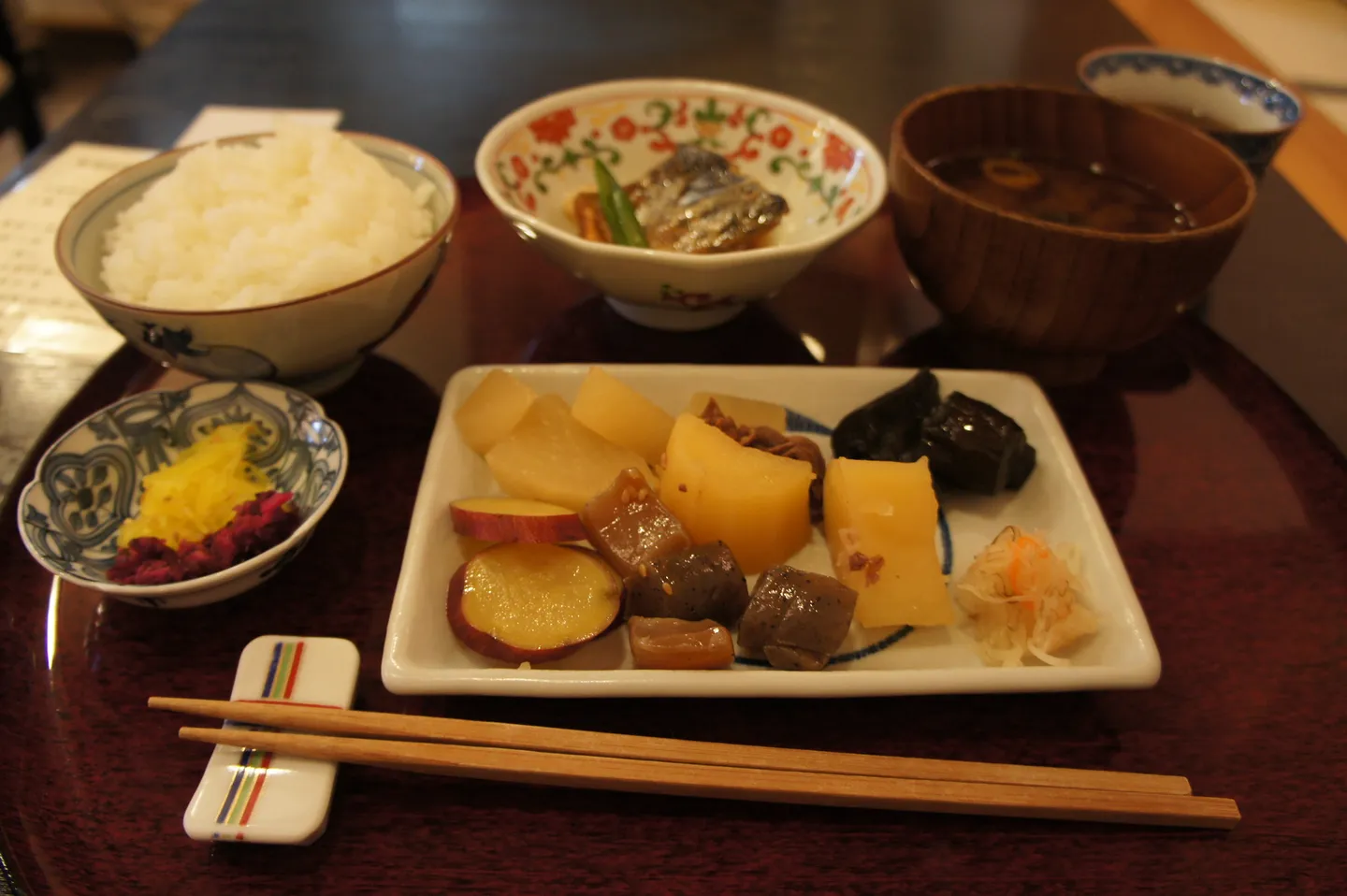
Kyoto seasonal cooking
Kyoto seasonal cooking is a meal option to look for on the actual menu, rather than a promise of availability at every stop. Compare the preparation and portion with what you want to eat.
- Where to look
- Restaurants or food shops on the chosen Four days in Kyoto route; confirm the venue's current information.
- Fit it into your day
- Allow a seated lunch or a deliberate snack interval near the main visit, with enough time for the next connection.
Ask about ingredients and preparation; menus, portions and seasonal supply vary.
Nishiki market tastes
Nishiki market tastes are options to look for on the actual menu, rather than a promise of availability at every stop. Compare the preparation and portion with what you want to eat.
- Where to look
- Restaurants or food shops on the chosen Four days in Kyoto route; confirm the venue's current information.
- Fit it into your day
- Allow a seated lunch or a deliberate snack interval near the main visit, with enough time for the next connection.
Ask about ingredients and preparation; menus, portions and seasonal supply vary.
Tea and sweets
Tea and sweets are options to look for on the actual menu, rather than a promise of availability at every stop. Compare the preparation and portion with what you want to eat.
- Where to look
- Restaurants or food shops on the chosen Four days in Kyoto route; confirm the venue's current information.
- Fit it into your day
- Allow a seated lunch or a deliberate snack interval near the main visit, with enough time for the next connection.
Ask about ingredients and preparation; menus, portions and seasonal supply vary.
Make room for kyoto seasonal cooking
Kyoto seasonal cooking is one meal option to investigate; Nishiki market tastes give you another direction. Choose a restaurant near the route you actually take, and check its current menu before relying on one particular dish.
Connect the arrival with the actual visit
Use rail or subway where it fits the route and consult Kyoto's official local-transport guidance. The shortest map distance is not necessarily the easiest connection, especially with luggage or crowded buses.
Use current conditions to choose the day
Respect private property and local photography rules. A historic street is also a working residential environment; select a booked cultural experience when you want structured access and explanation.
Choose a shorter version before setting out: keep the main interest in Four days in Kyoto, preserve a seated meal and remove the least important extension. That gives you a useful response to slower walking, a queue or changed conditions. Check the official source for the specific place rather than assuming that a regional notice covers every nearby activity.
Choose a guided experience for a clear reason
Reserve one experience where you want participation or interpretation, then give independent district walking the remaining space. The existing Nishiki food offer belongs to a central Kyoto day. Ask about its current tastings, dietary accommodation and time spent in the market, and avoid combining it with another large meal in the same slot.
Practical questions
What should I prioritise for four days in Kyoto?
Begin with coherent districts and time for a meaningful experience. Use one main religious or cultural visit in each district, add lunch nearby and walk the surrounding streets. Add another stop only when the journey and meal still have comfortable space.
Should I book a guided experience?
Reserve one experience where you want participation or interpretation, then give independent district walking the remaining space. Confirm the selected programme's meeting point, duration, language and inclusions before reserving.
What needs checking again before travel?
Respect private property and local photography rules. A historic street is also a working residential environment; select a booked cultural experience when you want structured access and explanation. Recheck the specific operator or visitor site close to departure; this guide does not guarantee a future opening or service.
Sources and checks before you travel
Reference sources for the version dated 30 September 2026. Confirm opening times, access, transport and conditions for your travel dates.
Does this experience fit your route?
Explore related tours and experiences
Check dates and details on Viator ↗ — opens in a new tabAffiliate link · Book with ViatorPhoto credits
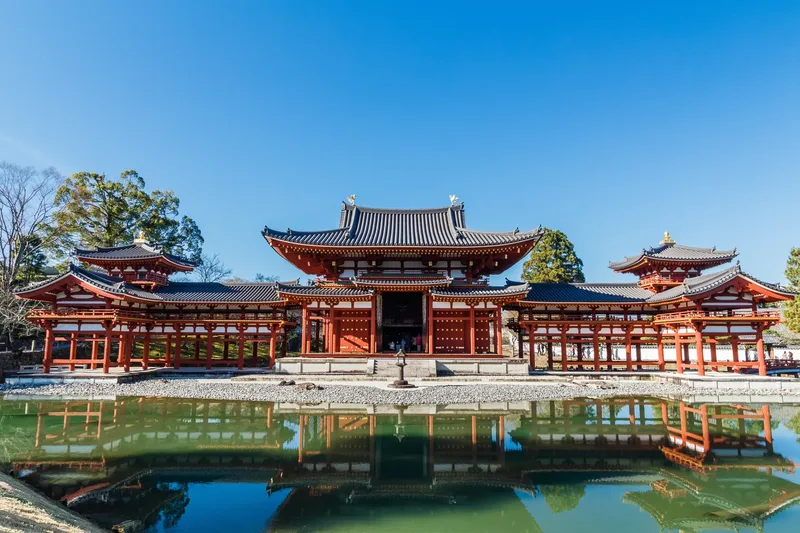
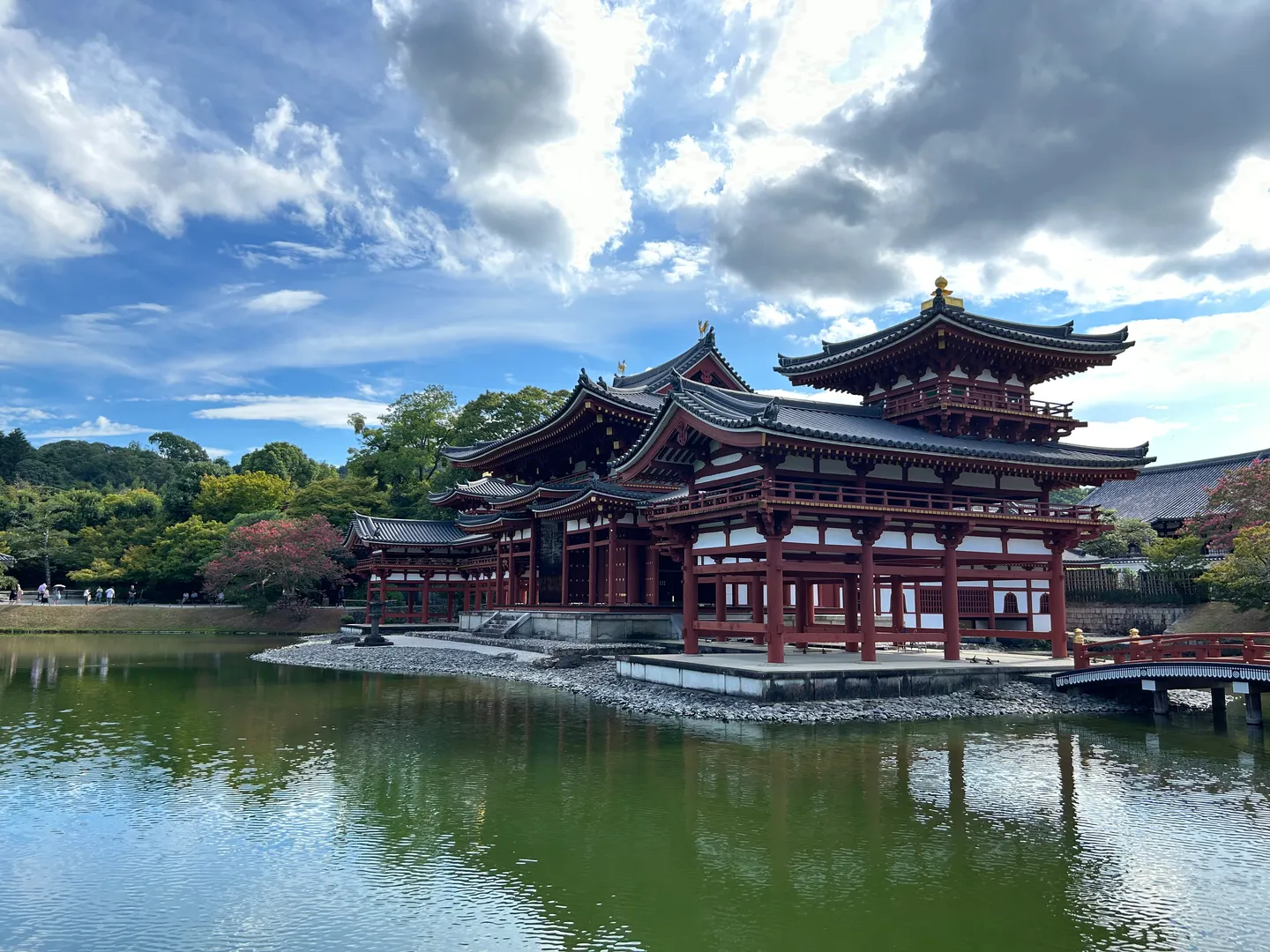
Byodoin's Phoenix Hall reflected in its pond in Uji.
Photograph: Kanesue — opens in a new tab · CC BY 2.0 — opens in a new tab
Changes: Resized and converted to WebP; displayed with responsive crops. · Original photograph and licence details ↗ — opens in a new tab
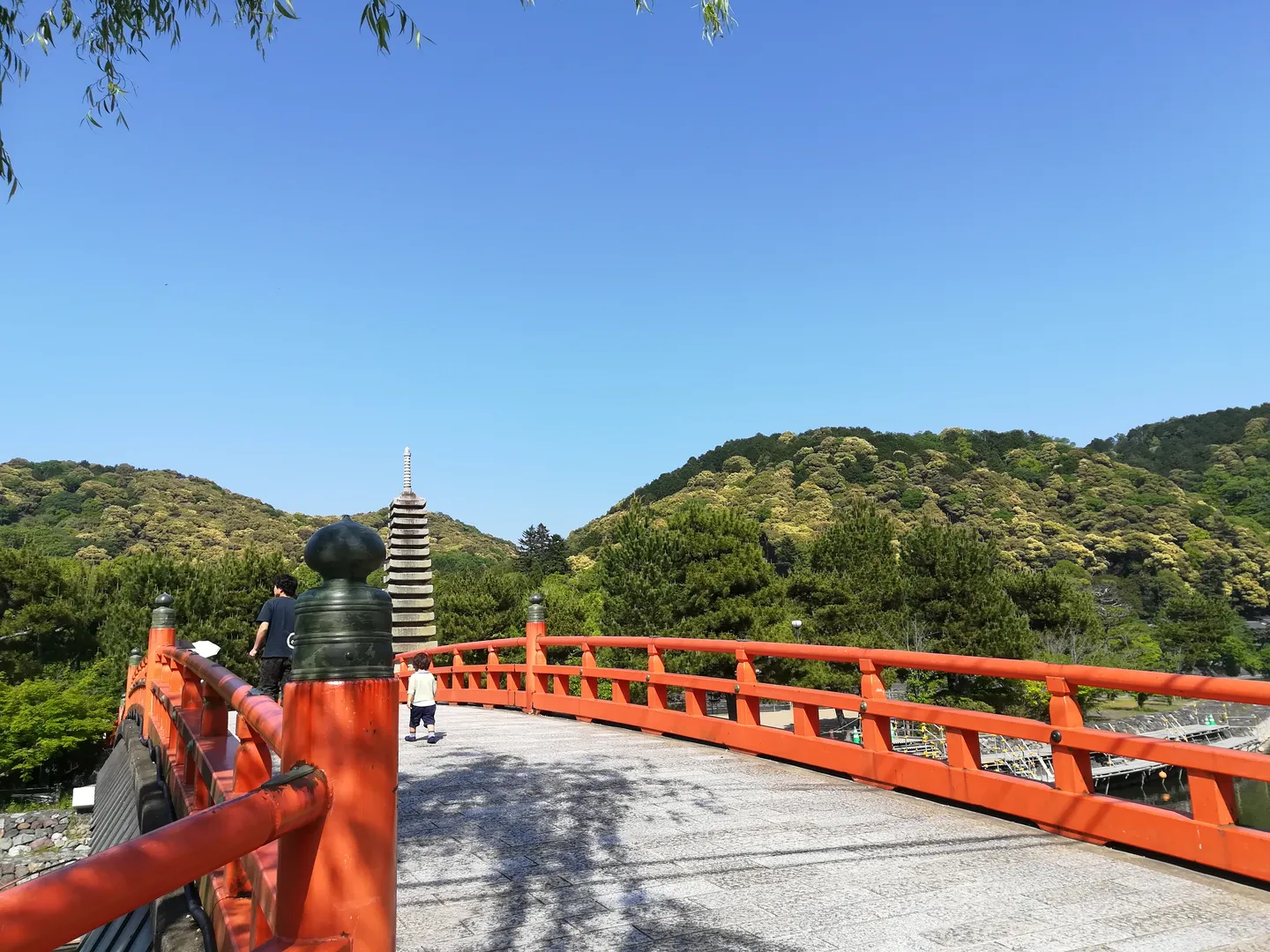
A red bridge over the Uji River with wooded hills beyond.
Photograph: x768 — opens in a new tab · CC BY-SA 2.0 — opens in a new tab
Changes: Resized and converted to WebP; displayed with responsive crops. · Original photograph and licence details ↗ — opens in a new tab
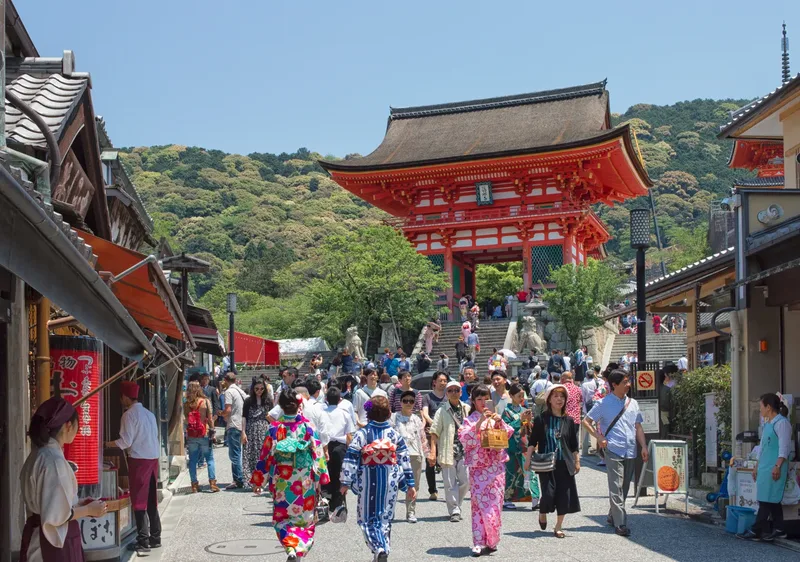
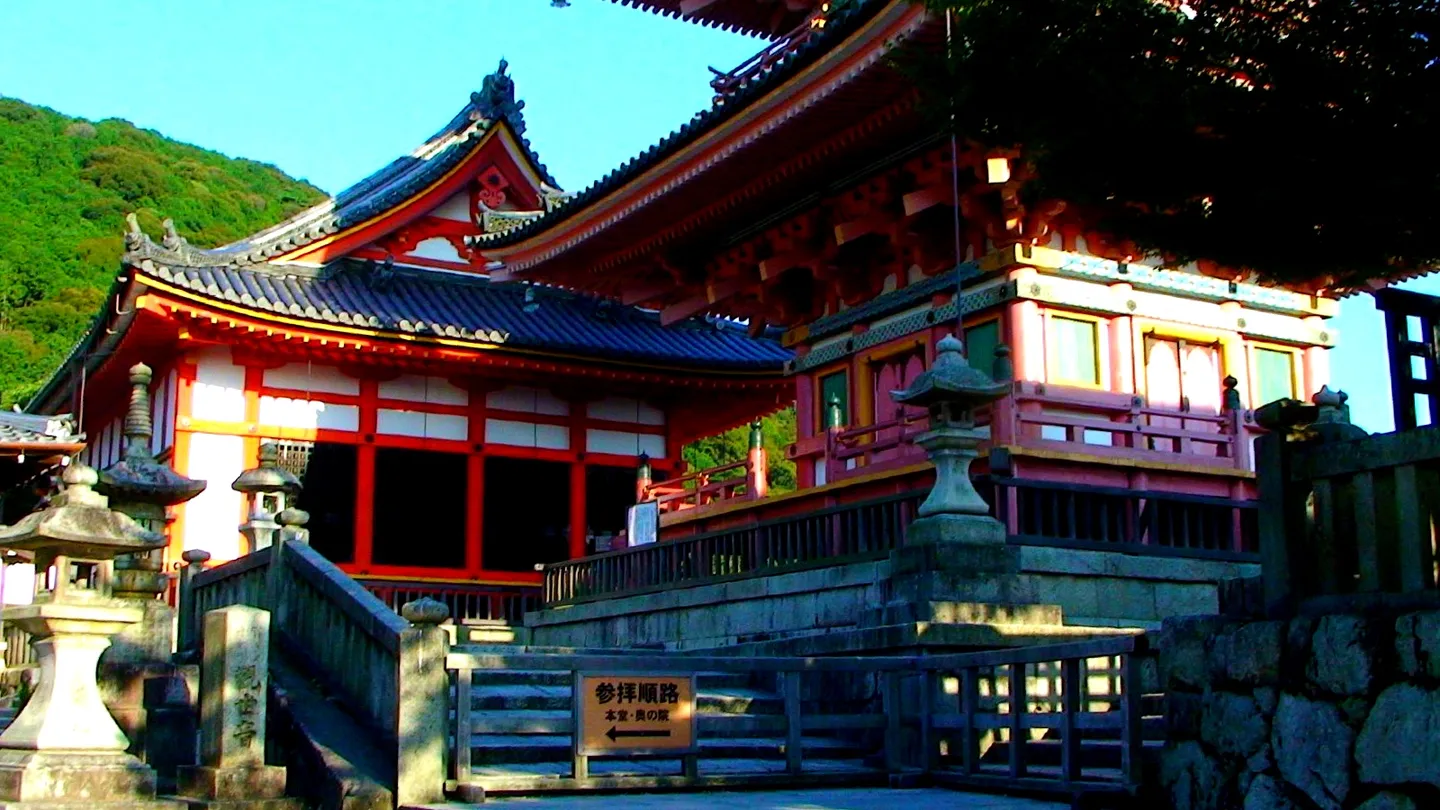
Red temple buildings at Kiyomizu-dera in Kyoto.
Photograph: CH L — opens in a new tab · CC BY 2.0 — opens in a new tab
Changes: Resized and converted to WebP; displayed with responsive crops. · Original photograph and licence details ↗ — opens in a new tab
An obanzai meal with rice, soup and small side dishes.
Photograph: konohana. — opens in a new tab · CC BY 2.0 — opens in a new tab
Changes: Resized and converted to WebP; displayed with responsive crops. · Original photograph and licence details ↗ — opens in a new tab