Chubu · Gifu
Gujo Hachiman travel guide: waterways, old streets and local food
Gujo Hachiman’s waterways run through a lived castle town, giving an ordinary street walk a distinctive rhythm. A castle ascent, a food-model workshop or an evening of seasonal dancing each adds a different reason to stay.
- Suggested time
- One day; consider a night at the gateway
- Where to stay
- Gujo Hachiman or Nagoya
- Season and timing
- Summer for Gujo Odori on its announced festival dates; spring and autumn for town walks. Check seasonal river dishes separately.
The short answer
Choose the old town and one main activity, then confirm whether your arrival is at the central bus stop, a highway stop or the railway station. Gujo Odori follows a seasonal calendar and is not a nightly performance throughout the year.
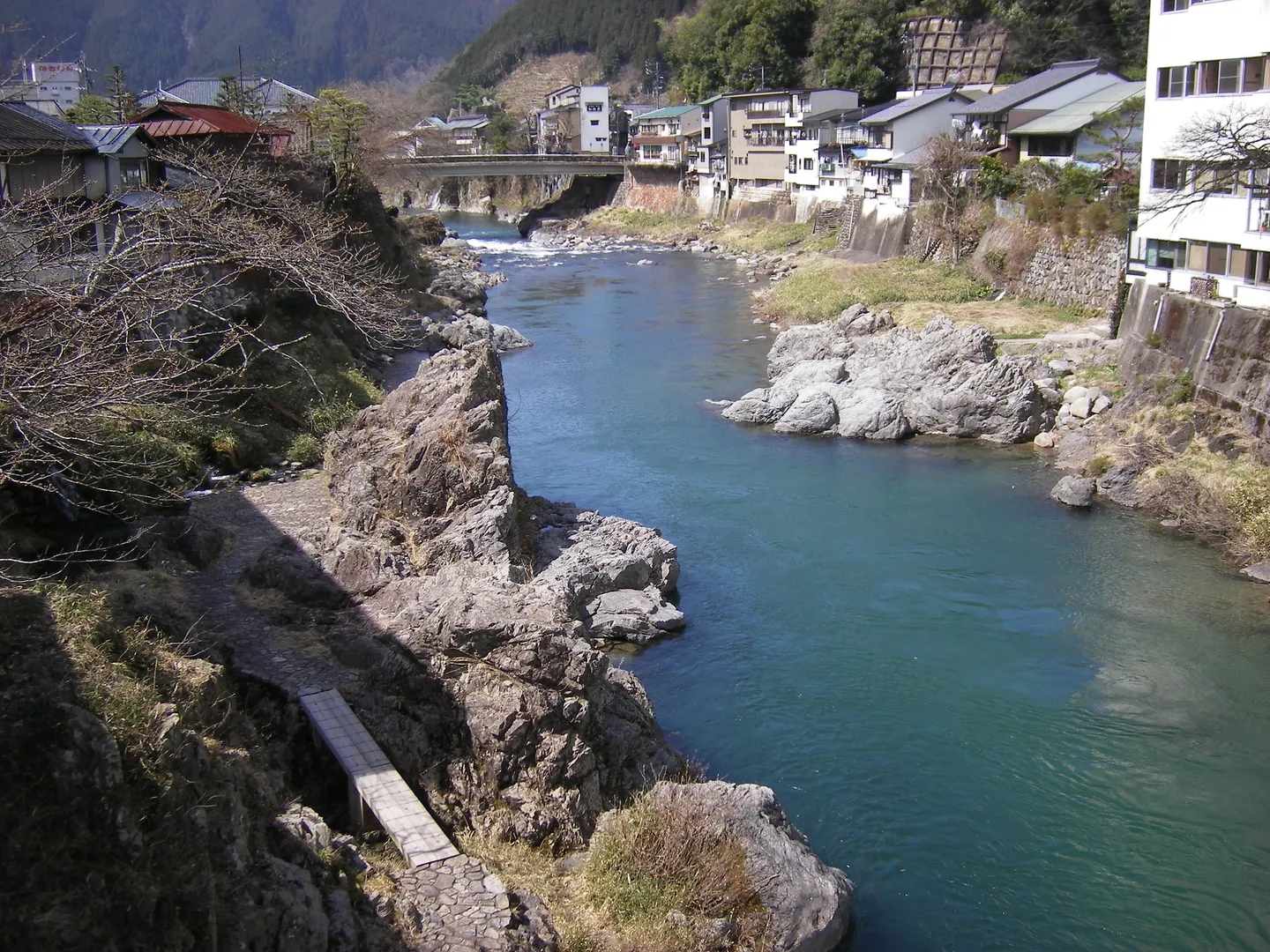
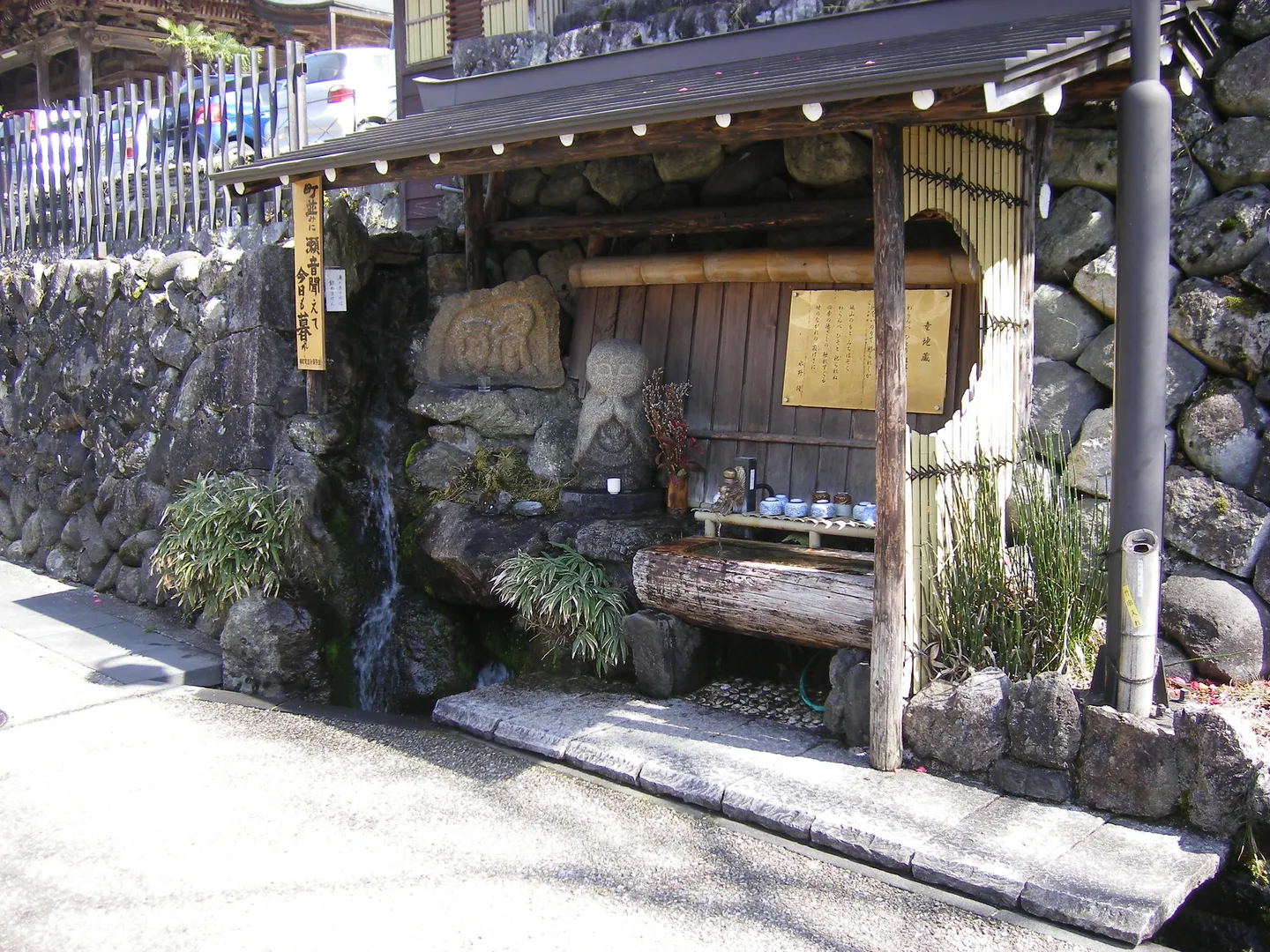
Look at water as part of daily life
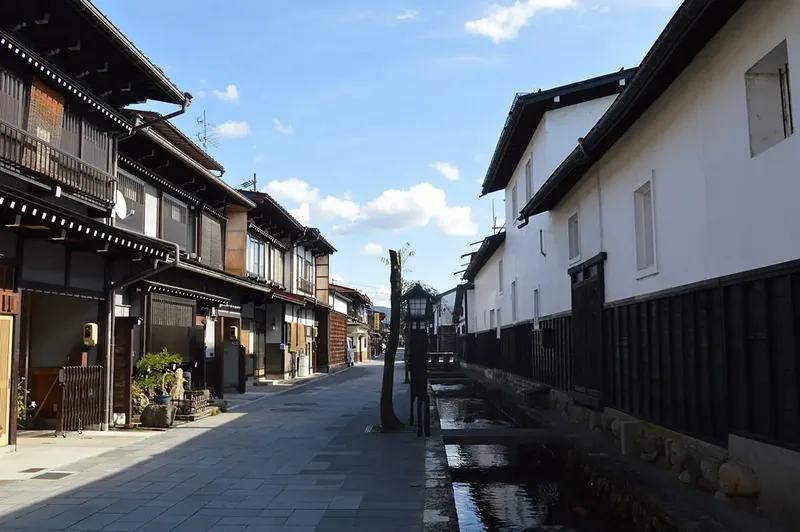
Walk along the waterways and observe the systems within the streets without using them as tourist fountains. Houses, shops and shared infrastructure make the town more than a scenic channel. Stop where there is room for other people to pass. Choose a modest loop with a seated lunch rather than trying to visit every bridge and water point.
The castle and a workshop need different plans
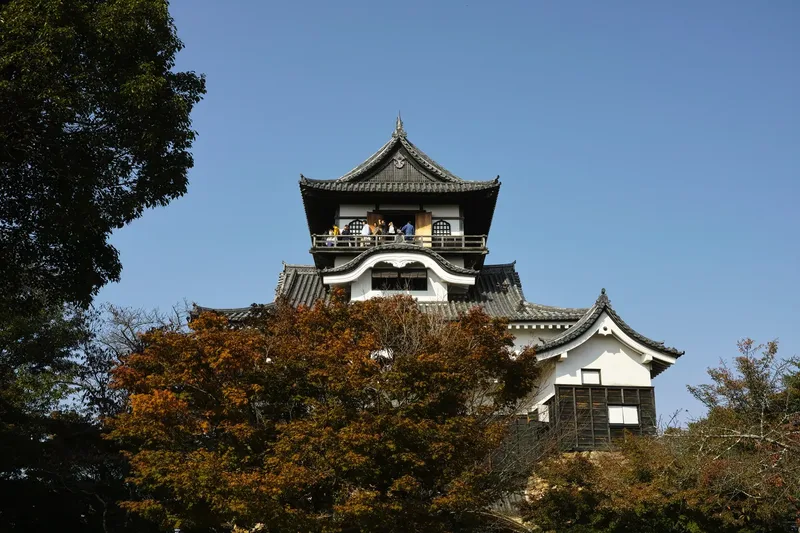
A castle visit involves an ascent, while a food-replica session can offer a different, often indoor craft theme. Check the specific course, language, age requirements and duration before booking. Demonstrations and hands-on sessions vary between providers. Do not promise that every visitor makes the same model or that a walk-in arrival will secure a place.
Make time for the local food
What to eat and where to look
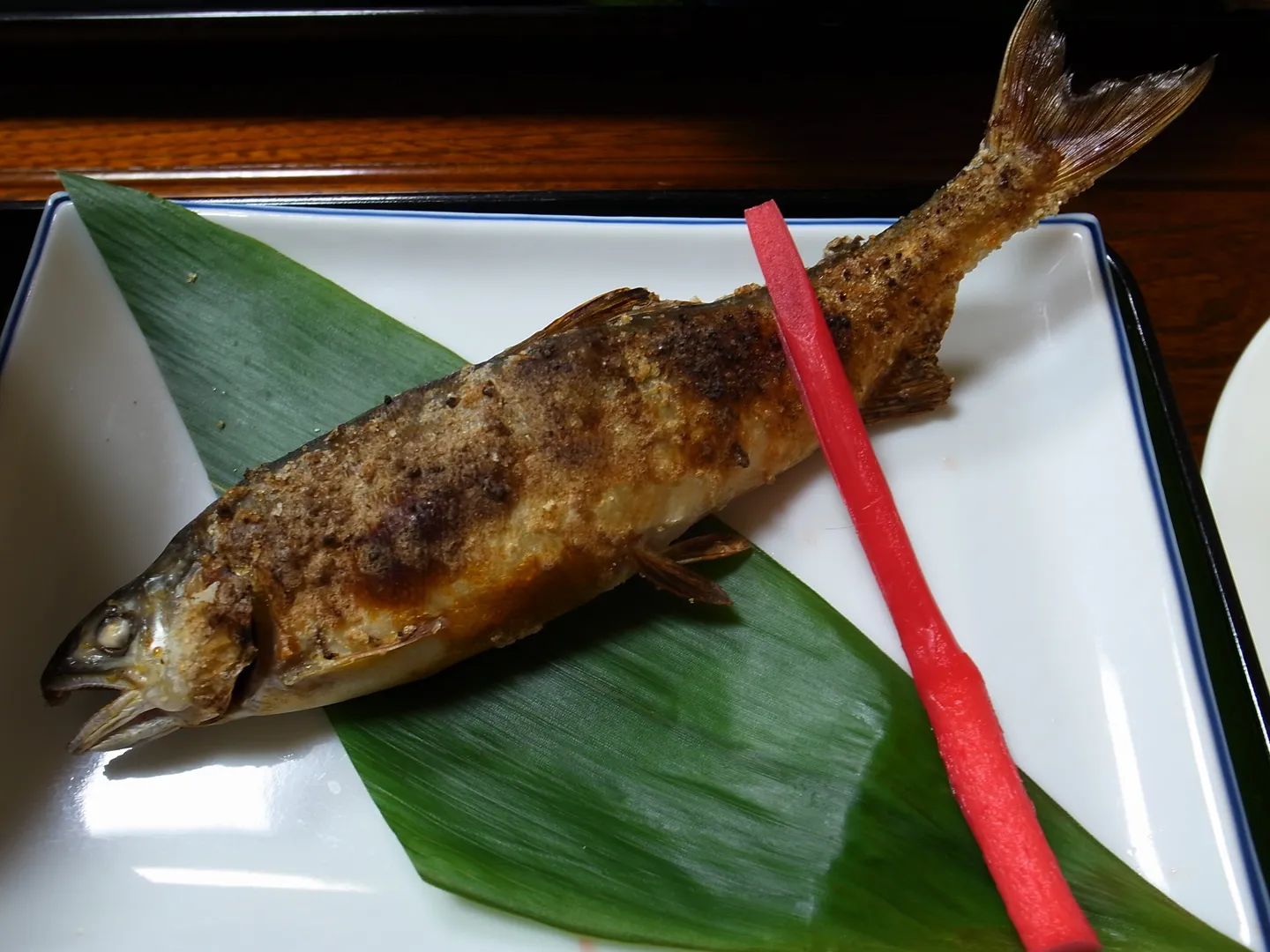
Ayu
Grilled sweetfish links the food with the region’s rivers. Catch, source and season differ and should be checked on the menu.
- Where to look
- Restaurants explicitly naming ayu
- Fit it into your day
- A seasonal lunch with attention to small bones.
Keichan
Marinated chicken cooked with vegetables, often cabbage, appears around Gujo and Gero. Miso, soy and salt versions differ.
- Where to look
- Current local restaurants
- Fit it into your day
- A main dinner when staying overnight.
Unagi
Grilled eel over rice provides a substantial meal. Its presence on the menu does not prove it was caught in the town’s waterways.
- Where to look
- Specialist restaurants in the town
- Fit it into your day
- Allow for preparation and any queue before the return.
Regional soba
Soba can be a regional lunch possibility, with flour and seasoning varying between restaurants. It is not exclusive to Gujo.
- Where to look
- Current soba restaurant menus
- Fit it into your day
- An alternative to a larger meal, with broth checked.
Check where the transport actually leaves you
A central bus stop, a highway stop and Gujo-Hachiman Station need different final approaches. Compare the actual route and return before choosing the day. The Nagaragawa Railway is another possibility, with its own timetable. A night in town can make dinner easier to enjoy, but accommodation and any evening transfer still need to be arranged.
Dance season changes the town’s rhythm
Gujo Odori is a reason to investigate the current calendar and reserve a night that fits the event. Outside that period, a quiet walk and regional meal offer a different visit. Ayu, keichan or a soba lunch can fit the town route when available. Choose one substantial meal rather than treating every advertised speciality as compulsory.
Practical questions
Does Gujo Odori take place every night?
No. It follows a seasonal event calendar. Confirm current dates and accommodation before travelling specifically for the dancing.
Is a guided visit necessary?
An independent visit can work with a clear route and current access information. Compare the actual guided programme for interpretation or practical support, including the meeting place and what is covered.
How should food fit the route?
Choose one main meal near the planned visit and leave smaller tastes optional. Check the actual menu, ingredients and opening before making a restaurant the only lunch option.
Sources and checks before you travel
Reference sources for the version dated 30 September 2026. Confirm opening times, access, transport and conditions for your travel dates.
Does this experience fit your route?
Explore related tours and experiences
Check dates and details on Viator ↗ — opens in a new tabAffiliate link · Book with ViatorPhoto credits
The Yoshida River flowing between houses and rocky banks in Gujo Hachiman.
Photograph: rockriver — opens in a new tab · CC BY 2.0 — opens in a new tab
Changes: Resized and converted to WebP; displayed with responsive crops. · Original photograph and licence details ↗ — opens in a new tab
A stone water feature beside a street in Gujo Hachiman.
Photograph: rockriver — opens in a new tab · CC BY 2.0 — opens in a new tab
Changes: Resized and converted to WebP; displayed with responsive crops. · Original photograph and licence details ↗ — opens in a new tab
A whole grilled ayu, illustrating a river-fish dish associated with the Gujo region.
Photograph: pelican — opens in a new tab · CC BY-SA 2.0 — opens in a new tab
Changes: Resized and converted to WebP; displayed with responsive crops. · Original photograph and licence details ↗ — opens in a new tab