Plan your trip
Is Brunei safe? Vaccines, dengue, haze, crocodiles and hospitals
Brunei rarely goes wrong for visitors through crime. The trouble that changes a trip is quieter: a dengue fever after a daytime mosquito bite, smoke haze drifting over from Kalimantan, a solo walk off the trail in the rainforest, a riverbank where saltwater crocodiles live, a law far stricter than the one at home.
In this guide
Find the location ↗ — opens in a new tabThe short answer
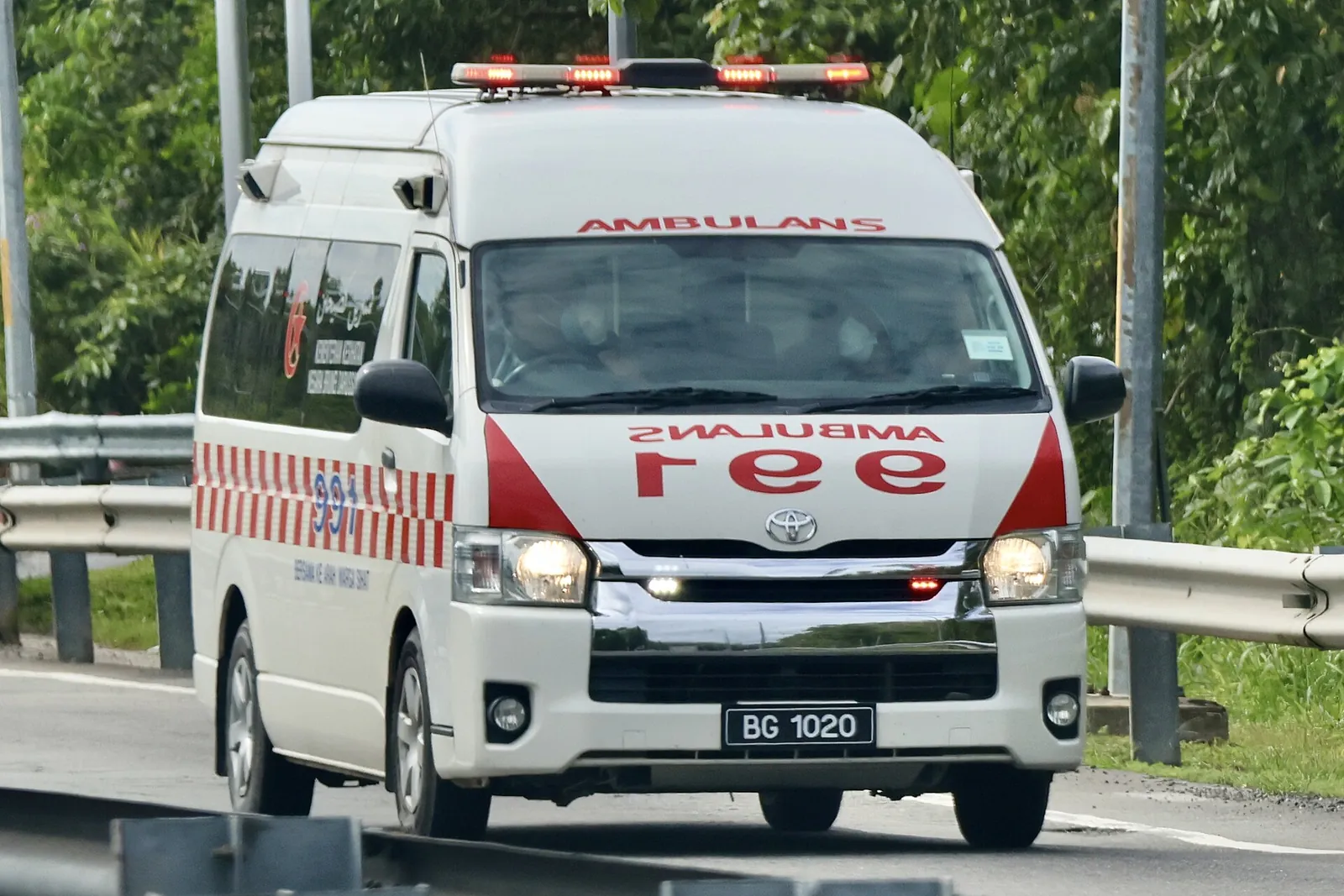
Buy travel insurance that covers local treatment and medical evacuation first, since complications may mean evacuation to Singapore. Start at least 8 weeks before you fly: TravelHealthPro recommends hepatitis A, typhoid and tetanus for most travellers and no malaria tablets, and dengue means avoiding mosquito bites by day. Save 991 (ambulance), 993 (police) and 995 (fire and rescue). Enter the rainforest only with an official guide, and check the haze alerts from August to October. Drug offences can carry the death penalty, and eating, drinking or smoking in public by day during Ramadan can bring a fine of up to BND 4,000.
- Key point
- Start at least 8 weeks before you fly: the travel clinic and the insurance; the rest applies throughout the trip
- Where it applies
- No base is needed; the advice applies in Bandar Seri Begawan, on the coast and in the Temburong rainforest
- Timing
- The wettest months are October to January and May to July; in 2026 the regional haze alerts ran from August to October
What the governments say, and what actually goes wrong
By the official measures, Brunei is a calm country to travel in. The UK, German and French governments all keep it at their lowest level of advice: the UK Foreign Office advises against travel to no part of the country, Germany publishes only its standard travel and safety notes, with no travel warning, and France places the whole country under normal vigilance. Germany describes the political situation as stable, with demonstrations not usual, and the UK and Germany both put crime levels at low. The UK adds that there is no recent history of terrorism in Brunei, but attacks cannot be ruled out; France says the same.
The UK last changed its Brunei page on 19 March 2026, for flight disruption from escalation in the Middle East, so check the advice for any country you change planes in. Other governments may draw their lines differently from these three, so read your own government's advice before you book and again before you fly.
Prices and times checked 8 November 2026
Emergency numbers, hospitals, insurance and medicines
Save these numbers before you land:
| Service | Number |
|---|---|
| Ambulance (EMAS) | 991 |
| Police | 993 |
| Fire and rescue (bomba), also for snakes indoors | 995 |
| Search and rescue | 998 |
| Ministry of Health advice line (Talian Nasihat Kesihatan) | 148 |
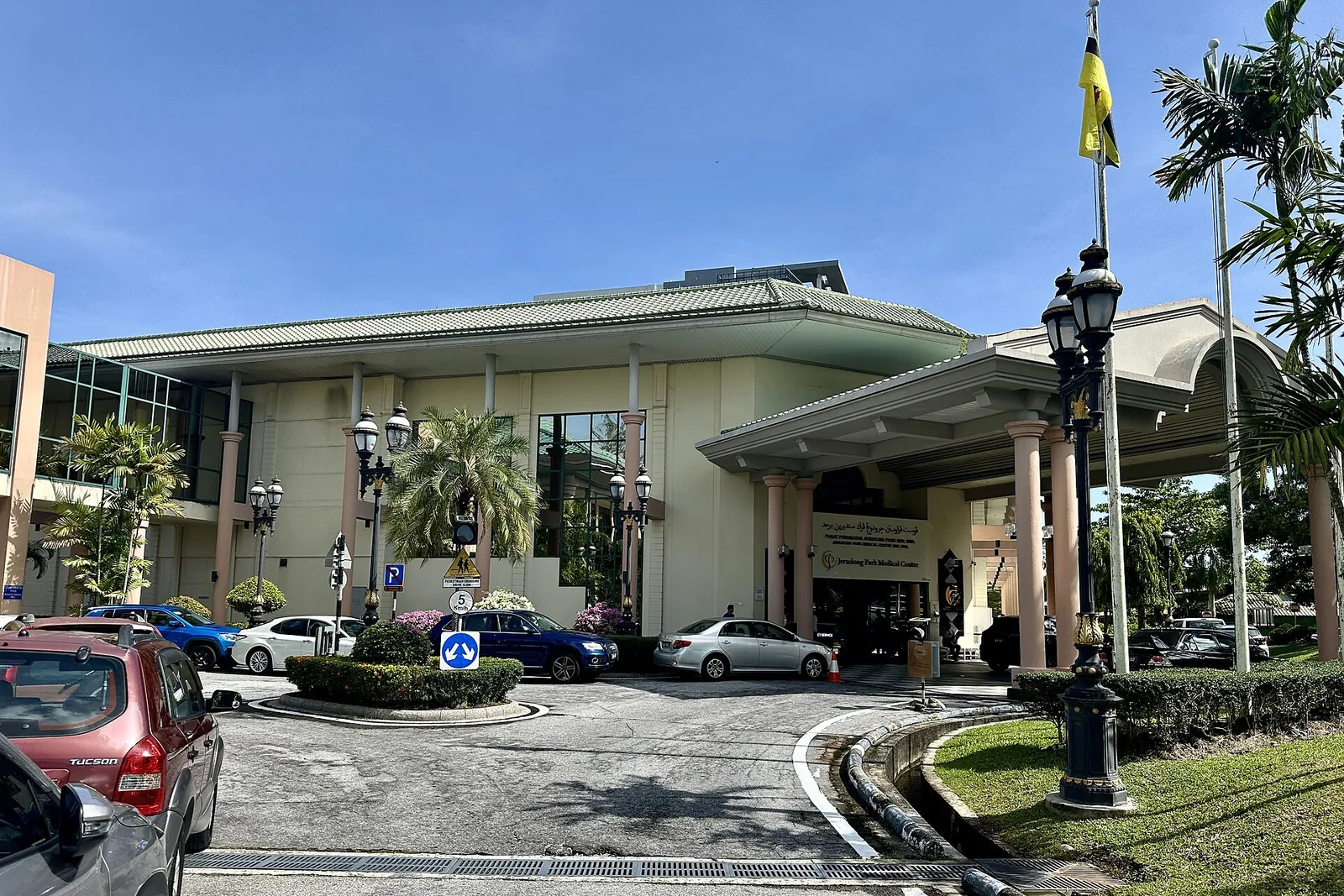
Standards of healthcare are generally acceptable, though basic hospital supplies can occasionally run low; in-patient and emergency care is well structured, with doctors mostly from other Asian countries. Around Bandar Seri Begawan, the main government hospital is Raja Isteri Pengiran Anak Saleha Hospital, known as RIPAS (+673 222 2366); the private hospitals are Gleneagles Hospital (+673 261 1883) and the specialist Jerudong Park Medical Centre, JPMC (+673 261 1433). Most towns have a government health centre, and there are private clinics in any major shopping area.
If there are complications, you may need medical evacuation to Singapore. The UK asks you to have adequate travel health insurance and accessible funds to cover the cost of any treatment and repatriation. Germany warns that without adequate insurance, costs such as treatment, hospital stays and the flight home are in principle yours to pay and can quickly eat up all your savings, and that in many countries doctors' and hospitals' bills have to be settled before discharge or even paid in advance. Choose a policy that covers all medical costs, including surgery, hospital stays, medical evacuation and repatriation, as well as your itinerary and planned activities, and contact your insurer quickly if you are referred to a hospital. Our Brunei trip-cost guide prices the days themselves; add the insurance premium on top.
Most branded medicines are readily available, but some items sold without a prescription in the UK may need a doctor's prescription in Brunei. The legal status of some medicines differs from home, so before you pack, read TravelHealthPro's best-practice advice on travelling with medicines, the page the UK Foreign Office points to. Bring what you take regularly in its original packaging with the original labels, with a prescription that gives the international generic names. Pack a personal travel medicine kit and keep it out of high temperatures on the way.
Prices and times checked 8 November 2026
Vaccines and the health rules at the border
Book the travel clinic at least 8 weeks before the trip to check the vaccine recommendations; if you are booking later, TravelHealthPro says an appointment is still worthwhile when time is short. Be up to date with routine courses and boosters such as MMR and diphtheria-tetanus-polio.
For most travellers, TravelHealthPro recommends three vaccines. Hepatitis A is recommended for all previously unvaccinated travellers. Typhoid is recommended for most travellers, particularly those visiting friends and relatives, young children, and frequent or long-stay travellers going where sanitation and food hygiene are likely to be poor. A tetanus booster is recommended if your last dose was more than ten years ago and medical facilities may be limited where you go.
For some travellers, depending on the trip, TravelHealthPro lists dengue, hepatitis B, Japanese encephalitis, rabies and tuberculosis vaccines. The US CDC goes further on hepatitis B and recommends it for all unvaccinated travellers. Germany links the extra travel vaccines to long stays or special exposure, especially in the hinterland, and advises every traveller to have full polio protection, with a booster every ten years; rabies vaccine matters especially for young children and rural stays.
Three rules apply at the border. There is no yellow fever in Brunei, but travellers aged 9 months or older need a vaccination certificate if they arrive from a country with a risk of yellow fever, or after more than 12 hours in transit through an airport in such a country; Germany's advice asks for proof after a transit there too, so carry the certificate if you changed planes in a risk country, even briefly. There is no polio in Brunei either, but proof of polio vaccination may be necessary for some travellers; TravelHealthPro points to the World Health Organization's International Travel and Health for the current country rules. Everyone completes the Health Declaration Form before or on arrival. Our guide to entering Brunei has the E-Arrival card that goes with it.
Prices and times checked 8 November 2026
Mosquitoes, malaria and animal bites
Dengue is the mosquito-borne risk to plan for. The Aedes mosquitoes that carry it live throughout the country and bite mainly in the daytime, and they are more common in towns, cities and the areas around them; complications in travellers are rare. The dengue vaccine can be considered for people aged 4 and over who have had dengue before, and only exceptionally for others after expert advice. Chikungunya, spread by the same daytime-biting mosquitoes, is on TravelHealthPro's list because Brunei has reported cases in the past or shares a land border with a country that has reported cases recently; it recommends no vaccine, only avoiding bites, particularly by day.
Malaria is not a reason to take tablets. TravelHealthPro rates the risk as very low and recommends no antimalarial drugs for Brunei, only awareness and bite avoidance. Isolated cases of Plasmodium knowlesi malaria do occur, so protect yourself at dusk and at night too. Japanese encephalitis occurs countrywide all year, and although information is limited, the overall risk is thought to be low; avoid bites, particularly from dusk to dawn.
Bite prevention therefore covers the whole day: wear long, covering clothes, put repellent on exposed skin and sleep in a protected room, with nets or air conditioning.
Rabies may be present in Brunei, though information is limited and cases are rare. Avoid touching animals and get medical care urgently after any bite or scratch, however small; rabies vaccines are typically available after an exposure throughout most of the country.
Prices and times checked 8 November 2026
Water, food, heat, haze and the rains
Hygiene conditions in Brunei are acceptable, but take care with personal, food and water hygiene. Germany and France both advise against tap water: drink only water of safe origin, such as bottled or sealed drinks, or water made safe by filtering, boiling or disinfecting it.
The climate is tropical, hot and humid all year. Drink plenty, avoid the hottest hours of the day, and cover up and use sun protection; plan walks around the city's mosques and the water village for the morning or late afternoon. Influenza is more frequent in the rainy seasons.
The wettest months are October to January and May to July, and in the rainy seasons monsoon rain and storms can cause floods and landslides. After heavy rain, stay out of floodwater and avoid contact with soil or muddy water, which the CDC links to leptospirosis and melioidosis. Brunei also lies in a seismically active zone, where earthquakes can occur.
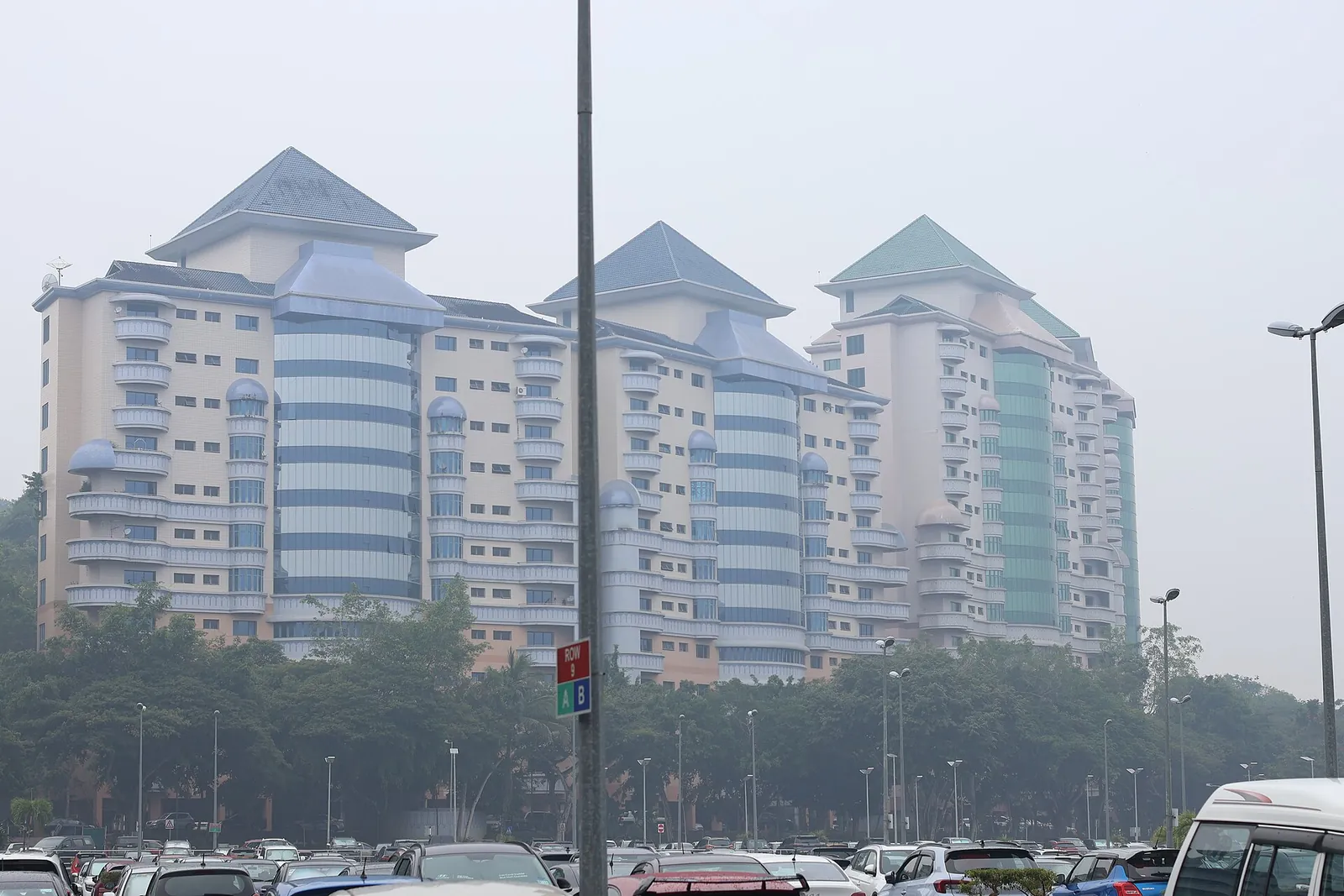
Smoke haze is the dry-season risk. The ASEAN Specialised Meteorological Centre raised its haze alert for the southern ASEAN region to Level 2 on 3 August 2026 and to Level 3 on 26 August, with moderate to dense haze from hotspots in Kalimantan drifting northwards. The alert went back to Level 2 on 29 October and down to Level 1 on 5 November, with the situation expected to be subdued as rainfall increased in the following weeks. If you travel between August and October, check the alerts page of the ASEAN Specialised Meteorological Centre (asmc.asean.org) before you go and again during the trip, and on haze days, if a health problem makes you more vulnerable to air pollution, check local air quality data and change the day's plans to match; see the best time to visit Brunei for the months.
Prices and times checked 8 November 2026
Rainforest, rivers, crocodiles and snakes
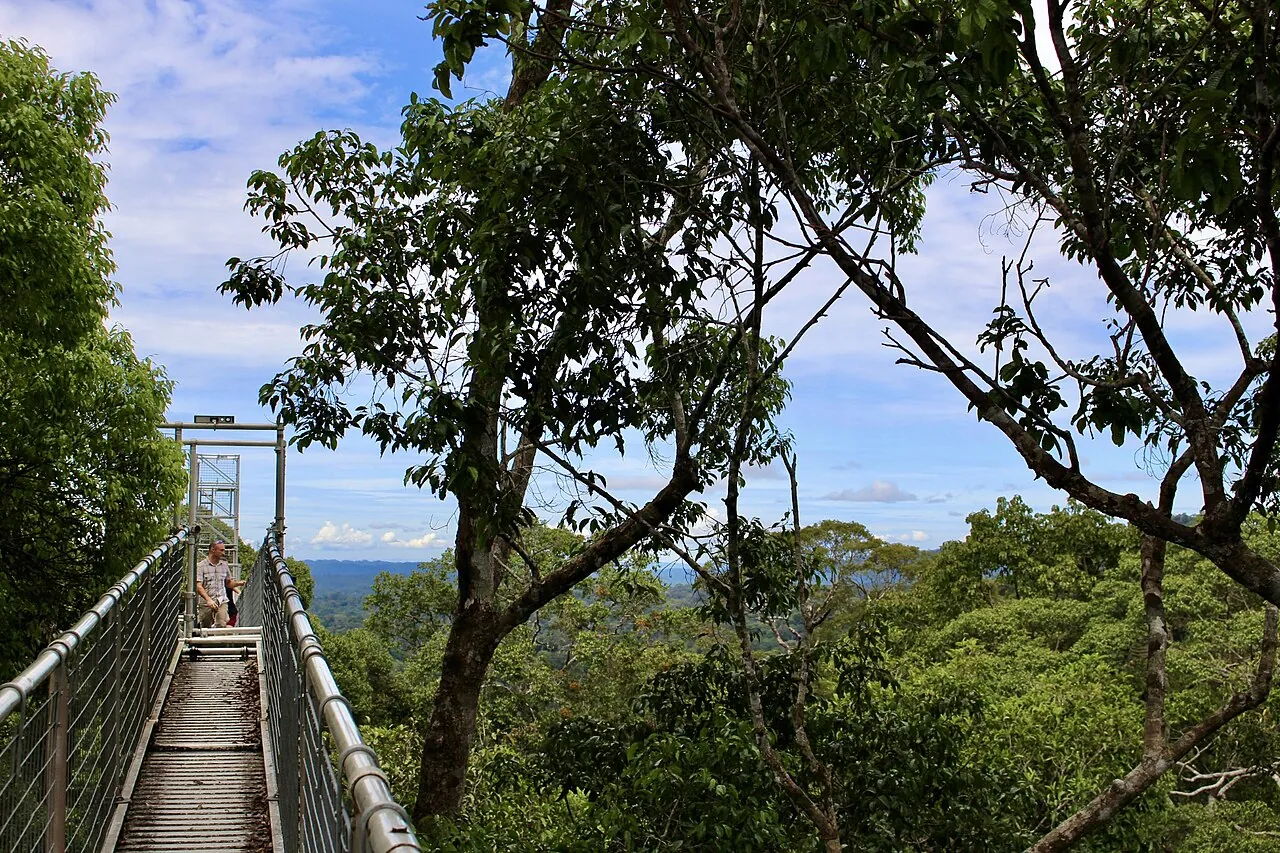
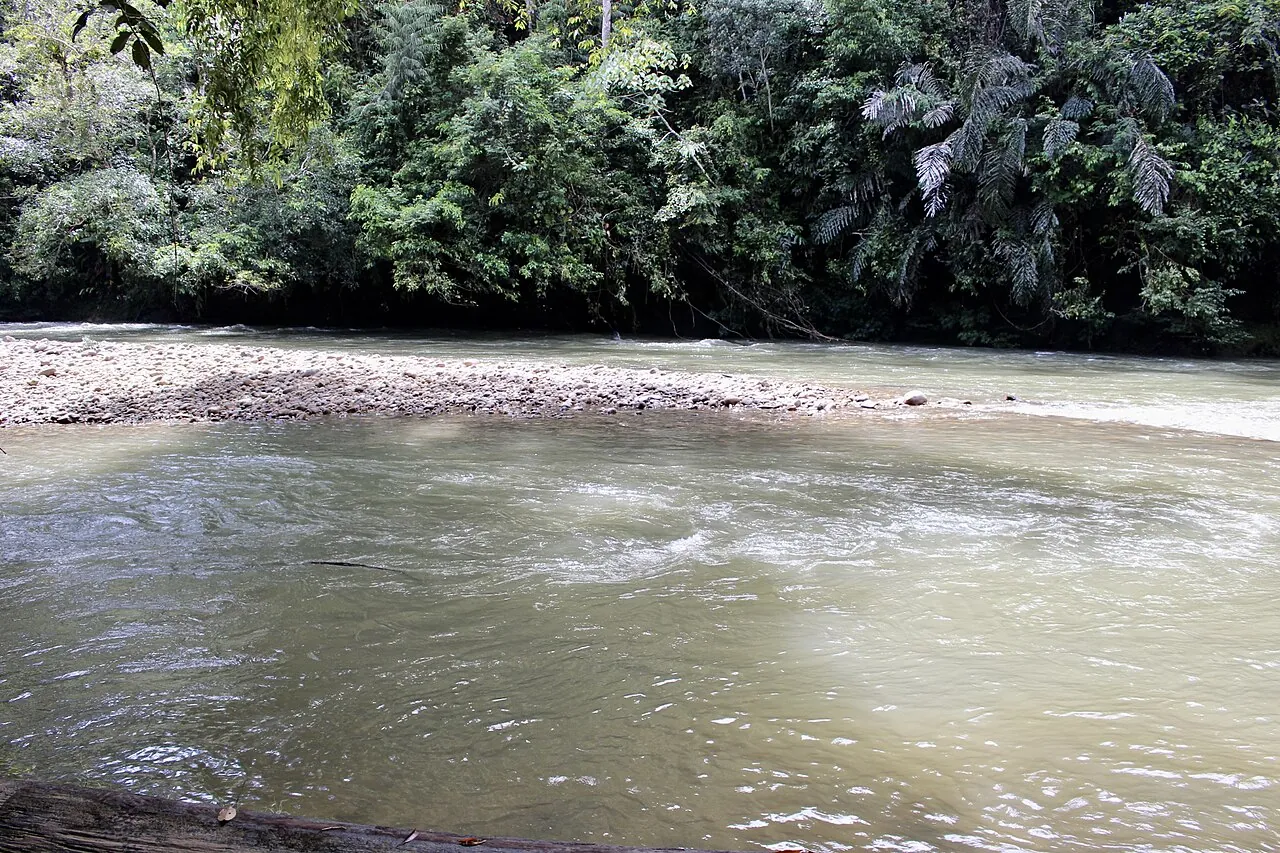
Never hike alone in the forest, even at well-known recreation areas: the police advise against it. Go into the forest only with an official guide, use recognised, well-known guides, stay on paths and trails rather than pushing through undergrowth, and always carry food and water, consider carrying a whistle and a torch, and wear closed-toe shoes. For Temburong's rainforest, the boat ride upriver and the canopy walk, our Ulu Temburong guide covers the licensed operators and the day.
Saltwater crocodiles live in Brunei's waters, and they have attacked and killed people fishing on riverbanks around Bandar Seri Begawan. They have also been seen on beaches and on the golf courses at Panaga and Pantai Mentiri. Take care on the coast, along the Brunei River and its tributaries, and beside coastal ponds, and keep back from the water's edge.
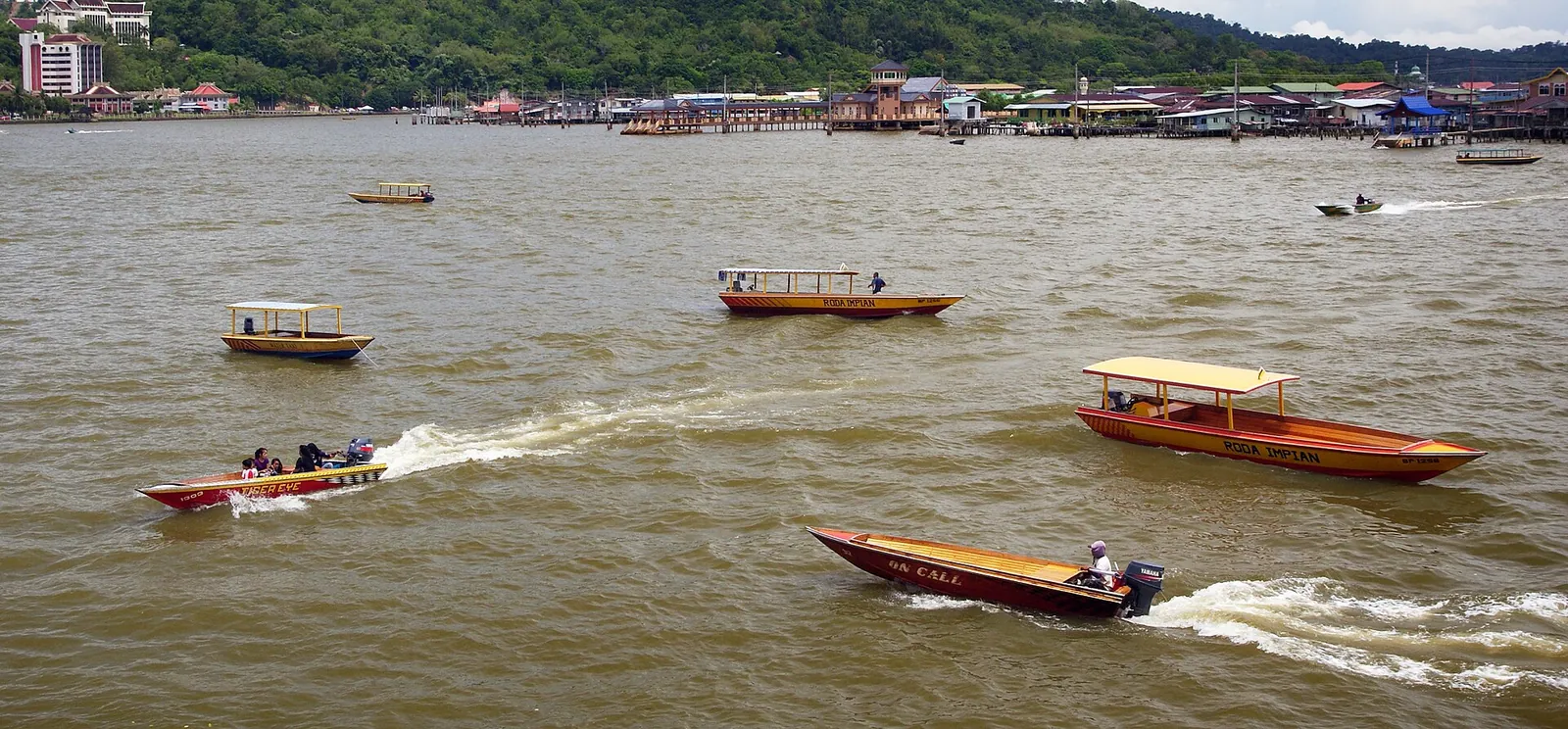
Small boats carry passengers across to the water village at Kampong Ayer and on river cruises. Before you set off, check that there are enough life jackets for every passenger, children included, and keep your hands inside the boat. At the beach, swim only in supervised areas, check the currents first and drink no alcohol before a swim.
Brunei has venomous snakes: keep your distance from any you see. If one gets into a house, a garden or another confined space, call the fire service, known as the bomba, on 995. The RIPAS public hospital in Bandar Seri Begawan carries antivenom; get medical advice after any snake bite.
Prices and times checked 8 November 2026
Roads and driving
Brunei's roads are in good condition and traffic is fairly fluid, with no fuel shortages. Driving standards are another matter: vehicles do not always stop at red lights or pedestrian crossings; many drivers speed and skip seatbelts and child car seats; road surfaces are uneven, accidents are common and animals can be on the road. Traffic drives on the left. Prefer reliable transport, such as the metered taxis you can hail at the airport, hotels and major shopping centres or a car booked through the Dart app, avoid driving at night and always wear a seatbelt, or a helmet on two wheels.
A valid UK driving licence is accepted for up to 90 days; German drivers need an international driving licence, valid only with the German national licence, for three months. If you are involved in an accident as a driver, do not leave the scene or move the vehicle until the police arrive, and call them on 993.
If you drive in from Sarawak or Sabah in a car that is not registered in Brunei, you can buy fuel only at 14 designated filling stations, up to 250 litres, and only premium V-Power fuel; you can usually pay only in cash. Our route through Brunei from Sabah and Sarawak covers the Sungai Tujuh road border.
Prices and times checked 8 November 2026
Crime, scams and the laws that catch visitors out
Crime levels are low, but there are occasional incidents of petty crime against tourists, as well as house burglaries. Violent crime hardly occurs; be especially alert in larger crowds such as on public transport. Take care of your passport, carry only the cash you need for the day and no eye-catching jewellery, pay by card where you can, and never leave possessions in an unattended car, even out of sight. Lock the doors of a rental car and stay aware of your surroundings, especially when walking the streets at night.
The scams to watch for arrive by message: unfamiliar e-mails, phone calls, prize notifications, offers and requests for help from supposed acquaintances. Be sceptical, share no data, and check the story in person or go to the police.
The laws are stricter than most visitors expect. Drug offences carry severe penalties, including the death penalty in some cases, and even relatively small amounts can lead to long prison terms; executions are under an indefinite moratorium, but the sentences still apply, so carry nothing for anyone else. Caning and long prison sentences apply to other crimes too. Smoking is illegal in certain public places, including shopping and eating areas, bus stops and car parks, and the laws on firearms, ammunition and explosives are very strict, covering fireworks and firecrackers as well as replicas. During Ramadan, eating, drinking and smoking in public in the daytime are forbidden to non-Muslims too, with a fine of up to BND 4,000, up to a year in prison or both. Our first trip to Brunei guide explains the Syariah Penal Code, alcohol, dress and Friday closures.
Prices and times checked 8 November 2026
Practical questions
Is Brunei safe for tourists?
Yes, for most visitors. The UK, German and French governments all have Brunei at their lowest level of advice, and crime is low, with occasional petty theft. Plan for the outdoors and the law instead, as set out in this guide.
What vaccinations do I need for Brunei?
Be up to date with routine vaccines; TravelHealthPro recommends hepatitis A, tetanus and typhoid for most travellers. Dengue, hepatitis B, Japanese encephalitis, rabies and tuberculosis vaccines are for some travellers, depending on the trip. A yellow fever certificate is needed from 9 months of age if you arrive from a risk country or after more than 12 hours in transit through an airport in one; carry it after any shorter transit there too.
Do I need malaria tablets for Brunei?
No. TravelHealthPro rates the malaria risk as very low and recommends no antimalarial drugs for Brunei. Avoid mosquito bites instead, by day for dengue and at dusk and at night for malaria and Japanese encephalitis.
Can I drink the tap water in Brunei?
Germany and France both advise against it: drink bottled or sealed drinks, or water that has been filtered, boiled or disinfected. Bottled water is the simple choice.
What is the emergency number in Brunei?
Ambulance 991, police 993, fire and rescue 995, search and rescue 998. The Ministry of Health's advice line is 148.
Which hospital should I go to in Brunei?
In Bandar Seri Begawan, the main government hospital is RIPAS (+673 222 2366), and the private hospitals are Gleneagles Hospital (+673 261 1883) and Jerudong Park Medical Centre (+673 261 1433). Whichever you use, contact your insurer quickly if you are referred there.
Can I hike in Brunei's rainforest without a guide?
Not alone. The police advise against hiking alone in the forest, even at well-known recreation areas; go only with an official guide, stay on trails and carry food and water.
Keep planning your trip
First trip to Brunei
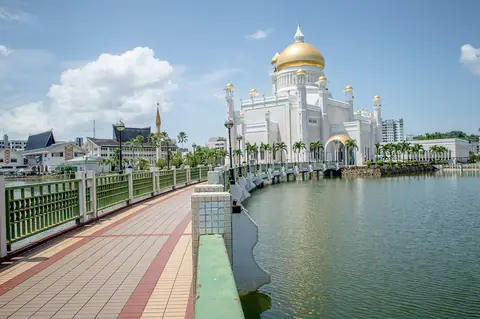
How many nights to give Brunei, the visa and E-Arrival card, the alcohol, Friday and Ramadan rules, money, SIM cards and what two nights in the capital cost.
Read the guide
Entry Brunei
Brunei entry rules: visa-free days by passport, the E-Arrival card, passport validity, alcohol, tobacco and cash at customs, and the road and ferry crossings.
Read the guide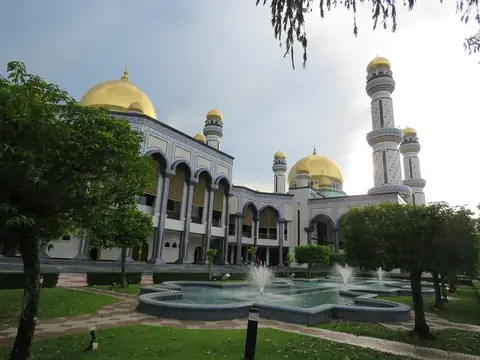
Brunei trip cost
Four days and three nights in Brunei with a Temburong rainforest day: about BND 450 budget, BND 690 mid-range or BND 770 comfort per person, all in.
Read the guide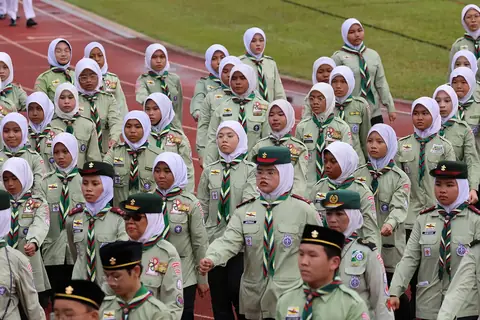
Best Time Brunei
When to visit Brunei: rain and heat by month, the two monsoons, Ramadan and Hari Raya in 2027, National Day, the Sultan's birthday, Fridays and the haze season.
Read the guide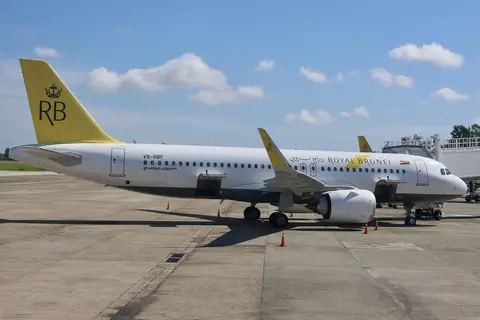
Brunei from Sabah and Sarawak
Two nights in Bandar Seri Begawan between Kota Kinabalu and Miri: the flight in, a city and water-village day, the road out via Sungai Tujuh, the Labuan ferry and costs.
Read the guide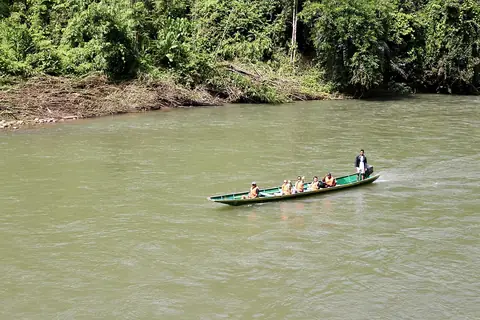
Ulu Temburong
Ulu Temburong National Park from Bandar Seri Begawan: the longboat and canopy walk, licensed operators and prices, day trip or a lodge night, Bangar and Bukit Patoi.
Read the guideSources and checks before you travel
(15)
- UK Foreign Office (GOV.UK): Brunei travel advice, warnings and insurance ↗ — opens in a new tab
- UK Foreign Office (GOV.UK): Brunei safety and security ↗ — opens in a new tab
- UK Foreign Office (GOV.UK): Brunei health ↗ — opens in a new tab
- UK Foreign Office (GOV.UK): Brunei entry requirements ↗ — opens in a new tab
- UK Foreign Office (GOV.UK): Brunei, getting help ↗ — opens in a new tab
- Auswärtiges Amt (German Federal Foreign Office): Brunei Darussalam, Reise- und Sicherheitshinweise ↗ — opens in a new tab
- France Diplomatie: Brunei, conseils aux voyageurs, sécurité ↗ — opens in a new tab
- France Diplomatie: Brunei, santé ↗ — opens in a new tab
- France Diplomatie: Brunei, informations utiles ↗ — opens in a new tab
- TravelHealthPro (NaTHNaC): Brunei ↗ — opens in a new tab
- US CDC Travelers' Health: Brunei ↗ — opens in a new tab
- Brunei Tourism: useful tips ↗ — opens in a new tab
- Brunei Tourism: getting around Brunei ↗ — opens in a new tab
- Brunei Ministry of Health: emergency hotlines (site footer) ↗ — opens in a new tab
- ASEAN Specialised Meteorological Centre: alerts ↗ — opens in a new tab
Reference sources for the version dated 8 November 2026. Confirm opening times, access, transport and conditions for your travel dates.
Photo credits
(6)
The canopy walk in Ulu Temburong National Park, high above the Temburong rainforest.
Photograph: Pangalau — opens in a new tab · CC BY-SA 4.0 — opens in a new tab
Changes: Resized and converted to WebP; displayed with responsive crops. · Original photograph and licence details ↗ — opens in a new tab
The main entrance of Jerudong Park Medical Centre, the private hospital at Jerudong.
Photograph: Pangalau — opens in a new tab · CC BY-SA 4.0 — opens in a new tab
Changes: Resized and converted to WebP; displayed with responsive crops. · Original photograph and licence details ↗ — opens in a new tab
Water taxis on the Brunei River between the Bandar Seri Begawan waterfront and Kampong Ayer.
Photograph: Bernard Spragg. NZ from Christchurch, New Zealand — opens in a new tab · CC0 — opens in a new tab
Changes: Resized and converted to WebP; displayed with responsive crops. · Original photograph and licence details ↗ — opens in a new tab
Smoke haze over the Ong Sum Ping buildings in Brunei on 1 September 2026.
Photograph: Storymalting — opens in a new tab · CC BY-SA 4.0 — opens in a new tab
Changes: Resized and converted to WebP; displayed with responsive crops. · Original photograph and licence details ↗ — opens in a new tab
An ambulance on a highway in Tutong district; 991 is the number for an ambulance.
Photograph: Pangalau — opens in a new tab · CC BY-SA 4.0 — opens in a new tab
Changes: Resized and converted to WebP; displayed with responsive crops. · Original photograph and licence details ↗ — opens in a new tab
A river below the forest in Ulu Temburong National Park.
Photograph: Pangalau — opens in a new tab · CC BY-SA 4.0 — opens in a new tab
Changes: Resized and converted to WebP; displayed with responsive crops. · Original photograph and licence details ↗ — opens in a new tab