Taipei and the North · New Taipei City
Wulai guide: waterfall, Atayal food and a hot-spring stay
Wulai’s appeal comes from the way its river valley, waterfall, Atayal community and hot springs fit together. A day can move from an old-street lunch to the waterfall and a booked bath, while a night in the valley gives those parts room to breathe. The useful decisions are where to sleep and which transport or bathing experience to reserve.
- Suggested time
- One full day from Taipei, or 2 days with 1 Wulai night
- Where to stay
- Wulai Street and Wenquan Street for a valley overnight; Taipei for a day trip
- Season and timing
- The city tourism guide highlights spring cherry blossoms and autumn–winter bathing visits. For every season, let current rain and road notices decide the outdoor portion; flowering dates and transport operation are not guaranteed.
The short answer
Give Wulai a full day from Taipei, or one night around Wulai Street and Wenquan Street, dividing the visit between Atayal old-street food, the waterfall and a booked hot-spring bath. Keep the log cart and the Yun Hsien cable car as separate choices whose operation you check first. Stay in the valley for an evening meal and a slower morning, or return to your Taipei hotel when Wulai is one excursion in a city trip.
Decide what your room needs to do
Around Wulai Street and Wenquan Street, the old street and bathing accommodation can share one stay. Compare the actual entrance with the riverside road and your arrival point before booking. A room advertised as having a spring bath may offer a private in-room tub, a reserved bathing room or shared facilities, so check the arrangement rather than assuming the label describes one standard experience.
A property farther along Huanshan Road may suit a bath-focused retreat, but confirm the final pick-up, stairs and dinner options. Taipei remains the simpler base when you want only a single outing. Choose the valley overnight because you want its evening and morning, not merely because the hotel photographs look secluded.
Waterfall first, then choose the extra ride
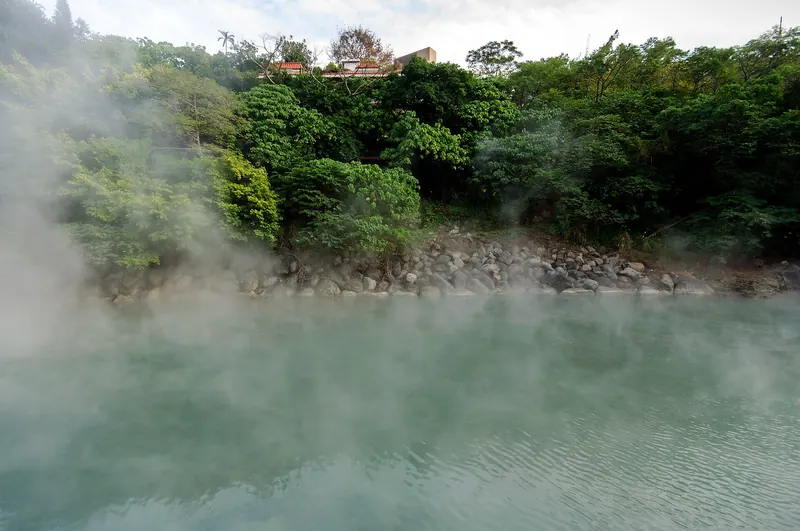
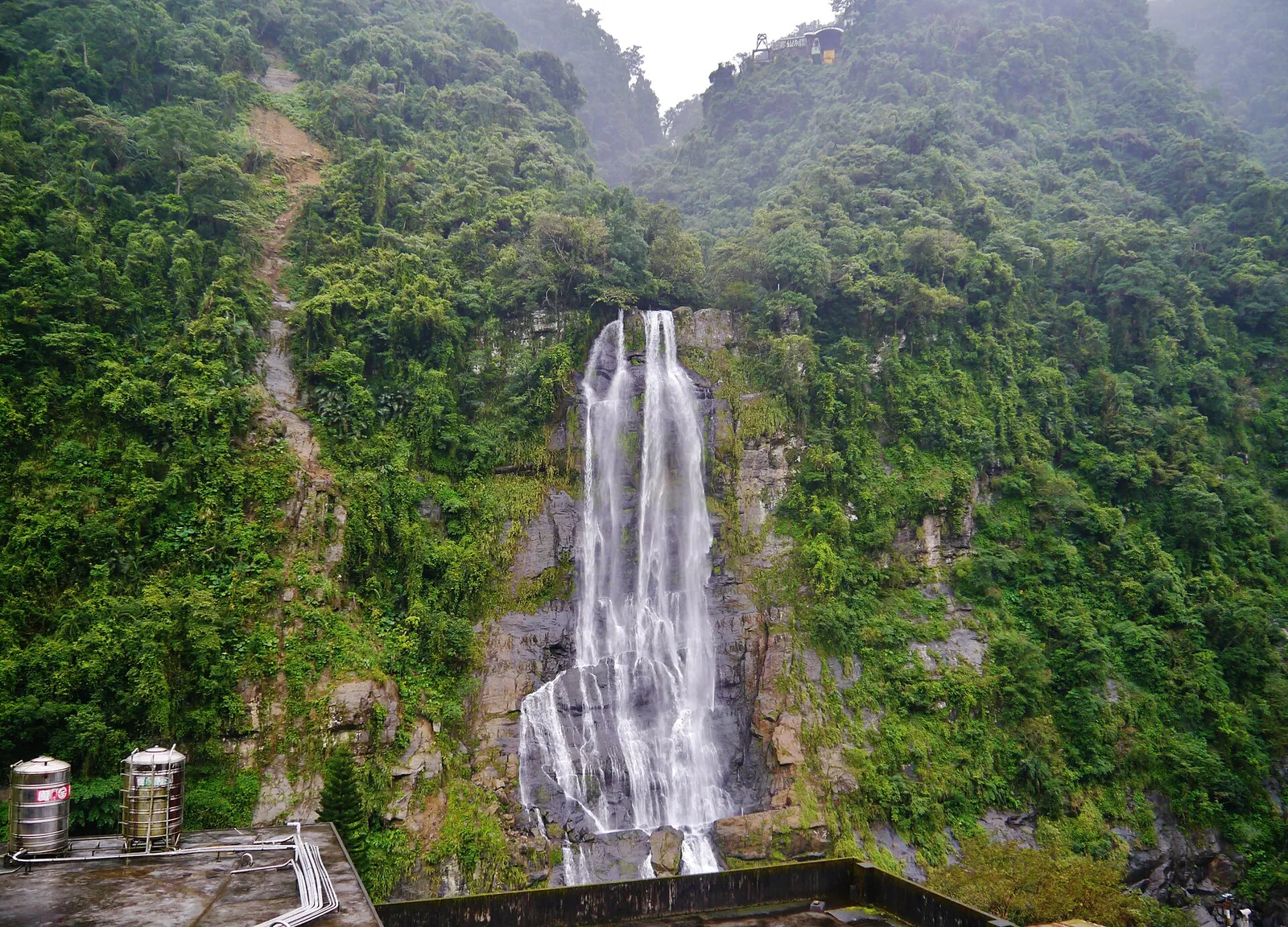
The Tourism Administration places Wulai at the meeting of the Nanshi and Tonghou rivers and describes the waterfall as about 80 metres high. View it from the designated visitor areas and give the valley scenery time of its own. After a wet spell, the greater volume of water is not a reason to seek a closer, unmarked riverside position.
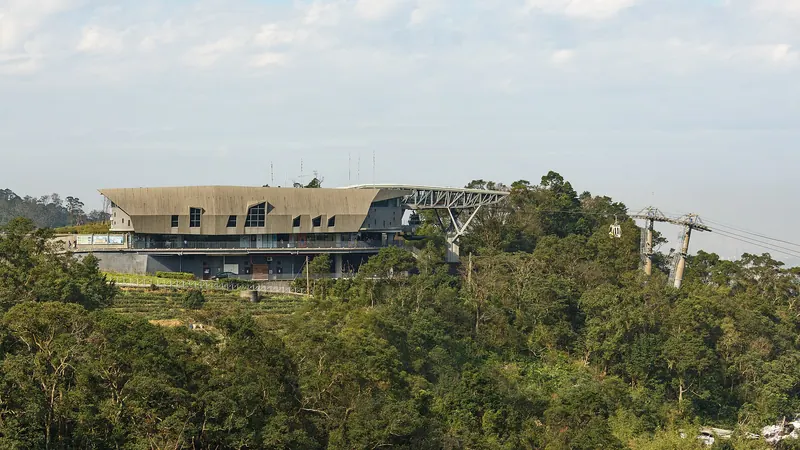
The former logging cart is now a sightseeing ride, with the waterfall at its terminal station according to the city’s visitor page. The cable car onward to Yun Hsien Resort is a separate stage. Confirm operation, tickets and the return before choosing either; a day built around the waterfall and a bath does not need every possible ride to feel complete.
Make time for the local food
What to eat and where to look
Bamboo rice
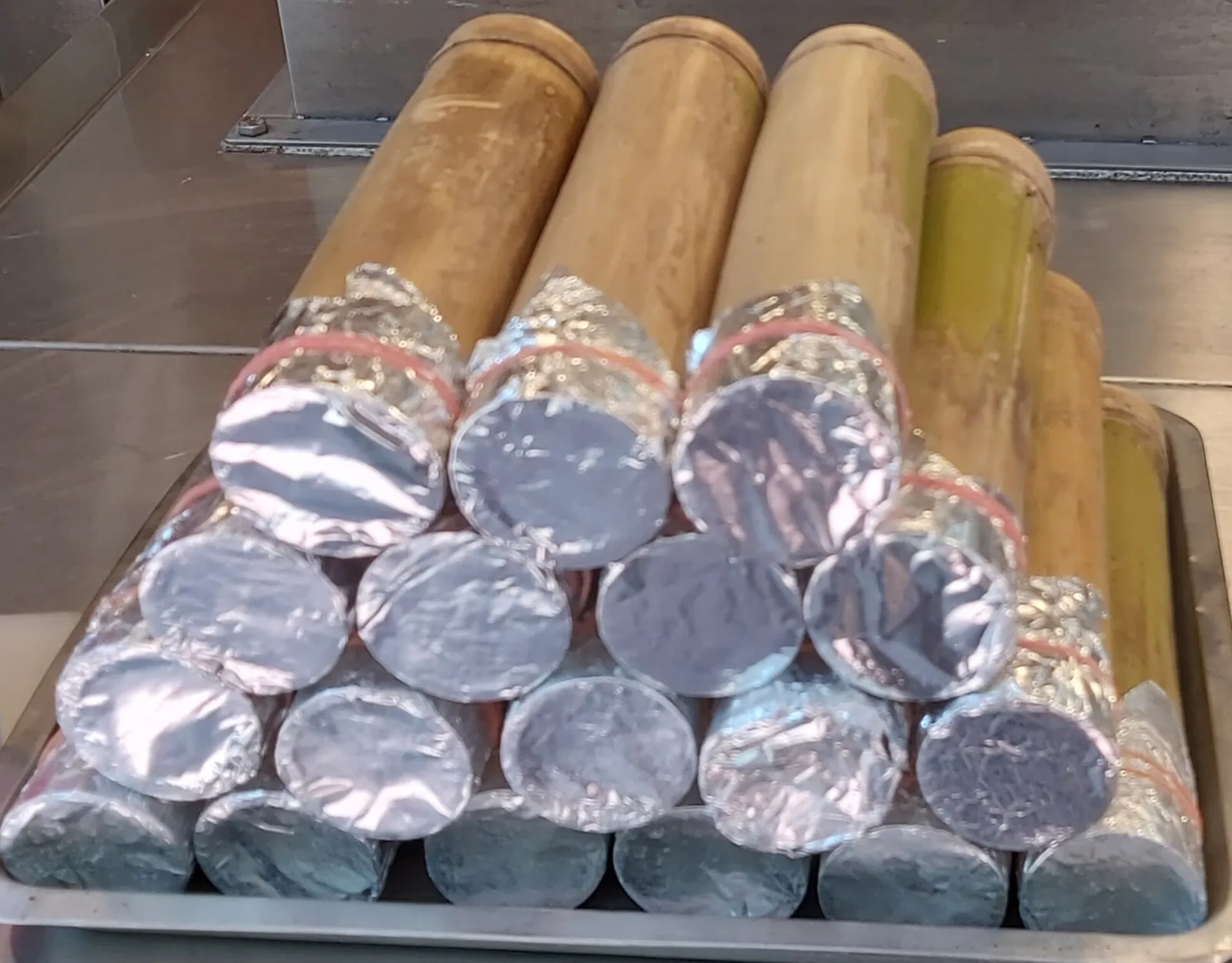
Rice cooked in bamboo tubes is among the Atayal-style old-street foods named by the city government.
- Where to look
- Food stalls along Wulai Old Street.
- Fit it into your day
- Begin lunch with a portion to share before choosing a sausage or another dish.
Ask about meat or other fillings; bamboo packaging alone does not make the dish vegetarian.
Wulai pork sausage
The district guide highlights firm, leaner pork sausages, with some shops offering their own sauces or maqaw seasoning.
- Where to look
- Sausage stalls on Wulai Old Street.
- Fit it into your day
- Choose one as part of a mixed old-street lunch rather than eating it while arranging transfers.
Contains pork; confirm the meat and sauce ingredients if you have dietary restrictions.
Millet mochi
Millet mochi is one of the old street’s named indigenous-style sweets and souvenirs.
- Where to look
- Sweet and souvenir shops around Wulai Old Street.
- Fit it into your day
- Save a small portion for a snack after the waterfall or take a clearly labelled pack home.
Check the full ingredients and coatings for allergens; recipes and fillings vary between shops.
Old-street food belongs to a living community
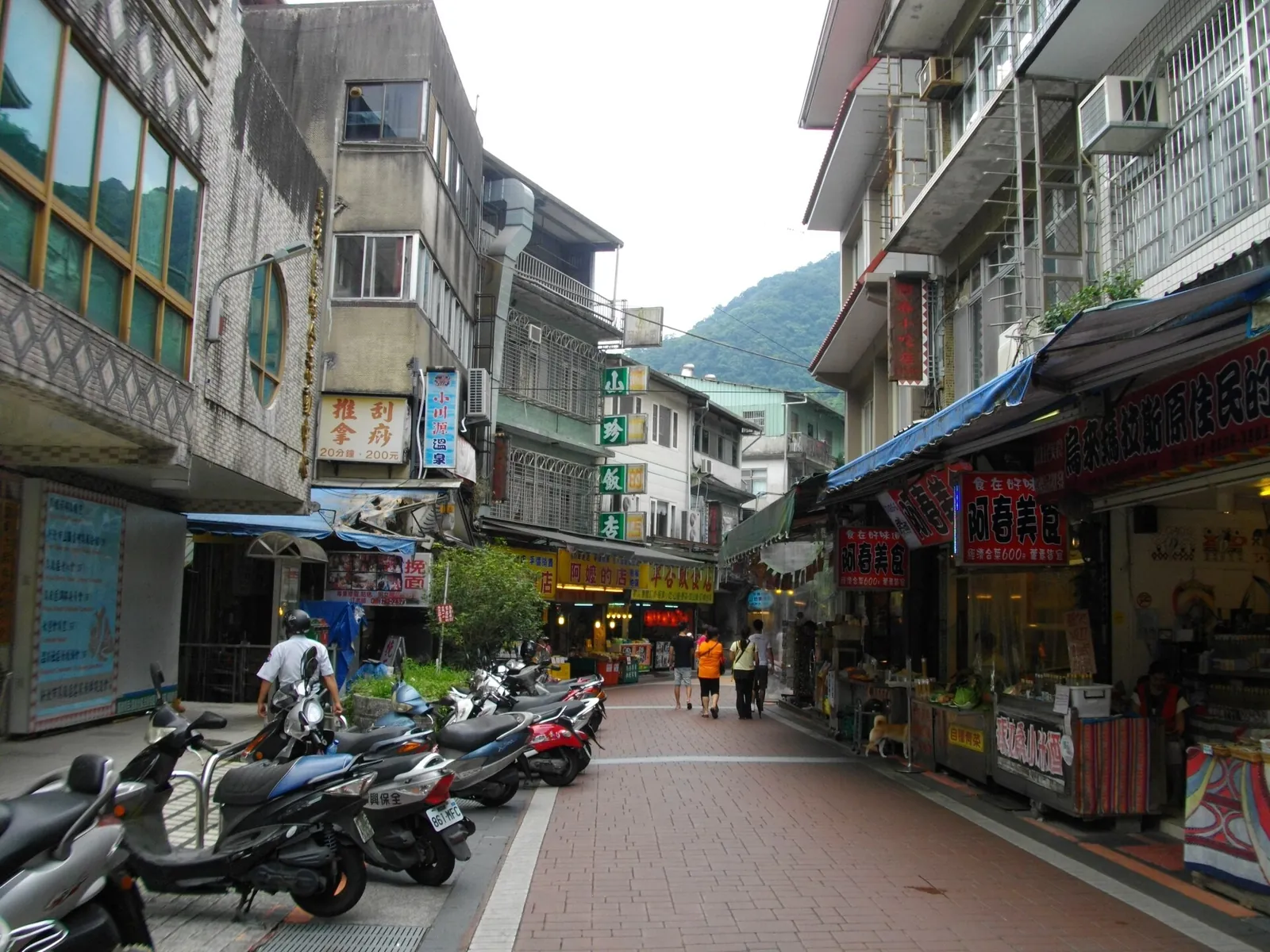
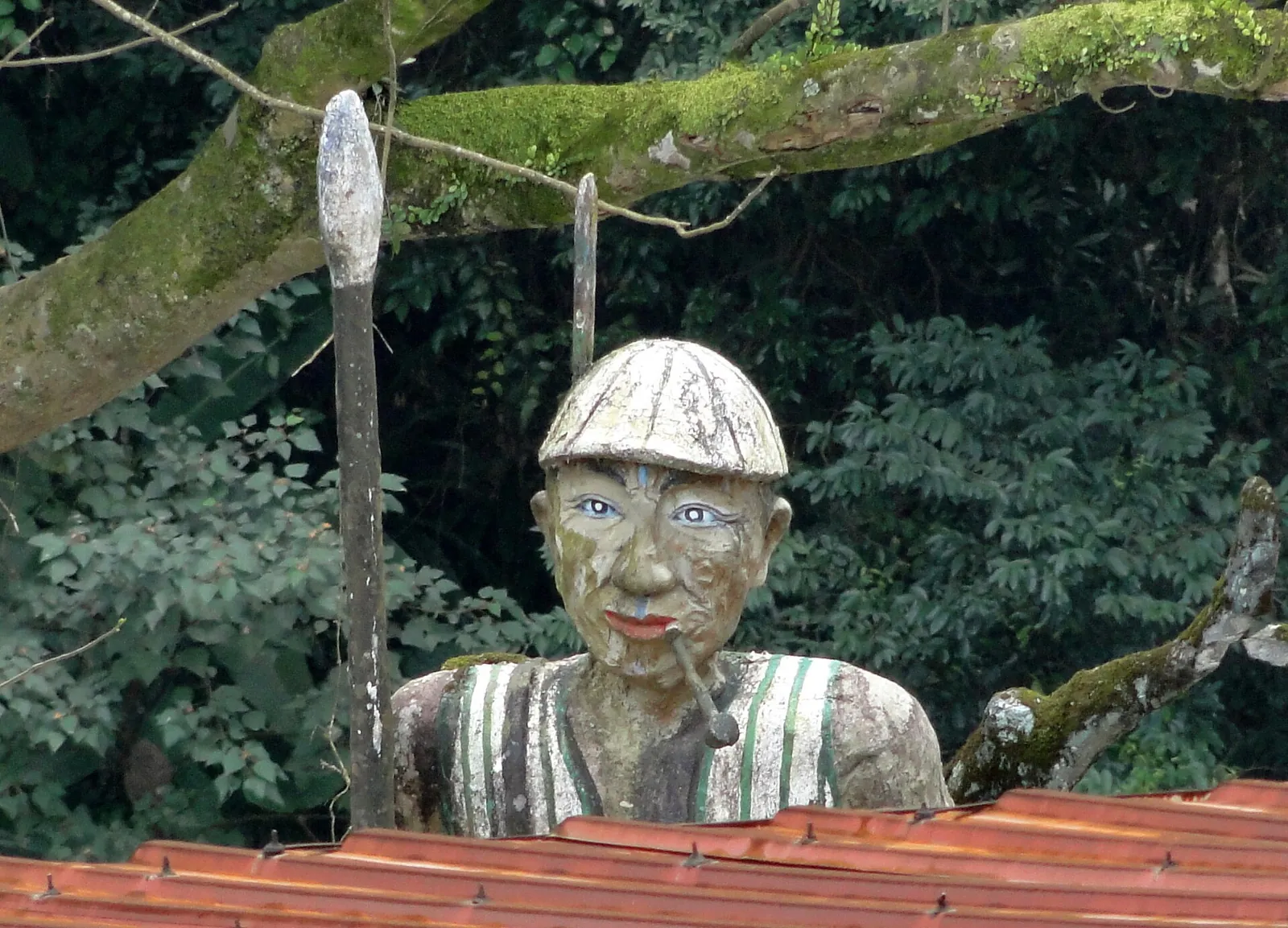
Wulai is an Atayal community, and the old street is more than a place to take a shopping photograph. The city guide identifies rice cooked in bamboo, pork sausages, millet mochi and dishes flavoured with maqaw, an aromatic mountain pepper. Begin with lunch, ask what is in unfamiliar dishes and leave time to browse without blocking a working stall.
Cultural displays and locally made objects can add context, but ask before photographing people or entering a private space. Choose a guide-led cultural visit for the opportunity to understand the community rather than expecting a performance at a particular hour. No dance programme, workshop or festival is promised in this plan.
Book a bath that fits the visit
The city’s hot-spring page locates accommodation around Wulai Street, Wenquan Street and Huanshan Road and describes the variety of bathing hotels. Reserve the exact venue and format you want. Check the session arrangements, whether a room booking includes bathing, and any rules relevant to your group before building the rest of the day around it.
A provider’s pool temperature and bathing guidance should determine your session. Follow the venue’s instructions and ask for individual advice when heat or bathing may affect a medical condition. This guide recommends managed facilities; an inviting riverbank or steaming patch of water is not evidence that a place is authorised or appropriate for bathing.
A day trip and a one-night version
For a day trip, arrive in the valley, eat around the old street, then make the waterfall your main outdoor visit. Keep a booked bath for later, leaving the cable car optional. Confirm the final journey back before settling into a long soak, so the end of the day is not governed by an unexpected transport problem.
For one night, check into the chosen Wulai hotel, explore the waterfall area when conditions suit and return for an old-street meal. The next morning can be a quiet valley walk or the bathing session included in your booking before the road journey back. This is an editorial allocation, not a verified transport schedule.
Treat the valley journey as its own stage
Wulai is reached by road rather than an urban rail line into the village. Match the current public-transport connection or prearranged driver with the actual stop and hotel approach. The official attraction page identifies Wulai’s visitor centre and village bus stop, but no current route frequency, fare or journey time was verified for this guide.
Allow the road return room before a flight or another fixed booking, and check local notices after heavy rain. An organised outing can combine Wulai with a forest or Bitan stop outside the village; confirm that wider itinerary and the bath venue before booking rather than assuming every named Wulai tour follows the same local day.
Practical questions
Is Wulai a day trip or an overnight destination?
A full day from Taipei covers an old-street meal, the waterfall and a booked bath. One Wulai night gives the evening and next morning more space. Choose the overnight for a particular hotel or bathing experience, with the final approach confirmed.
Do I need the log cart and the cable car?
No. The log cart is a sightseeing railway to the waterfall area, while the cable car continues separately to Yun Hsien Resort. Check operation and return arrangements for the rides you choose; neither should be assumed to be included in a bath booking.
Where should I stay in Wulai?
Wulai Street and Wenquan Street suit an old-street and bathing stay. Huanshan Road has another accommodation area, but compare stairs, road access, the actual bath facilities and meals before choosing a property.
What should I eat on Wulai Old Street?
Start with bamboo rice or pork sausage, then look for millet mochi or a dish using maqaw mountain pepper. Ask about the ingredients and portions, particularly when a local name does not clearly identify the meat or filling.
Sources and checks before you travel
Reference sources for the version dated 8 October 2026. Confirm opening times, access, transport and conditions for your travel dates.
- Taiwan Tourism Administration: Wulai ↗ — opens in a new tab
- New Taipei City Travel: Wulai district ↗ — opens in a new tab
- New Taipei City Travel: Wulai Waterfall ↗ — opens in a new tab
- New Taipei City Travel: Wulai Hot Spring ↗ — opens in a new tab
- New Taipei City Travel: Wulai Old Street ↗ — opens in a new tab
Does this experience fit your route?
Compare the bath venue, road transfers and additional forest or Bitan stops before choosing a Wulai tour. A confirmed valley room lets you keep the village visit more relaxed.
Check dates and details on Viator ↗ — opens in a new tabAffiliate link · Book with ViatorPhoto credits
The waterfall is Wulai’s main outdoor visit.
Photograph: Zairon — opens in a new tab · CC BY-SA 4.0 — opens in a new tab
Changes: Resized and converted to WebP; displayed with responsive crops. · Original photograph and licence details ↗ — opens in a new tab
Leave time for lunch and a walk along the old street.
Photograph: Abasaa — opens in a new tab · Public domain — opens in a new tab
Changes: Resized and converted to WebP; displayed with responsive crops. · Original photograph and licence details ↗ — opens in a new tab
Bamboo rice is one of the old street’s local specialties.
Photograph: 阿道 — opens in a new tab · CC BY-SA 4.0 — opens in a new tab
Changes: Resized and converted to WebP; displayed with responsive crops. · Original photograph and licence details ↗ — opens in a new tab
An Atayal sculpture in Wulai village.
Photograph: Bernard Gagnon — opens in a new tab · CC BY-SA 3.0 — opens in a new tab
Changes: Resized and converted to WebP; displayed with responsive crops. · Original photograph and licence details ↗ — opens in a new tab