Central Taiwan · Miaoli County
Sanyi travel guide: wood carving, Shengxing and Longteng
Sanyi brings two strands of Miaoli together: a working wood-carving tradition around Shuimei and the surviving stations and bridges of the old mountain railway. The museum gives the carvings context, while the countryside reveals a different landscape of timber buildings, abandoned tracks and brick arches. A night in town lets those experiences breathe instead of becoming stops between long drives.
- Suggested time
- 2 days and 1 night; a shorter visit can focus on the museum and carving shops
- Where to stay
- Sanyi town around Zhongzheng Road, with separately arranged transport to Shengxing and Longteng
- Season and timing
- Choose a suitable day for the countryside and check the forecast. Confirm the museum visitor calendar and any separately booked activity; shop hours vary.
The short answer
Spend one night in Sanyi: devote the first day to the wood-sculpture museum and Shuimei shops, then explore Shengxing Station and Longteng Bridge on the second. Stay around Sanyi town and arrange transport for the countryside sights, which are separate from the active railway station. This leaves time for a Hakka meal and a closer look at the carvings. Confirm the museum calendar before choosing dates, and treat a rail-bike ride as a separately checked booking rather than a guaranteed part of the route.
Let the museum explain what the shops are selling
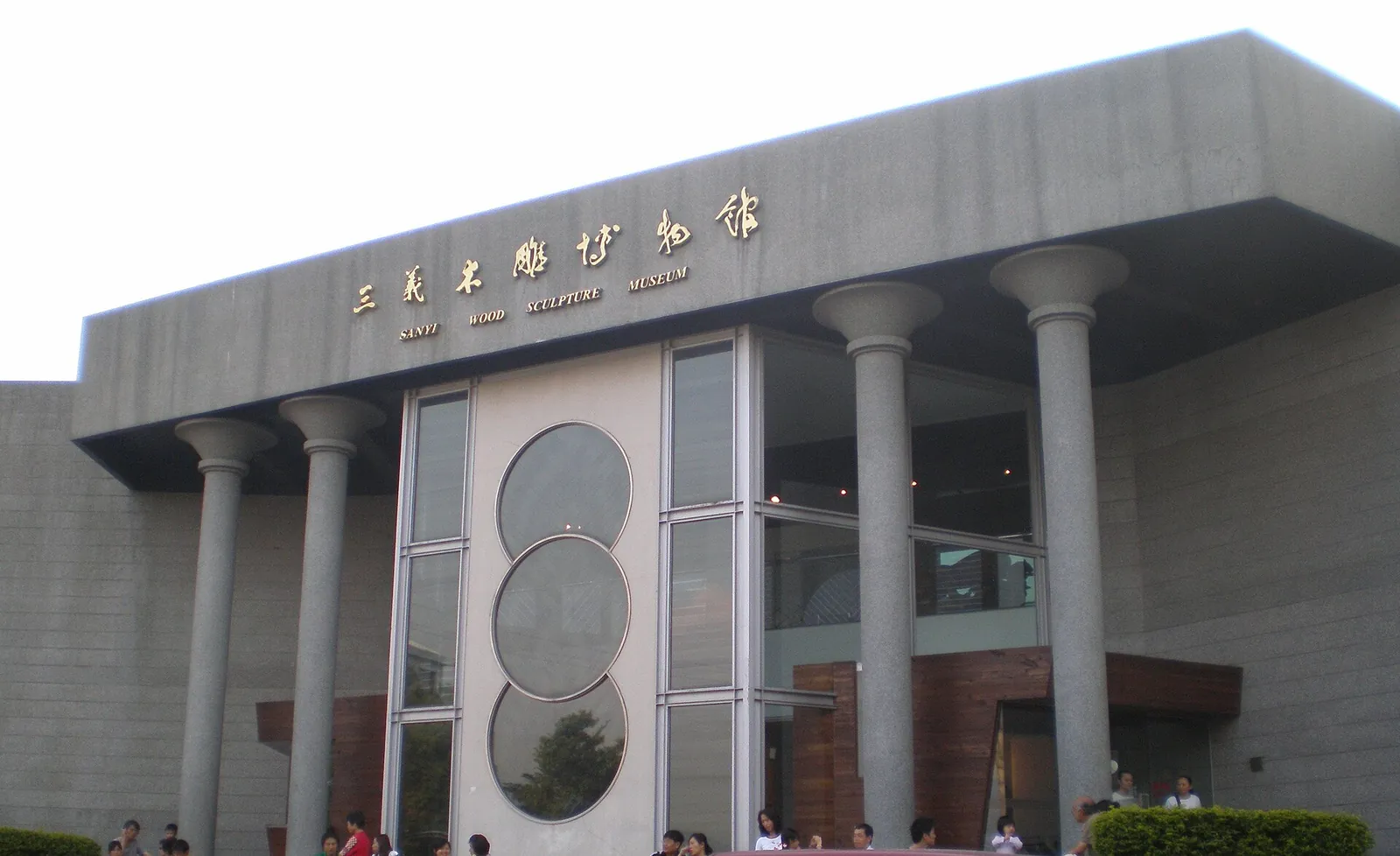
Start with Sanyi Wood Sculpture Museum, where the local carving tradition appears alongside newer approaches to working in wood. The national tourism account traces the industry to early twentieth-century workshops and explains how it grew beyond religious figures into a wider range of carved objects. That context makes the later shop visit more interesting than a search for a quick souvenir.
The museum is in Guangsheng Xincheng. Its current calendar should settle your travel day: the county listing is old, and the direct museum website was unavailable when checked on 8 October 2026. No admission price or exact visiting hours are promised here. If the indoor visit cannot be confirmed, adjust the day around the carving district rather than assuming the galleries will open.
Follow Shuimei’s wood-carving street at a slower pace
The county identifies Shuimei’s carving street with Zhongzheng Road near Sanyi Interchange. Shop windows and workshops connect the museum’s history with an industry that still supports the town. Leave time to compare different forms and finishes, asking before photographing inside or handling a piece; a shop is a working business rather than an open exhibition.
A town base suits this first day because it keeps your evening meal close to the carving area. It also means the second day can begin with a transport plan already agreed. The national tourism site lists accommodation around Sanyi, but room availability and the exact location need checking with the property. A rural address can be appealing without being convenient for every stop.
Make time for the local food
What to eat and where to look
Hakka ban-tiao
Flat rice noodles are one of the Hakka specialties named by Miaoli’s tourism bureau; broth, toppings and seasoning depend on the kitchen.
- Where to look
- Current Hakka restaurant menus in Sanyi town.
- Fit it into your day
- A noodle lunch fits between the museum and the Shuimei shops.
Check broth and toppings for meat or seafood; rice noodles alone do not make the whole bowl vegetarian.
Leicha
Miaoli’s official food guide identifies leicha as ground tea, a Hakka specialty with recipes and additions that vary.
- Where to look
- A tea shop or Hakka restaurant that explicitly lists leicha on its current menu.
- Fit it into your day
- A tea break can give the first afternoon a quieter pause after the carving shops.
Ask about nuts, seeds and any added ingredients if you have allergies; do not assume all recipes are identical.
Crystal dumplings
Crystal dumplings are another Hakka snack highlighted by the county, with the actual filling and serving style determined by the vendor.
- Where to look
- Hakka snack shops or restaurant menus, subject to what is being made that day.
- Fit it into your day
- Share a smaller plate if a longer dinner is planned after the countryside outing.
Confirm the filling and any meat-based sauce; ask directly about ingredients and preparation for dietary needs.
Give Shengxing and Longteng their own countryside outing
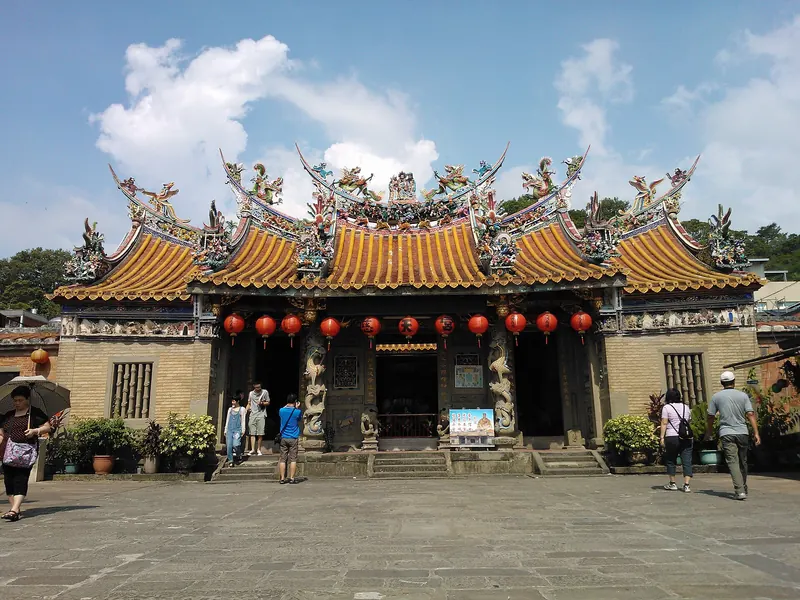
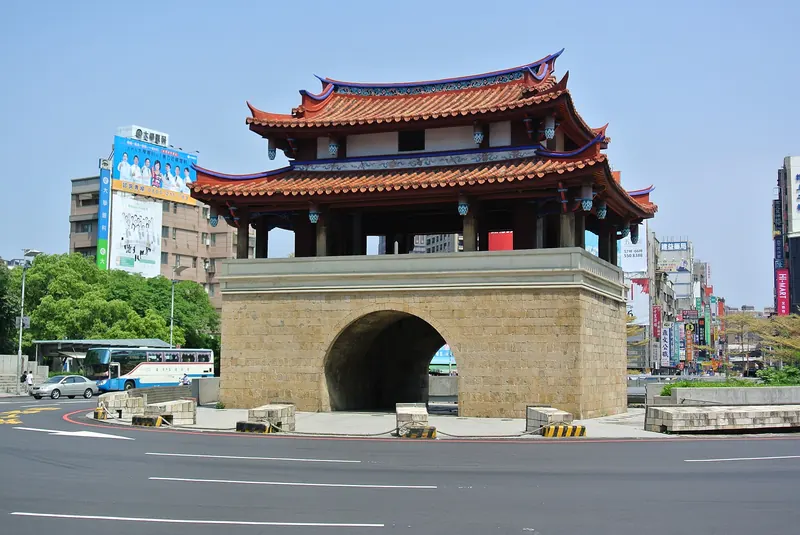
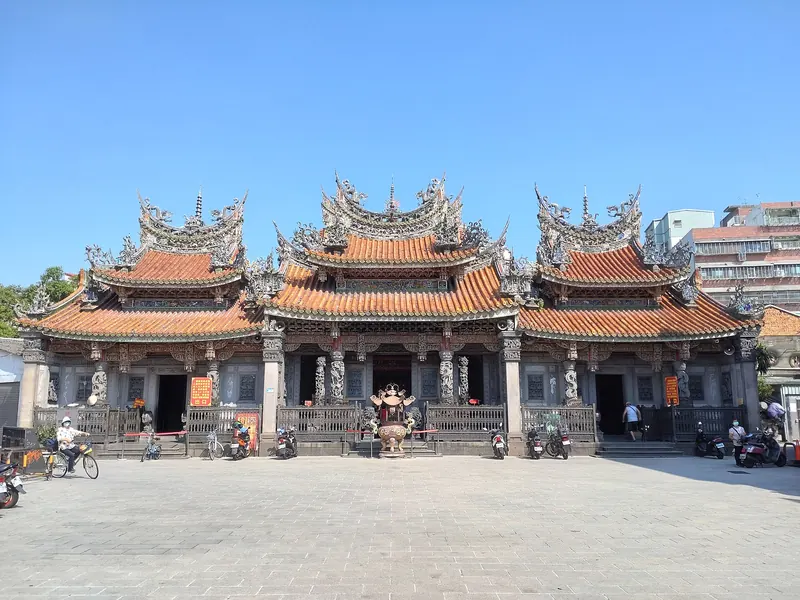
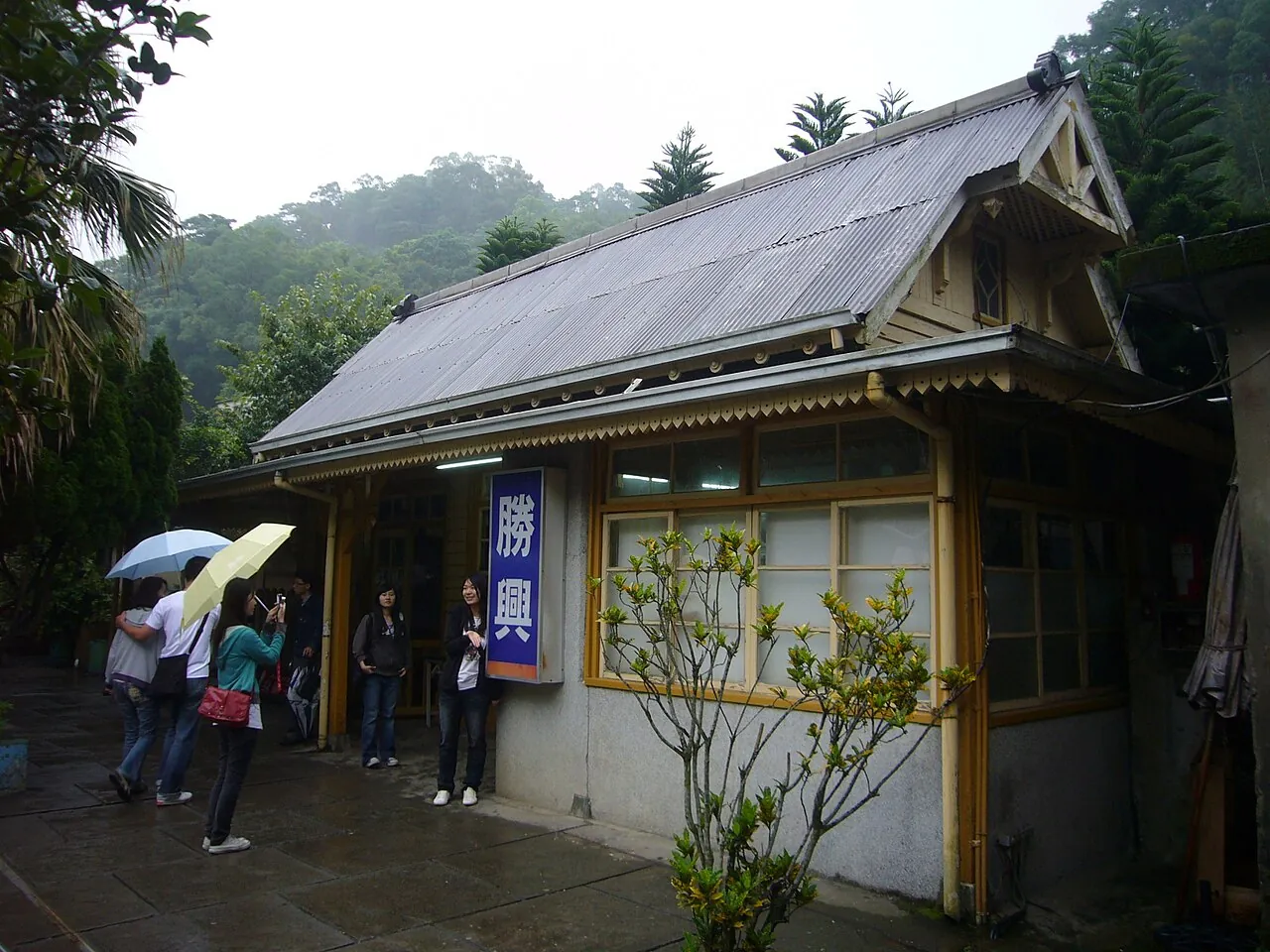
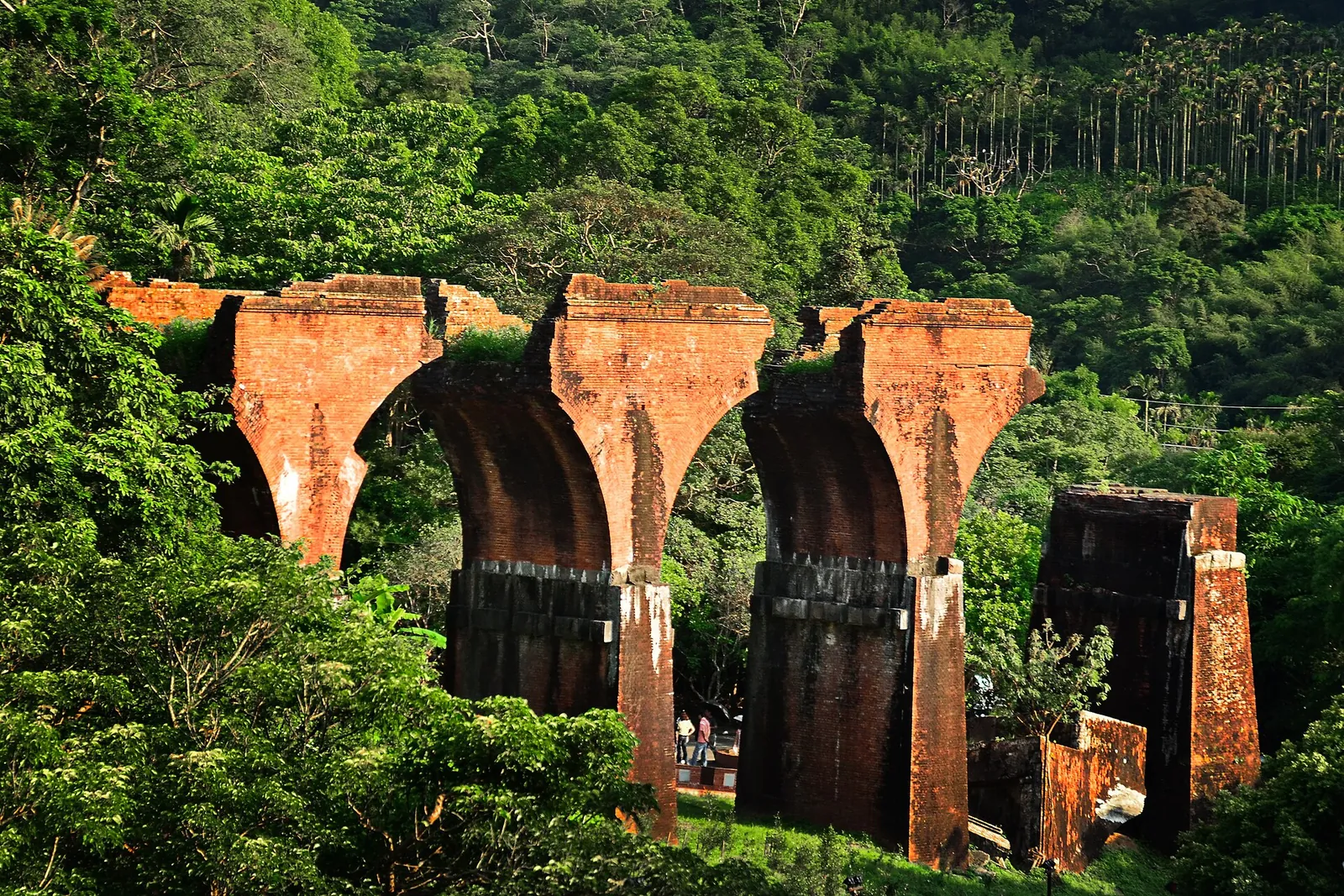
Shengxing Station preserves a Japanese-style wooden railway building and tracks from the former mountain line. It is a heritage stop, not the active passenger station for arriving in Sanyi. Spend time with the building and its setting before moving on to Longteng, where the remaining brick arches recall the destructive earthquake of 1935.
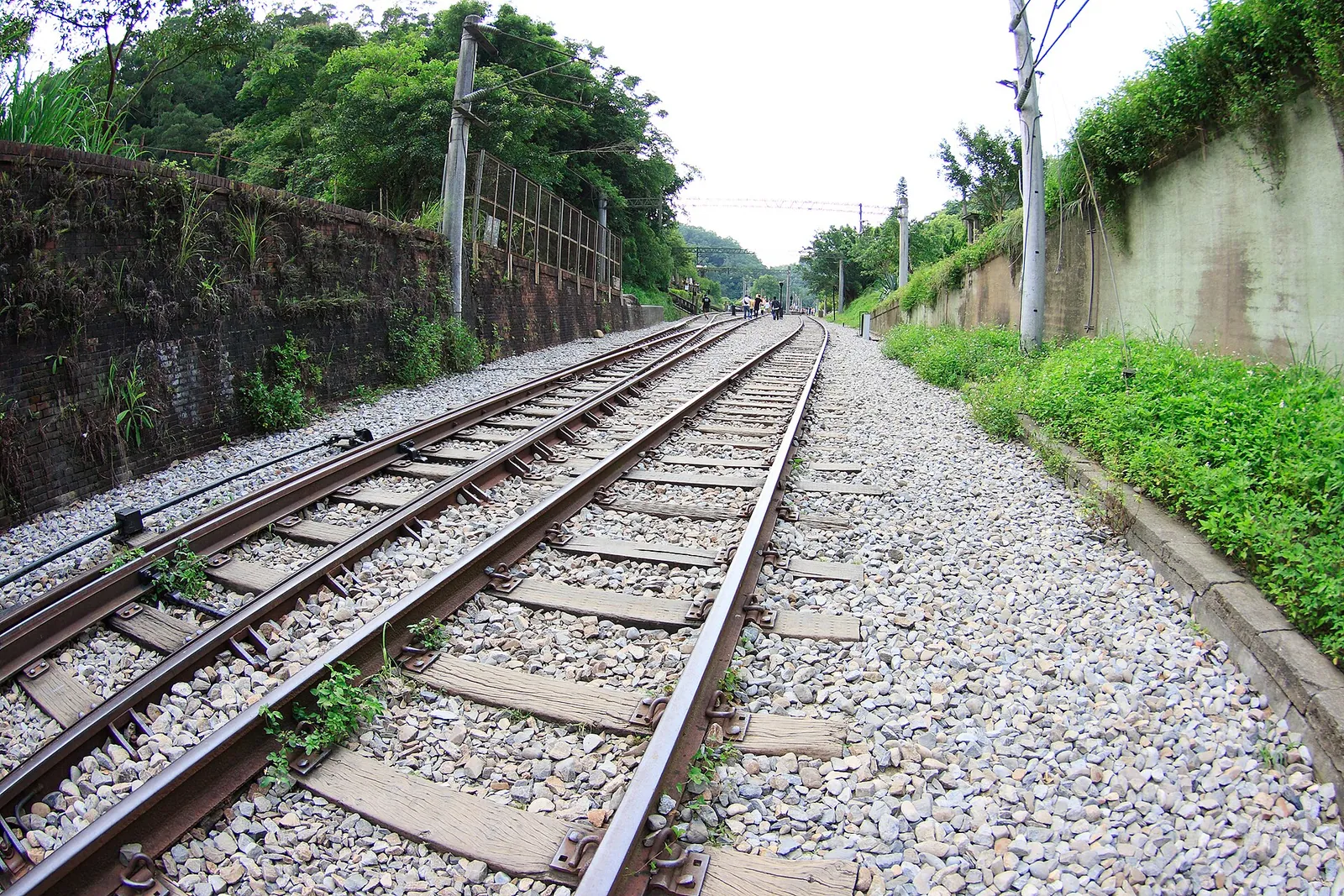
The two sights belong to the same railway story, but a map still matters: they are separate stops, and the damaged bridge is something to view from permitted paths rather than climb. Arrange the local journey and return in advance. If a rail-bike experience interests you, verify the operator’s current route, booking and operating notices separately; neither a photograph of tracks nor an old listing guarantees a departure.
Separate the railway arrival from the last local journey
The national tourism museum page identifies Sanyi as the nearby active Taiwan Railways station. For an airport approach, Miaoli County describes high-speed rail connections to Miaoli and onward Taiwan Railways access through Fengfu. Check the current service to Sanyi and then the local journey to your accommodation, museum or countryside stops instead of treating an HSR arrival as the end of the trip.
A one-night plan works best when that last stretch is settled before you travel. Keep the museum and Shuimei together, save Shengxing and Longteng for the next outing, and allow a proper meal between them. If local transport or the museum opening cannot be confirmed, a smaller carving-focused visit is more satisfying than forcing all four places into an uncertain schedule.
Practical questions
Is one night enough for Sanyi?
One night allows a museum-and-carving day followed by Shengxing and Longteng, provided local transport is arranged. A shorter visit can concentrate on the museum and Shuimei instead of rushing the countryside stops.
Can I arrive by train at Shengxing Station?
Shengxing is a historic station on the former mountain line, not the active arrival station used in this plan. Check Taiwan Railways services to Sanyi, then arrange the onward journey separately.
Are current museum hours and admission prices confirmed?
No. The direct museum website was unavailable when checked on 8 October 2026, and the county’s museum hours listing is old. Confirm the current calendar and admission arrangements with the museum before fixing the date.
Does this plan include a guaranteed rail-bike ride?
No. Shengxing and Longteng can be visited for their railway heritage, while a rail-bike ride requires its own current operator check and booking. Do not assume an old route description confirms today’s service.
Sources and checks before you travel
Reference sources for the version dated 8 October 2026. Confirm opening times, access, transport and conditions for your travel dates.
- Taiwan Tourism Administration: Sanyi Wood Sculpture Museum ↗ — opens in a new tab
- Miaoli tourism: Shuimei Wood Carving Street ↗ — opens in a new tab
- Miaoli tourism: Shengxing Station ↗ — opens in a new tab
- Miaoli tourism: Longteng Bridge remains ↗ — opens in a new tab
- Miaoli tourism: Hakka Cuisine ↗ — opens in a new tab
- Miaoli tourism: airport connections ↗ — opens in a new tab
- Taoyuan Metro: Airport MRT map ↗ — opens in a new tab
- Taiwan Tourism Administration: two-day Sanyi tour ↗ — opens in a new tab
Photo credits
The museum introduces Sanyi’s wood-carving history before a visit to Shuimei’s shops.
Photograph: SSR2000 — opens in a new tab · CC BY-SA 3.0 — opens in a new tab
Changes: Resized and converted to WebP; displayed with responsive crops. · Original photograph and licence details ↗ — opens in a new tab
Shengxing preserves the former mountain railway station; it is separate from the active Sanyi arrival station.
Photograph: Cheng-en Cheng — opens in a new tab · CC BY-SA 2.0 — opens in a new tab
Changes: Resized and converted to WebP; displayed with responsive crops. · Original photograph and licence details ↗ — opens in a new tab
Longteng’s remaining arches recall the earthquake of 1935 and should be viewed from permitted paths.
Photograph: Mk2010 — opens in a new tab · CC BY-SA 4.0 — opens in a new tab
Changes: Resized and converted to WebP; displayed with responsive crops. · Original photograph and licence details ↗ — opens in a new tab
The old mountain-line tracks are part of the heritage landscape, not a promise of current passenger service.
Photograph: MiNe — opens in a new tab · CC BY 2.0 — opens in a new tab
Changes: Resized and converted to WebP; displayed with responsive crops. · Original photograph and licence details ↗ — opens in a new tab