Taipei and the North · Hsinchu City
Hsinchu guide: City God Temple food, East Gate and rail access
Hsinchu's science-park reputation can hide the part of town most rewarding to a visitor: an old city gate, an active temple and a market where lunch becomes the day's main event. These places sit near the conventional railway station, which makes a compact visit possible. The high-speed station is elsewhere, in Zhubei. Sorting out that distinction lets you spend the day tasting rice noodles and watching temple life instead of repeatedly transferring across the region.
- Suggested time
- 1 full city day; add 1 central night for the evening or a second day for a separate Beipu excursion
- Where to stay
- The conventional Hsinchu railway station and East Gate area for walking; the City God Temple side of the centre for food
- Season and timing
- Choose a forecast suited to walking, and keep a museum option for rain after confirming its opening. The coast is a separate, weather-dependent outing.
The short answer
Give Hsinchu one full day, using the city railway station area as your base: walk from East Gate to City God Temple for lunch, then choose the glass museum and park. One central night adds an unhurried evening; a second day can be reserved for Beipu as a separate excursion. If arriving by high-speed rail, transfer from HSR Hsinchu to the city rather than booking a room beside the wrong station. Check museum opening before fixing the afternoon.
Choose the city station, not merely a station named Hsinchu
Hsinchu's conventional railway station is the useful reference point for the old centre. The East Gate and City God Temple are within the same central walking area, so a hotel around the station or Zhongzheng Road gives the day a straightforward beginning and end. Compare the actual address and walking route; a listing labelled Hsinchu may be convenient for a science-park meeting while adding transport to every sightseeing stop.
The high-speed railway station is in Zhubei, outside that old-city walk. Taiwan High Speed Rail's station page explains the connection through a corridor to Liujia station, followed by the Liujia line to conventional Hsinchu station. A taxi is another separate transfer. The faster main-line train does not remove that final leg, especially when you arrive with luggage or plan to leave after dinner.
Start at East Gate, then let lunch lead the route
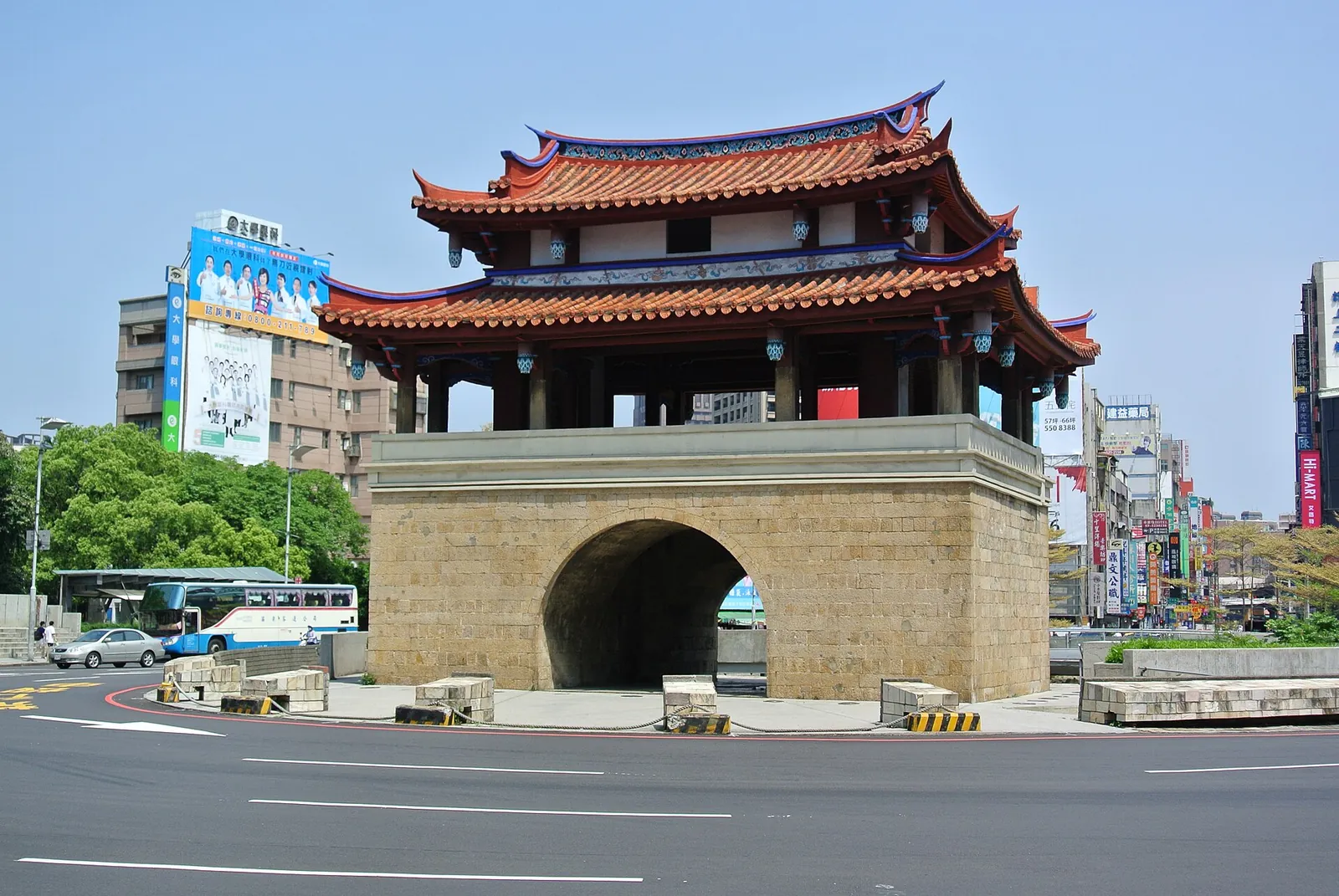
Yin Hsi Eastern Gate is the surviving gateway of the old walled city. The Tourism Administration describes its granite base, arched passage and double-eaved upper roof, alongside a square bringing old and modern Hsinchu together. See the gate from the pedestrian space rather than stepping into the roundabout for a photograph, then continue towards the temple and market streets.
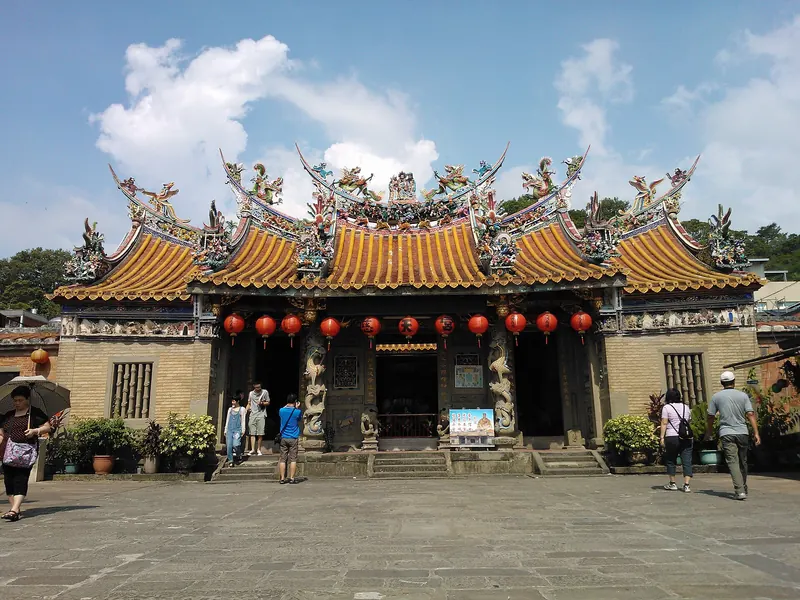
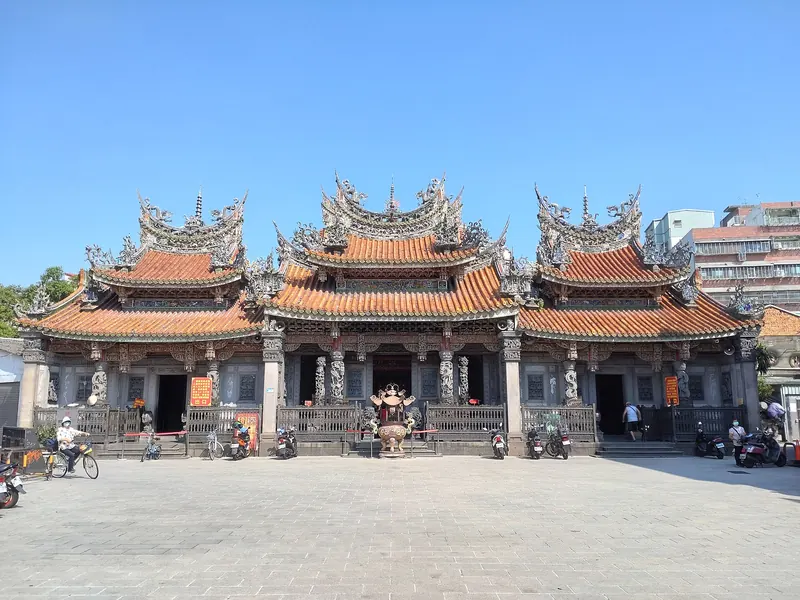
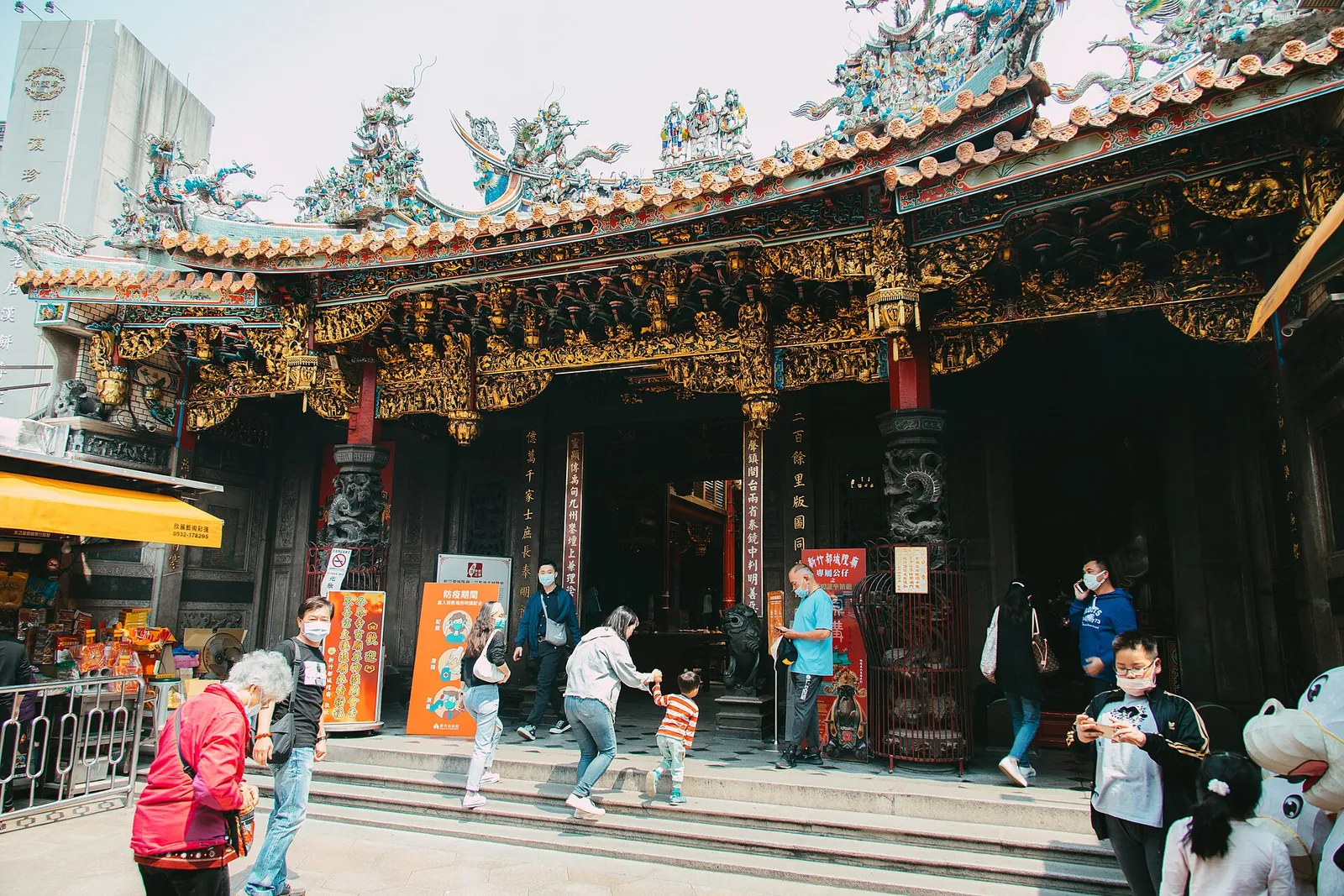
City God Temple, or Cheng Huang Temple, remains a place of worship. Give the carvings and courtyards their own quiet visit before joining the stalls outside. The national tourism page specifically names rice noodles, meatballs, thick cuttlefish broth and Zhuqian biscuits here. Ordering a few smaller dishes makes lunch a survey of the city's cooking rather than a stop squeezed between attractions; leave room for tea or a biscuit later.
Make time for the local food
What to eat and where to look
Hsinchu rice noodles
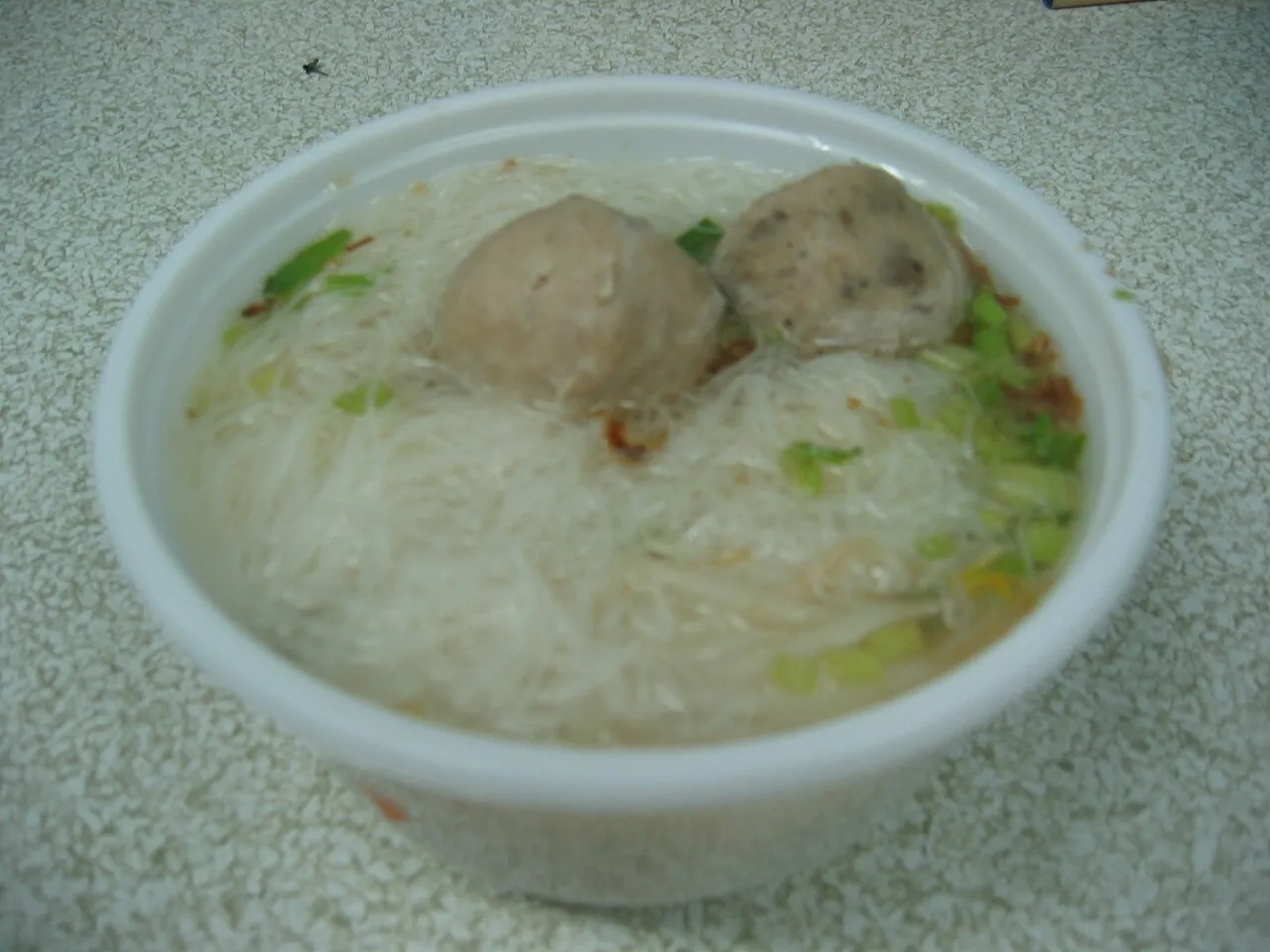
The Tourism Administration singles out these fine noodles as a Hsinchu speciality and directs visitors to the City God Temple market.
- Where to look
- Rice-noodle stalls around City God Temple; compare soup and other preparations on the actual menu.
- Fit it into your day
- Make a bowl the centre of lunch after the temple visit, sharing other snacks alongside it.
Ask about broth, toppings and sauces if avoiding meat, seafood or particular allergens.
Gongwan meatballs
Springy meatballs are another speciality named by the national tourism page, with many vendors concentrated near the temple.
- Where to look
- The stalls around City God Temple, including shops pairing meatballs with rice noodles.
- Fit it into your day
- Share a serving or a bowl of soup with the noodle lunch rather than ordering a second full meal.
These are meat-based; check the ingredients and broth rather than treating a clear soup as vegetarian.
Thick cuttlefish broth
The temple-market overview also names a thick cuttlefish broth, offering a seafood alternative to the noodle-and-meatball combination.
- Where to look
- Stalls whose menu specifically offers cuttlefish broth in the temple market.
- Fit it into your day
- Try a small bowl as another lunch flavour if seafood suits your diet.
Contains seafood; ask about stock and thickening ingredients if you have allergies.
Zhuqian biscuits
Named after Hsinchu's older name, these biscuits appear in the Tourism Administration's list of local specialities and provide something to take away.
- Where to look
- Cake shops around the old centre; the national tourism page names Shinfujen on Beimen Street.
- Fit it into your day
- Buy a small portion for an afternoon break or onward train journey.
Check the filling and ingredients for animal products, nuts or other allergens; a biscuit is not automatically vegetarian.
Put the glass museum and park in one afternoon
Across the railway from the old centre, the Glass Museum and Hsinchu Park make a different kind of afternoon. The Tourism Administration identifies the museum's building as a former civic hall dating from 1936, later used by several public institutions. Glass gives the visit a craft focus, while the neighbouring park provides an outdoor break after a market lunch.
Confirm the museum's current opening and exhibition arrangements before setting the day's order. If it is unavailable, a leisurely park visit or more time in the centre is a better substitute than a rushed trip to a distant attraction. Families can make this the main afternoon, with a rest before an early dinner; a one-day visitor does not need to add the whole coastline as well.
Keep Beipu and the coast as separate choices
A second day can introduce the region's Hakka heritage in Beipu, with an old-street walk and ground tea. It is outside Hsinchu's central walking circuit and needs its own transport plan. The high-speed station can serve a regional bus connection, but it should not be confused with the departure point for every local excursion. Check the relevant route and return before choosing where to sleep.
Hsinchu's coastal scenery is another outing: the national tourism list includes the coastline, fishing harbour and Xiangshan wetland boardwalk. Choose it for a suitable forecast and an interest in the sea, rather than as a compulsory addition to the temple day. For onward travel, keep the correct station name on your booking and allow for the city-to-HSR connection; no fixed transfer duration is assumed here.
Practical questions
Is Hsinchu worth a stop between Taipei and central Taiwan?
Yes, if a compact food-and-heritage day appeals: East Gate, City God Temple and its market form the core, with the glass museum and park as an afternoon option. One night makes the evening less rushed.
Are Hsinchu railway station and HSR Hsinchu the same place?
No. The conventional station serves the old city, while HSR Hsinchu is in Zhubei. The high-speed operator lists a corridor to Liujia station and a connecting train to Hsinchu; check the actual connection for your departure.
What food should I look for at City God Temple?
The Tourism Administration names Hsinchu rice noodles, meatballs, thick cuttlefish broth and Zhuqian biscuits. Build lunch around a few smaller orders and check ingredients directly with each stall.
Can I combine Hsinchu and Beipu in one day?
A car-based visit can join them, but two separate days give the city lunch, park or museum and Beipu tea stop more room. Public transport requires a regional connection and a checked return; do not treat Beipu as another central-city walk.
Sources and checks before you travel
Reference sources for the version dated 8 October 2026. Confirm opening times, access, transport and conditions for your travel dates.
- Taiwan Tourism Administration: Hsinchu City God Temple ↗ — opens in a new tab
- Taiwan Tourism Administration: Yin Hsi Eastern Gate ↗ — opens in a new tab
- Taiwan Tourism Administration: Glass Museum of Hsinchu City ↗ — opens in a new tab
- Taiwan Tourism Administration: Hsinchu City ↗ — opens in a new tab
- Taiwan High Speed Rail: Hsinchu station ↗ — opens in a new tab
- Hsinchu County Government: airport connections ↗ — opens in a new tab
Photo credits
Hsinchu East Gate anchors the old-city walk.
Photograph: Suicasmo — opens in a new tab · CC BY-SA 4.0 — opens in a new tab
Changes: Resized and converted to WebP; displayed with responsive crops. · Original photograph and licence details ↗ — opens in a new tab
Give City God Temple its own visit before lunch in the surrounding market.
Photograph: Jirka Matousek — opens in a new tab · CC BY 2.0 — opens in a new tab
Changes: Resized and converted to WebP; displayed with responsive crops. · Original photograph and licence details ↗ — opens in a new tab
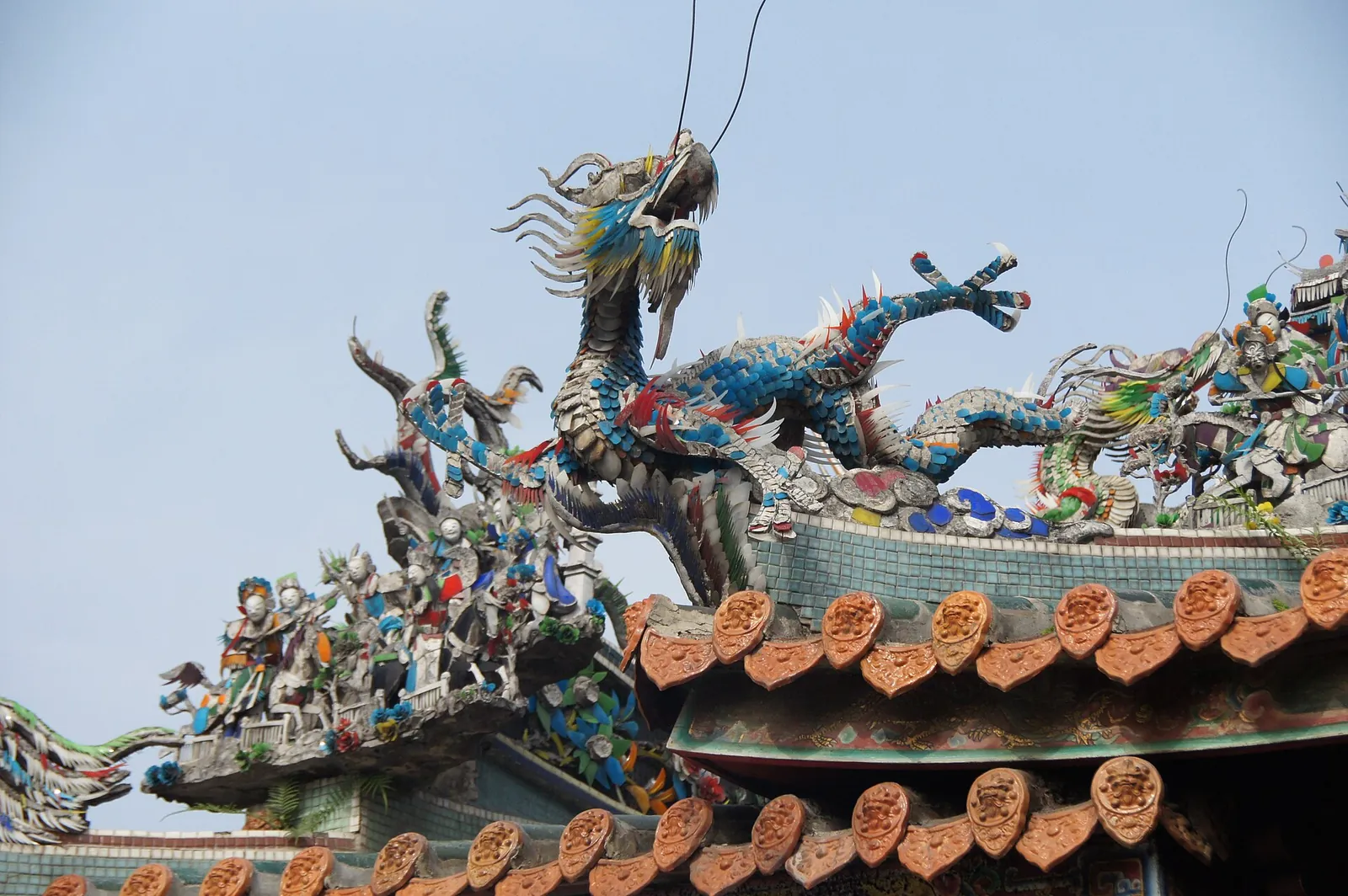
Temple roof details reward a closer look.
Photograph: KOKUYO — opens in a new tab · CC BY-SA 3.0 — opens in a new tab
Changes: Resized and converted to WebP; displayed with responsive crops. · Original photograph and licence details ↗ — opens in a new tab
Rice noodles and meatballs are two Hsinchu specialities.
Photograph: Mingwangx at Chinese Wikipedia — opens in a new tab · CC BY-SA 3.0 — opens in a new tab
Changes: Resized and converted to WebP; displayed with responsive crops. · Original photograph and licence details ↗ — opens in a new tab