Outer Islands · Taitung County
Orchid Island guide: village stays, Tao culture and the coast
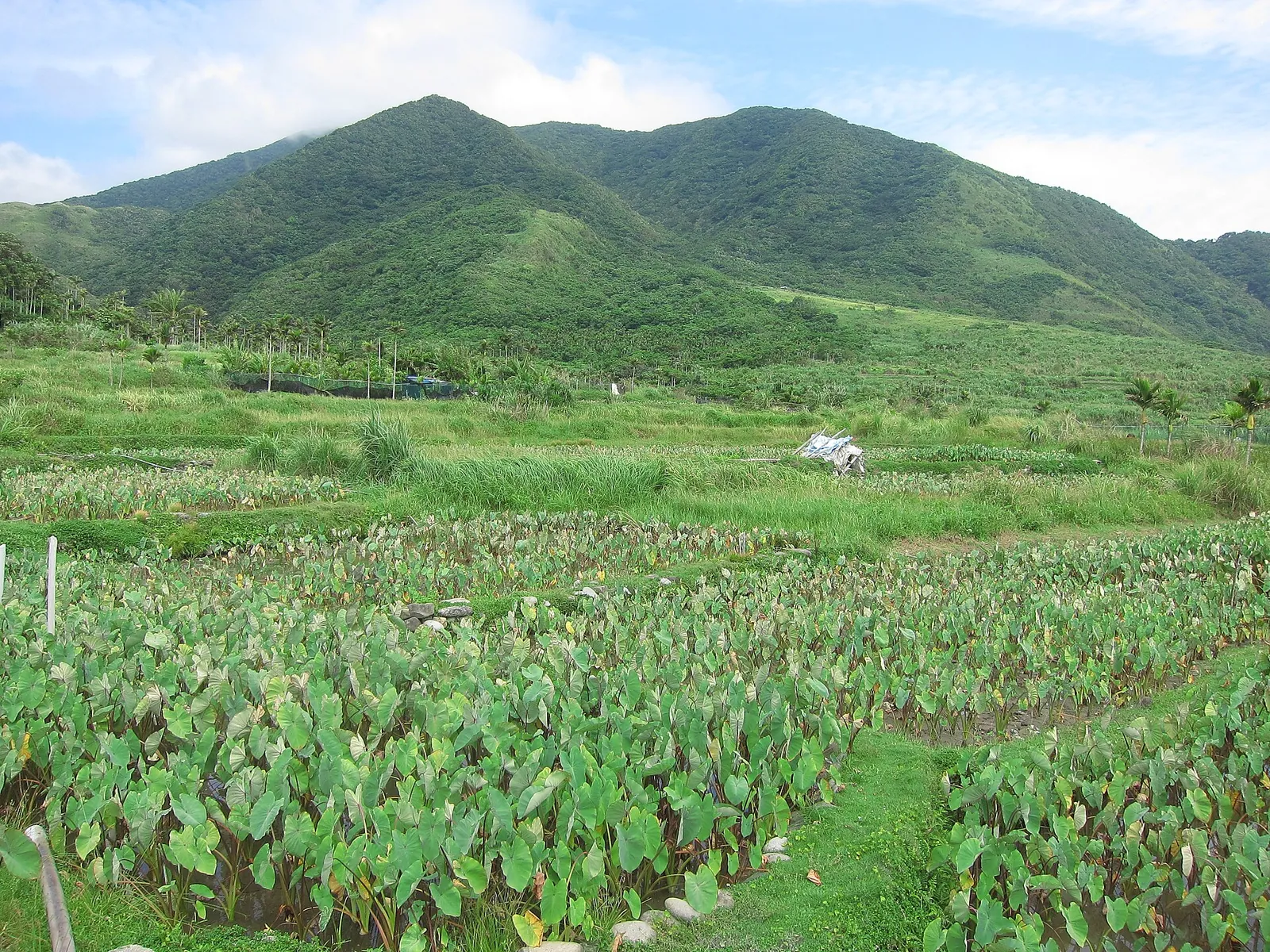
Orchid Island’s mountains rise behind a narrow inhabited coast, where villages, fields and the sea remain closely connected. The Tao people’s decorated boats and semi-subterranean houses are part of that living culture, rather than a collection of objects placed for tourists. The best first stay allows time for the coast and a locally arranged experience, with weather and the community’s welcome shaping what actually happens.

- Suggested time
- Three nights, with two full island days and flexible transfer days
- Where to stay
- Yeyou near Kaiyuan Harbor, or Yuren on the airport side, with confirmed accommodation pickup
- Season and timing
- Weather and sea conditions shape access and outdoor plans; the flying-fish cultural calendar does not guarantee a visitor event on a particular date.
The short answer
Stay three nights in Yeyou or Yuren: spend one full day along the coastal villages and another on a locally arranged cultural or marine outing, keeping both transfer days flexible. Yeyou suits a stay around the sea gateway, while Yuren puts you near the airport side of the island. Confirm the accommodation’s actual pickup and island transport before arrival. Public viewpoints do not establish access to houses, boats or ceremonies, and water activities depend on local advice and conditions. Leave room after the return crossing before a mainland connection; the ferry and flight are both weather-dependent.
Choose the village against the crossing you actually book
The national guide identifies Kaiyuan Harbor near Yeyou as the sea gateway from Fugang in Taitung, and the aviation guide lists Daily Air flights from Taitung to Orchid Island. A harbor arrival and an airport arrival put you on different parts of the coast. Choose Yeyou or Yuren after discussing the actual pickup with your accommodation, rather than assuming that an island address puts every guesthouse beside the landing.
Keep both transfer days lighter than the full sightseeing days. Confirm the booked service and operating status, the approach to the mainland terminal and the arrival pickup on the island. If a rental is part of the stay, establish the vehicle, license requirements and return arrangement with the provider. Weather changes may alter the crossing or the day’s route, so a tightly timed mainland departure is a poor foundation for an island holiday.
Let the coastal villages tell the story at their own pace
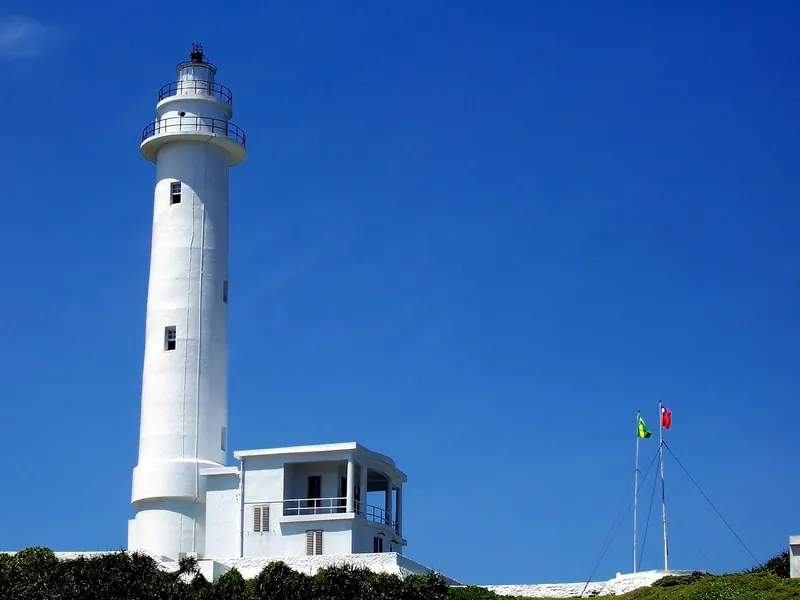
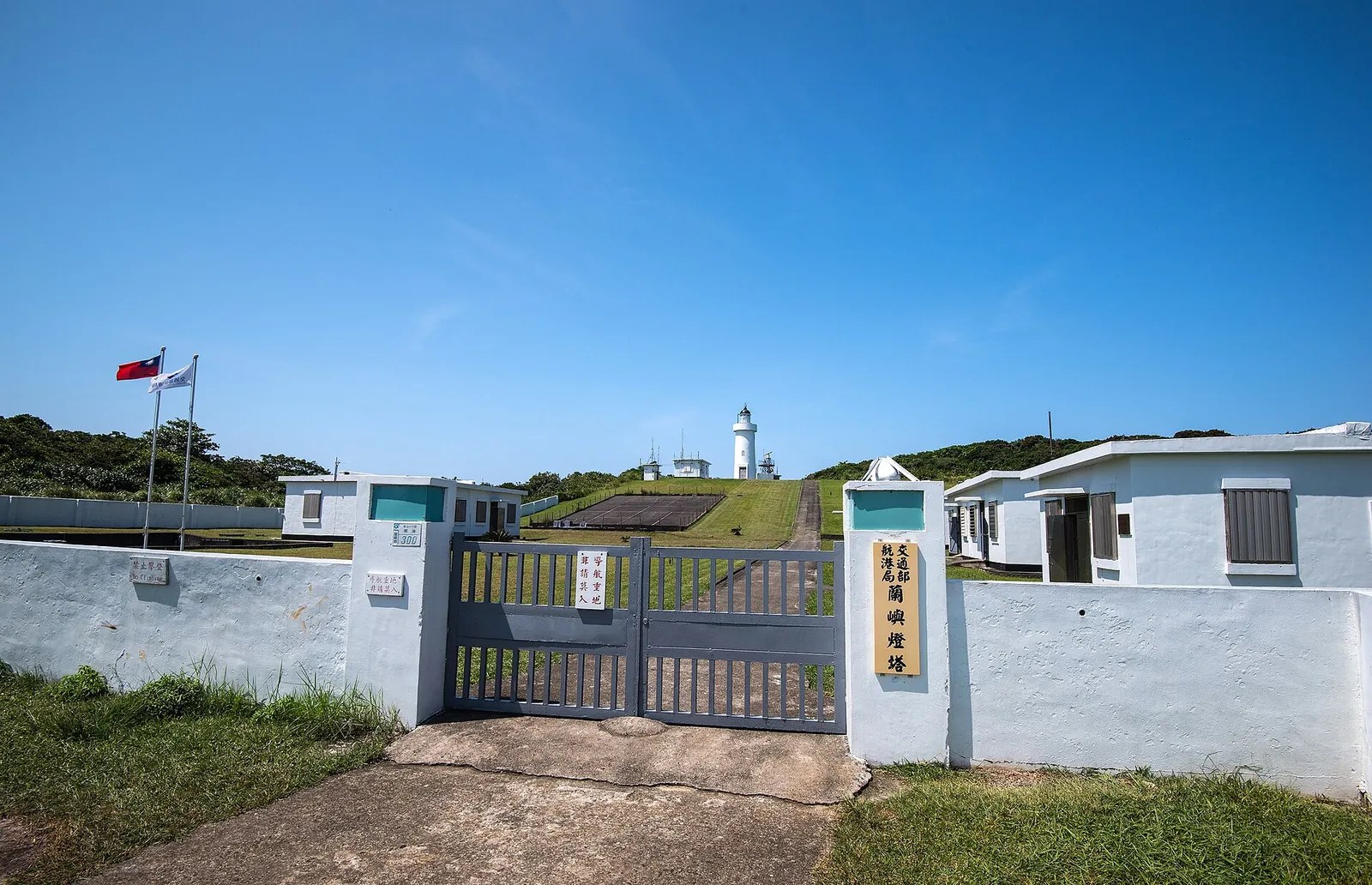
The Tourism Administration describes Orchid Island as volcanic, with a forested mountain interior and coral reefs around the coast. Yeyou is the administrative village near the harbor, while a lighthouse to its north overlooks the island and sea. A coastal day can connect village surroundings and public viewpoints without turning the mountainous interior into an unresearched hiking route. Confirm local access before following a side road or approaching a landmark.
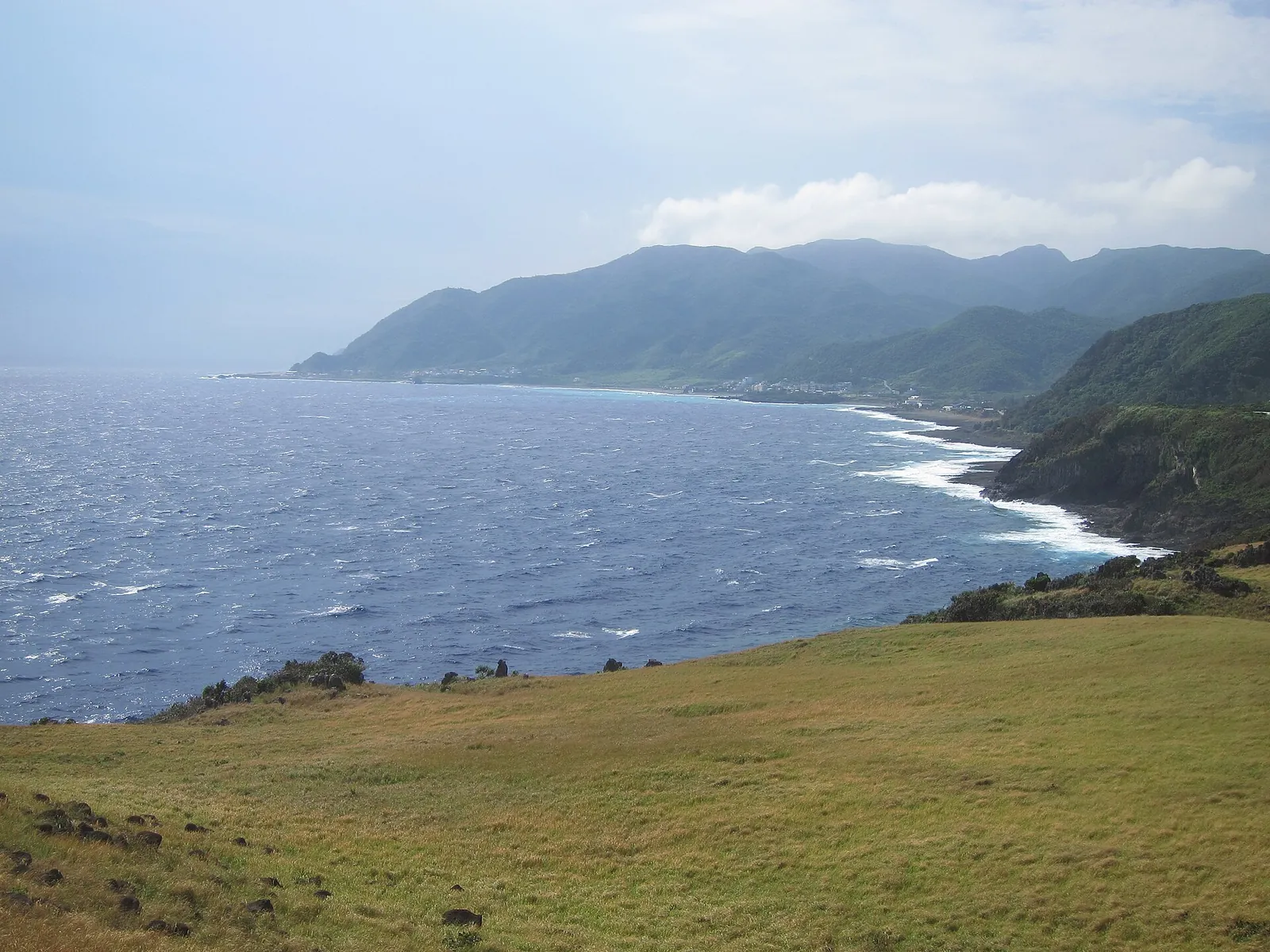
The reward comes from leaving space between stops: a meal in a village, a view from an accessible public place, then the next stretch of coast. The location of a lighthouse does not guarantee that its gate, buildings or tower are open. Nor does an attractive bay establish a safe swimming entry. Follow current notices and local advice, and change the route if strong wind, rain or sea conditions make the exposed coast unsuitable.
Make time for the local food
What to eat and where to look
Flying fish
The regional authority identifies flying fish as an important Tao food on Orchid Island. A supplementary firsthand account describes fried whole fish and flying-fish breakfast crepes.
- Where to look
- Village eateries that can explain the actual fish dish; availability and preparation are confirmed locally.
- Fit it into your day
- Choose a cooked serving as part of lunch, checking the bones and the preparation rather than assuming every version is the same.
Contains fish. Ask about batter, sauces, egg or wheat in a breakfast crepe, and shared preparation.
Fried sweet-potato cakes
A supplementary firsthand account describes fried sweet-potato cakes at Dongqing’s small night market; the current stalls and recipe are not verified.
- Where to look
- Ask in Dongqing whether a vendor is making the cakes on the day of your visit.
- Fit it into your day
- A small snack can fit after the coastal outing if the actual vendor is operating.
Confirm batter, fillings and shared frying oil. A sweet-potato name does not establish that the recipe is vegan or allergen-free.
Lintou fruit juice
The firsthand account describes juice from the island’s lintou fruit, Pandanus tectorius, served with honey water; it is distinct from a claim about every vendor’s recipe.
- Where to look
- Village drink vendors that actually list lintou juice and can explain its ingredients.
- Fit it into your day
- Choose a drink during a village pause, asking about sweetness and the actual mixture.
Confirm sweeteners and other ingredients. The described honey addition matters if you avoid honey; do not assume every version uses the same recipe.
Arrange cultural encounters instead of assuming access
The national tourism page explains the Tao people’s sea-based livelihood, decorated canoes and semi-subterranean houses built for the island’s climate. It also describes ceremonies connected with a new boat and the annual flying-fish season. Those descriptions help visitors understand the island; they do not make a particular home, boat or ceremony a public attraction with unrestricted entry.
Ask your host about a locally arranged cultural visit and what the community welcomes on that day. Keep ordinary village walks to public areas, and seek permission before photographing a person or entering a property. Boats and houses should be approached according to the owner’s instructions. No island-wide photography ban or guaranteed festival date is asserted here: the practical point is to make the invitation and the boundaries part of the visit, rather than decide them from a travel photograph.
Give a marine outing and an island meal their own space
Coral reefs and the sea are an important part of the island’s setting, but a marine outing needs a separate conversation with a local provider. Confirm the actual site, conditions, equipment, experience requirements and cancellation arrangements before committing to snorkeling or diving. Keep a coastal visit as an alternative when the water plan cannot go ahead, and do not follow an old description of a swimming hole as though it were current safety advice.
Flying fish is explicitly associated with the Tao and Orchid Island in the official regional food guide. A supplementary firsthand account describes flying-fish dishes, fried sweet-potato cakes and lintou fruit juice in Dongqing, as well as seasonal changes in the island’s food. Treat these as things to ask about, not a promise of today’s stalls or menu. A relaxed meal fits between the coastal stops; the final evening also needs room to confirm the next day’s crossing and pickup.
Practical questions
How many nights should I plan on Orchid Island?
Three nights allow two full days: one along the coast and villages, and another for a locally arranged cultural or marine outing. Keep both transfer days flexible, with room between the return crossing and a mainland connection.
Should I stay near the harbor or the airport?
Yeyou is the harbor-side option for this plan, while Yuren is on the airport side. Confirm the guesthouse’s real location, pickup and island transport against the crossing you actually book.
May visitors enter Tao houses or photograph ceremonies?
A tourism description is not permission to enter a private home, approach a boat or photograph a ceremony. Ask your host about a welcomed cultural visit, follow the owner’s or community’s instructions and seek permission before photographing people.
Can I count on a flight or ferry and a swim on the same day?
No. Confirm the actual service and allow for weather changes. Swimming, snorkeling or diving needs current local advice and an appropriate provider; an attractive bay or an old travel description does not establish safe access.
Sources and checks before you travel
Reference sources for the version dated 8 October 2026. Confirm opening times, access, transport and conditions for your travel dates.
- Taiwan Tourism Administration: Orchid Island ↗ — opens in a new tab
- Taitung Airport: Orchid Island flight information ↗ — opens in a new tab
- East Coast National Scenic Area: local specialties ↗ — opens in a new tab
- Nick Kembel: firsthand Orchid Island food and village account ↗ — opens in a new tab
- East Coast National Scenic Area: ferry connections ↗ — opens in a new tab
- East Coast National Scenic Area: domestic aviation ↗ — opens in a new tab
Photo credits
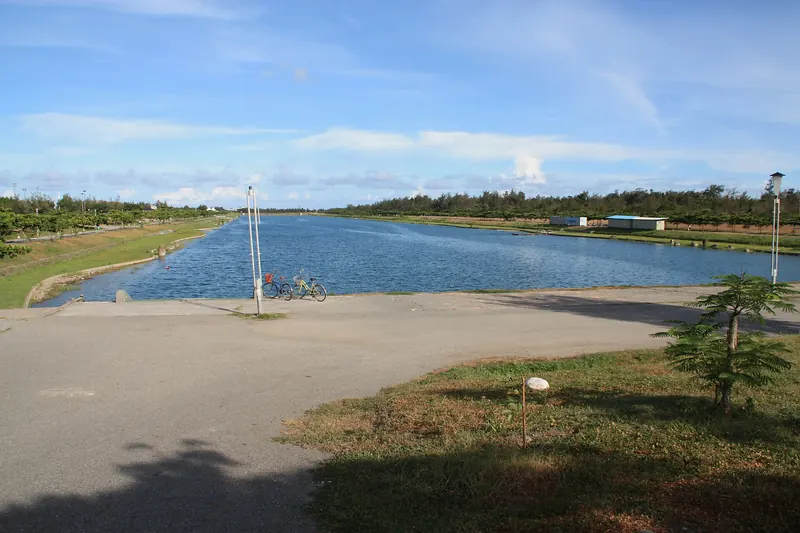
The inhabited coast and steep interior shape the scale of an island stay.
Photograph: 白士 李 — opens in a new tab · CC BY 2.0 — opens in a new tab
Changes: Resized and converted to WebP; displayed with responsive crops. · Original photograph and licence details ↗ — opens in a new tab
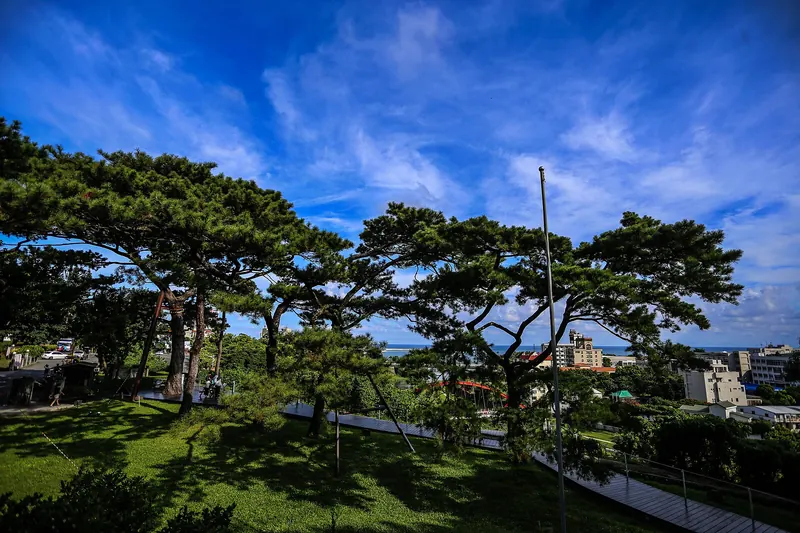
Leave room between coastal stops rather than turning the stay into a race around the island.
Photograph: Ken Marshall from Absecon, New Jersey, USA — opens in a new tab · CC BY 2.0 — opens in a new tab
Changes: Resized and converted to WebP; displayed with responsive crops. · Original photograph and licence details ↗ — opens in a new tab
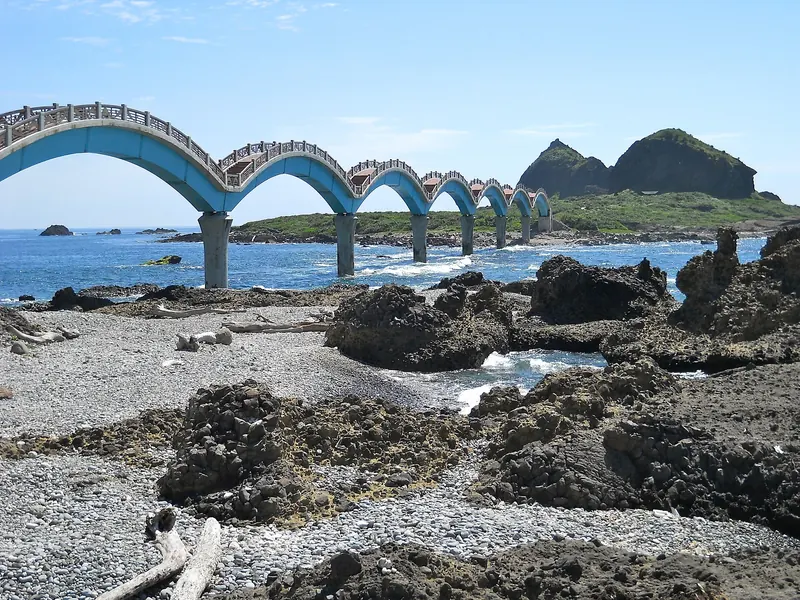
A view of the coast does not establish a safe place to enter the water.
Photograph: Ken Marshall from Absecon, New Jersey, USA — opens in a new tab · CC BY 2.0 — opens in a new tab
Changes: Resized and converted to WebP; displayed with responsive crops. · Original photograph and licence details ↗ — opens in a new tab
The lighthouse exterior is separate from permission to enter its grounds or climb its tower.
Photograph: xiangyang17 — opens in a new tab · CC BY 2.0 — opens in a new tab
Changes: Resized and converted to WebP; displayed with responsive crops. · Original photograph and licence details ↗ — opens in a new tab