Outer Islands · Lienchiang County
Matsu in three nights: Nangan villages and a Qinbi outing
Matsu's stone villages and tunnels make sense at the pace of an island stay. The granite houses face the sea, while former military waterways run into the rock behind it. A village meal belongs between those places, not at the end of a rushed chain of ferries. Start by deciding which island holds your room, then build any crossing around a real return. Nangan and Beigan share an archipelago and a food culture, but an airport arrival on one is not an arrival on the other.
- Suggested time
- 3 nights for a Nangan visit and a separately confirmed Beigan outing; allow room for arrival and departure changes
- Where to stay
- A confirmed Nangan property matched to local transport; a separately checked Beigan stay if the crossing plan requires it
- Season and timing
- Match the visit to current coastal weather, sea crossings and the documented tunnel closure. Blue tears are a natural phenomenon whose conditions cannot be guaranteed; keep a land-based village plan.
The short answer
Stay three nights on Nangan: give one day to the visitor centre and Jinsha, another to a confirmed Beigan outing for Qinbi, leaving arrival and departure flexible. The national Beihai Tunnel page checked on 2026-10-08 lists renovation closure from 2026-10-01 to 2027-03-31, so this plan excludes tunnel entry and boat activities. Keep the same room if the ferry return works for your dates, or arrange a separately confirmed Beigan night. Blue tears remain a natural possibility, not a promised attraction; retain a village-based alternative when weather or transport changes.
Choose the island and the room before choosing the crossings
The Tourism Administration describes Matsu as an archipelago that includes Nangan, Beigan, Juguang and Dongyin, not one island with a single arrival point. A first visit focused on Nangan with one Beigan outing gives those two places room to breathe. Check the island named on your flight or ferry booking before choosing a hotel. A village photograph can be appealing while leaving you on the wrong island for an early departure.
The airport's public tourism descriptions identify old houses converted into guesthouses in Jinsha on Nangan and Qinbi on Beigan. That is useful evidence of a real accommodation setting, not proof of a room's availability, step-free access or transfer service. Compare the particular property with your luggage, evening meal and confirmed transport. Keeping one Nangan room can simplify a short visit only when the outward and return crossing are actually suitable.
Use the visitor centre while the tunnel is closed
The Nangan Visitor Center offers travel information, souvenirs and a film about the island's history and scenery, according to the Tourism Administration. Its location in Ren'ai gives the Nangan day a useful beginning before a village meal and walk. Check current local advice there, then let the rest of the day follow the weather and the transport you have actually arranged. The former military tunnel nearby is a different visit with its own access rules.
When checked on 2026-10-08, the Tourism Administration's Beihai Tunnel page carried a prominent renovation closure notice for 2026-10-01 to 2027-03-31. This route therefore excludes entry and tunnel boat activities. The scenic-area authority's separate tunnel page still showed reference tide tables and activity registration information, which conflicts with that dated closure and is not proof that tours are operating. Check reopening directly before making a future reservation; a scheduled end date does not confirm completion. Once access is actually restored, on-site tidal conditions remain a separate check.
Make time for the local food
What to eat and where to look
Jiguang bun with a confirmed filling
Matsu's official homepage describes a small sesame-topped jiguang bun, often split and filled with scallion-oyster omelette or pork chop; it distinguishes this from larger Matsu bread.
- Where to look
- A Matsu bakery or snack kitchen actually offering the bun and the filling you want.
- Fit it into your day
- Choose a confirmed filled bun as part of lunch before a village walk.
Ask about wheat, sesame, egg, oysters and pork in the actual bun and filling; a plain-looking bread name does not establish an allergen-safe or vegetarian meal.
Matsu fish noodles
The official homepage describes traditional fish noodles made from fresh fish paste combined with starch, then dried.
- Where to look
- A local noodle shop offering fish noodles; ask which broth and toppings it uses.
- Fit it into your day
- Make a bowl a seated lunch rather than carrying only snacks between the villages.
Contains fish; confirm starch, broth, sauces and any other seafood or meat ingredients.
Old-wine vermicelli
The airport's official Qinbi account describes old-wine broth with vermicelli, red-yeast pork, fried egg and sesame-oil-fried ingredients.
- Where to look
- A Qinbi or other Matsu kitchen actually listing the dish; confirm the current recipe.
- Fit it into your day
- Plan it as a warming sit-down meal during the Beigan visit, with time left for the return.
The described version includes pork, egg, sesame oil and wine. Ask about alcohol and all other ingredients if needed; cooking does not establish an alcohol-free dish.
Let Jinsha and a local meal slow the afternoon
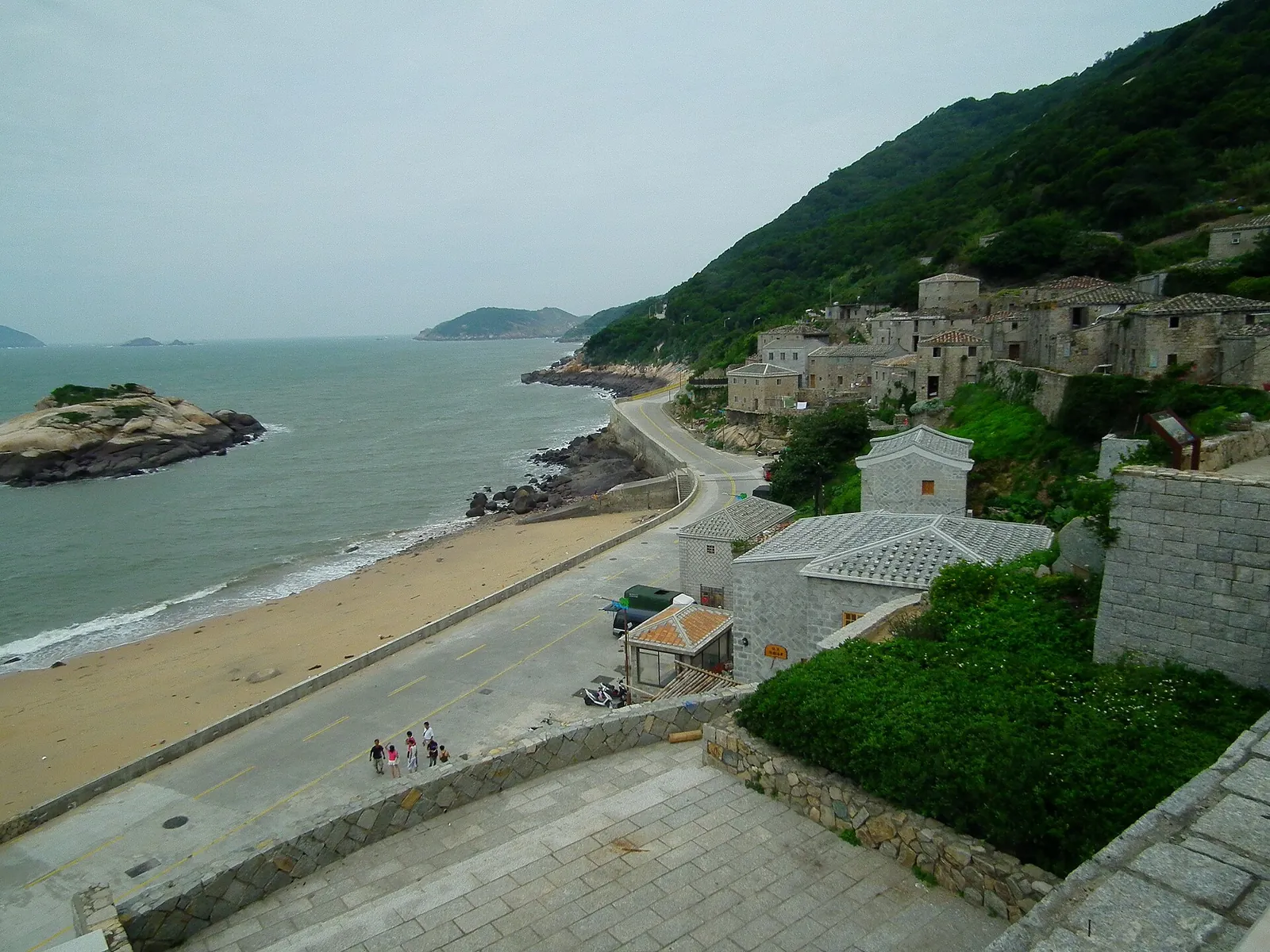
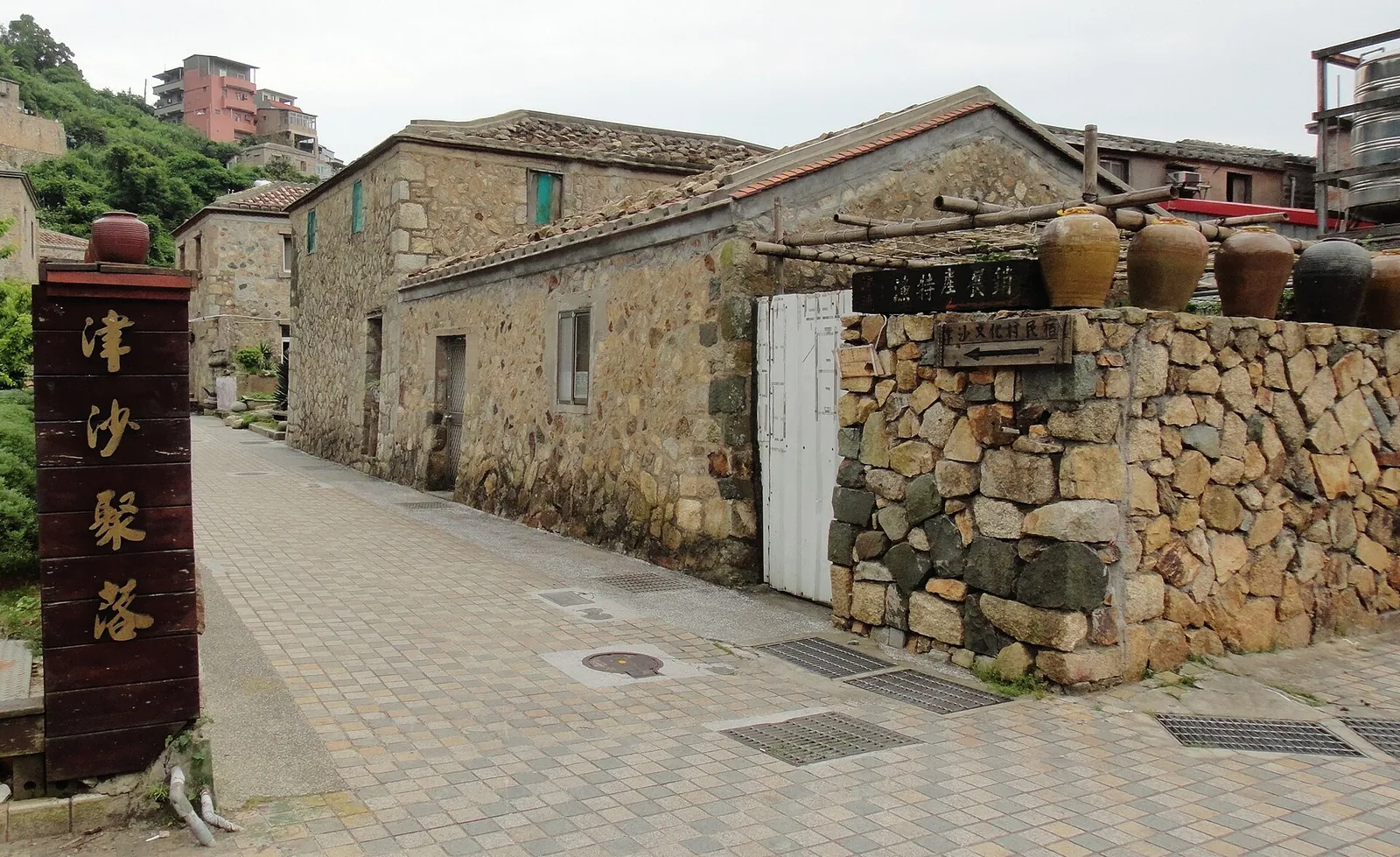
Jinsha's stone houses lie in a southwestern Nangan bay beneath Yuntai Mountain, according to the airport's official tourism description. Its older buildings have been reused as guesthouses and old-wine establishments, bringing current life into the lanes. A walk here is more rewarding when it allows time to notice courtyards and stonework instead of treating the village as a brief stop after the tunnel. Public streets do not establish access to every house or temple interior.
Matsu's official homepage distinguishes small sesame-topped jiguang buns from the larger traditional Matsu bread. It describes buns filled with scallion-oyster omelette or pork chop, while its fish-noodle account explains fish paste combined with starch. Those give lunch a concrete local thread without promising one fixed menu at every shop. Ask which preparation is available, especially when avoiding seafood, eggs or meat, and leave the village meal its own time before the confirmed return.
Make Qinbi a Beigan visit with its own return
The airport's official Qinbi description places granite houses in stepped rows on a slope facing the sea and explains their reuse as guesthouses and cultural spaces. It is a distinct village on Beigan, not a second Nangan neighborhood. Arrange the crossing and local journey before building the day around a photograph of the houses. The scenic-area local transport page describes a Beigan bus route between Tangqi and Baisha via Qinbi; check the actual departure and stop for your plan rather than assuming a continuous sightseeing service.
The same Qinbi account describes old-wine vermicelli with red-yeast pork, fried egg and sesame-oil-fried ingredients, giving a warm meal a clear cultural connection. Allow time to sit down, then walk the public lanes without entering private property uninvited. For arrival, Nangan Airport LZN and Beigan Airport MFK are separate airports, each with a local taxi stand listed by the scenic-area authority. Match the onward transfer to your booked island and property; the inter-island leg remains a separately confirmed journey, with a return or a real overnight arrangement.

Practical questions
How many nights should I spend in Matsu?
Three nights give a Nangan visit and a separately confirmed Beigan outing room around arrival and departure. The actual flight, ferry and accommodation arrangements decide how much fits; other islands need their own plan.
Are Nangan and Beigan the same arrival point?
No. The official flight page lists Nangan LZN and Beigan MFK separately, and the airport operator gives separate addresses. Choose local transport for the booked island and confirm any onward crossing separately.
Is Beihai Tunnel currently open?
The national tourism page checked on 2026-10-08 lists renovation closure from 2026-10-01 to 2027-03-31. This plan excludes tunnel entry and boat activities. A separate scenic-area page still lists tides and activity registration, so confirm reopening directly rather than treating that evergreen information as current access.
Does a night boat trip guarantee blue tears?
No. The airport's official tourism account describes blue tears as a natural phenomenon with unpredictable conditions and gives no-flash and onboard-safety rules. Beihai Tunnel is excluded here during its dated renovation closure; any future night activity needs both confirmed reopening and current operator arrangements.
Sources and checks before you travel
Reference sources for the version dated 8 October 2026. Confirm opening times, access, transport and conditions for your travel dates.
- Taiwan Tourism Administration: Lienchiang County (Matsu) ↗ — opens in a new tab
- Matsu National Scenic Area: current homepage ↗ — opens in a new tab
- Matsu Airport: public tourism accounts and airport addresses ↗ — opens in a new tab
- Matsu National Scenic Area: Beihai Tunnel access ↗ — opens in a new tab
- Matsu National Scenic Area: local transportation ↗ — opens in a new tab
- Matsu National Scenic Area: flight search ↗ — opens in a new tab
- Taiwan Tourism Administration: Beihai Tunnel ↗ — opens in a new tab
- Taiwan Tourism Administration: Nangan Visitor Center ↗ — opens in a new tab
- Taiwan Tourism Administration: Qinbi Village ↗ — opens in a new tab
Photo credits
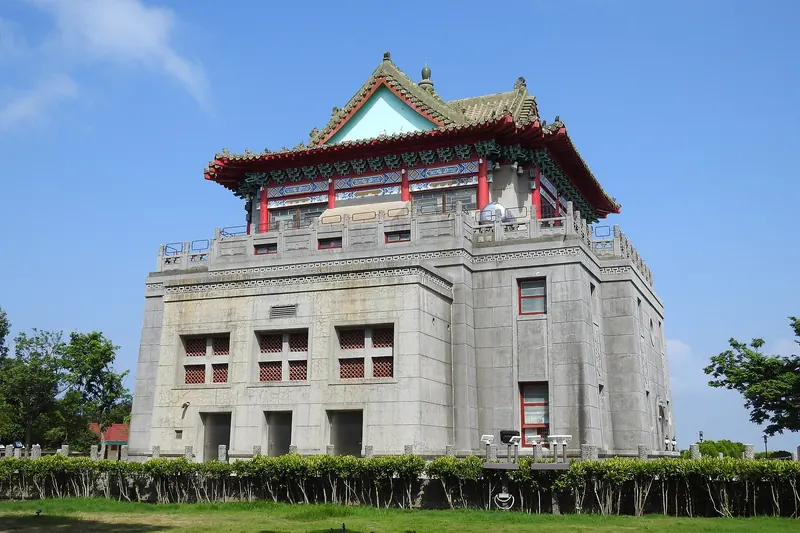
Qinbi is on Beigan, requiring its own confirmed crossing and local transport from a Nangan base.
Photograph: lienyuan lee — opens in a new tab · CC BY 3.0 — opens in a new tab
Changes: Resized and converted to WebP; displayed with responsive crops. · Original photograph and licence details ↗ — opens in a new tab
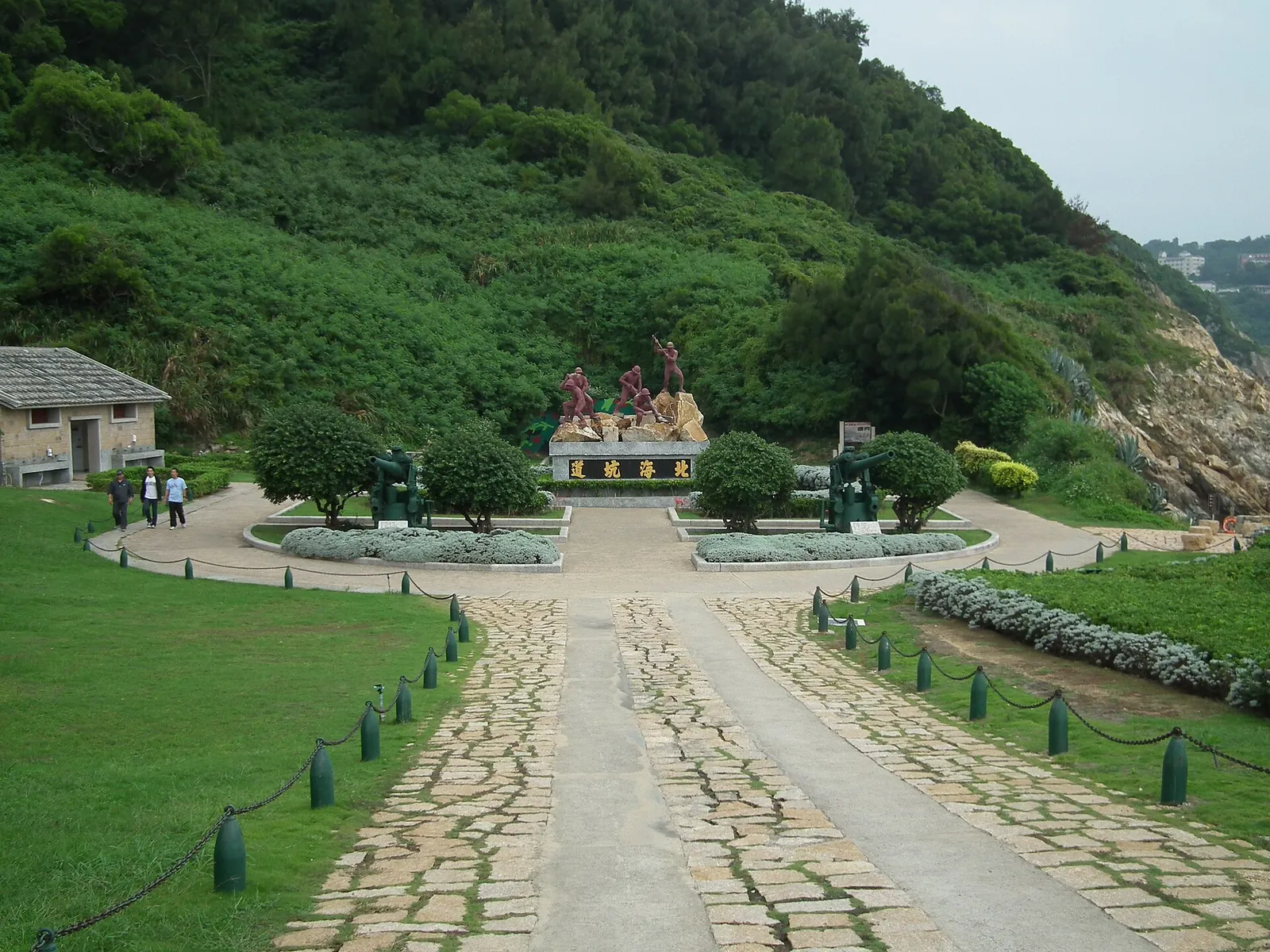
An older view of the Beihai Tunnel approach; the national page checked on 2026-10-08 lists renovation closure from 2026-10-01 to 2027-03-31.
Photograph: lienyuan lee — opens in a new tab · CC BY 3.0 — opens in a new tab
Changes: Resized and converted to WebP; displayed with responsive crops. · Original photograph and licence details ↗ — opens in a new tab
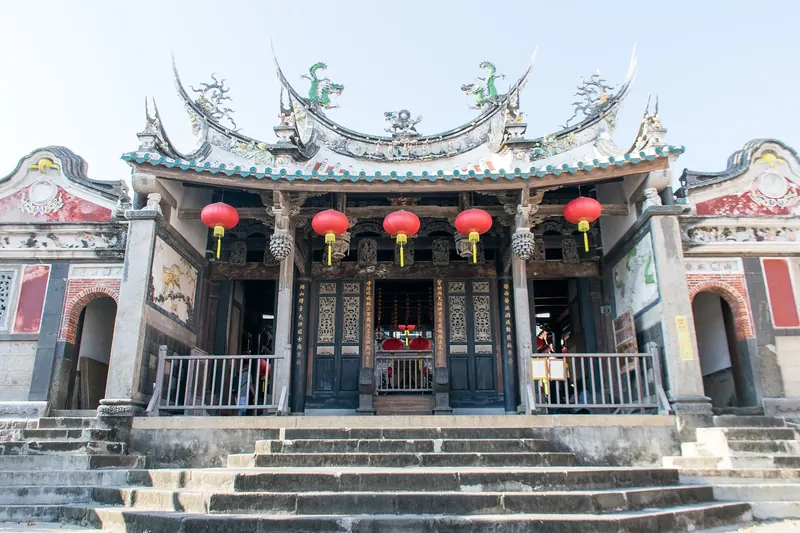
Jinsha village in a 2016 photograph; keep to public lanes and ask before entering private property.
Photograph: MW2019 — opens in a new tab · CC BY-SA 4.0 — opens in a new tab
Changes: Resized and converted to WebP; displayed with responsive crops. · Original photograph and licence details ↗ — opens in a new tab
Jinsha beach in a 2025 photograph; a shore walk does not establish safe swimming conditions today.
Photograph: Terry850324 — opens in a new tab · CC BY-SA 4.0 — opens in a new tab
Changes: Resized and converted to WebP; displayed with responsive crops. · Original photograph and licence details ↗ — opens in a new tab