East Taiwan · Hualien and Taitung counties
East Rift Valley guide: rice towns, rail travel and local food
The East Rift Valley gives eastern Taiwan a quieter rhythm: mountains frame rice towns, trains connect the larger settlements, and a field walk can be the main event of an afternoon. The landscape changes with the crops and weather, while meals in Chishang, Yuli and Fuli offer another way to understand what grows here. A small number of well-chosen bases works better than turning every valley landmark into a compulsory stop.
- Suggested time
- 3 nights, with a valley rail journey, a Chishang field day and a separately checked Luye outing
- Where to stay
- Hualien city for arrival, then Chishang town near the railway station for rice-country visits
- Season and timing
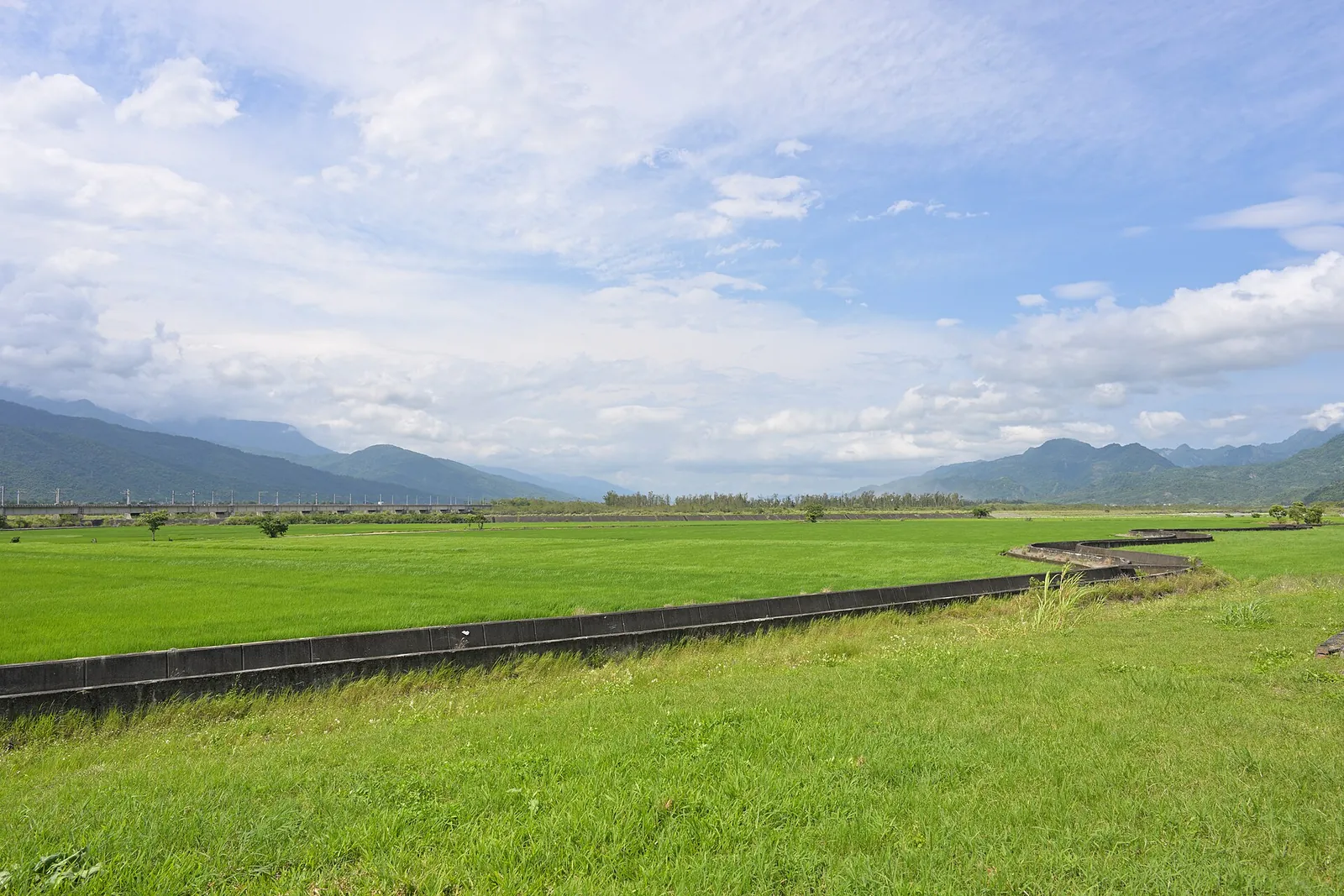
- Field colour depends on planting and harvest rather than one guaranteed calendar. Bring layers and rain protection, and check weather, current roads and local access before cycling or adding a hillside visit.
The short answer
Spend three nights in the East Rift Valley: one in Hualien and two in Chishang, pairing the railway journey with rice-field walks, Dapo Pond and a separate Luye outing. Settle in Hualien on arrival, then travel south to Chishang around a rice lunch and town walk. Give the following day to the fields and pond, choosing cycling for your ability and the weather. Luye can become the final outing towards Taitung when the current connection and onward booking fit. This inland valley route is distinct from the Highway 11 coast; accommodation, villages and field paths still need their own local transfers.
Make the railway the backbone, then arrange the local legs
The regional tourism authority describes the railway through the East Longitudinal Valley as an important local connection. Choose the actual trains serving Hualien, Chishang and your onward gateway before booking the nights. A through train is useful for moving between towns, but it does not remove the need to reach a rural guesthouse or the start of a field walk.
When checked on 8 October 2026, TRA’s live status page reported normal operation across the Eastern Main Line. That dated report does not guarantee a particular departure or every connection, so check your specific service again before travel. The regional authority also describes local buses, tourist shuttles and booked road transport, but its older pass names and fixed journey times are not treated here as current offers. Confirm the operator and the exact stop rather than relying on an old link or a route name alone.
Let Chishang’s town and rice fields shape the middle of the trip
The official valley guide identifies Chishang, Guanshan and Fuli as rice-growing towns, and recommends their rice meals and packaged rice snacks. In Chishang, lunch belongs to the arrival day: it gives you a pause between the train and the fields without making the afternoon depend on rushing from the station.
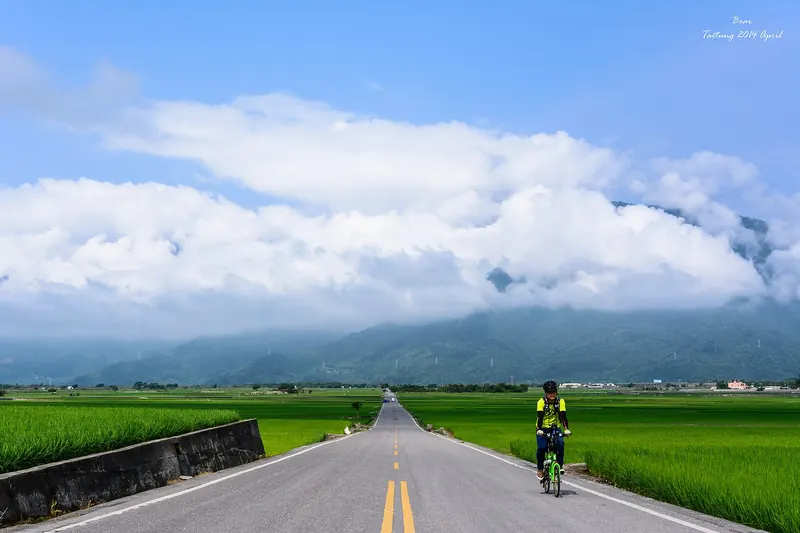
Mr. Brown Avenue is a country road through rice paddies, while Dapo Pond is an inland freshwater marsh with shore paths and cycling routes. Give these places time on the following day rather than trying to collect every photographic angle before the light changes. Remain on permitted roads and paths, keep clear of agricultural work and choose a rental route appropriate to current conditions.
Make time for the local food
What to eat and where to look
Chishang rice lunchbox
The valley’s official food guide describes rice lunchboxes in Chishang, Fuli and Guanshan, with versions including braised egg, dried bamboo shoots and other home-style dishes.
- Where to look
- Chishang town lunchbox shops whose current ingredients and opening you can confirm.
- Fit it into your day
- Make it the arrival-day lunch before the town or field walk.
Confirm meat, egg, sauces and other toppings; rice alone does not make the complete box vegetarian or allergy-safe.
Luoshan mud-volcano tofu
The official valley guide describes tofu made in Fuli’s Luoshan using mud-volcano brine, with a dense texture and soybean aroma.
- Where to look
- A confirmed Luoshan food provider or locally identified tofu business in Fuli.
- Fit it into your day
- Treat it as a separately arranged town stop, rather than assuming it is sold by every Chishang restaurant.
Contains soy; check sauces, mustard and other accompaniments. The food tradition does not make raw mud or water safe to collect or consume.
Yuli noodles
The official food guide describes handmade Yuli noodles with pork-bone broth, braised egg, lean meat slices and fried shallots, including soup and non-soup versions.
- Where to look
- Yuli noodle shops if your actual rail and local connection allow a separate meal stop.
- Fit it into your day
- Choose a Yuli meal instead of adding it after a full Chishang lunch; leave room for the onward train.
The described preparation contains pork and egg. Ask about wheat, broth and sauces for dietary requirements.
Choose a local meal or a separate town visit, not every stop
A valley journey can include more than rice scenery, but each additional town needs an actual transport plan. Yuli’s noodles are described by the tourism authority with pork-bone broth, braised egg, lean meat and fried shallots. Fuli’s Luoshan tofu uses brine associated with its mud volcano; the documented food preparation is not an invitation to collect volcanic mud or water yourself.
If you want a cooking visit or an Indigenous meal, confirm the provider, language and booking before treating it as part of the day. The official food guide notes that some businesses require reservations. Keep the overnight base in Chishang unless a separately confirmed stay and transfer offer a clear reason to move.
Add Luye for views, with Taitung as a separate onward gateway
Luye Plateau offers views over the valley and Beinan River, and the regional guide connects it with seasonal balloon events. A landscape visit does not guarantee an event, a flight or access to a particular hillside path. Match the outing to current transport and weather, leaving the balloon programme to its actual organiser and dates.
The valley guide also lists forestry parks, wetlands and mountain trails, but an older general attraction list does not confirm present access to all of them. In particular, this route does not promise a Guangfu or Mataian visit, a Walami walk or a cross-island road connection without current site-specific confirmation. Taitung city, its railway station and its airport are different destinations, so give the final local transfer its own place in the plan.
Practical questions
How long should I stay in the East Rift Valley?
Three nights can give you a Hualien arrival, a rail move to Chishang, a rice-field and Dapo Pond day, and a separately checked Luye outing before onward travel. Keep fewer stops if the actual connections do not fit.
Is the East Rift Valley the same as the East Coast?
No. This is the inland rice-town and railway corridor, associated with Highway 9. Highway 11 runs through the coastal towns, so a valley train does not automatically include the coast’s viewpoints.
Can I explore without a rental car?
The railway connects the main valley towns, and the regional authority describes local buses and tourist shuttles. Check the current operator, stops and last return; rural accommodation, fields and hillside viewpoints may need separate booked transport.
Will I see golden rice fields or a balloon festival?
Neither is guaranteed by a general travel date. Rice colour depends on local cropping, while balloon events have their own confirmed programme and weather restrictions. Keep a town meal and a modest field walk as the basis of the visit.
Sources and checks before you travel
Reference sources for the version dated 8 October 2026. Confirm opening times, access, transport and conditions for your travel dates.
- East Rift Valley tourism authority: getting here ↗ — opens in a new tab
- East Rift Valley tourism authority: local transport ↗ — opens in a new tab
- East Rift Valley tourism authority: food ↗ — opens in a new tab
- East Rift Valley tourism authority: attractions ↗ — opens in a new tab
- East Rift Valley tourism authority: trip planning ↗ — opens in a new tab
- Taitung Airport: official passenger and flight information ↗ — opens in a new tab
- East Coast tourism authority: airports ↗ — opens in a new tab
- Taiwan Railway: live route operating status ↗ — opens in a new tab
- Taitung Airport: ground access ↗ — opens in a new tab
Photo credits
An April 2026 view from Fuli; field colour changes with the crops and weather.
Photograph: 4300streetcar — opens in a new tab · CC BY 4.0 — opens in a new tab
Changes: Resized and converted to WebP; displayed with responsive crops. · Original photograph and licence details ↗ — opens in a new tab
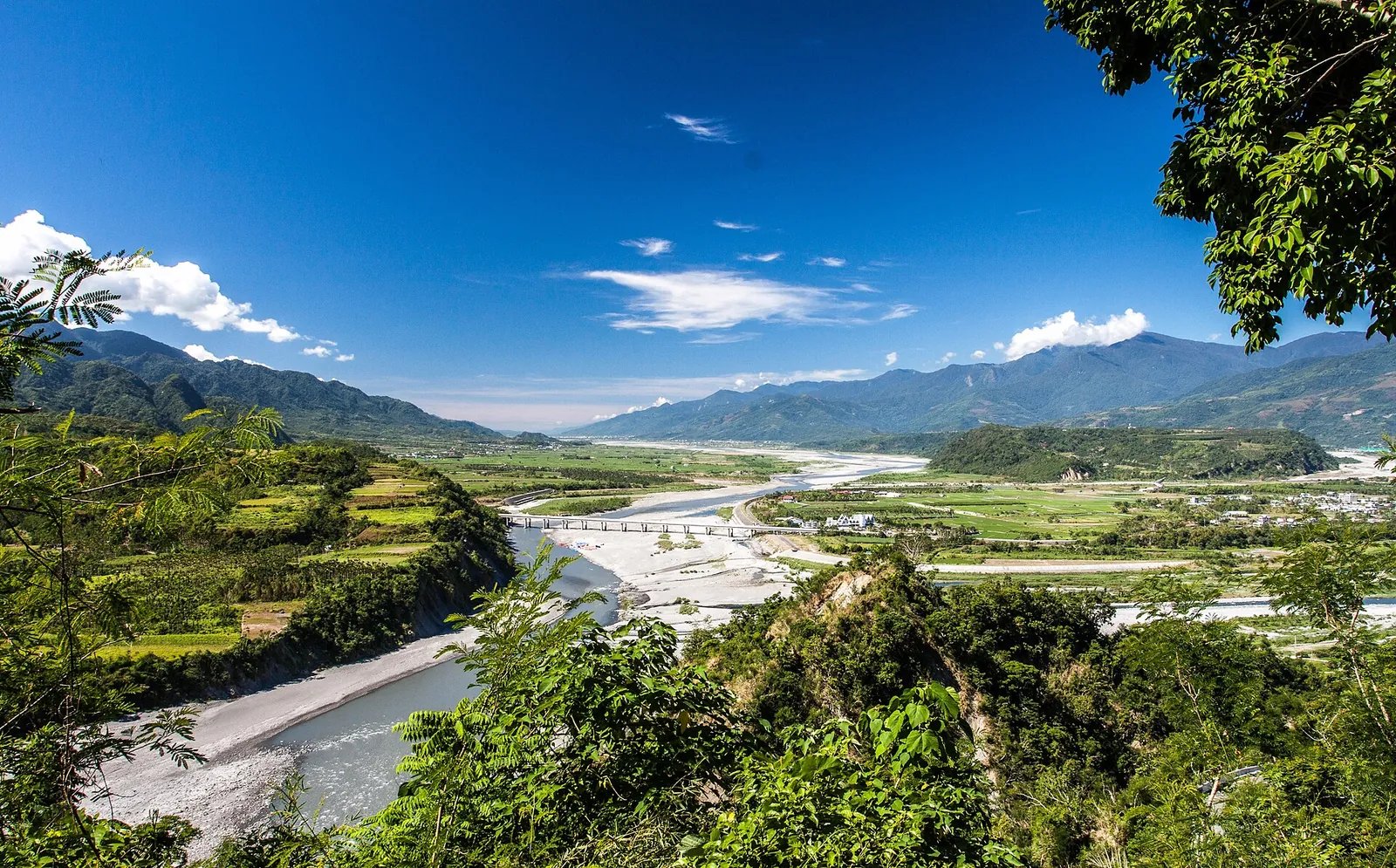
The river and mountains show the wider valley landscape, separate from the Highway 11 coastline.
Photograph: CHUAN MING LIANG — opens in a new tab · CC BY 2.0 — opens in a new tab
Changes: Resized and converted to WebP; displayed with responsive crops. · Original photograph and licence details ↗ — opens in a new tab
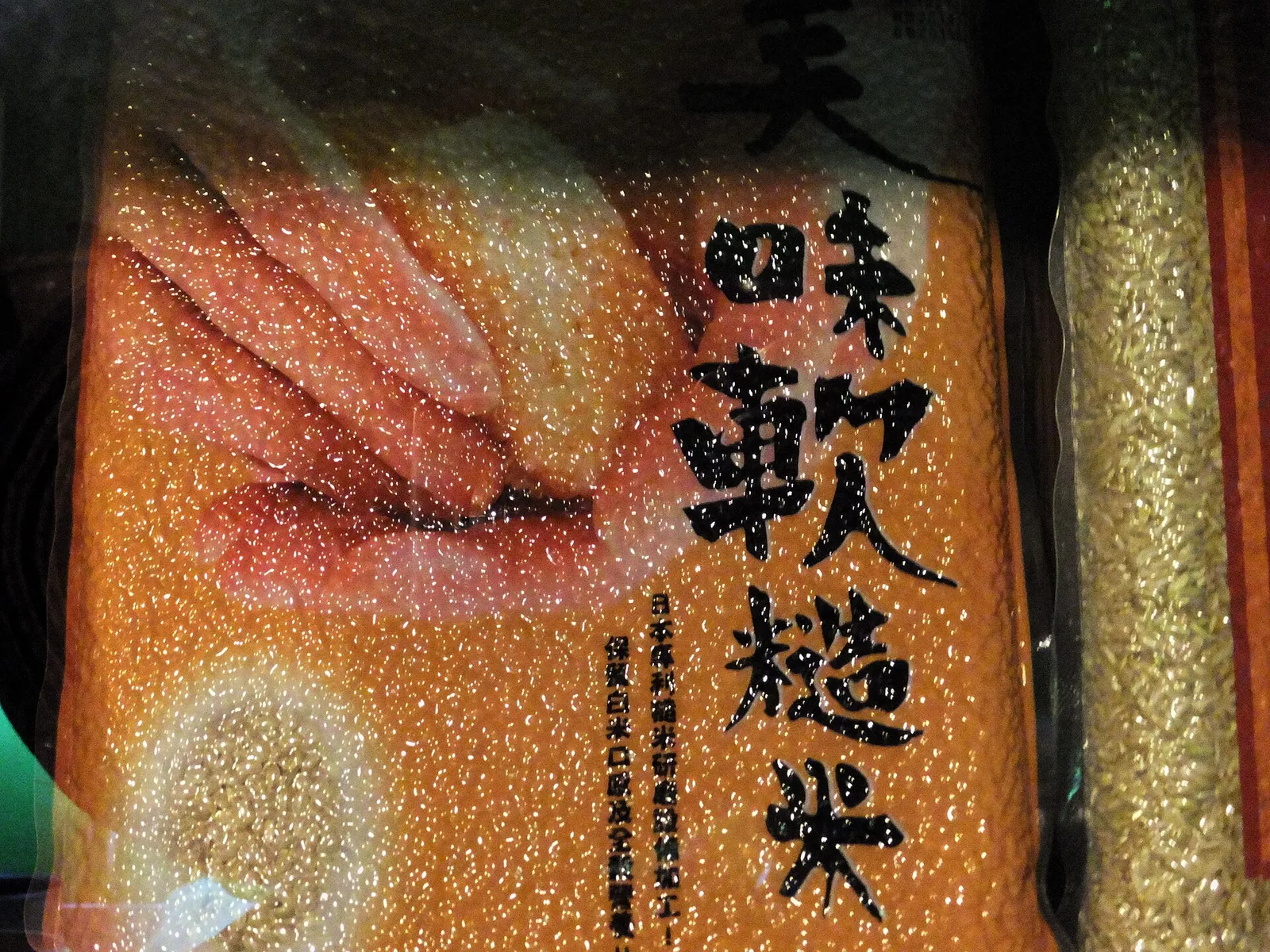
Packaged Chishang rice connects the valley’s food with its rice-growing towns.
Photograph: lienyuan lee — opens in a new tab · CC BY 3.0 — opens in a new tab
Changes: Resized and converted to WebP; displayed with responsive crops. · Original photograph and licence details ↗ — opens in a new tab
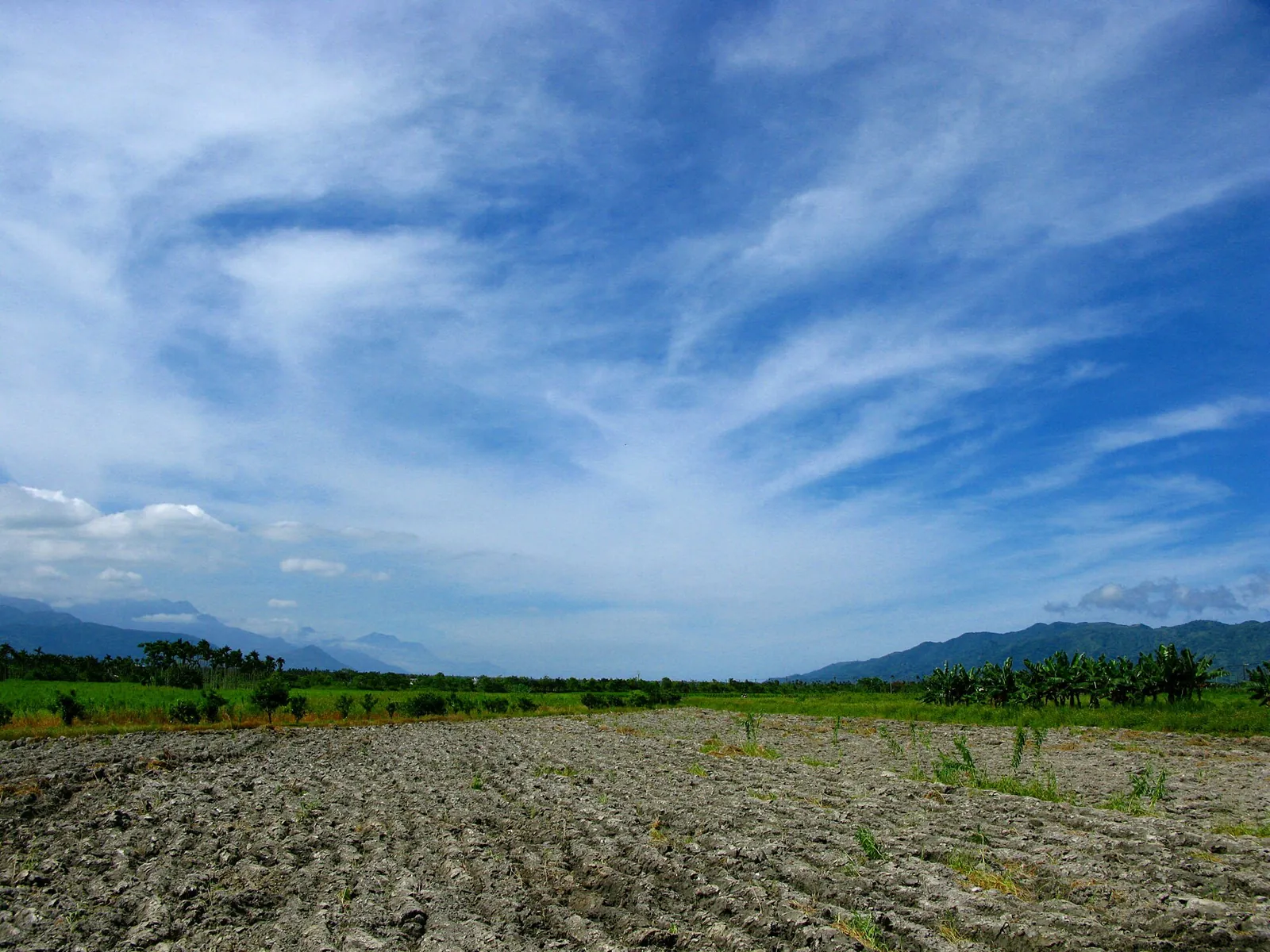
The valley’s rural landscape varies with the agricultural season; a photograph does not guarantee the same field conditions.
Photograph: Mnb at Chinese Wikipedia — opens in a new tab · CC BY-SA 3.0 — opens in a new tab
Changes: Resized and converted to WebP; displayed with responsive crops. · Original photograph and licence details ↗ — opens in a new tab