Central Singapore · Singapore
Tiong Bahru guide: market breakfast, heritage flats and a slower walk
Tiong Bahru is a neighbourhood to walk through with attention rather than a row of cafes to collect. The market gives the visit an everyday centre, while the low-rise housing and curved blocks explain why the streets feel different from the central skyline. Start with food, choose a few stops from the National Heritage Board trail and leave time for a seated break. The homes are still homes: an attractive balcony or stairwell does not turn a residential entrance into a visitor attraction.
- Suggested time
- Half a day
- Where to stay
- Tiong Bahru for a neighbourhood stay; Outram for a wider central-city itinerary
- Season and timing
- Choose a shorter walk and a longer market or cafe break in warm, humid weather. Rain can interrupt the outdoor housing circuit in any season.
The short answer
Allow a half-day for Tiong Bahru Market, a selected heritage walk and one cafe or restaurant pause. Use the National Heritage Board trail to choose stops around Seng Poh Road, the garden and the housing blocks. Stay locally if the neighbourhood is part of your wider trip; otherwise visit from a central hotel. A guided Botanic Gardens and Tiong Bahru outing covers two areas, so treat it as a different plan from a market-only morning.
Visit from the centre or stay for the neighbourhood
A local hotel makes sense if you want repeated meals and walks here rather than one short stop. Compare its actual walk to the market and to a station; a Tiong Bahru address can cover a larger area than the heritage streets you have in mind. Outram is another base to compare when the rest of your trip centres on Chinatown and the city.
For a first visit, you do not need to move hotels to enjoy the neighbourhood. Come for one well-planned half-day and decide which heritage stops matter. Hotel savings can disappear into longer daily journeys if the rest of your itinerary lies elsewhere.
The market is the useful starting point
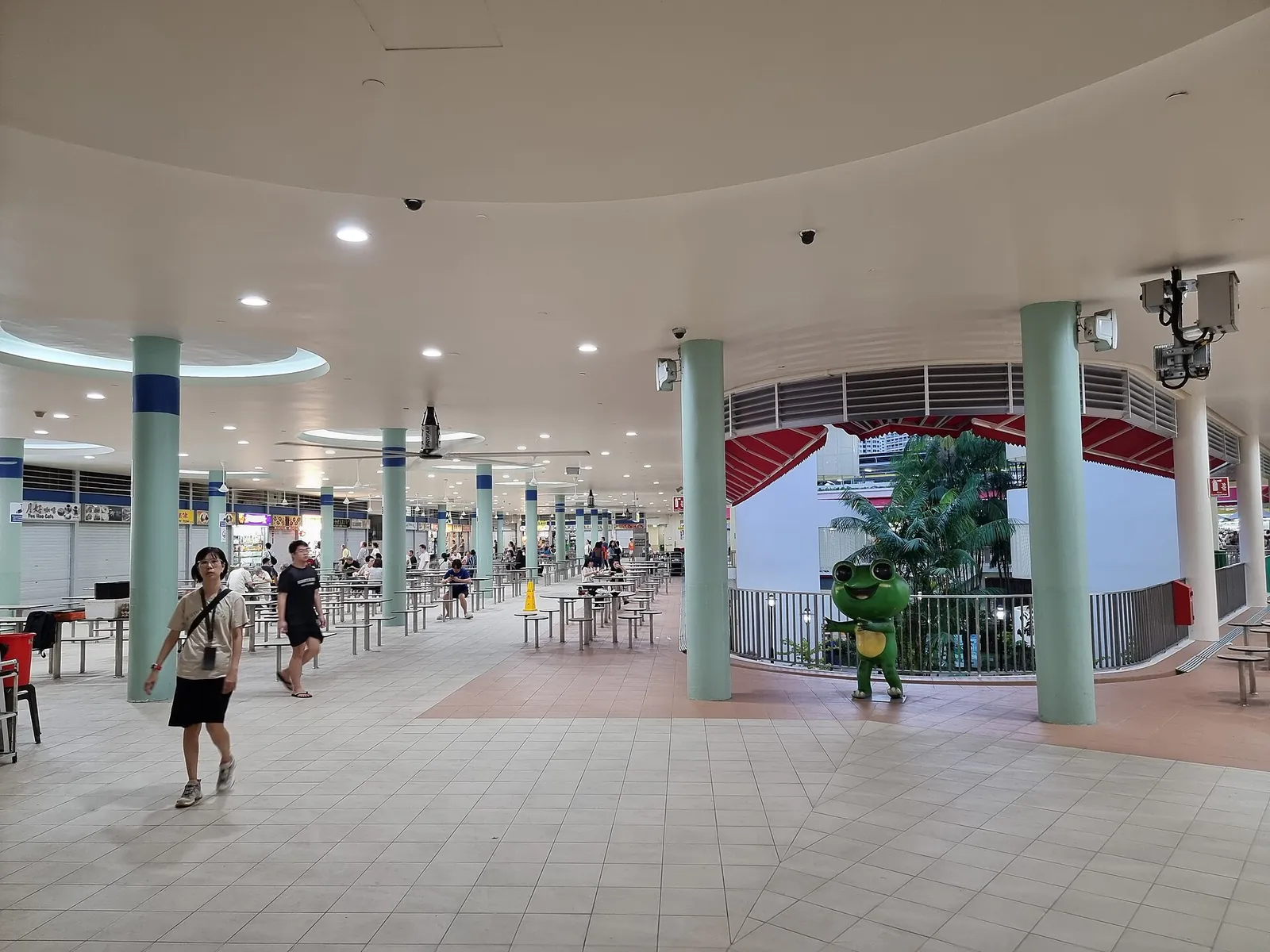
The National Heritage Board starts its Tiong Bahru trail at the Market and Food Centre on Seng Poh Road, describing it as a place where residents and visitors shop and eat. Begin here to understand the neighbourhood as a lived-in area, not simply an architectural background.
Look at the current stall menus and choose one main meal. Individual traders have their own service patterns, so a building's opening label is not a guarantee that the dish you want is available. Keep the aisles clear for customers carrying groceries and ask before photographing a person or working stall.
Make time for the local food
What to eat and where to look
Chwee kueh
Steamed rice cakes commonly topped with savoury preserved radish.
- Where to look
- Current breakfast menus at the market; confirm the toppings.
- Fit it into your day
- Order as breakfast and decide whether you need another small dish.
Ask about oil, preserved ingredients and chilli if dietary needs matter.
Chicken rice
Chicken served with savoury rice and condiments, a citywide lunch choice.
- Where to look
- Current market or neighbourhood menus rather than an assumed named stall.
- Fit it into your day
- Choose this as the main meal if breakfast was light.
Contains chicken; sauces and accompanying soup vary.
Coffee and toast
A coffee-shop or cafe pause can be separate from the main market meal.
- Where to look
- Neighbourhood coffee-shop and cafe menus.
- Fit it into your day
- Use it after the heritage walk rather than stacking several complete breakfasts.
Check spread ingredients, milk choices and any egg accompaniment.
Choose a few heritage stops instead of the whole trail
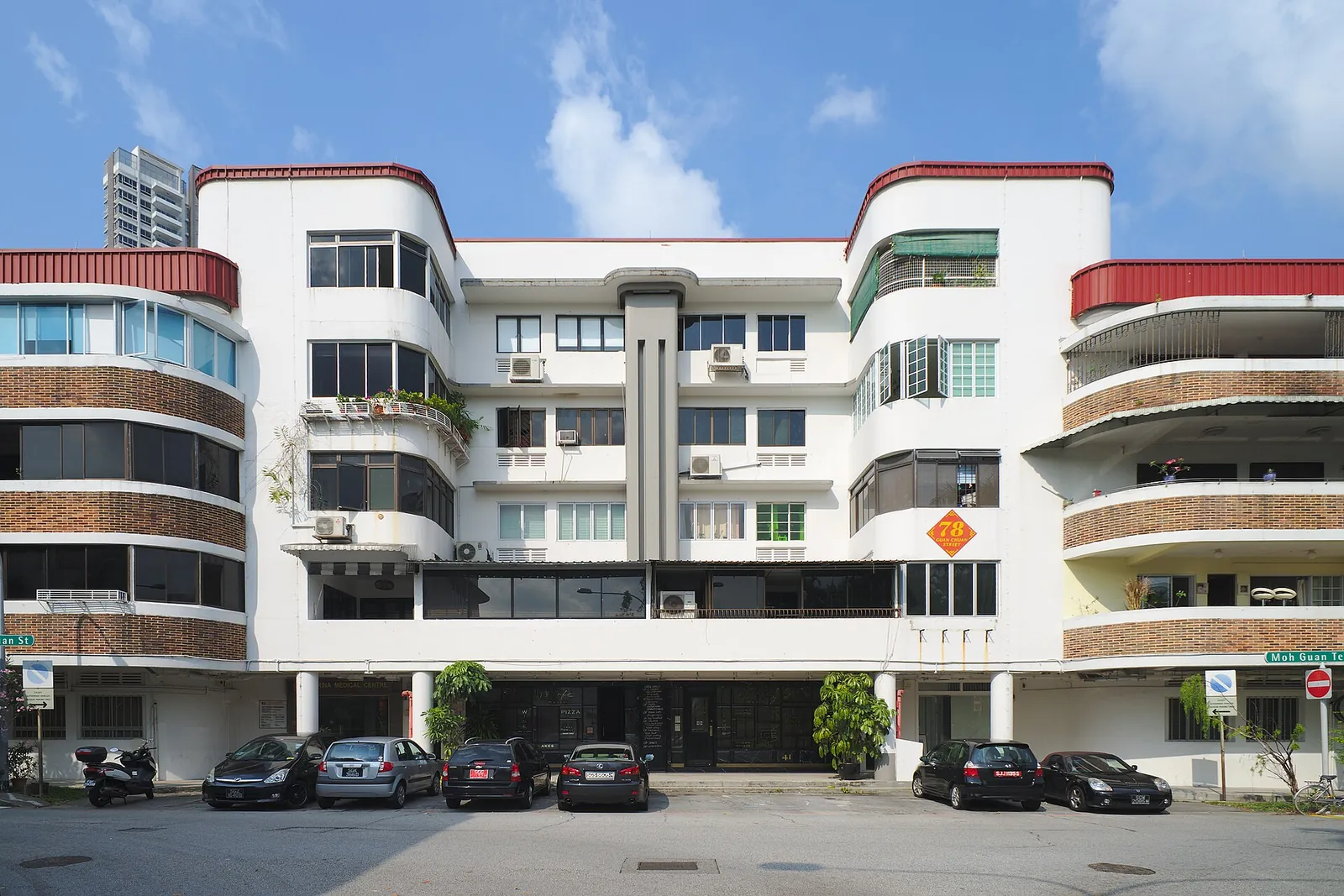
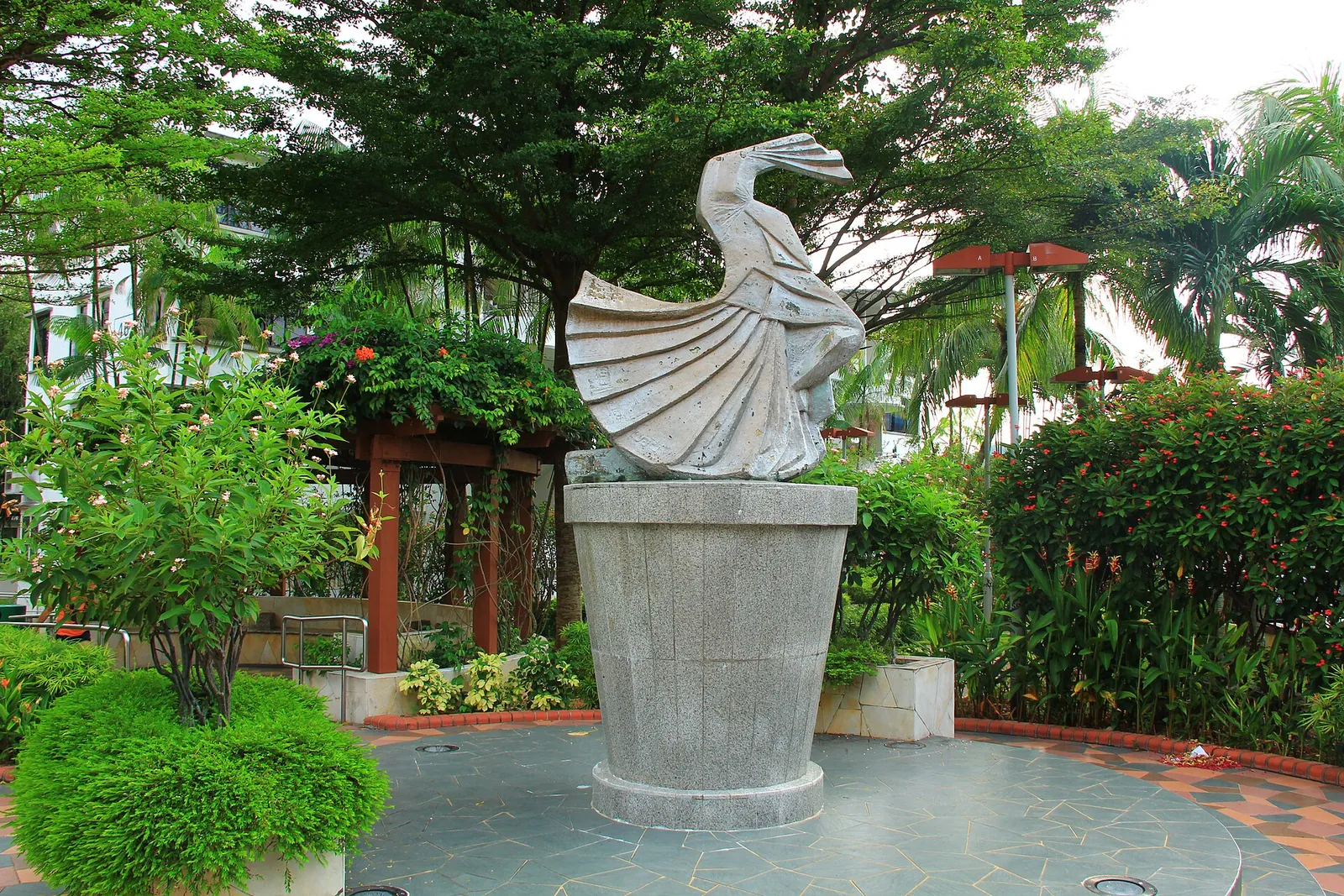
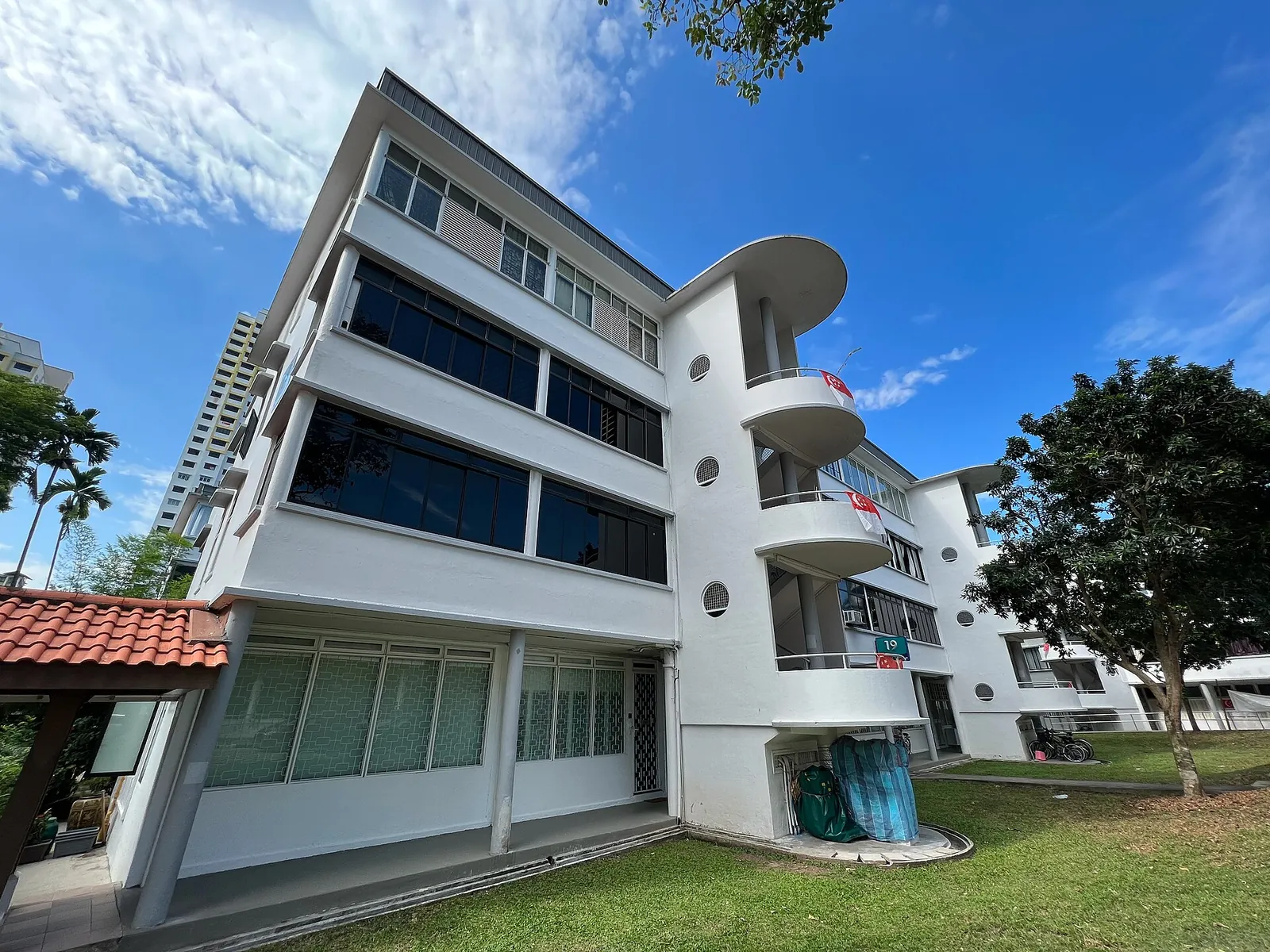
The official trail includes Seng Poh Garden and its Dancing Girl sculpture, the architecture of Tiong Bahru and the distinctive horse-shoe block around Moh Guan Terrace and Guan Chuan Street. Read the trail information before walking, then choose a compact selection rather than following every point by default.
The National Heritage Board distinguishes early low-rise housing from later blocks. Use that context to look at balconies, curves and street layout without inventing a story for every building. This is an outdoor neighbourhood visit: private stairwells, courtyards and residential doors are not automatically open to visitors.
A cafe break belongs after the walk
A cafe can be a comfortable pause, but it is a different food stop from a market breakfast. Choose whether you want a full hawker meal followed by coffee or a lighter first stop followed by a seated lunch. Trying to eat at every place in a saved list turns a short neighbourhood visit into a sequence of queues.
The food notes are choices to look for on current menus, not promises that a particular stall is trading today. For a dish-led visit, confirm the stall directly before crossing the city. For an architecture-led walk, a convenient meal near the route may be the better decision.
A compact market and housing route
This is an editorial selection from the heritage area, not a timed official tour. Follow public access and current signage, and shorten the walk when heat or rain makes a seated break more useful.
- Begin at Tiong Bahru Market and choose one main meal.
- Read the National Heritage Board material for the housing architecture.
- Visit the Seng Poh Garden area and look at the curved housing blocks from public space.
- Finish with a cafe pause; save a second neighbourhood for another part of the day.
Practical questions
How long should I allow?
A half-day leaves room for the market, a selected heritage walk and a cafe pause. The full official trail is optional.
Can I enter the residential blocks?
This guide recommends viewing from public space. Private stairs, doors and courtyards are not presented as visitor attractions.
Is Tiong Bahru only a cafe district?
No. The National Heritage Board trail begins at the market and covers housing architecture and other neighbourhood landmarks.
Does the guided product stay in Tiong Bahru?
The linked product also includes the Botanic Gardens. Read its current route and breakfast inclusions before choosing it over an independent half-day.
Sources and checks before you travel
Reference sources for the version dated 3 October 2026. Confirm opening times, access, transport and conditions for your travel dates.
- National Heritage Board: Tiong Bahru Heritage Trail ↗ — opens in a new tab
- National Heritage Board: origin and development ↗ — opens in a new tab
- Singapore Tourism Board: local food guide ↗ — opens in a new tab
- Changi Airport: transport to the city ↗ — opens in a new tab
- Meteorological Service Singapore: climate ↗ — opens in a new tab
Does this experience fit your route?
Choose a guided outing only if you want both the Botanic Gardens and Tiong Bahru; check the route and breakfast arrangements first.
Check dates and details on Viator ↗ — opens in a new tabAffiliate link · Book with ViatorPhoto credits
Housing at Moh Guan Terrace, Tiong Bahru.
Photograph: Nicolas Lannuzel from Singapore, Singapore — opens in a new tab · CC BY-SA 2.0 — opens in a new tab
Changes: Resized and converted to WebP; displayed with responsive crops. · Original photograph and licence details ↗ — opens in a new tab
Seng Poh Garden in Tiong Bahru.
Photograph: Qingwu Zhou (周庆武) — opens in a new tab · CC BY-SA 3.0 — opens in a new tab
Changes: Resized and converted to WebP; displayed with responsive crops. · Original photograph and licence details ↗ — opens in a new tab
Food-centre interior at Tiong Bahru Market.
Photograph: Kbseah — opens in a new tab · CC BY-SA 4.0 — opens in a new tab
Changes: Resized and converted to WebP; displayed with responsive crops. · Original photograph and licence details ↗ — opens in a new tab
Heritage housing on Tiong Bahru Road.
Photograph: Wzhkevin — opens in a new tab · CC BY-SA 4.0 — opens in a new tab
Changes: Resized and converted to WebP; displayed with responsive crops. · Original photograph and licence details ↗ — opens in a new tab