Kansai · Nara
Yoshino: temples, mountain streets and seasonal planning
Yoshino is more than a spring photograph. Its mountain streets and religious heritage make a rewarding visit when the climbing and seasonal crowds are considered early.
- Suggested time
- An editorial starting point: one focused day or an overnight stay
- Where to stay
- Yoshino
- Season and timing
- Match current local conditions and activity availability
The short answer
Make Yoshino a focused part of the trip: select the main experience first, then arrange access, a meal and a realistic return. The route ideas below are editorial suggestions to adapt to your interests and mobility, rather than a fixed timetable.
Choose the experience that gives the day its shape
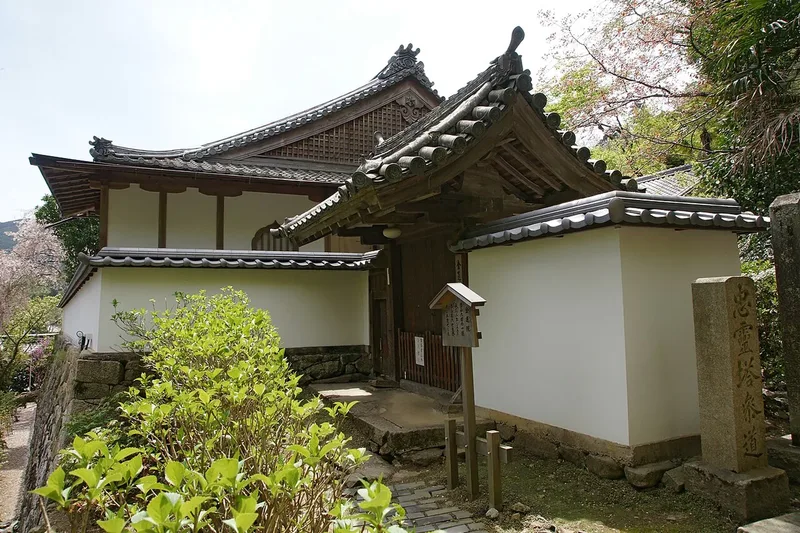
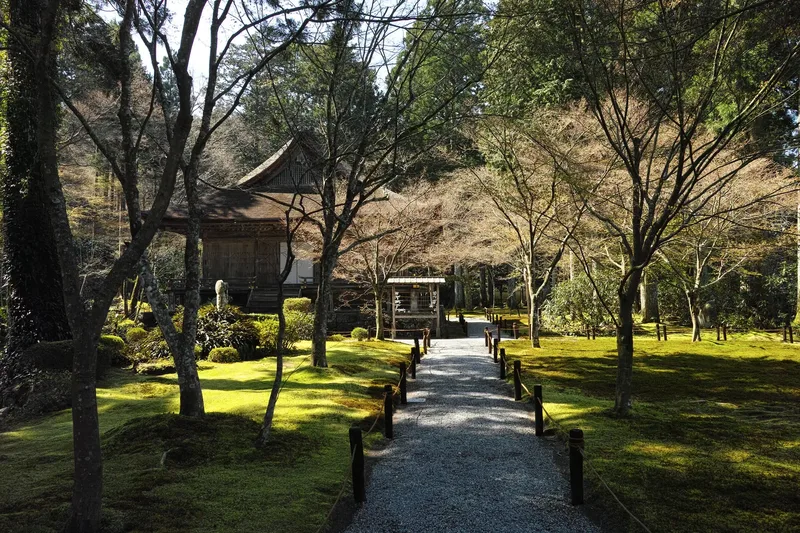
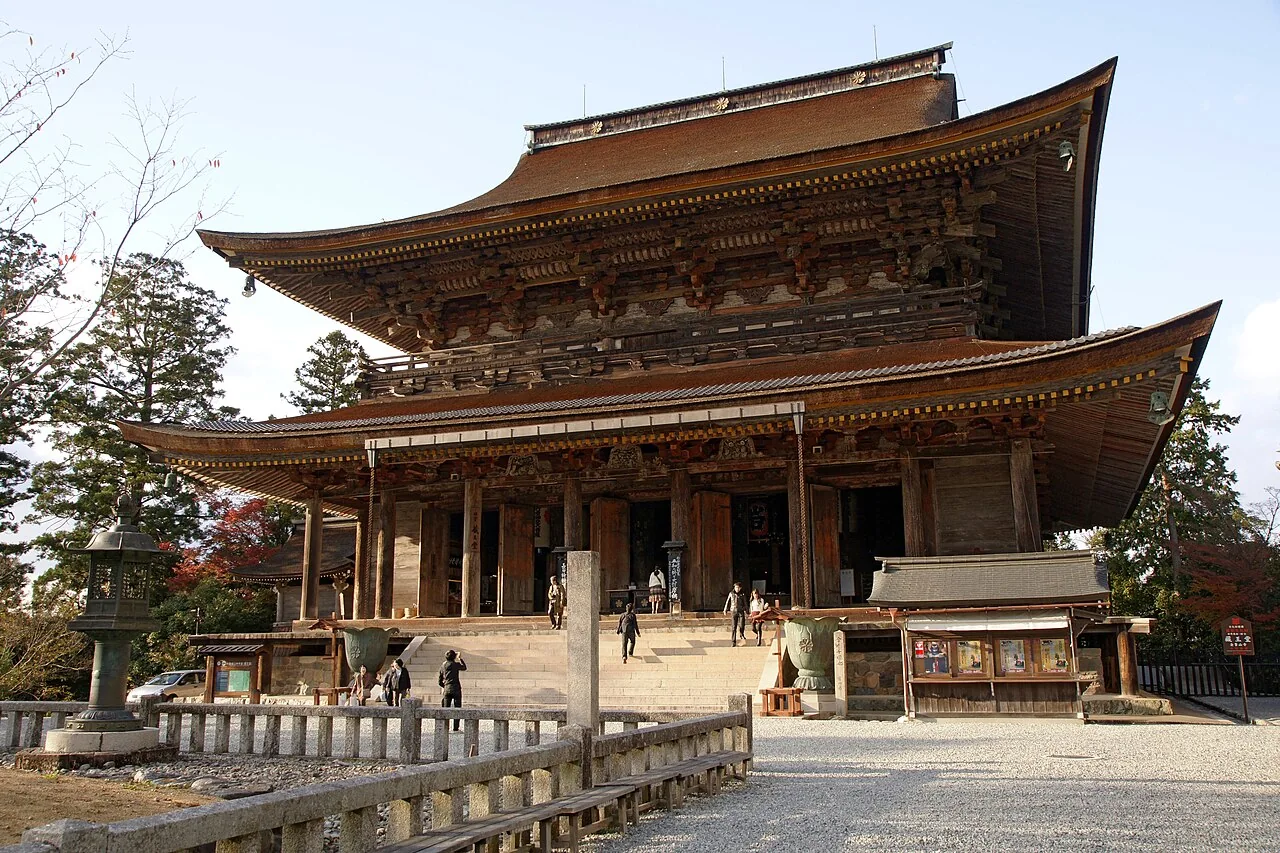
The official Nara guide locates Kinpusenji and Yoshimizu-jinja in the middle part of the mountain area. Choose a few heritage stops and a viewpoint, then decide whether to continue higher. The mountain’s different levels are not a flat town circuit; every upward extension changes the physical effort and return.
Give the main stop enough time to notice details, read interpretation and pause when something interests you. Keep one optional extension, and add it only if it leaves enough time for the experience you came for.
Build the route around arrival and return
Use Yoshino Station as the starting point for checking onward access to the mountain streets. Confirm the current local transport and your return rail connection. An overnight stay can reduce the pressure to complete the route between arrival and departure, especially when the main purpose is a slower heritage visit.
Make time for the local food
What to eat and where to look
Kakinohazushi
Sushi wrapped in persimmon leaves, identified in Yoshino’s official dining account.
Make room for a locally connected meal
Kakinohazushi, sushi wrapped in persimmon leaves, is identified in the Nara guide’s Yoshino dining account. Give lunch a proper stop on the mountain streets, and establish what is served rather than assuming an advertised specialty is available at every shop. The leaf wrapper is part of the serving tradition.
Match the visit to the current conditions
Blossom timing varies, and different elevations can create different stages of bloom. Confirm current local information instead of promising one perfect date. Crowds and seasonal access arrangements can add time; outside spring, weather and the heritage route should guide the day rather than an expectation of blossom scenery.
When a guided experience adds value
A heritage walk is a natural fit when the guide explains the sacred landscape and states the ascent involved. A cherry-blossom excursion should be judged by actual walking time, transport and current conditions rather than its promotional photograph.
Practical questions
How much time should I give Yoshino?
Use the suggested route as a starting point, then add the actual travel time and a meal. Staying nearby can make a slower visit possible; the right duration depends on the experiences you choose.
What should I confirm before booking?
Blossom timing varies, and different elevations can create different stages of bloom. Check the relevant official notice for your visit date.
Is a guided experience worthwhile?
A heritage walk is a natural fit when the guide explains the sacred landscape and states the ascent involved. Confirm the listing’s route and inclusions before booking.
Sources and checks before you travel
Reference sources for the version dated 30 September 2026. Confirm opening times, access, transport and conditions for your travel dates.
Does this experience fit your route?
Explore related tours and experiences
Check dates and details on Viator ↗ — opens in a new tabAffiliate link · Book with Viator