Kansai · Kyoto
Tea experiences in Kyoto: ceremonies, tastings and what to compare
Kyoto’s tea culture offers several kinds of visit. Put the experience that matters to you first, then give the meal and the journey enough room. The route below is a planning suggestion; confirm the current arrangements for the places you choose.
- Suggested time
- One booked session; a separate day for a wider tea route
- Where to stay
- Kyoto for a city ceremony; Uji or a confirmed tea-country visit for production interests
- Season and timing
- Farm and harvesting activities need their own seasonal confirmation
The short answer
Allow one booked session; a separate day for a wider tea route. Consider Kyoto for a city ceremony or Uji or a confirmed tea-country visit for production interests. Choose the main visit before adding another area. The Uji City Tourism Association describes Taihoan, the municipal tea house, with traditional tea rooms and a room using tables and chairs. A well-placed lunch and a flexible final stop keep the day enjoyable.
Choose ceremony, tasting or production
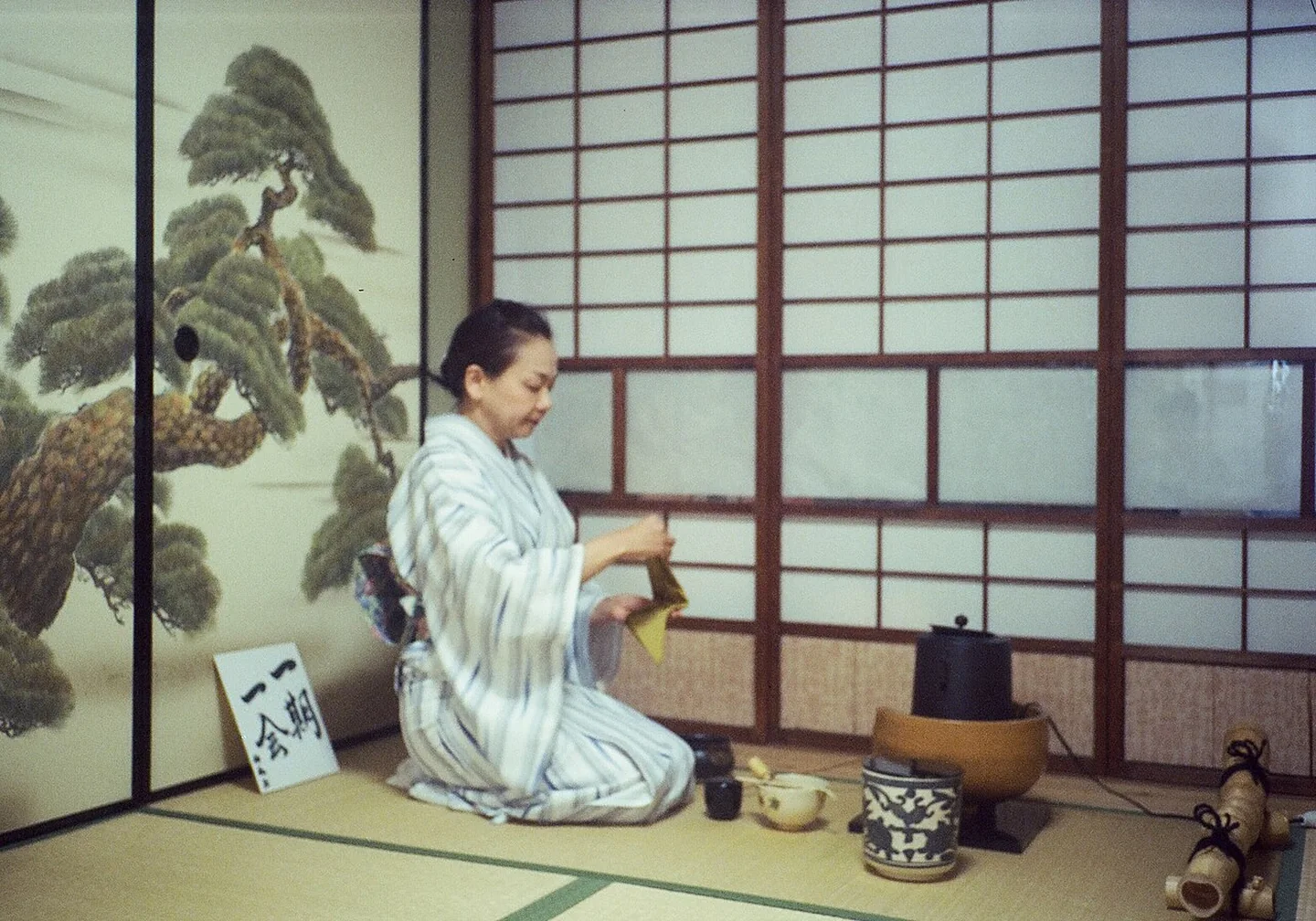
Kyoto’s tea culture offers several kinds of visit. A ceremony focuses on preparation, utensils and hosting; a tasting helps you compare tea; a production-area visit brings landscape and cultivation into the picture. Decide what you want to learn before comparing activity titles. A matcha dessert stop can be enjoyable without providing the same context as any of these experiences.
Uji offers a clear cultural starting point
The Uji City Tourism Association describes Taihoan, the municipal tea house, with traditional tea rooms and a room using tables and chairs. This gives a concrete option to investigate when seating matters. Check the current service, language and visitor arrangements directly. A tea-room visit can accompany an Uji walk without requiring a journey into the wider farming area.

Make time for the local food
What to eat and where to look
Matcha and a sweet
Compare the tea service and included confection rather than assuming a tasting is a full meal.
- Where to look
- Current menus and official visitor listings near your selected Tea experiences in Kyoto route.
- Fit it into your day
- Choose this as a deliberate meal or snack near the main visit. Check the preparation and ingredients before ordering; leave time to reach your next connection.
Tea-shop tasting
A shop tasting and a ceremony are different experiences; ask what varieties and preparation are included.
- Where to look
- Current menus and official visitor listings near your selected Tea experiences in Kyoto route.
- Fit it into your day
- Choose this as a deliberate meal or snack near the main visit. Check the preparation and ingredients before ordering; leave time to reach your next connection.
Tea country is broader than central Kyoto
The official Another Kyoto guide identifies a wider Uji-tea production area. A farm visit is not automatically a city activity or an Uji-station walk. Establish the actual village, meeting point and transport before booking. If harvesting is advertised, ask whether it occurs on your date and what replaces it when seasonal or weather conditions prevent participation.
Compare the session’s format
Check whether you observe preparation or make tea yourself, how many people attend, the seating style and the explanation language. Ask whether kimono rental or photographs are part of the experience only if those details matter to you. Keep the appointment separate from another rigid reservation; tea offers its own pace and should not become the hurried gap between temples.
Give the meal a place in the route
Choose a seated meal near your planned visits and keep an alternative nearby if the restaurant is full. Compare the dish, portion and price on the current menu. If ingredients matter, ask about broth, sauce and preparation as well as the main item.
Match the booking to the tea interest
For a Viator comparison, look for a clearly located Kyoto or Uji session with the kind of participation you want. Read whether the booking is private or shared, what tea and sweets it includes, and whether the host provides an explanation in English. For a production-area outing, compare the complete transport and the seasonal activity rather than a city ceremony listing. No direct tea-session product appears in the supplied offer catalogue, so this article should not display a made-up booking link.
Practical questions
How much time should I allow for a tea experience in Kyoto?
One booked session; a separate day for a wider tea route. This is a planning starting point; allow more time if you choose an additional area or a slower visit.
Should I choose a ceremony or a farm visit?
Choose a ceremony for preparation and hosting, and a production-area visit for cultivation context. A tasting offers a third format; location and seasonal availability differ.
Is kneeling required at every tea session?
Ask about the exact seating. Uji’s Taihoan includes a room with tables and chairs, but the current service and booking need checking.
Sources and checks before you travel
Reference sources for the version dated 30 September 2026. Confirm opening times, access, transport and conditions for your travel dates.
Does this experience fit your route?
Explore related tours and experiences
Check dates and details on Viator ↗ — opens in a new tabAffiliate link · Book with Viator