Kyushu and Okinawa · Kumamoto
Hitoyoshi fermentation tour: Kuma shochu and local food
A fermentation experience in the Hitoyoshi–Kuma area connects food with producers and the rice-growing landscape around them. Kuma shochu is a distilled spirit, so a visit can clarify the difference between fermentation and distillation as well as introducing local preserved foods. Choose a guided route when explanation and coordination between producers matter more to you than collecting several tasting stops.
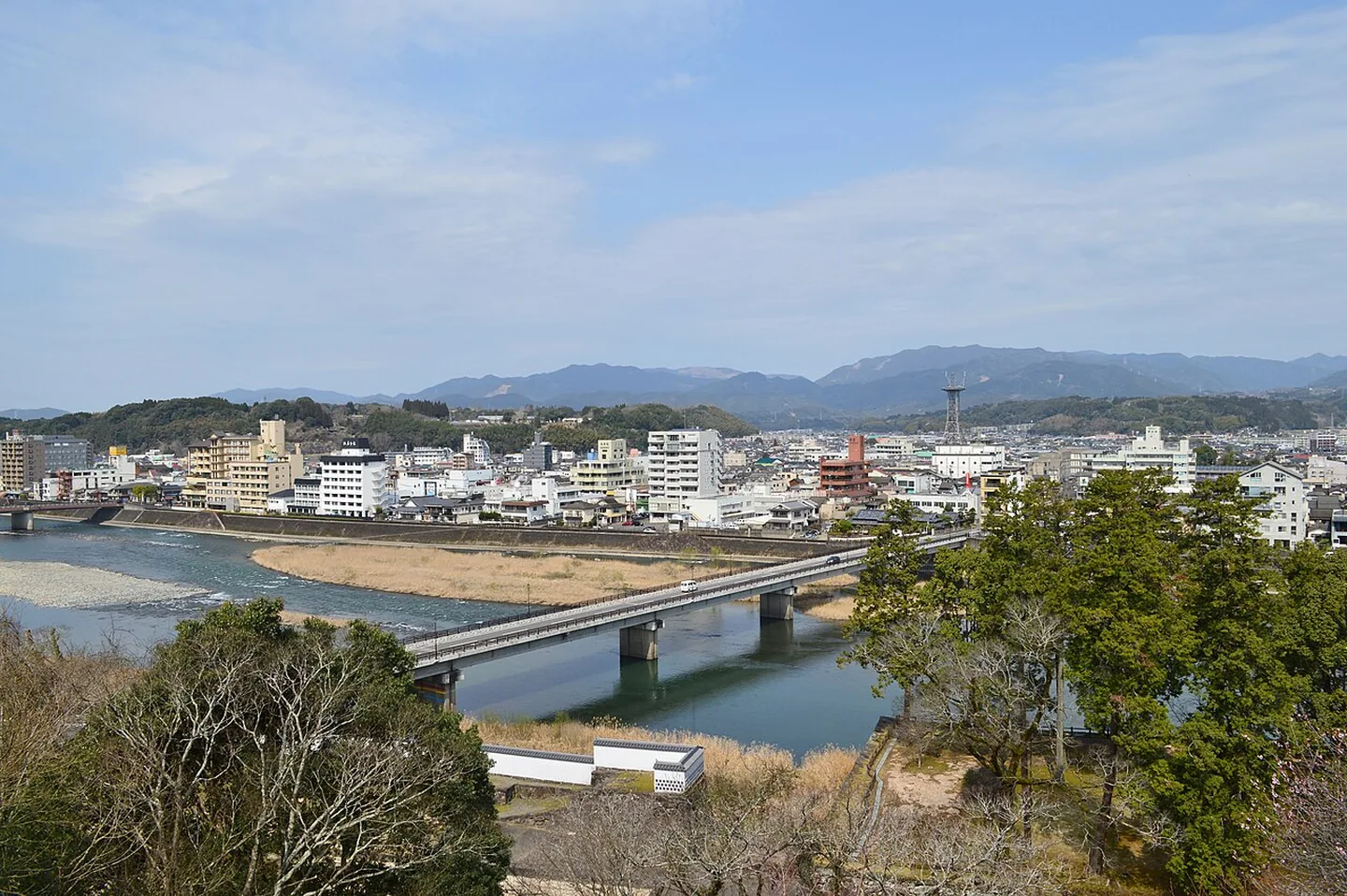
- Suggested time
- Reserve the booked experience window plus access; allow a focused day
- Where to stay
- Hitoyoshi for a town stay; confirm any wider Kuma-area pickup
- Season and timing
- Use the confirmed producer schedule and check current local transport
The short answer
Confirm the producers, meeting point and tasting arrangements on the selected fermentation route. Plan access within Hitoyoshi–Kuma carefully, allow room for a meal and keep alcohol tasting separate from any driving.
Understand the shochu part of the story
Kuma shochu comes from the Hitoyoshi–Kuma region, where rice and local water shape its identity. The makers’ association distinguishes fermentation, distillation and the resulting range of styles. A guided producer visit can make that process easier to understand than simply choosing a bottle at dinner. Keep the terminology accurate: this is shochu culture, and its distilleries should not automatically be described as sake breweries.
Ask which producers the route includes
The verified fermentation product links Kuma shochu with traditional pickling and food culture. Confirm the actual venues for your date and how much time is spent observing, talking, tasting or taking part. A producer demonstration is different from making something yourself. If a particular preserved food is your main interest, ask whether it appears on the selected route rather than assuming every departure covers the same businesses.
Make time for the local food
What to eat and where to look
Kuma River ayu
Sweetfish is associated with Hitoyoshi and the Kuma River. Look for the preparation and seasonal supply on a restaurant’s current menu; it provides a regional meal beyond the fermentation tour’s small samples.
- Where to look
- Hitoyoshi restaurants or ryokan with a confirmed current ayu menu
- Fit it into your day
- A separate lunch or accommodation dinner
Preserved vegetables and Kuma shochu
A small pickle dish can connect local food with a shochu tasting. Check how it is made and keep alcohol optional, particularly when onward travel involves driving.
- Where to look
- Confirmed producers or restaurants serving regional drinks
- Fit it into your day
- A modest tasting with food
Set the meeting point before solving transport
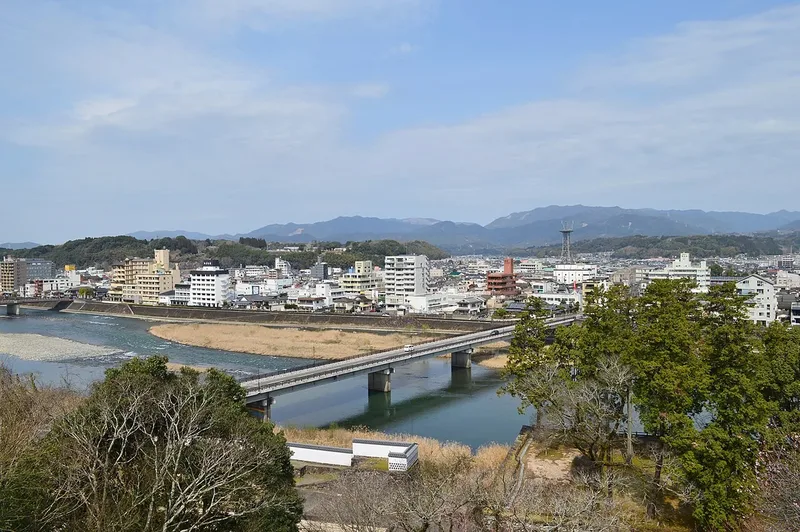
Hitoyoshi town and the wider Kuma region should not be treated as one walkable cluster. Obtain the meeting address, pickup arrangement and finish location, then match those details with your accommodation and transport. Do not build the day around a rail connection simply because it appears on an old map; check current operations. When self-driving, decide in advance who will remain alcohol-free, including after the formal tour ends.
Separate explanation, samples and meals
Read the inclusion list for tastings, ingredients, transport and lunch. A food-culture experience may offer small samples without providing a full meal. Explain dietary restrictions before booking because pickles, sauces and prepared dishes may contain unfamiliar ingredients. Ask about non-alcoholic participation and tasting eligibility if anyone will not drink. Choose the tour for access and understanding rather than an assumed quantity of alcohol.
Give the local meal a place in the day
Allow a meal near the confirmed finish or your base, using the actual menu to continue the producer story. A dish alongside shochu can help explain food pairing, but drinking remains optional. Avoid stacking an independent distillery visit immediately after a route that already covers similar ground.
Practical questions
Is Kuma shochu the same as sake?
No. Kuma shochu is a distilled rice spirit. Fermentation is part of its production, followed by distillation.
Can I join without drinking alcohol?
Ask the provider about non-alcoholic participation and which parts remain available. Producer explanation and food culture may still be central to the visit.
Are all stops in central Hitoyoshi?
Do not assume so. Confirm the producer locations and any transport included; the wider Kuma region requires separate access planning.
Sources and checks before you travel
Reference sources for the version dated 30 September 2026. Confirm opening times, access, transport and conditions for your travel dates.
- Official tourism or operator information ↗ — opens in a new tab
- Official tourism or operator information ↗ — opens in a new tab
- Official tourism or operator information ↗ — opens in a new tab
- Viator experience details; confirm the selected departure ↗ — opens in a new tab
- Official regional food information ↗ — opens in a new tab
Does this experience fit your route?
Compare the experience and check the selected date
Check dates and details on Viator ↗ — opens in a new tabAffiliate link · Book with Viator