Kanto · Tokyo
Tokyo by tram: a local day along the Sakura Tram
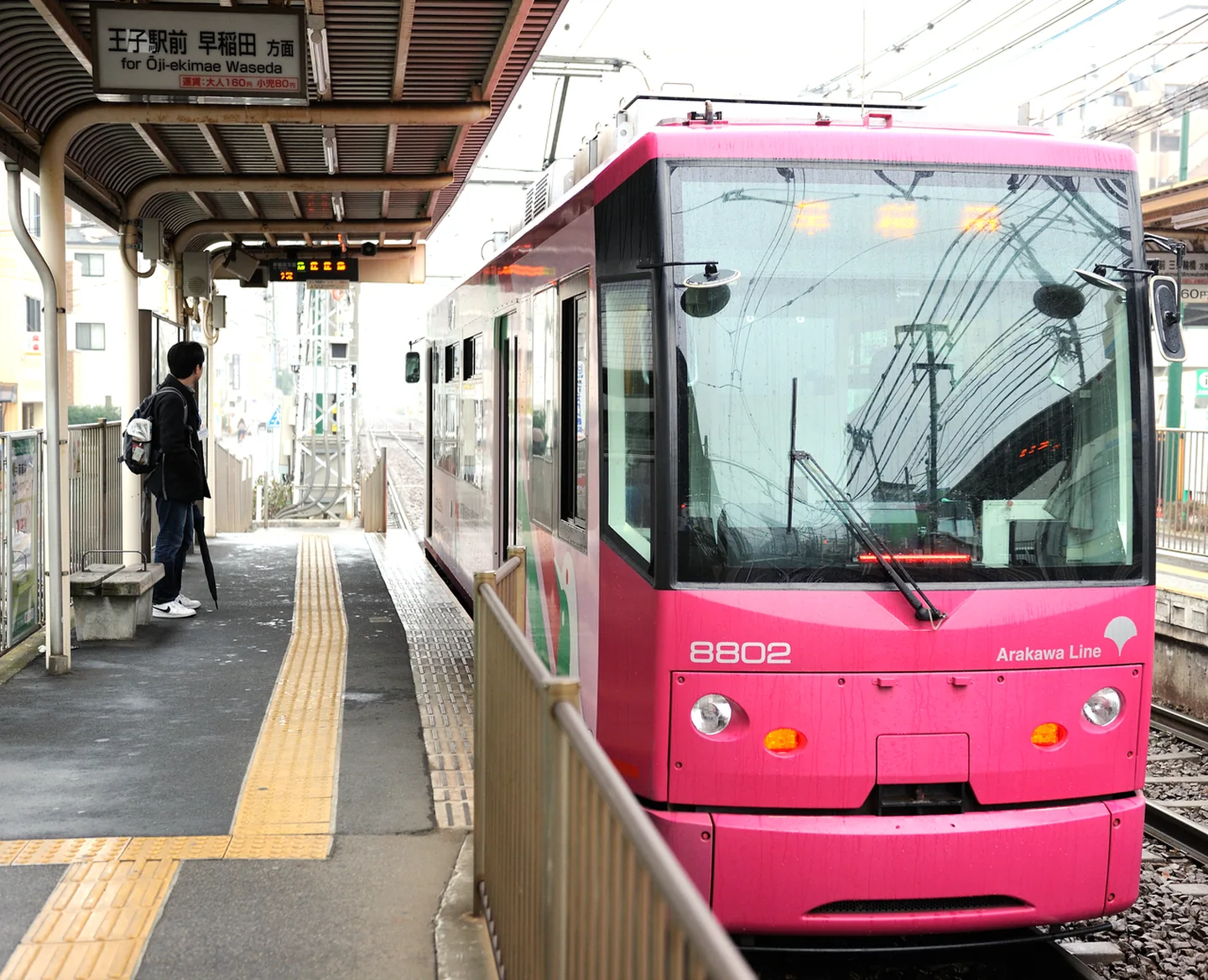
A tram day offers a Tokyo route with a neighborhood scale. The appeal lies in stopping to explore, rather than remaining onboard to collect the whole line.
- Suggested time
- Choose the specific session or a focused half-day/day plan
- Where to stay
- Tokyo, with access to your chosen Sakura Tram stops
- Season and timing
- Match current local conditions and activity availability
The short answer
Make Tokyo’s Sakura Tram a focused part of the trip: select the main experience first, then arrange access, a meal and a realistic return. The route ideas below are editorial suggestions to adapt to your interests and mobility, rather than a fixed timetable.
Choose the experience that gives the day its shape
Use the official Tokyo Sakura Tram map to choose two or three areas. Asukayama provides a park-focused stop, while a walk toward Sugamo can add shopping and food. Design the day around the neighborhoods you want to see; the tram ride connects them but does not replace time on foot.
Give the main stop enough time to notice details, read interpretation and pause when something interests you. Keep one optional extension, and add it only if it leaves enough time for the experience you came for.
Build the route around arrival and return
Check the current boarding, payment and route guidance from Toei. Include the rail or subway journey to the starting stop and from the final stop back to the accommodation. A one-way selection can be more practical than riding to both termini simply because the line exists.
Make time for the local food
What to eat and where to look
Food to look for
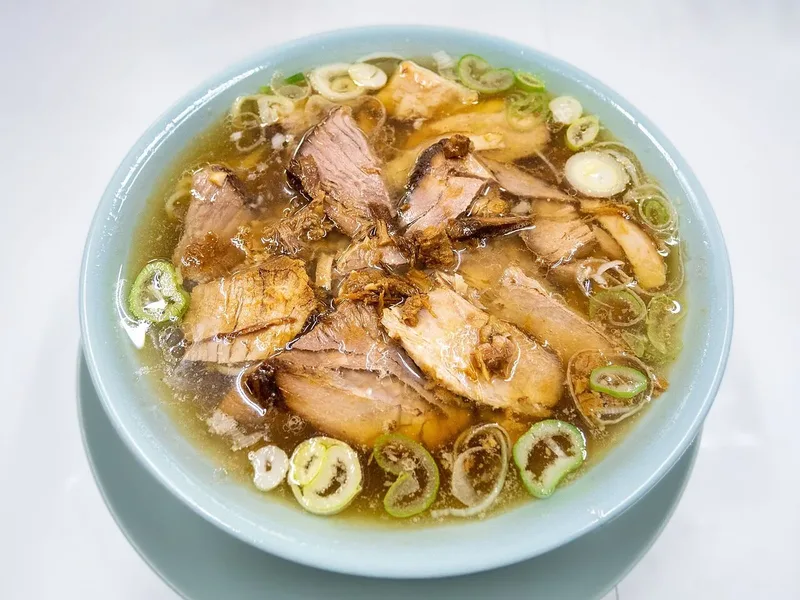
Toei’s sightseeing material identifies shio-daifuku, a salted bean-filled mochi sweet, on Sugamo’s shopping street. Use it as an optional food stop when that neighborhood fits the route. A longer lunch can anchor the middle of the day instead of relying on snacks at every tram stop.
Make room for a locally connected meal
Toei’s sightseeing material identifies shio-daifuku, a salted bean-filled mochi sweet, on Sugamo’s shopping street. Use it as an optional food stop when that neighborhood fits the route. A longer lunch can anchor the middle of the day instead of relying on snacks at every tram stop.
Match the visit to the current conditions
The Sakura name does not mean cherry blossoms are present year-round. Choose a park route for the actual season and check event notices. Crowding, rain or heat may favor fewer stops; follow ordinary public-transport etiquette and make space for the passengers using the tram for everyday journeys.
When a guided experience adds value
A neighborhood walk paired with a short tram ride fits better than a product sold only as transportation. Compare the actual stops and stories. A self-guided route also works when you are comfortable reading the map and choosing where to leave the line.
Practical questions
How much time should I give Tokyo’s Sakura Tram?
Use the suggested route as a starting point, then add the actual travel time and a meal. Staying nearby can make a slower visit possible; the right duration depends on the experiences you choose.
What should I confirm before booking?
The Sakura name does not mean cherry blossoms are present year-round. Check the relevant official notice for your visit date.
Is a guided experience worthwhile?
A neighborhood walk paired with a short tram ride fits better than a product sold only as transportation. Confirm the listing’s route and inclusions before booking.
Sources and checks before you travel
Reference sources for the version dated 30 September 2026. Confirm opening times, access, transport and conditions for your travel dates.
Does this experience fit your route?
Explore related tours and experiences
Check dates and details on Viator ↗ — opens in a new tabAffiliate link · Book with Viator