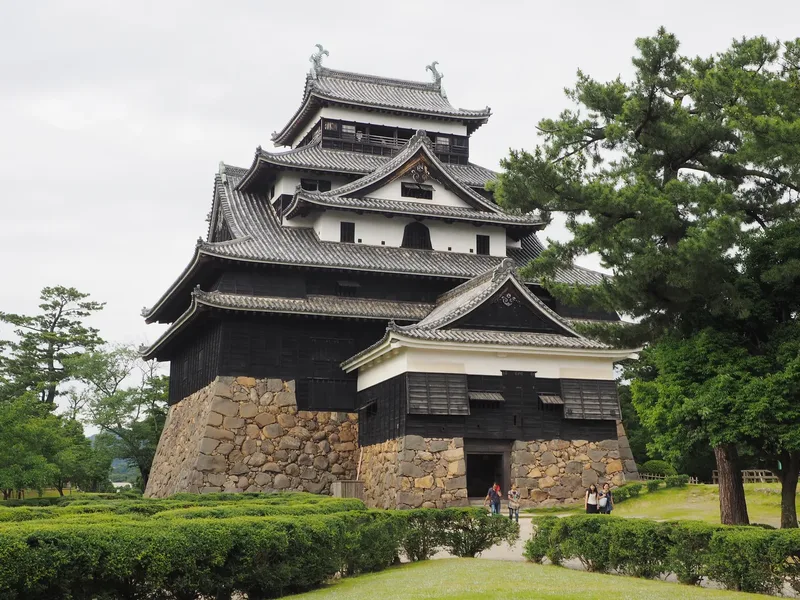
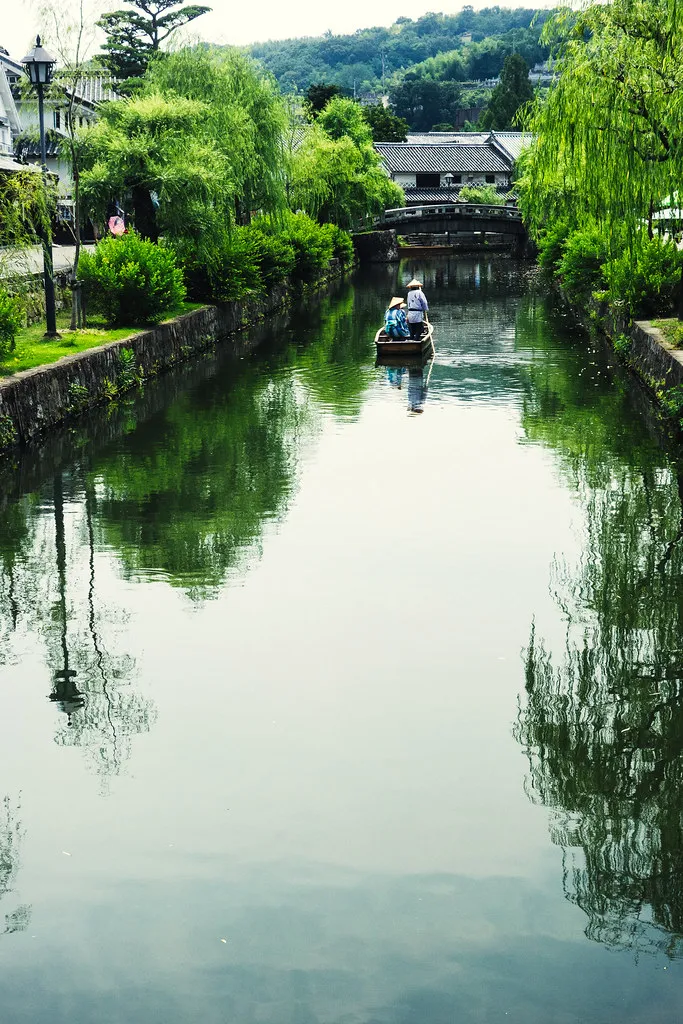
Chugoku · Tottori
Tottori travel guide: dune visits, city food and coastal planning
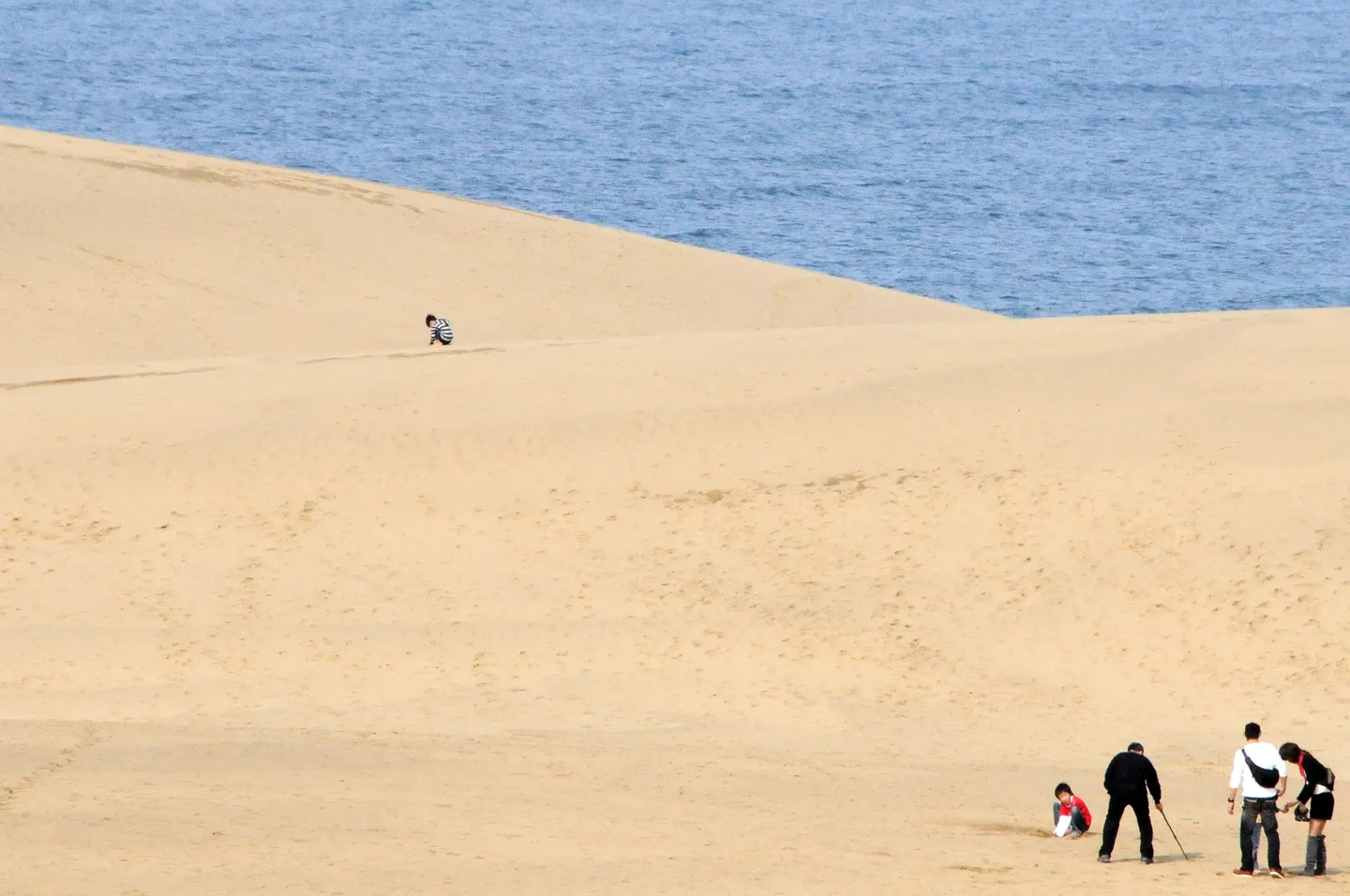
Tottori’s dunes put the Sea of Japan beyond a landscape that changes with wind and light. Give the sand walk proper time, then choose a city meal or another nearby interest without treating the entire prefecture as one neighbourhood.
- Suggested time
- One or two days
- Where to stay
- Tottori
- Season and timing
- Spring and autumn can suit dune walks; winter crab menus and travel plans need current weather and transport checks
The short answer
Plan the dunes from Tottori Station using the actual bus and return, and assess the sand walk for the group’s comfort and conditions. Check the Sand Museum’s exhibition calendar independently. Uradome, Yonago and Daisen require separate route choices.
Walking on sand is the activity
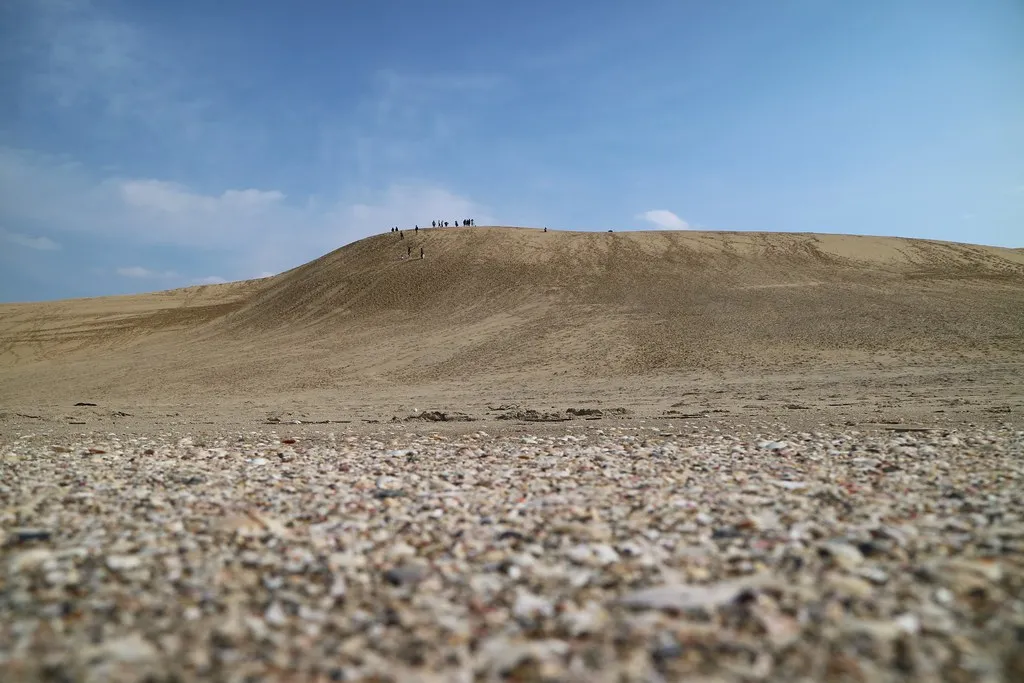
A dune ridge involves different effort from a compact city path. Choose a route suited to the group and allow pauses to enjoy the changing light. Heat, wind and limited shade can make a shorter visit the sensible choice. Carry water and follow local visitor guidance. Do not turn a quick parking-area photograph into an assumed assessment of the whole walk.
The Sand Museum follows its exhibition calendar
The museum offers a different perspective through large sand sculptures, with exhibitions that change over time. Confirm the actual theme and opening before making it the wet-weather alternative. Installation periods can affect access. A poster from another year is not evidence of the current display, and the museum visit should have its own block alongside the outdoor dunes.
Make time for the local food
What to eat and where to look
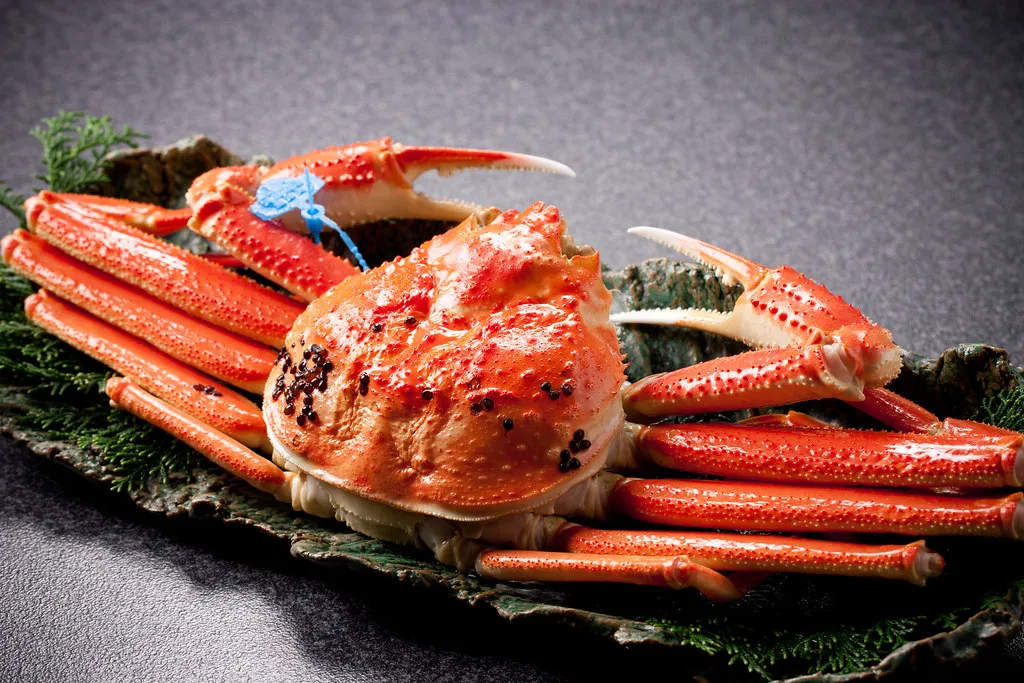
Matsuba-gani
Male snow crab is associated with the cold season of Sanin. Size, origin and preparation determine the actual meal.
- Where to look
- Current seasonal restaurant menus
- Fit it into your day
- A planned crab meal only when the product is confirmed.
Tottori pears
Crisp Asian pears offer a seasonal fruit interest, with Nijisseiki one variety among others.
- Where to look
- Shops identifying cultivar and origin
- Fit it into your day
- A dessert or purchase with storage advice followed.
Tofu chikuwa
Tofu combined with fish paste makes this regional preparation unsuitable for assuming vegetarian status from the name.
- Where to look
- Current local speciality shops
- Fit it into your day
- A small savoury taste alongside a meal.
Horu soba
Stir-fried noodles with offal are distinct from buckwheat soba in broth. Read the exact ingredients and portion.
- Where to look
- Restaurants explicitly naming the dish
- Fit it into your day
- A substantial city meal after the dunes.
Choose the city or a separate coast outing
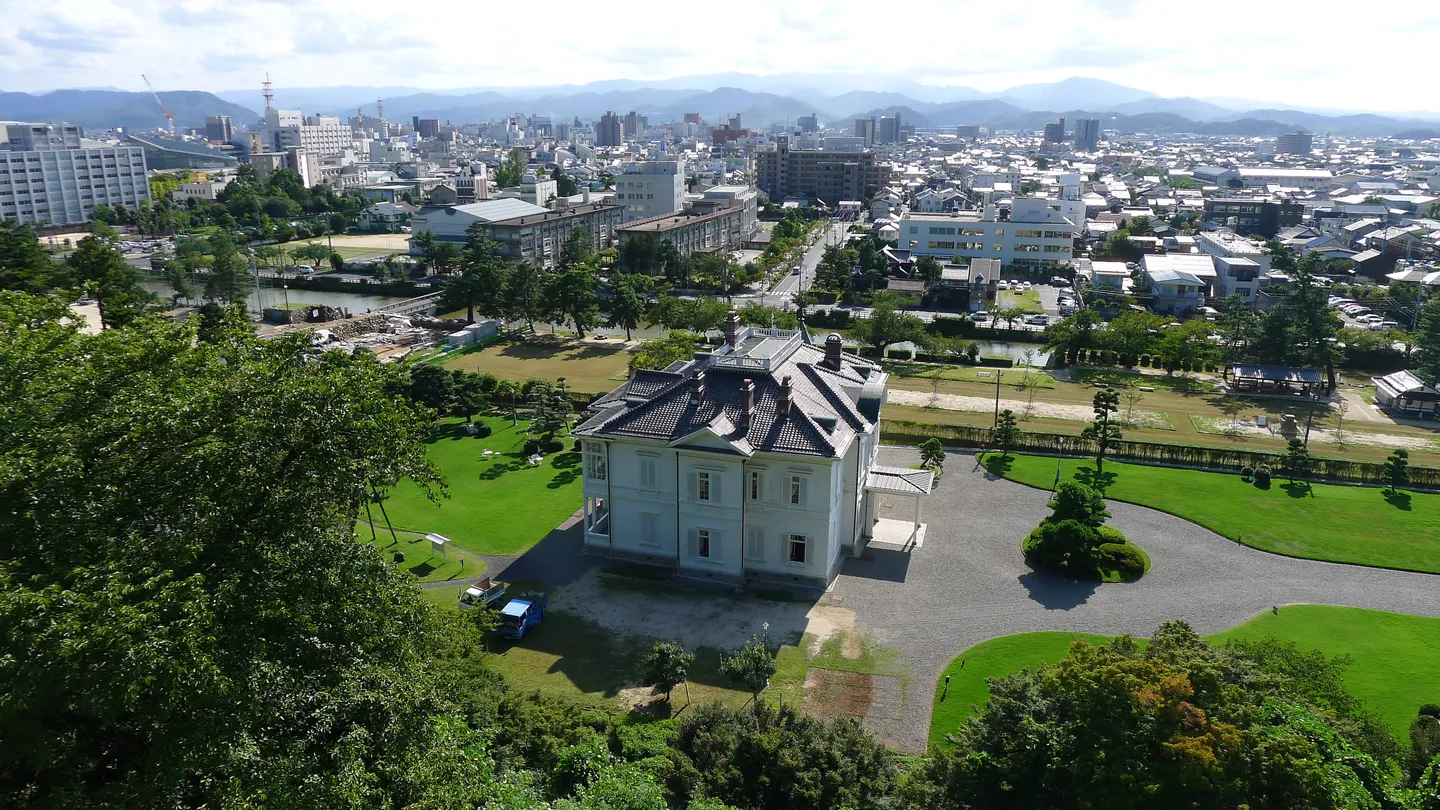
The castle area and a city food stop can make a manageable second half. Uradome adds another coastal programme, with any boat activity dependent on the current operator and sea conditions. Sakaiminato, Yonago and Daisen belong to the prefecture but are not districts of Tottori City. Add them through another base or more time rather than a rushed local detour.
A night can make the regional connection easier
Check the bus stop serving the particular dune or museum entrance and the return before walking. Longer rail approaches from Okayama or Kansai need more than a distance estimate. A night gives room for dunes, the city and a meal. Crab, pears and tofu chikuwa are food interests to investigate by season and ingredients, not a guaranteed menu on every date.
Practical questions
What is the most useful first planning decision?
Plan the dunes from Tottori Station using the actual bus and return, and assess the sand walk for the group’s comfort and conditions. Check the Sand Museum’s exhibition calendar independently. Uradome, Yonago and Daisen require separate route choices.
Is a guided visit necessary?
An independent visit can work with a clear route and current access information. Compare the actual guided programme for interpretation or practical support, including the meeting place and what is covered.
How should food fit the route?
Choose one main meal near the planned visit and leave smaller tastes optional. Check the actual menu, ingredients and opening before making a restaurant the only lunch option.
Sources and checks before you travel
Reference sources for the version dated 30 September 2026. Confirm opening times, access, transport and conditions for your travel dates.
Does this experience fit your route?
Explore related tours and experiences
Check dates and details on Viator ↗ — opens in a new tabAffiliate link · Book with ViatorPhoto credits
Visitors on Tottori's pale sand dunes, with the sea beyond.
Photograph: m-louis .® — opens in a new tab · CC BY-SA 2.0 — opens in a new tab
Changes: Resized and converted to WebP; displayed with responsive crops. · Original photograph and licence details ↗ — opens in a new tab
Matsuba crab on a serving platter; an illustrative Sanin food photograph.
Photograph: Nishimuraya Kinosaki Onsen — opens in a new tab · CC BY 2.0 — opens in a new tab
Changes: Resized and converted to WebP; displayed with responsive crops. · Original photograph and licence details ↗ — opens in a new tab
Sand in the foreground and a ridge of the Tottori dunes.
Photograph: Jim Thoburn — opens in a new tab · CC BY-SA 2.0 — opens in a new tab
Changes: Resized and converted to WebP; displayed with responsive crops. · Original photograph and licence details ↗ — opens in a new tab
Tottori viewed from the castle area with a white building and gardens.
Photograph: Felix Filnkoessl — opens in a new tab · CC BY 2.0 — opens in a new tab
Changes: Resized and converted to WebP; displayed with responsive crops. · Original photograph and licence details ↗ — opens in a new tab